Corals can thrive together, or they can wage chemical war. A good compatibility plan prevents stings, slow tissue loss, and surprise crashes. This guide helps you mix corals with less risk and more growth.
Start with coral “families” and their aggression level
Most reef tanks fail at the edges, not the center. Corals fight for space, light, and flow. Soft corals often win with toxins. LPS often win with sweepers and stings. Many SPS win by shading and fast growth.
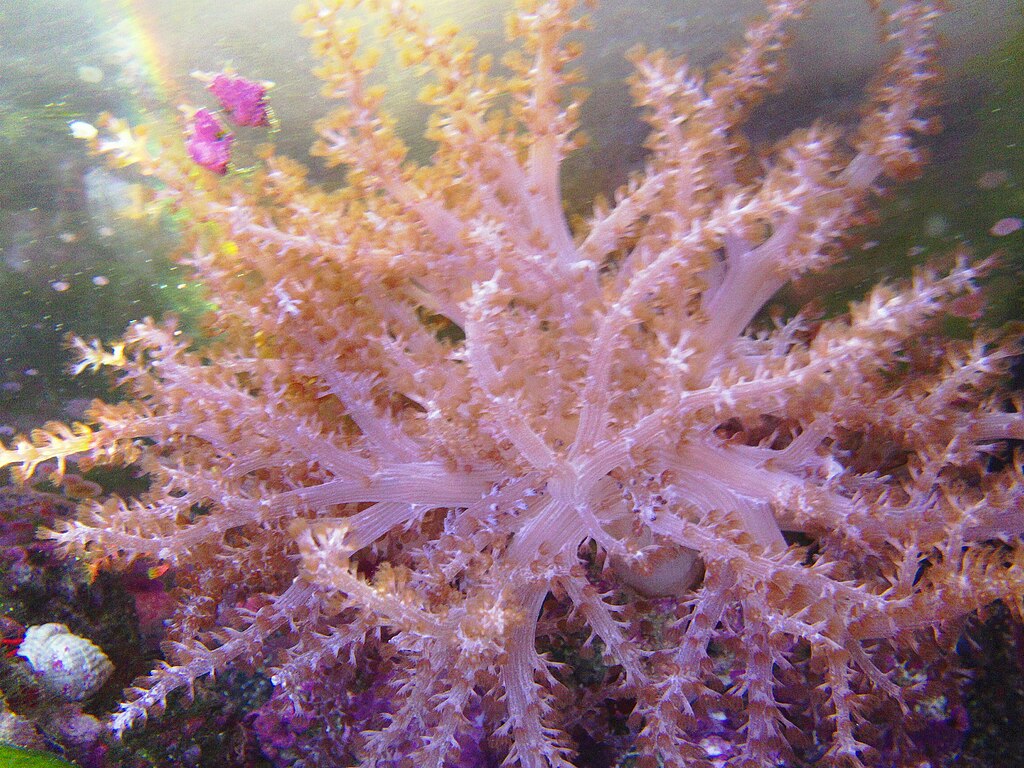
Soft corals like leathers and xenia can release allelopathic compounds. These can irritate SPS and some LPS. Run fresh carbon and change it weekly. Use about 1 cup per 50 gallons. Add a skimmer for extra export.
LPS need room for nighttime sweepers. Euphyllia can extend 2–6 inches. Galaxea can reach 6–12 inches in strong flow. Keep them on isolated “islands” of rock. Avoid placing them up-current from sensitive SPS.
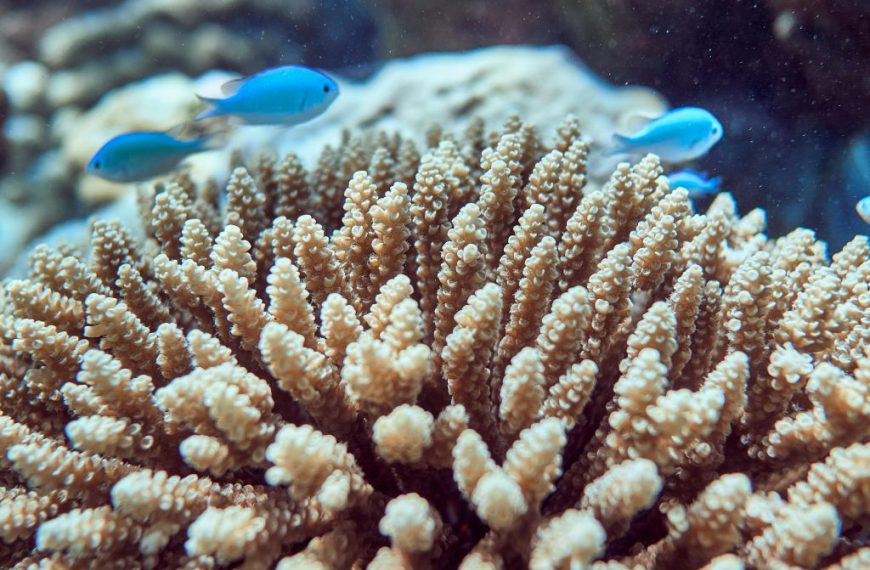
SPS like acropora can look peaceful but still compete. They can sting when touching. They also shade neighbors quickly. Keep stable parameters for SPS-heavy zones. Aim for alkalinity 8–9 dKH and nitrate 2–10 ppm.
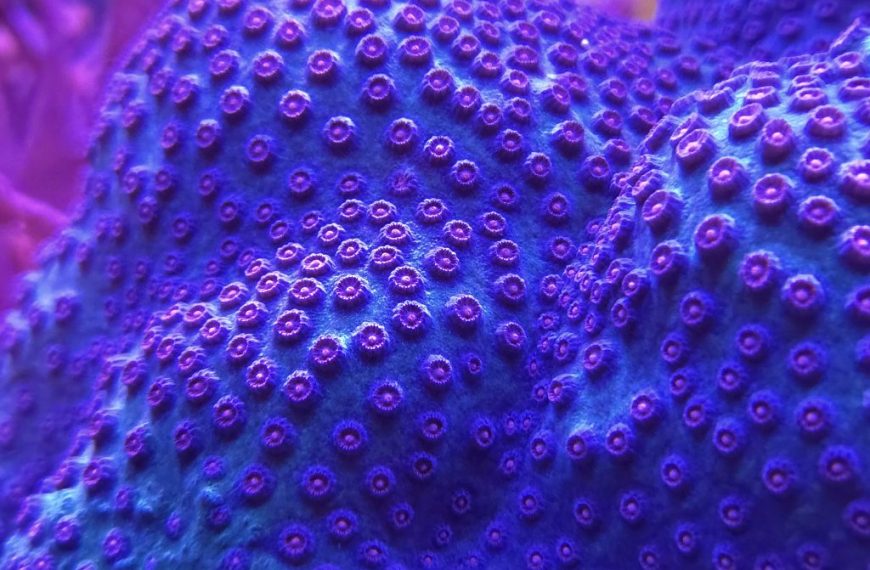
- Low aggression: many zoanthids, mushrooms (still can spread), most montipora
- Medium aggression: many euphyllia, favia, chalices (varies by species)
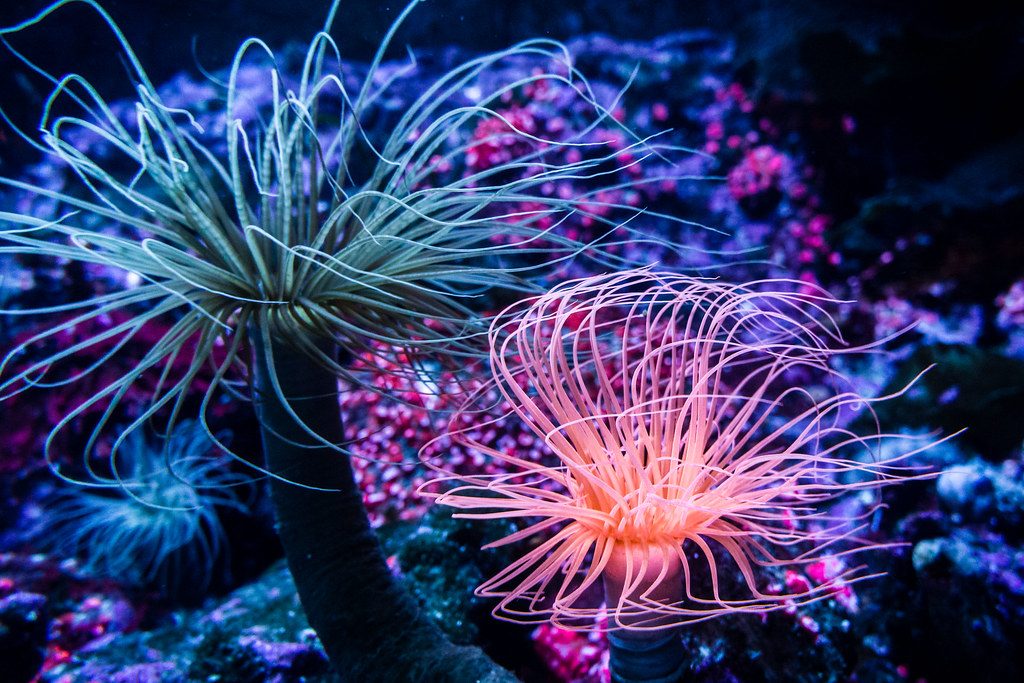
- High aggression: galaxea, some torches, anemones, hydroids, fire coral
For a quick refresher on stability, review our reef tank water parameters. Stable chemistry reduces “mystery” coral irritation. It also makes aggression easier to spot.
Placement rules: spacing, flow direction, and light zones
Start by mapping your tank into zones. Put SPS in the top third with strong, random flow. Place most LPS in the middle with moderate, indirect flow. Keep soft corals lower or on separate rocks. This reduces chemical and physical contact.
Use spacing as your main compatibility tool. Leave 3 inches between most LPS frags. Leave 6 inches for known sweepers. Give galaxea 10–12 inches if possible. Remember that colonies expand fast in six months.
Flow direction matters more than many expect. A torch placed up-current can sting neighbors downstream. Rotate powerheads to avoid a “sting lane.” If you see tissue recession on one side, suspect flow-driven contact.
Light can trigger conflict through stress. A shaded SPS may brown and lose tissue. A blasted LPS may inflate and then recede. Target PAR helps. Many acropora like 250–400 PAR. Many euphyllia prefer 80–150 PAR.
- Place new frags on a frag rack for 7–14 days
- Increase light by 10–15% per week during acclimation
- Keep a “buffer rock” between fast growers and prized colonies
If you need a step-by-step acclimation routine, see our how to acclimate coral frags guide. It pairs well with a compatibility plan. Less stress means fewer fights.
Troubleshooting common compatibility problems
“My coral is melting” often has a simple cause. Look for contact marks first. Stings leave clean, sharp tissue loss lines. Chemical warfare looks more like dull recession and poor polyp extension. Test alkalinity and salinity before moving anything.
If soft corals dominate, increase export and filtration. Change carbon weekly for a month. Increase skimmer wetness slightly. Do a 10–15% water change each week for three weeks. Watch SPS polyp extension for improvement.
If LPS are stinging, adjust spacing and nighttime behavior. Check the tank two hours after lights out. Use a flashlight with a red lens. You will see sweeper tentacles clearly. Move the aggressor, not the victim, when possible.
Common mistakes include mixing anemones into packed reefs. Anemones wander and sting widely. Another mistake is placing chalices on the sand near pathways. They can send short sweepers and still burn neighbors. Keep them isolated and stable.
- Quick fix for stings: increase spacing and redirect flow away from neighbors
- Quick fix for toxins: fresh carbon, stronger skimming, and small weekly changes
- Quick fix for stress: verify salinity 1.025–1.026 and temp 77–79°F
Quarantine also prevents “compatibility” issues caused by pests. Flatworms and nudibranchs can mimic chemical stress. Our coral dip and quarantine checklist can save colonies.
Plan your reef like a garden with borders and spacing. Match corals by aggression, then by light and flow needs. With stable parameters and smart placement, most mixed reefs can thrive long term.
Sources: Borneman, E. (2001) Aquarium Corals; Delbeek & Sprung (1994–2005) The Reef Aquarium; Fenner, R. (2003) The Conscientious Marine Aquarist.
Was this helpful?
Related Posts
Dragonets Fish Care
Dragonets are beautiful reef fish, but they need mature tanks and steady food sources. Learn how to keep…
 By
By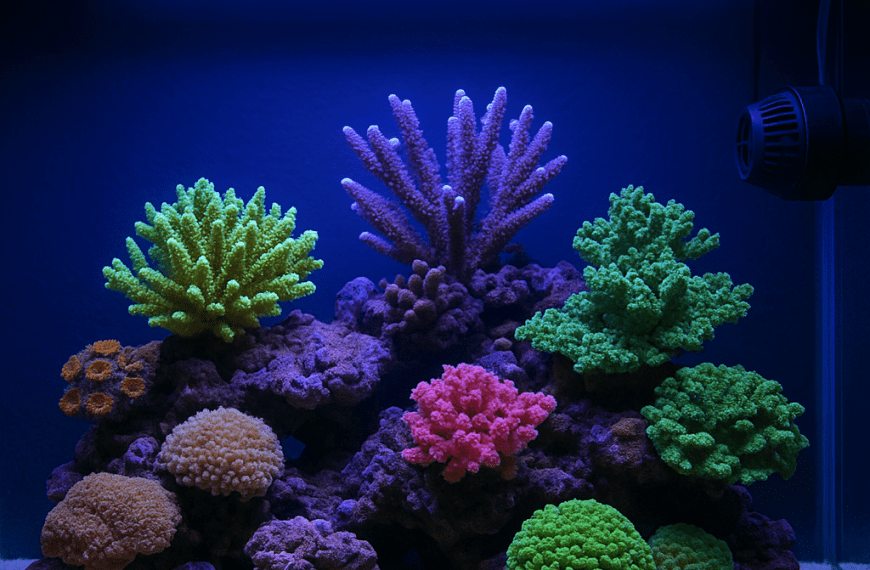
Lighting For Aquarium
Lighting for Aquarium: Getting Saltwater Illumination Right Lighting for a saltwater aquarium is about much more than simply…