

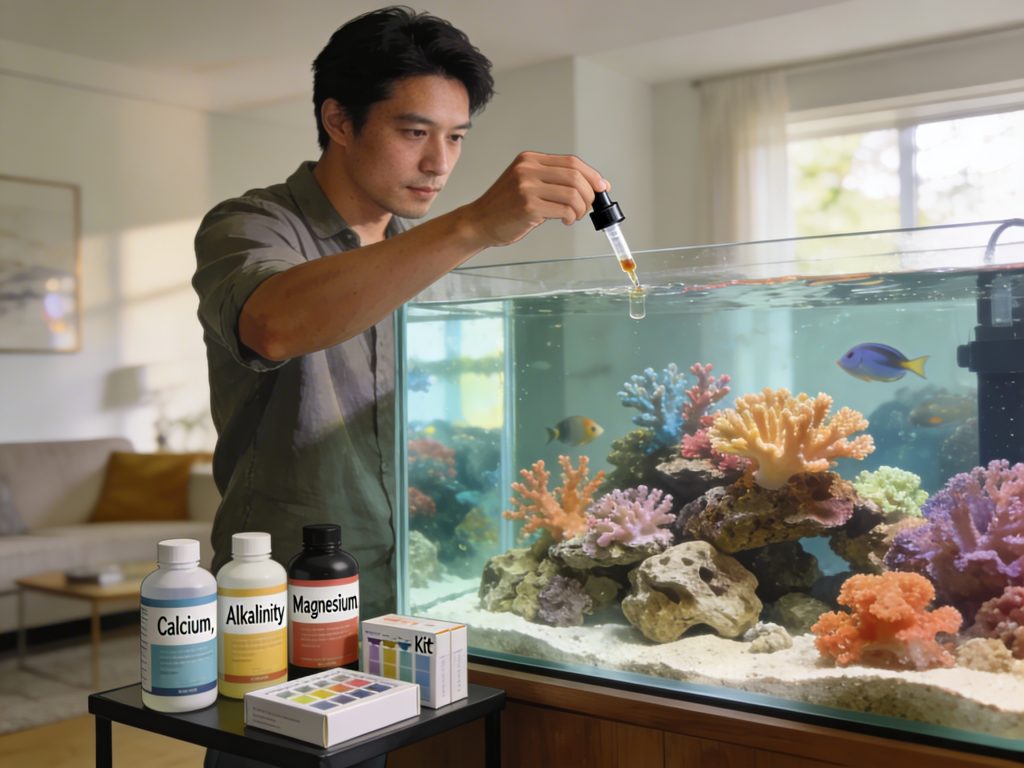
Reef dosing keeps calcium, alkalinity, and magnesium stable as corals grow. This guide explains what to dose, when to dose it, how to calculate demand, and how to avoid common mistakes that cause swings, burnt tips, or stalled growth.
Dosing can feel intimidating at first. Many reef keepers worry about adding the wrong supplement or chasing numbers too aggressively. The good news is that reef dosing becomes simple once you understand what your tank consumes each day. In this guide, you will learn the purpose of each major supplement, how to test correctly, how to choose a dosing method, and how to troubleshoot common problems. We will also cover dosing pumps, manual dosing, trace elements, and safe adjustment strategies. The goal is stability. Stable tanks grow healthier corals, show better color, and suffer fewer sudden setbacks.
Quick Reference Dosing Table
| Parameter | Typical Reef Range | Why It Matters | Common Supplement |
|---|---|---|---|
| Alkalinity | 7.5–9.0 dKH | Coral skeleton growth and pH stability | Carbonate or bicarbonate solution |
| Calcium | 400–450 ppm | Skeletal growth for stony corals and coralline algae | Calcium chloride solution |
| Magnesium | 1250–1400 ppm | Helps stabilize calcium and alkalinity balance | Magnesium chloride and sulfate mix |
| Nitrate | 2–15 ppm | Supports coral metabolism and color | Nitrate supplement if too low |
| Phosphate | 0.03–0.10 ppm | Needed for coral health in small amounts | Phosphate supplement if too low |
Use these ranges as practical targets, not rigid rules. Different successful reef tanks run slightly higher or lower. The key is keeping values steady over time.
What Reef Dosing Actually Means
Reef dosing means replacing elements your aquarium uses every day. Corals, coralline algae, clams, and other calcifying organisms consume alkalinity and calcium as they build skeleton. Magnesium is used more slowly, but it still declines over time. In some tanks, nitrate and phosphate also bottom out and need careful supplementation.
Water changes help, but they often cannot keep up with demand in a growing reef. A few frags may use very little. A mature SPS tank can consume large amounts daily. That is why many hobbyists move from occasional correction to planned daily dosing. Dosing is not about chasing perfect numbers. It is about replacing what the tank consumes at the same pace. When replacement matches demand, parameters flatten out. Corals respond well to that consistency. Polyp extension improves. Growth tips stay clean. Tissue recession becomes less common. Stability beats constant adjustment every time.
The Main Things Most Reef Tanks Need Dosed
Alkalinity is usually the first parameter that drops. It changes fast, so test it often. Alkalinity supports skeletal growth and influences pH buffering. Rapid swings stress corals, especially SPS.
Calcium is the second major element. It usually falls more slowly than alkalinity, but both are tied together through calcification. If calcium is low, growth slows. If it is too high, balance becomes harder to maintain.
Magnesium supports the relationship between calcium and alkalinity. Low magnesium can make it harder to keep the other two stable. It is usually corrected less often, but it still matters.
Some reef tanks also benefit from dosing nutrients. Ultra-low nutrient systems can pale out or stop growing. In those cases, controlled nitrate or phosphate dosing may help. Trace elements are another category. These include iodine, iron, potassium, and others. They can be useful, but only after the basics are stable. Beginners should master alkalinity, calcium, and magnesium first.
How to Measure Your Tank’s Daily Consumption
The safest way to start dosing is to measure actual demand. Do not guess. Test alkalinity at the same time each day for three to five days. Avoid changing anything major during this period. If alkalinity drops from 8.3 dKH to 7.7 dKH in two days, your tank used 0.6 dKH total. That equals 0.3 dKH per day.
Repeat this process for calcium and magnesium, though those usually change more slowly. Once you know daily consumption, use a reef chemistry calculator from your supplement brand. Enter water volume carefully. Account for rock and sand displacement. Display volume is rarely true water volume.
Start by replacing slightly less than the measured demand. Then retest after several days. Fine-tune slowly. This prevents overshooting. Alkalinity should be adjusted with extra caution. Sudden jumps can shock corals. If your tank is heavily stocked with stony corals, demand may increase month by month. Recheck consumption regularly as colonies grow.
Step-by-Step: How to Start Reef Dosing
- Test alkalinity, calcium, and magnesium with reliable kits.
- Record results at the same time each day.
- Measure daily consumption over several days.
- Choose a dosing method, manual or automated.
- Use a trusted calculator for dose amounts.
- Start with a conservative daily dose.
- Split alkalinity into multiple small additions if possible.
- Retest after three to seven days.
- Adjust slowly until the parameter stays stable.
- Keep a log of test results and dose changes.
This process works because it is based on your tank, not a generic chart. Every reef consumes differently. A soft coral tank may need very little. An Acropora system may need aggressive daily replacement. Let testing guide the plan.
Manual Dosing vs Dosing Pumps
Manual dosing works well for small tanks or low-demand systems. It costs less and teaches you how your reef behaves. Many beginners start this way. The drawback is consistency. Human schedules change. Missed doses happen. Large one-time additions can also create swings.
Dosing pumps solve that problem by spreading supplements across the day. This is especially useful for alkalinity. Small, frequent doses create smoother chemistry. Pumps also help if you travel or keep a higher-demand SPS tank. The downside is setup complexity. Pumps must be calibrated. Tubing must be checked. Containers need refilling. Programming errors can be serious.
For many hobbyists, the best path is simple. Begin manually. Learn your tank’s demand. Move to pumps once daily dosing becomes routine or consumption rises. If you use pumps, dose alkalinity and calcium at different times. Never let concentrated solutions enter the same high-flow area simultaneously.
Popular Reef Dosing Methods
Two-part dosing is the most common method. One bottle adds alkalinity. The other adds calcium. Magnesium is added separately when needed. Two-part is easy to understand and easy to scale. It suits many mixed reefs.
Kalkwasser is another option. It adds calcium and alkalinity together through top-off water or a dosing pump. It can also support pH. However, it must be used carefully. Overdosing can spike pH and cloud the tank.
Calcium reactors are more advanced. They dissolve media with carbon dioxide and supply balanced calcium and alkalinity. They work well for heavy-demand SPS systems, but setup is more complex.
All-in-one systems also exist. These combine major and trace elements in one formula. They can work, but they are less flexible when your tank consumes elements at different rates. For beginners, two-part remains the easiest method to understand and control.
Best Practices for Stable Dosing
Test before you dose more. Never increase dosing just because growth looks slow. Corals react slowly. Numbers tell the real story. Use quality test kits and replace old reagents. Test at the same time of day. Alkalinity can vary through the light cycle.
Make changes gradually. Raising alkalinity by 0.2 to 0.5 dKH per day is usually safe. Large corrections are risky. Dose into a high-flow area of the sump if possible. This helps rapid mixing. Keep dosing lines secure and above water when appropriate. Siphoning accidents can be disastrous.
Label every container clearly. Store supplements safely. Recalibrate pumps often. Watch salinity if you use large liquid volumes over time. Some systems affect ionic balance and may require periodic water changes. Most important, avoid chasing someone else’s numbers. A stable 8.0 dKH tank is better than a swinging 9.5 dKH tank.
Common Problems
Why does alkalinity keep dropping?
This usually means coral growth and coralline growth exceed replacement. Increase dosing slowly and retest. Also confirm test kit accuracy. In newer tanks, fresh rock and sand can sometimes affect readings. If alkalinity falls despite heavy dosing, check for precipitation on heaters, pumps, or sump walls.
Why is calcium high but alkalinity low?
This often happens when supplements are dosed unevenly. It can also happen after using a salt mix with elevated calcium. Focus on correcting alkalinity slowly. Stop increasing calcium unless testing shows a real need. Balanced consumption does not always mean balanced correction after a mistake.
Why are my corals getting burnt tips after dosing?
Burnt tips often follow rapid alkalinity increases, especially in SPS tanks with low nutrients. Check recent dosing changes. Review nitrate and phosphate too. Corals need both stable alkalinity and adequate nutrients. Fast growth without enough nutrients can stress new tissue.
Why is the water cloudy after dosing?
Cloudiness usually means precipitation. This happens when too much supplement is added at once or when alkalinity and calcium solutions meet before dispersing. Dose smaller amounts. Separate dose times. Improve flow where supplements enter the system.
Should I dose trace elements?
Only after the major parameters are stable. Trace dosing can help color and growth in some tanks, but it is easy to overdo. If you dose traces, start with a reputable system and follow measured consumption or ICP testing when possible.
Frequently Asked Questions
How often should I test alkalinity?
Test daily when setting up a dosing plan. Once stable, many tanks do well with two to three checks per week. High-demand SPS systems may need more frequent testing.
Can I dose alkalinity and calcium at the same time?
No. Dose them at different times or in different high-flow areas. If they mix while concentrated, they can precipitate and become unavailable.
What is the easiest dosing method for beginners?
Two-part dosing is usually easiest. It is simple, flexible, and widely supported by calculators and test schedules.
Do soft coral tanks need dosing?
Sometimes no, especially with regular water changes and low demand. But mature soft coral tanks with coralline algae can still consume enough alkalinity and calcium to require dosing.
Can water changes replace dosing?
They can in low-demand systems. Once coral growth increases, water changes alone often cannot maintain stable parameters between changes.
Final Tips for Long-Term Success
Keep dosing simple. Start with the basics. Test consistently. Adjust slowly. Those habits prevent most reef chemistry problems. If your tank looks healthy and numbers stay stable, resist the urge to tinker. Dosing should support the reef, not dominate your routine.
As your reef matures, revisit consumption every few weeks. Growing corals change demand. New frags, stronger lighting, and improved feeding can all increase uptake. Build your dosing plan around observation and records. That approach works better than copying another reefer’s schedule. For more help, read our guides on reef tank water parameters, how to lower alkalinity in a reef tank, best salt mix for a reef tank, and reef tank maintenance schedule.
Was this helpful?
Related Posts
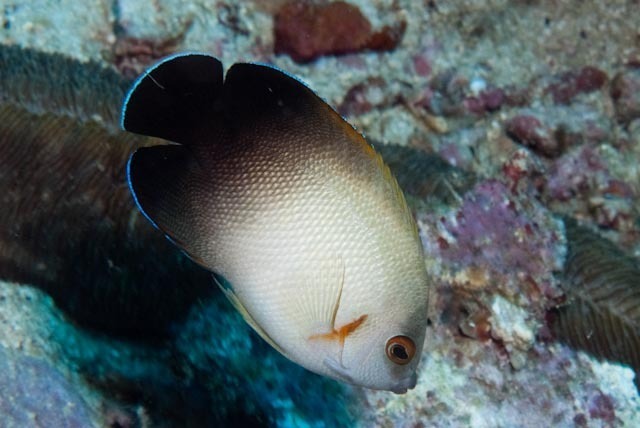
Half Black Angelfish (Centropyge Vrolikii)
Half Black Angelfish care is straightforward in mature tanks, but reef safety is never guaranteed. Learn feeding, tank…
 By
By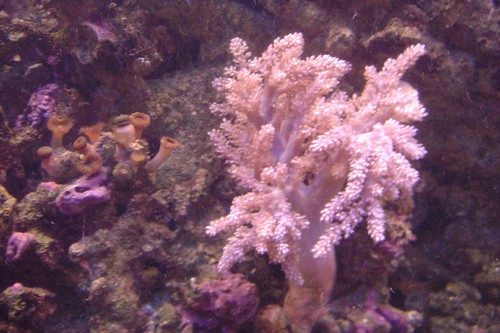
Kenya Tree Corals
Kenya Tree corals are hardy soft corals with easy care, moderate light needs, and fast growth. Learn placement,…
[favorite_button]
My Bookmarks:
To see full list click here
[user_favorites user_id="" include_links="true" site_id="" post_types="" include_thumbnails="true" thumbnail_size="thumbnail" include_excerpt="false"]