

Reef fish disease symptoms often start small. A fish may hide more, breathe faster, stop eating, or show white spots. Early action matters. If you can spot the warning signs fast, you can often save the fish and protect the whole tank.
Many reef keepers lose fish because symptoms look vague at first. A clownfish may hover near flow. A tang may flash against rock. An angelfish may develop cloudy eyes after stress. These signs can point to parasites, bacterial infections, poor water quality, or aggression. This guide explains the most common reef fish disease symptoms, what they usually mean, and what steps to take next. You will also learn how to tell disease apart from stress, how to use quarantine, and when a display tank problem is really a husbandry problem.
Quick Reference Table
| Symptom | Common Causes | Urgency | First Step |
|---|---|---|---|
| White spots | Marine ich, sand irritation, stress | High | Observe closely and move fish to quarantine if spots persist |
| Dusty coating | Marine velvet | Critical | Immediate quarantine and treatment |
| Rapid breathing | Gill parasites, ammonia, low oxygen | Critical | Test water and increase aeration |
| Flashing or scratching | Ich, flukes, irritation | High | Inspect body and gills, monitor tankmates |
| Cloudy eyes | Injury, bacterial infection, poor water quality | Moderate | Check water quality and watch for swelling |
| Frayed fins | Fin rot, nipping, stress | Moderate | Check aggression and isolate if needed |
| Loss of appetite | Stress, internal parasites, infection | High | Check behavior, feces, and recent changes |
| Bloating | Constipation, internal infection, parasites | Moderate | Stop heavy feeding and observe waste |
| Open sores | Bacterial infection, injury | High | Move to hospital tank and keep water pristine |
| Stringy white feces | Internal parasites, starvation | Moderate | Review feeding and consider medicated food |
How to Read Reef Fish Behavior Before Visible Symptoms Appear
Behavior changes often appear before body lesions. This is why daily observation matters. Healthy reef fish usually swim with purpose. They respond to food quickly. They hold normal posture. They interact with the tank in predictable ways.
A sick fish often acts differently before it looks sick. It may stay in a corner. It may hide during feeding. It may drift in strong flow. Some fish clamp their fins close to the body. Others breathe hard while sitting still. These signs suggest stress or early disease.
Watch for flashing too. Flashing means a fish rubs against rock or sand. This often points to skin irritation. Parasites are a common cause. Gill flukes and marine ich are frequent suspects. Also watch for yawning or gill flaring. These signs can suggest gill irritation.
Do not assume every odd behavior is disease. A new fish may hide for several days. A bullied fish may stop eating. A fish added after shipping may breathe quickly from stress. The key is pattern and progression. If symptoms worsen over one to three days, act fast.
Common Reef Fish Disease Symptoms and What They Usually Mean
White spots are the symptom hobbyists search most often. Persistent salt-like spots usually suggest marine ich. These spots may come and go. That does not mean the disease is gone. The parasite has life stages. Fish often look better briefly, then worse again.
A fine gold or tan dusting is more dangerous. This often points to marine velvet. Velvet can kill fast. Fish may show heavy breathing before visible coating appears. Many deaths happen because hobbyists mistake velvet for ich and wait too long.
Cloudy eyes can have several causes. Injury is common. Poor water quality is also common. If one eye is cloudy, think trauma first. If both eyes look cloudy, think water quality or infection. Swelling around the eye raises concern for bacterial involvement.
Frayed fins can come from aggression or fin rot. Torn edges with clean splits often mean nipping. Ragged fins with redness suggest infection. Pale patches, ulcers, and open sores usually point to bacterial disease or severe injury. Mucus sloughing can suggest brooklynella, especially in clownfish.
Weight loss despite eating is another red flag. Internal parasites are possible. So is chronic stress. Stringy white feces can support the parasite theory, though it is not always definitive. Use the full symptom picture before deciding on treatment.
Symptoms That Point to Water Quality Problems
Not every sick-looking fish has an infection. Reef tanks with unstable chemistry can cause disease-like symptoms. Rapid breathing is a prime example. It can mean gill parasites. It can also mean ammonia, low oxygen, or a pH swing.
If several fish show distress at once, test the water first. Check ammonia, nitrite, nitrate, pH, salinity, and temperature. Also check for equipment failure. A heater problem, clogged return, or dead pump can trigger a tank-wide emergency. Fish gasping near the surface often means oxygen trouble.
Cloudy water can worsen stress. So can a sudden salinity change. Reef fish handle stable parameters better than perfect numbers. Stability matters most. If your fish look off after a water change, suspect salinity mismatch, temperature swing, or contamination from tools or hands.
Poor water quality also weakens immunity. That makes true disease outbreaks more likely. A fish with minor parasite exposure may cope well in a stable tank. The same fish may crash in a tank with ammonia or low oxygen. Always correct husbandry issues alongside treatment.
Step-by-Step: What to Do When You Notice Disease Symptoms
- Observe the fish for five to ten minutes. Look at breathing, posture, appetite, and skin.
- Check whether one fish is affected or several. Tank-wide symptoms often suggest water issues.
- Test ammonia, nitrite, nitrate, pH, salinity, and temperature right away.
- Inspect for visible signs. Look for spots, dusting, torn fins, excess mucus, or swollen eyes.
- Review recent changes. New fish, new coral, missed maintenance, and aggression all matter.
- Move the fish to quarantine if symptoms look infectious or are getting worse.
- Increase aeration in both quarantine and display if breathing is elevated.
- Choose treatment based on likely cause. Do not medicate blindly in a reef display.
- Keep notes and photos. Symptom progression helps confirm the diagnosis.
- Monitor all tankmates for at least several weeks. Many diseases spread before signs appear.
This process prevents panic decisions. It also helps you avoid a common mistake. Many reef keepers treat the wrong disease first. That wastes time. Fast diagnosis gives fish the best chance.
Quarantine and Hospital Tanks
A quarantine tank is one of the best disease tools in reef keeping. It gives you a controlled place to observe and treat fish. Medications that are safe in quarantine may harm corals, snails, shrimp, and biological filtration in a reef display.
A basic hospital tank can be simple. Use a bare tank, heater, sponge filter, lid, and PVC fittings for shelter. Match salinity and temperature to reduce stress. Keep the environment quiet. Sick fish need low stress and high oxygen.
Quarantine is also useful before symptoms appear. New arrivals often carry parasites without obvious signs. Observation and preventive protocols reduce the risk of infecting your display. This matters most with ich, velvet, brooklynella, and flukes.
If you do not have a quarantine tank ready, set one up before buying more fish. It is cheaper than losing livestock. It also protects years of work in a mature reef.
Common Problems
Why is my reef fish breathing fast?
Rapid breathing is one of the most urgent reef fish disease symptoms. Common causes include velvet, gill flukes, ammonia, and low oxygen. Test water immediately. Add surface agitation. If only one fish is affected, inspect for parasites. If all fish are affected, suspect a tank issue first.
Why does my fish have white spots that disappear?
This pattern often matches marine ich. The visible spots can drop off during the parasite life cycle. The fish is not cured when the spots vanish. Continue observation and prepare quarantine. Waiting for the next wave often leads to a worse outbreak.
Why is my clownfish producing excess slime?
Heavy mucus on clownfish raises concern for brooklynella. This disease can progress quickly. Clownfish may breathe hard, stop eating, and peel mucus from the skin. Immediate isolation is wise. Poor water quality can worsen the presentation, so test the tank too.
Why is my fish not eating but looks normal?
Loss of appetite may be the first sign of stress or disease. Check for bullying, recent additions, salinity swings, and hidden body symptoms. Internal parasites are possible if weight loss follows. Some fish also refuse food after shipping stress. Offer varied foods and observe closely.
Why are my fish getting sick after adding a new fish?
New fish commonly introduce parasites. The display may then show symptoms days or weeks later. Stress from territorial disputes also lowers resistance. This is why quarantine matters. One untreated fish can expose every fish in the system.
Prevention Tips for Long-Term Reef Fish Health
Prevention is easier than treatment. Quarantine all new fish when possible. Feed a varied diet. Keep salinity stable. Avoid sudden temperature swings. Maintain strong gas exchange. Do not overcrowd the tank. Reduce aggression with smart stocking order and enough hiding places.
Good nutrition supports immune function. Herbivores need regular algae foods. Carnivores need quality frozen and prepared diets. Soak foods if needed, but do not rely on supplements alone to fix chronic stress. Stable husbandry always comes first.
Routine observation is your best diagnostic tool. Spend a few minutes each day watching the tank before feeding. Small changes are easier to catch then. Early intervention saves fish, money, and frustration.
Helpful reading on FancyReef: reef tank parameters, quarantine tank setup, marine ich treatment, clownfish care, and reef tank maintenance.
Frequently Asked Questions
Can reef fish recover from disease on their own?
Sometimes mild stress symptoms improve on their own. True infectious diseases usually do not resolve without action. The fish may look better briefly, then relapse. Observation alone is risky with fast killers like velvet.
Are white spots always marine ich?
No. Sand grains, lymphocystis, and other irritations can mimic ich. Look at behavior too. Scratching, recurring spots, and spread to other fish make ich more likely.
Should I treat my display tank?
Most medications should not go into a reef display. Corals and invertebrates can be harmed. A separate hospital tank is safer and more effective for diagnosis and treatment.
How fast can marine velvet kill fish?
Very fast. Some fish decline within one to two days after obvious symptoms appear. Heavy breathing and a dusty sheen should be treated as an emergency.
What is the first thing I should do when a fish looks sick?
Test the water and observe the fish closely. Those two steps rule out many causes. Then decide whether quarantine is needed based on symptoms and progression.
Was this helpful?
Related Posts
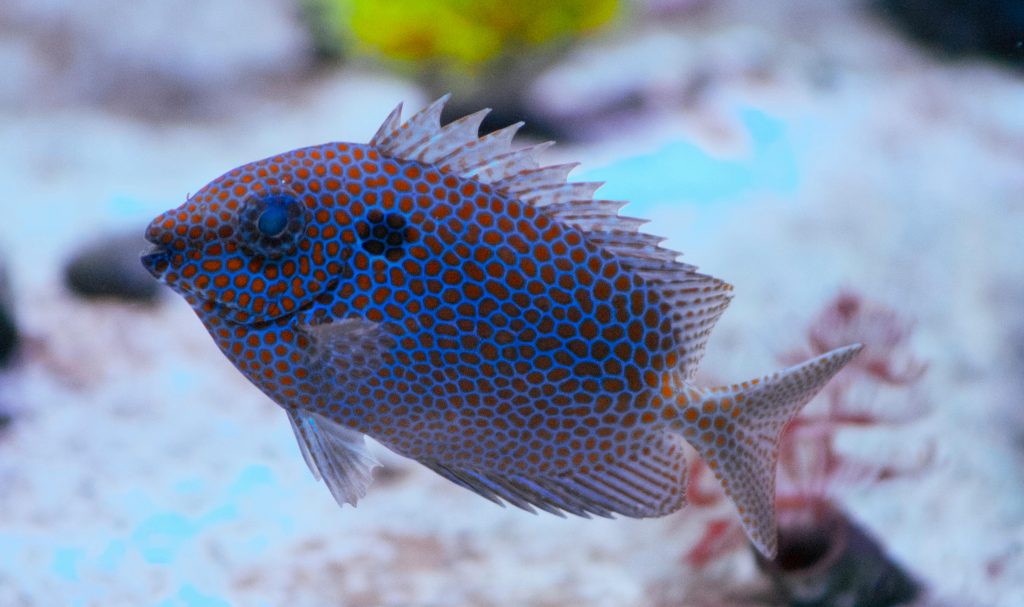
Gold Spotted Rabbitfish (Siganus Punctatus)
Gold Spotted Rabbitfish care includes large tanks, heavy algae feeding, and caution with corals. Learn tank size, diet,…
 By
By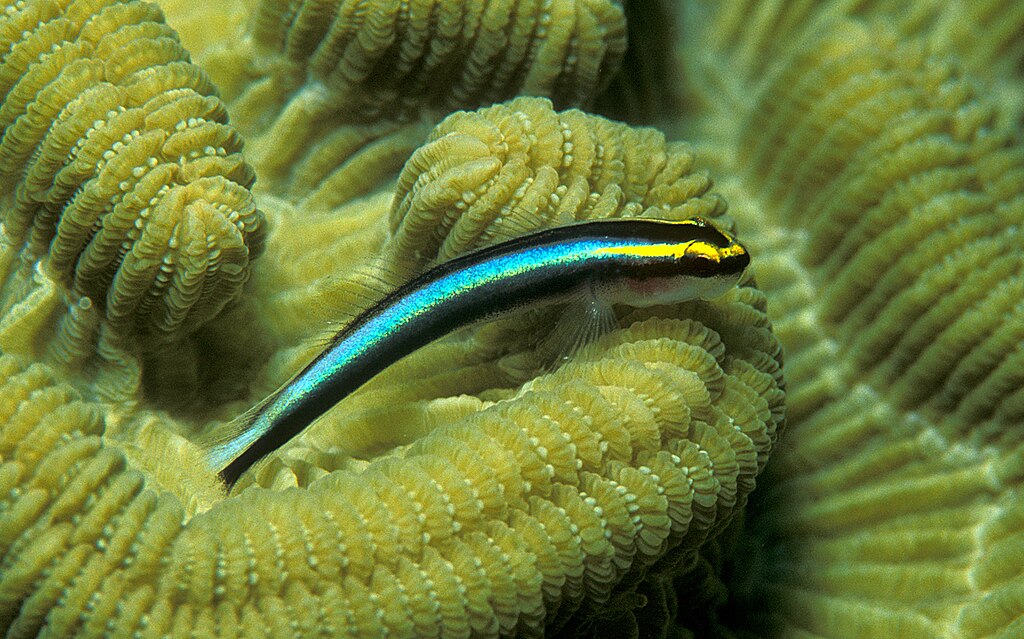
Sharknose Goby (Elacatinus evelynae)
Sharknose Goby care is simple in stable reef tanks. Learn feeding, tank setup, compatibility, and common problems for…
[favorite_button]
My Bookmarks:
To see full list click here
[user_favorites user_id="" include_links="true" site_id="" post_types="" include_thumbnails="true" thumbnail_size="thumbnail" include_excerpt="false"]