Reef-safe invertebrates add movement, color, and useful jobs to a marine tank. They can also fail fast if you pick the wrong species or skip acclimation. This guide helps you choose hardy options and keep them thriving.
Start with compatibility and stable parameters
“Reef-safe” means different things in different tanks. A peppermint shrimp may ignore corals, yet steal food from LPS. A hermit crab may behave for months, then attack snails when hungry. Always match the invertebrate to your fish, coral, and feeding style.
Most invertebrates need tight stability more than perfect numbers. Aim for salinity 1.025–1.026, temperature 25–26°C (77–79°F), and pH 8.1–8.4. Keep ammonia and nitrite at 0 ppm at all times. Keep nitrate under 10–20 ppm for mixed reefs. Keep phosphate near 0.03–0.10 ppm for balance.
Calcium, alkalinity, and magnesium matter for snails, urchins, and shrimp molts. Target alkalinity 8–9 dKH, calcium 400–450 ppm, and magnesium 1250–1350 ppm. Sudden swings cause failed molts and shell erosion. Test weekly in new tanks, then adjust to consumption.
Acclimation is the make-or-break step. Many losses come from salinity shock. Use drip acclimation for 45–90 minutes for shrimp, crabs, and snails. Match salinity within 0.001 before release. For more setup basics, see reef tank parameters and quarantine for reef tanks.
- Check specific gravity with a calibrated refractometer, not swing-arm tools.
- Never expose starfish and urchins to air during transfer.
- Run carbon after dosing medications in a display tank.
Top reef-safe picks and what they actually do
Snails are the safest cleanup crew base. Trochus snails eat film algae and can right themselves. Start with 1 snail per 5–10 gallons, then adjust to algae supply. Nassarius snails stir sand and eat leftover meaty foods. They do not eat algae, so do not overbuy them.
Shrimp add personality and useful services. Skunk cleaner shrimp often pick at fish and eat scraps. Feed them 2–3 times per week with small meaty bits. Peppermint shrimp may help with aiptasia, yet results vary by species and tank. Keep shrimp away from aggressive wrasses and hawkfish.
Crabs are mixed risk. Small hermits can help with detritus, yet they may kill snails for shells. If you use them, add extra empty shells in mixed sizes. Emerald crabs can eat bubble algae, yet some nip soft corals when hungry. Keep one per 30–50 gallons and watch behavior at night.
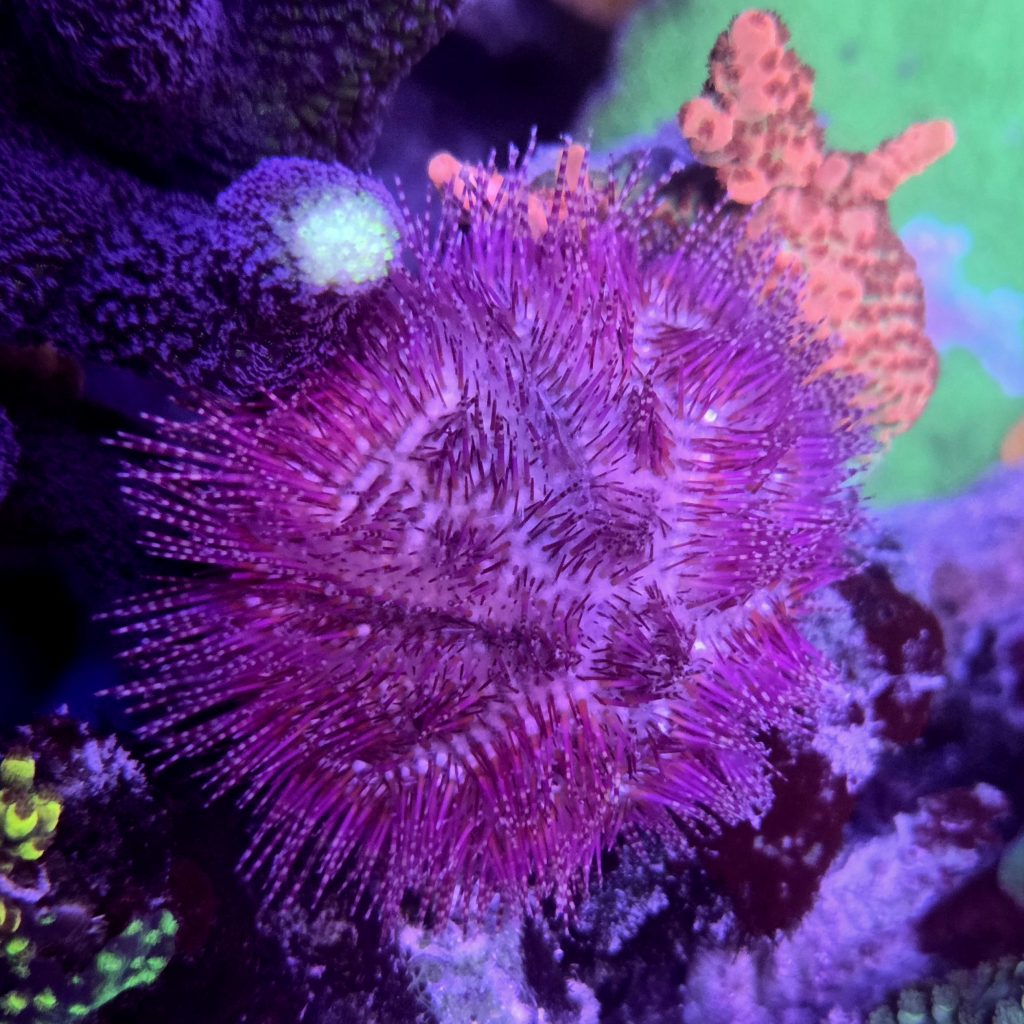
Urchins and sea cucumbers are powerful, but need planning. Tuxedo urchins graze algae and carry frags, so secure loose corals. Provide nori if algae runs low. Sand-sifting cucumbers can be helpful in larger tanks, yet they can starve in small systems. Aim for 75 gallons or more with mature sand beds. For safer stocking plans, see clean-up crew guide.
- Start small and add slowly over 3–4 weeks.
- Feed the crew when algae is low. Use nori and sinking pellets.
- Choose one “job” per animal. Avoid overlapping roles too heavily.
Common problems and simple troubleshooting
Sudden snail deaths often point to salinity swings or low alkalinity. Check dKH and specific gravity first. Also check for copper exposure. Even trace copper can kill invertebrates. Avoid “fish-only” medications in a reef display.
Failed shrimp molts often come from poor iodine myths and real instability. You rarely need to dose iodine in a mixed reef. Focus on stable salinity and alkalinity instead. Provide hiding spots with rock caves and overhangs. Molting shrimp are easy targets for fish.
If crabs attack snails, assume hunger or shell shortage. Increase feeding slightly and add empty shells. If the problem continues, remove the crab. If an urchin strips coralline, it may be underfed. Clip a 2 x 2 inch nori sheet to a rock twice weekly.
Do not add delicate stars in new tanks. Many starfish starve in clean systems. If you want a star, consider a brittle star that scavenges. Keep hands out of the tank after using soap or lotion. Residues can irritate invertebrates quickly.
- Quarantine new inverts in a small tank with matching salinity for 7–14 days.
- Inspect for hitchhikers like predatory crabs and sundial snails.
- Use a coral dip for frags, but never dip shrimp or snails.
Reef-safe invertebrates thrive when the tank is stable and the crew is right-sized. Choose species with clear roles and low risk. Add them slowly, feed them on purpose, and watch behavior after lights out.
Sources: Borneman, E. “Aquarium Corals”; Delbeek & Sprung, “The Reef Aquarium” Vol. 1–3; Fenner, R. “The Conscientious Marine Aquarist”; Calfo & Fenner, “Reef Invertebrates.”
Was this helpful?
Related Posts
Dragonets Fish Care
Dragonets are beautiful reef fish, but they need mature tanks and steady food sources. Learn how to keep…
 By
ByLighting For Aquarium
Lighting for Aquarium: Getting Saltwater Illumination Right Lighting for a saltwater aquarium is about much more than simply…