

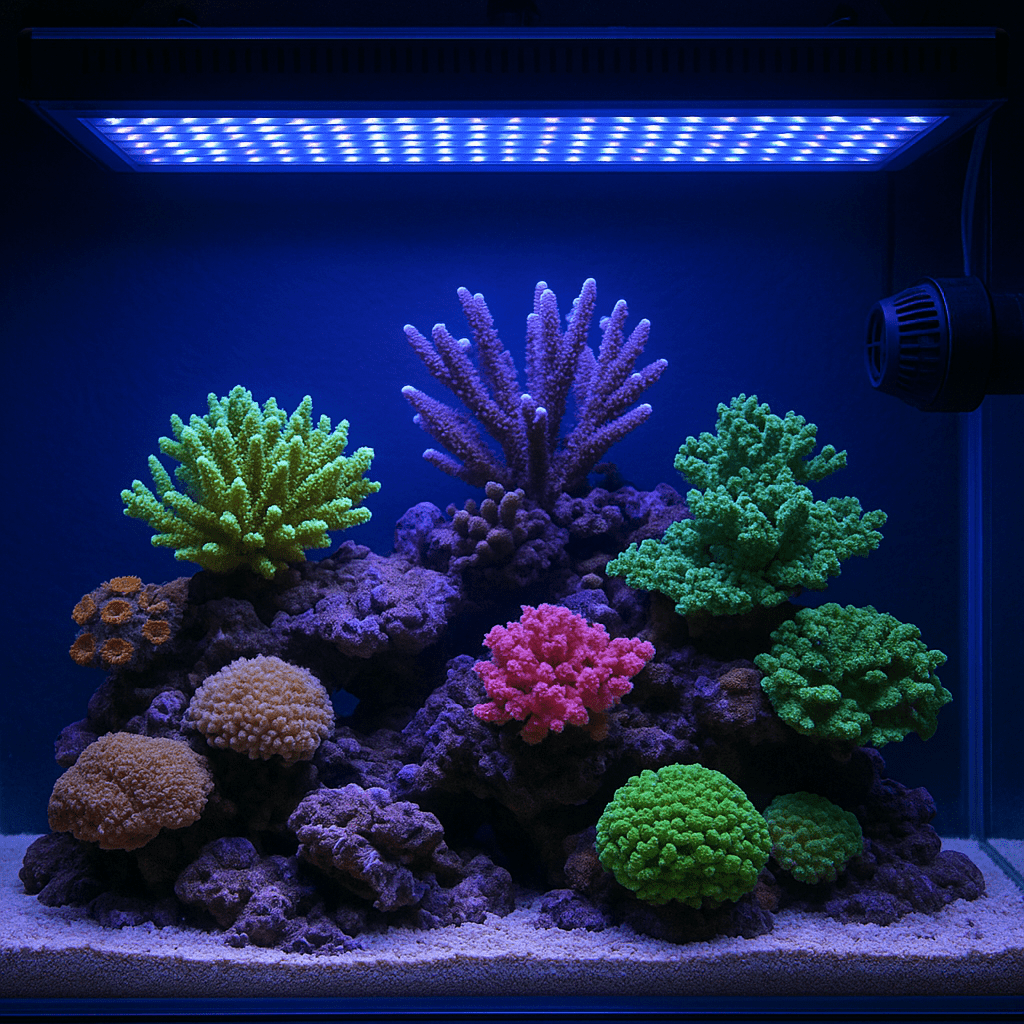
A reef tank equipment guide helps you buy the right gear from the start. Focus on stable filtration, strong water movement, proper lighting, and reliable monitoring. Good equipment makes coral care easier, reduces common mistakes, and gives your reef a better chance to thrive long term.
Many new reef keepers feel overwhelmed by equipment lists. That is normal. Reef tanks use more gear than most freshwater setups. Each piece has a job. Some equipment is essential. Some is helpful but optional. The key is knowing what matters most for your goals, budget, and tank size. In this guide, you will learn what each major piece of reef tank equipment does, how to choose it, and where beginners often overspend or undersize. You will also see setup tips, common mistakes, and upgrade advice for mixed reefs, soft coral tanks, and SPS-focused systems.
Quick Reference Equipment Table
| Equipment | Essential? | What It Does | Beginner Tip |
|---|---|---|---|
| Tank and stand | Yes | Holds the system safely | Buy the biggest tank your space allows |
| Return pump | Yes for sump systems | Moves water from sump to display | Choose a controllable DC model if possible |
| Powerheads | Yes | Create internal flow for corals | Aim for broad, random flow |
| Heater | Yes | Maintains stable temperature | Use a controller for safety |
| Protein skimmer | Usually | Removes waste before it breaks down | Size for your real bioload, not marketing claims |
| Lighting | Yes for corals | Provides energy for photosynthesis | Match light to coral type |
| ATO system | Strongly recommended | Replaces evaporated water | Helps keep salinity stable |
| RODI unit | Strongly recommended | Makes pure source water | Prevents nuisance algae issues |
| Test kits | Yes | Track water chemistry | Start with salinity, alkalinity, nitrate, phosphate |
| Doser | Optional at first | Adds supplements automatically | Useful once coral demand increases |
What Equipment Does a Reef Tank Really Need?
Every reef tank needs a few core systems. You need a tank, saltwater, heat, water movement, and biological filtration. If you plan to keep corals, you also need reef-capable lighting. Beyond that, equipment choices depend on your livestock and maintenance style. A beginner soft coral tank can run with less gear than a packed SPS system.
Think in terms of stability. Stable temperature matters more than fancy gadgets. Stable salinity matters more than chasing additives. Stable alkalinity matters more than buying the most expensive light. Good reef equipment supports that stability. It should also be easy to clean and simple to maintain. Complicated systems often fail from neglect. Reliable basics usually win. If you are building your first reef, spend money on quality where failure causes damage. That means heaters, pumps, lights, and source water purification. You can upgrade other items later as coral demand grows.
Tank, Stand, and Sump Choices
The aquarium itself shapes every equipment decision. Larger tanks are usually easier to keep stable. Small tanks change fast. Salinity swings happen quicker. Temperature shifts happen faster. Nutrients can spike in a day. For beginners, a tank between 40 and 75 gallons is often a sweet spot. It gives enough water volume without becoming too expensive.
A strong stand matters just as much. Saltwater is heavy. The stand must support the full system safely. Many reef keepers choose a sump under the display. A sump adds water volume and hides equipment. It also gives space for a skimmer, heater, probes, and filter media. Sump systems look cleaner and offer more flexibility. All-in-one tanks are also great for beginners. They save space and simplify plumbing. If you want ideas for system planning, see: reef tank setup guide. If you are comparing display sizes, read: best reef tank size for beginners.
Filtration Equipment Explained
Reef filtration is not one single device. It is a combination of biological, mechanical, and chemical filtration. Live rock handles most biological filtration. Beneficial bacteria convert toxic ammonia into nitrite, then nitrate. That is the heart of the nitrogen cycle. Mechanical filtration removes particles before they break down. Filter socks, filter floss, and roller mats do this job.
Chemical filtration targets dissolved compounds. Activated carbon helps remove yellowing compounds and toxins. GFO can reduce phosphate when needed. A protein skimmer is often the most valuable filtration upgrade. It removes dissolved organics before they become nitrate and phosphate. It also improves gas exchange. That helps keep pH more stable. Do not oversize your skimmer too aggressively. Many oversized skimmers perform poorly on lightly stocked tanks. Clean the cup often. Dirty skimmers lose efficiency fast. For a deeper look at nutrient control, visit: reef tank filtration basics.
Return Pumps and Water Flow Equipment
Flow is critical in a reef tank. Corals need moving water to deliver oxygen and nutrients. Flow also helps remove waste and detritus. In sump systems, the return pump sends water back to the display. This pump does not replace internal flow. It only handles system turnover between the display and sump.
Powerheads or wavemakers create the internal circulation corals need. Most reef tanks need more than one source of flow. Random, turbulent flow works better than a narrow jet. Soft corals usually prefer moderate flow. LPS often like gentle to moderate indirect flow. SPS corals need stronger, more chaotic movement. Dead spots let detritus settle and fuel algae. Place pumps so debris stays suspended long enough for filtration to remove it. Controllable pumps make tuning easier. They also let you create pulse modes and feeding pauses. Clean pumps regularly. Coralline algae and calcium buildup reduce output over time.
Lighting Requirements for Reef Tanks
Lighting is one of the most discussed reef equipment topics. Corals contain symbiotic algae called zooxanthellae. These algae use light to make energy. Different coral groups need different light intensity. Soft corals usually tolerate lower to moderate light. Many LPS corals prefer moderate light. SPS corals often need higher PAR and better spread.
Modern reef lights are usually LED fixtures. They run cool, offer control, and support coral growth when chosen well. Spread matters as much as intensity. One strong light can still leave shaded areas. Many aquarists use two fixtures or hybrid systems for even coverage. Avoid changing intensity too fast. Corals can bleach under sudden increases. Use acclimation modes when available. Mount lights at the recommended height. Then verify output with a PAR map if possible. Cheap lights can work on simple tanks, but spectrum stability, spread, and support often improve with better brands. If you are comparing options, see: best reef lighting for corals.
Heating, Cooling, and Temperature Control
Temperature stability is vital in reef systems. Most reef tanks do well around 77 to 79 degrees Fahrenheit. The exact number matters less than consistency. Daily swings stress fish and corals. Heaters are simple devices, but they can fail on or off. That is why many experienced reef keepers use a heater controller or aquarium controller.
Use two smaller heaters instead of one large heater when possible. That reduces risk if one sticks on. Place heaters in an area with steady flow. That helps distribute heat evenly. In warm homes, cooling may also matter. A fan over the sump can lower temperature through evaporation. Chillers are more powerful, but they cost more and use more energy. Monitor temperature with a reliable digital thermometer. Do not trust a heater dial alone. Calibration checks matter. A few degrees off can cause long-term stress before you notice obvious symptoms.
RODI, Auto Top Off, and Water Mixing Gear
Good source water prevents many reef tank problems. Tap water often contains nitrate, phosphate, silicate, copper, or chloramines. Those contaminants can fuel algae and harm invertebrates. An RODI unit removes most of them. That makes it one of the smartest reef equipment purchases you can make. Pure water gives you control over what enters the tank.
An auto top off system, or ATO, replaces evaporated water with fresh RODI water. This keeps salinity stable every day. Manual top off works, but it is easy to forget. Salinity swings stress corals and fish. ATO systems are especially useful on smaller tanks, where evaporation has a bigger impact. You will also need a mixing container, heater, pump, and refractometer for making saltwater. Mix new saltwater fully before use. Match temperature and salinity before water changes. Stable water change habits improve reef success more than many expensive gadgets.
Testing, Monitoring, and Dosing Equipment
You cannot manage what you do not measure. At minimum, reef keepers should monitor salinity, temperature, alkalinity, nitrate, and phosphate. Calcium and magnesium become more important as stony coral growth increases. Reliable test kits matter. Poor test results lead to bad decisions. Refractometers should be calibrated. Digital salinity meters should be checked often.
Dosing equipment becomes useful when coral demand outpaces water changes. Many tanks start with manual dosing. As coral growth increases, dosers add consistency. They can deliver alkalinity, calcium, and magnesium in small daily amounts. That reduces swings. Aquarium controllers can also monitor pH, temperature, leak detection, and power status. They add convenience and safety, but they are not required for every tank. Buy monitoring tools that solve a real problem. Do not collect gadgets without a purpose. Good habits still matter more than automation alone.
Step-by-Step Equipment Planning Guide
Start by choosing your tank size and coral goals. A soft coral tank needs less intense lighting and lower flow than an SPS system. Next, decide whether you want an all-in-one tank or a sump. Then list the essential gear first. That includes heater, flow pumps, light, source water solution, and test kits.
After that, choose filtration equipment that fits your stocking plan. Add a skimmer if you expect a moderate or heavy bioload. Pick a return pump and powerheads with some adjustment room. Then plan for maintenance. Buy spare pump parts, extra filter socks, and mixing containers early. Set up your electrical layout safely. Use drip loops and labeled plugs. Finally, cycle the tank before adding livestock. Test every device during this period. It is easier to fix noise, leaks, and flow issues before the tank is full of corals and fish.
Common Problems
Why is my reef tank getting too hot?
Heat usually comes from room temperature, pumps, and lighting. Check whether your heater is malfunctioning. Verify the thermometer first. Then inspect pump chambers for poor ventilation. Raise the light if it runs hot. Add a fan over the sump or display. Keep the tank away from windows. If summer heat is severe, a chiller may be necessary.
Why do I have dead spots and detritus buildup?
Your flow pattern is likely too narrow or too weak. Reposition powerheads so flow intersects. Aim for broad movement across the rockwork. Watch where food settles. That often reveals dead zones. Clean pumps often. Dirty impellers reduce output and create hidden performance loss.
Why are nutrients rising despite good equipment?
Equipment helps, but husbandry still matters. Overfeeding is a common cause. Dirty filter socks also trap waste and release nutrients. Skimmers lose efficiency when neglected. Test your source water. If your RODI filters are exhausted, you may be adding nutrients during top off and water changes.
Why are my corals fading under strong lights?
Light may be too intense, changed too quickly, or poorly balanced with nutrients. Corals can pale when PAR rises suddenly. Lower intensity and increase gradually. Keep nitrate and phosphate from bottoming out. Corals need both light and available nutrients for healthy color and growth.
Frequently Asked Questions
Do I need a protein skimmer on a reef tank?
Not always, but most reef tanks benefit from one. Skimmers improve nutrient export and gas exchange. Lightly stocked nano tanks can run without one if maintenance is strong.
Can I use tap water in a reef tank?
It is not recommended. Tap water often contains contaminants that fuel algae and harm invertebrates. RODI water is the safer choice for long-term reef success.
What is the most important reef tank equipment?
Stable heating, reliable flow, proper lighting, and pure source water matter most. These four areas affect coral health more than most optional upgrades.
How many powerheads does a reef tank need?
Most reef tanks need at least two flow sources for better circulation. The exact number depends on tank size, rock layout, and coral type.
Should beginners buy an aquarium controller?
It is helpful, but not required. Beginners usually get better value from quality basics first. Add a controller later if you want more safety and automation.
Final Thoughts
The best reef tank equipment is not always the most expensive. It is the gear that keeps your system stable, fits your livestock goals, and stays easy to maintain. Build around reliability first. Upgrade for convenience later. If you choose solid basics, test regularly, and avoid rushed purchases, your reef will be easier to manage and far more enjoyable to grow.
Was this helpful?
Related Posts
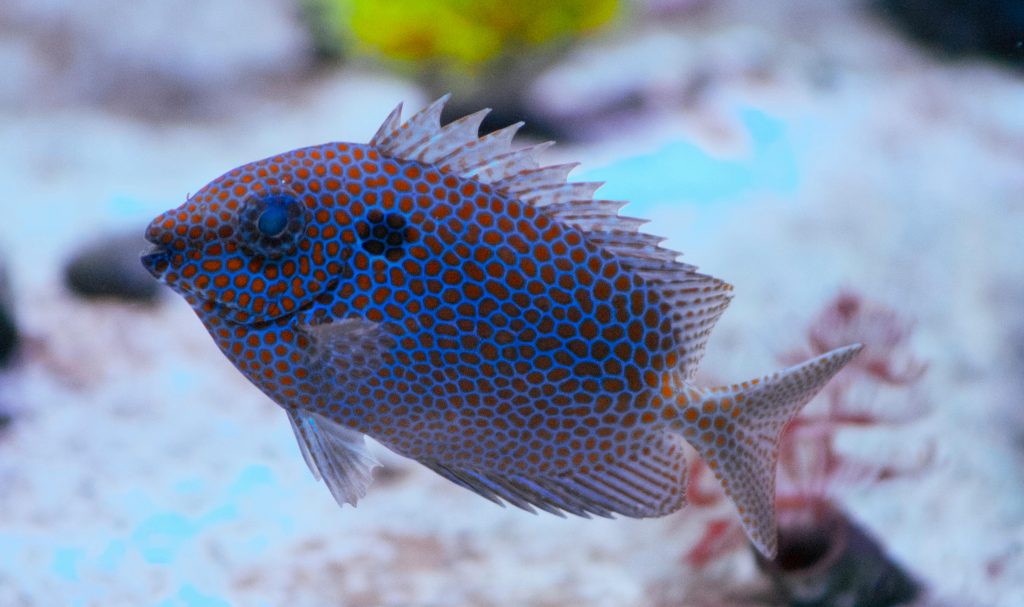
Gold Spotted Rabbitfish (Siganus Punctatus)
Gold Spotted Rabbitfish care includes large tanks, heavy algae feeding, and caution with corals. Learn tank size, diet,…
 By
By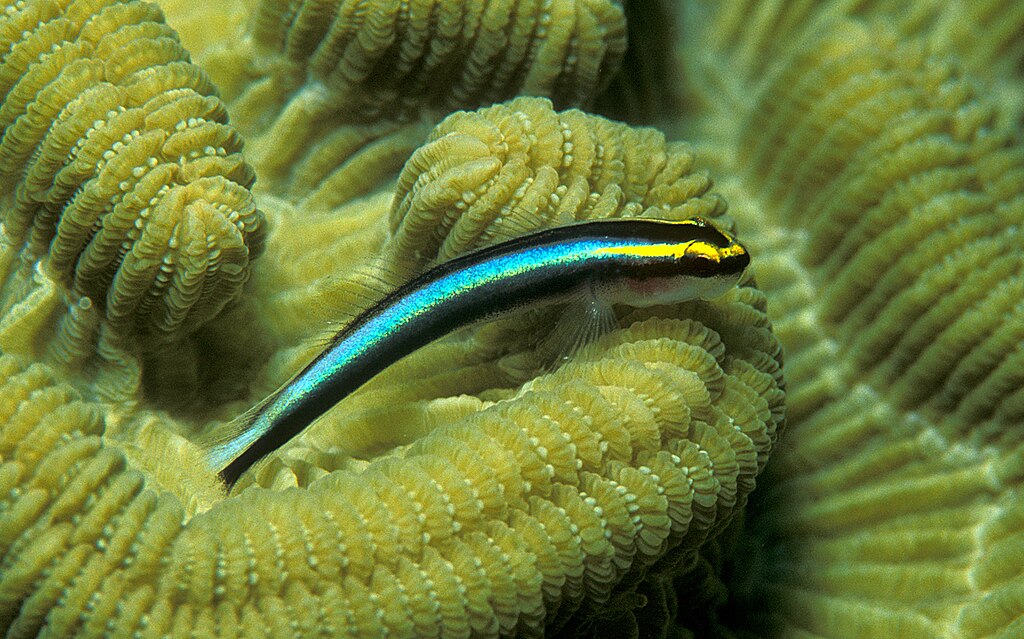
Sharknose Goby (Elacatinus evelynae)
Sharknose Goby care is simple in stable reef tanks. Learn feeding, tank setup, compatibility, and common problems for…
[favorite_button]
My Bookmarks:
To see full list click here
[user_favorites user_id="" include_links="true" site_id="" post_types="" include_thumbnails="true" thumbnail_size="thumbnail" include_excerpt="false"]