Getting Started With Saltwater Fish Care
Saltwater fish look stunning. They also need stable conditions to stay healthy. Start with research. Learn about each species before you buy anything.
Choose a tank that fits your long-term plans. Many beginners start too small. For saltwater fish, bigger is usually easier. A 40-gallon tank is a good starting point. Larger tanks handle mistakes better.
Match your fish to your tank size. Avoid impulse buys at the store. Check compatibility and adult size. Our guide on best beginner saltwater fish can help you plan a safe stocking list.
Essential Equipment Checklist
- Sturdy glass or acrylic tank
- Quality heater and reliable thermometer
- Protein skimmer for better water quality
- Powerheads for water movement
- Marine salt mix and refractometer
- Test kits for ammonia, nitrite, nitrate, and pH
Use a reef-safe sand or bare bottom. Avoid sharp gravel. It can damage fish.
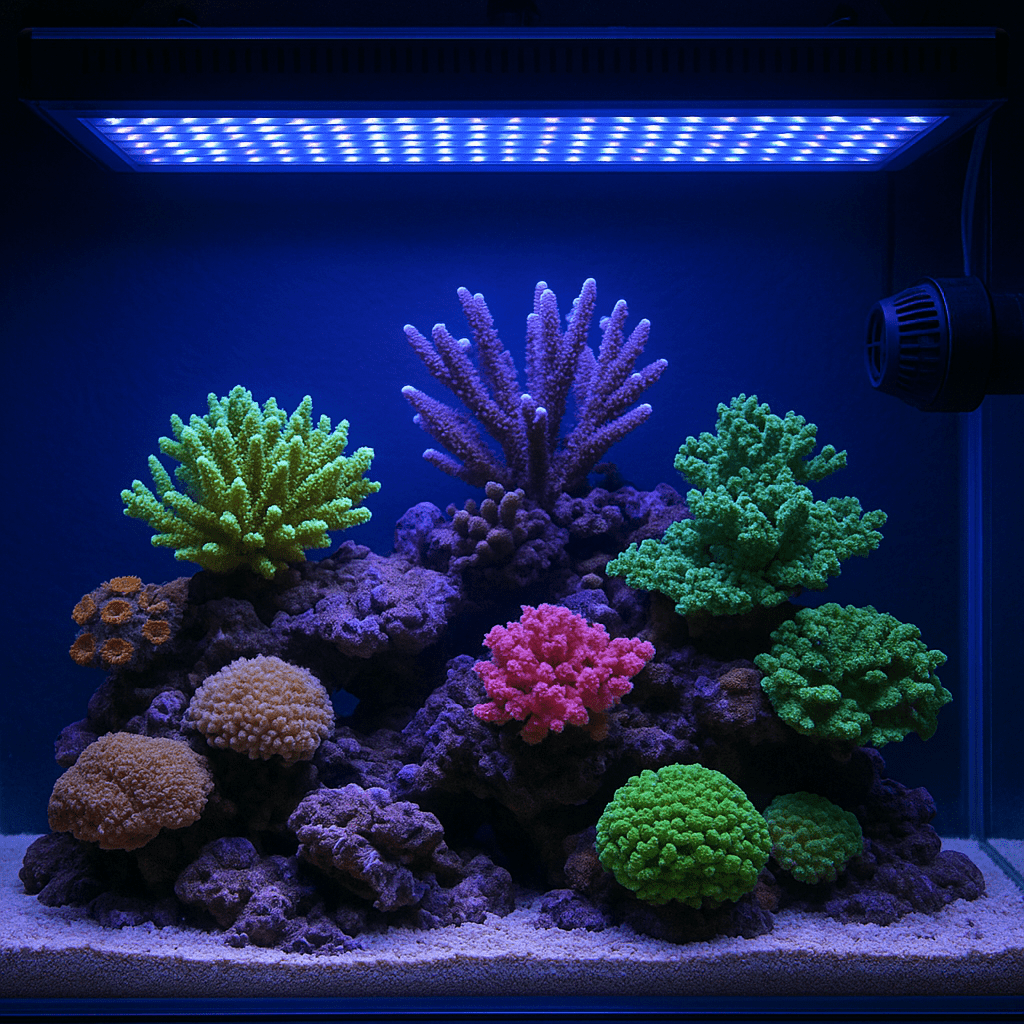
Set up rockwork with stability in mind. Stack rocks securely. Test them before filling the tank. You can read more in our article on aquascaping saltwater tanks.
Water Quality and Daily Care
Stable water is the heart of saltwater fish care. Sudden swings cause stress and disease. Mix saltwater in a separate container. Use RO/DI water if possible.
Target a specific salinity and keep it steady. Most fish do well around 1.023–1.025. Check salinity at least twice a week.
Basic Water Parameters
- Temperature: 76–80°F, stable within one degree
- Salinity: 1.023–1.025 specific gravity
- pH: 8.0–8.4
- Ammonia and nitrite: always 0 ppm
- Nitrate: ideally under 20 ppm
Test your water weekly. Record results in a simple log. Trends matter more than single tests.
Tip: Never add fish to a brand-new tank. Cycle the tank first. Add livestock slowly.
Feeding and Routine Maintenance
Feed small amounts once or twice daily. Only give what fish eat in two minutes. Overfeeding quickly pollutes water.
- Offer a mix of frozen and pellet foods
- Rinse frozen foods before feeding
- Provide seaweed sheets for herbivores
Perform regular water changes. Many hobbyists change 10–20 percent weekly. Siphon debris from the sand during changes.
Clean filter media as needed. Rinse it in old tank water, not tap water. This protects beneficial bacteria.
Watch your fish daily. Notice changes in appetite, breathing, or behavior. Early signs help you act fast. For more ongoing care ideas, see our saltwater tank maintenance schedule guide.
With patience and steady habits, your saltwater fish can thrive. Start simple. Learn as you go. Enjoy the process as much as the display.
Was this helpful?
Related Posts
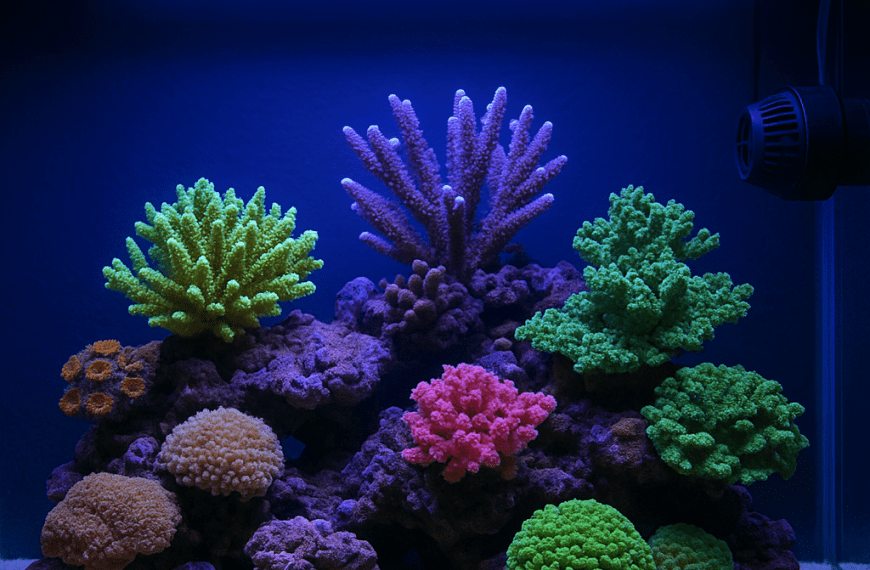
Reef Safe Fish for Beginners
Discover the best reef safe fish for beginners, plus tank size, feeding, and compatibility tips for a peaceful…
 By
By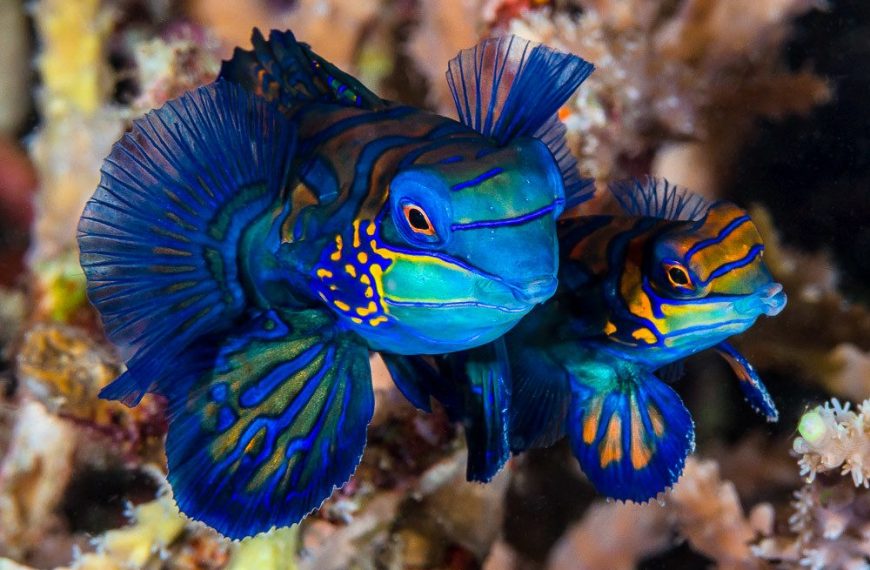
Dragonets Fish Care
Dragonets are beautiful reef fish, but they need mature tanks and steady food sources. Learn how to keep…