Reef tanks do best with steady, repeatable feeding. A simple schedule keeps fish healthy and nutrients controlled. This guide helps you build a routine that fits your livestock and filtration.
Start with your tank goals and nutrient targets
Decide what you are feeding for. Fish growth needs more calories. Coral color often needs lower nutrients and steady trace intake. Mixed reefs need balance and consistency.
Set measurable targets before you change food. Aim for salinity 1.025–1.026 and temperature 77–79°F. Keep alkalinity stable at 8–9 dKH. Hold nitrate around 2–15 ppm and phosphate 0.03–0.10 ppm.
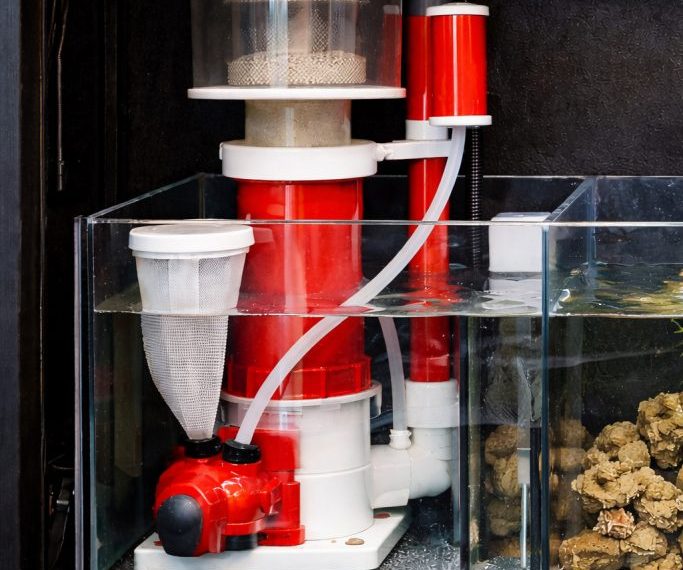
Match feeding to export. A skimmer, refugium, and filter socks can support heavier feeding. A small nano with no skimmer cannot. If nutrients climb fast, reduce portions or increase export.
Use a baseline schedule for two weeks. Track nitrate and phosphate twice weekly. Log what you feed and how much. Use a simple note in your aquarium maintenance log.
- Test nitrate and phosphate on the same days each week.
- Change only one variable at a time.
- Adjust portions by 10–20%, not by half.
Build a weekly reef feeding schedule that works
Feed fish small amounts one to three times daily. Most reefs do best with two feedings. Offer enough that fish finish in 30–60 seconds. Add a second small pinch if needed.
Use a rotating menu. Morning can be pellets or flakes with vitamins. Evening can be frozen mysis, brine, or a reef blend. Rinse frozen food in RO water to cut phosphate.
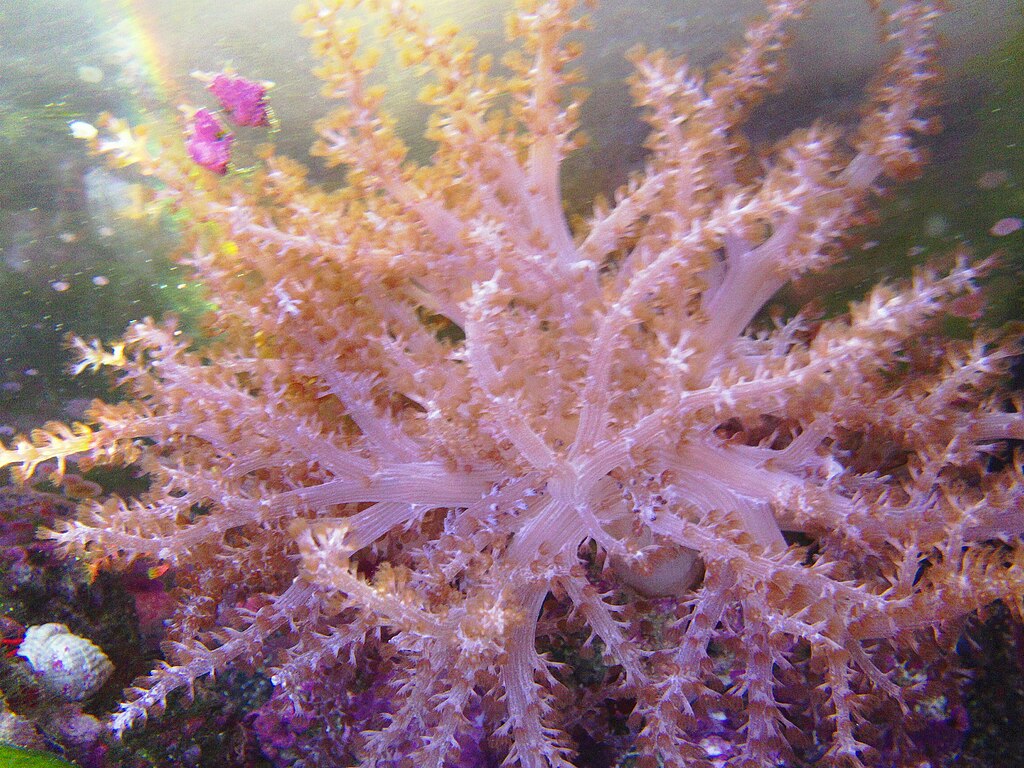
Coral foods work best after lights dim. Try 1–2 times per week at first. Turn off return pumps for 10 minutes. Keep powerheads on low for gentle suspension.
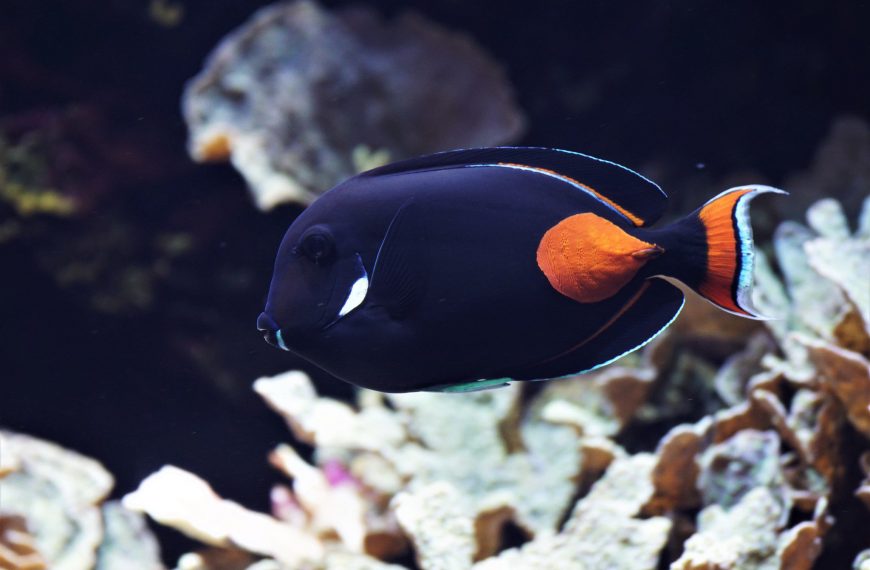
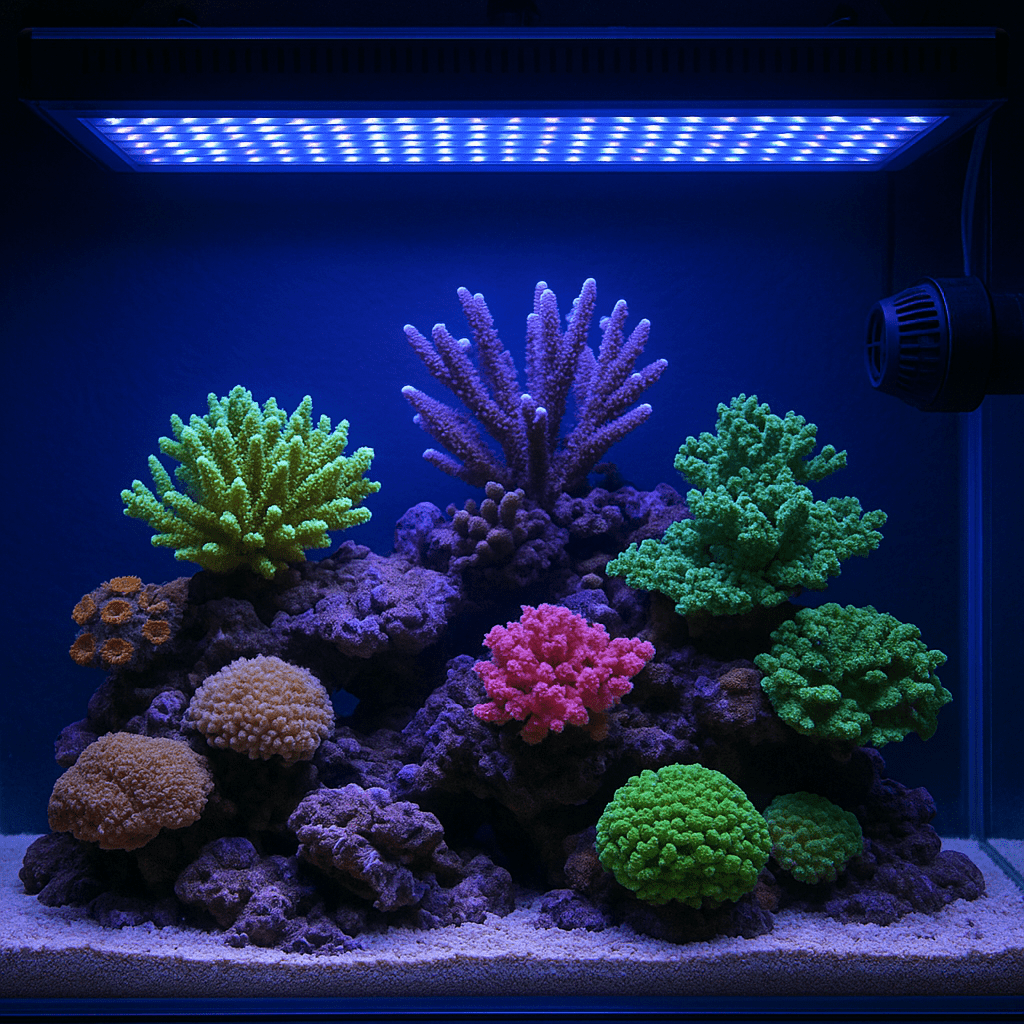
Here is a practical example for a 75-gallon mixed reef. Feed pellets at 9 a.m. and frozen at 7 p.m. Add nori for tangs every other day. Target feed LPS on Wednesday and Saturday.
- Daily: 2 fish feedings, each 30–60 seconds of consumption.
- 2–4x weekly: nori sheet, 2×2 inches, clipped for 2–3 hours.
- 1–2x weekly: coral food, start at 25–50% of label dose.
Automate when you can. An auto feeder helps with small pellet meals. Keep the drum sealed to avoid humidity clumps. Use your reef tank automation basics plan to stay consistent.
Troubleshoot common feeding problems and mistakes
Cloudy water after feeding often means too much fine food. Cut the dose by 20% for a week. Increase mechanical filtration during meals. Swap or rinse filter socks within 24 hours.
Rising nitrate with stable phosphate can mean trapped detritus. Vacuum a small area of sand weekly. Blow rockwork with a turkey baster before water changes. Check for dead spots behind rock.
Rising phosphate with low nitrate can happen with heavy frozen foods. Rinse frozen cubes and reduce oily blends. Consider a small amount of GFO or phosphate media. Go slow to avoid coral stress.
Fish that look thin need a different approach. Add one extra small feeding daily. Use higher-calorie foods like enriched mysis. Quarantine new fish and deworm if needed. Review your quarantine protocol for long-term success.
- Do not “make up” missed feedings with a large meal.
- Do not broadcast coral food into high flow.
- Do not chase zero nutrients in a mixed reef.
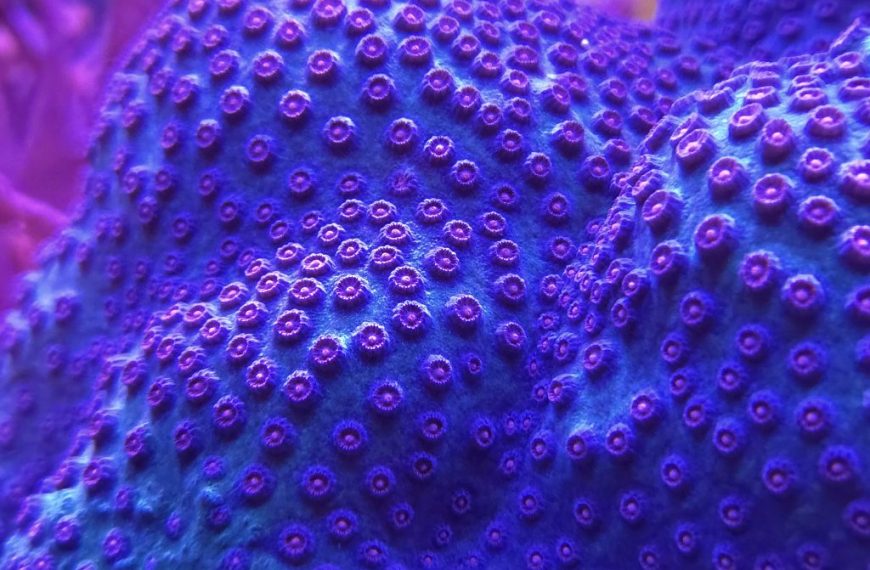
Watch your animals, not just test kits. Polyp extension and steady color are good signs. Algae blooms and dull tissue are warning flags. Make changes in small steps and wait one week.
Sources: Randy Holmes-Farley, “Phosphate and the Reef Aquarium”; Julian Sprung, The Reef Aquarium series; Eric Borneman, Aquarium Corals.
Was this helpful?
Related Posts
Protein Skimmer Reef Tank Guide
Learn how a protein skimmer works, how to size one, and how to tune it for a cleaner,…
 By
By
Reef Aquarium Water Parameters
Learn the ideal reef aquarium water parameters, safe ranges, and how to keep salinity, alkalinity, nutrients, and pH…