

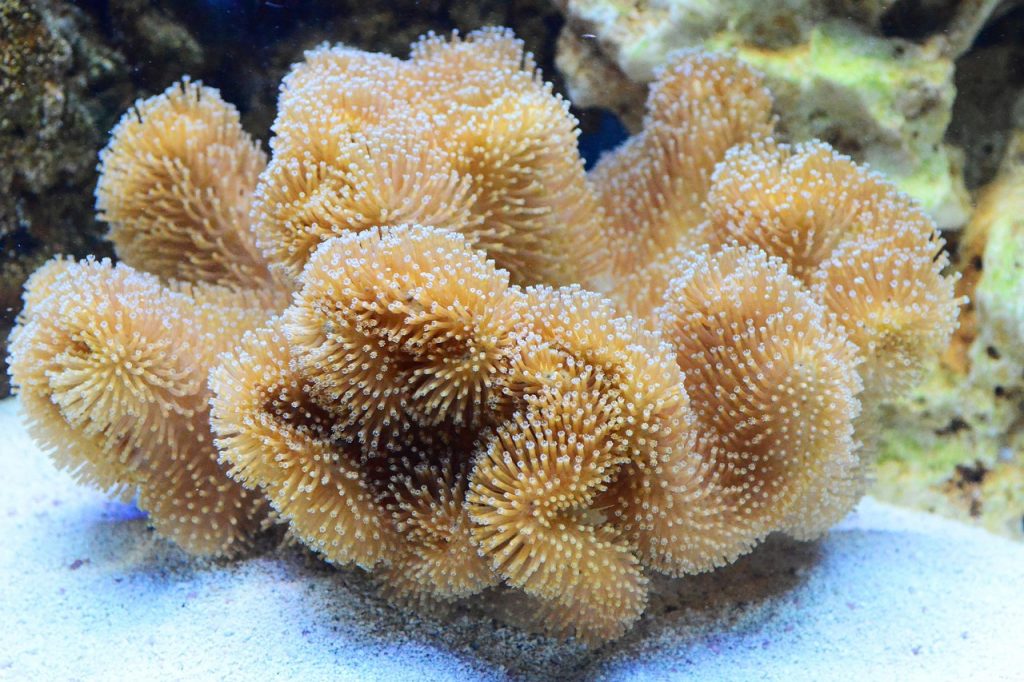
A soft coral reef tank is one of the best ways to start reef keeping. Soft corals are hardy, colorful, and forgiving of small mistakes. They thrive in stable water, moderate light, and steady flow. A well-planned soft coral system can look full and natural without the high demands of many SPS-dominated reefs.
Many reef hobbyists begin with soft corals because they combine beauty with practicality. Mushrooms, zoanthids, leathers, cloves, and toadstools can grow well in beginner-friendly systems. They also move with the current, which gives the aquarium a lively look. In this guide, you will learn how to build a soft coral reef tank, choose equipment, set water parameters, manage lighting and flow, feed properly, avoid common mistakes, and keep corals growing long term.
Soft Coral Reef Tank Quick Reference
| Category | Recommended Range |
|---|---|
| Tank Size | 20 gallons minimum, 40 gallons or larger preferred |
| Temperature | 76-78°F |
| Salinity | 1.025-1.026 specific gravity |
| pH | 8.1-8.4 |
| Alkalinity | 8-10 dKH |
| Calcium | 400-450 ppm |
| Magnesium | 1250-1400 ppm |
| Nitrate | 2-15 ppm |
| Phosphate | 0.03-0.10 ppm |
| Lighting | Low to moderate for most species |
| Flow | Moderate, varied, indirect |
These ranges suit most soft coral tanks. Stability matters more than chasing perfect numbers. Sudden swings cause more stress than slightly imperfect values.
Why Choose a Soft Coral Reef Tank
Soft coral tanks are attractive for several reasons. First, they are more forgiving than many stony coral systems. Most soft corals tolerate moderate nutrients well. They usually do not demand ultra-low nutrient water. That gives beginners more room for error. Second, soft corals add movement. Leather corals sway. Xenia pulses. Polyps extend and react to flow. This creates a natural reef look that many hobbyists love.
Soft coral tanks can also be more affordable. You can often use simpler lighting than an SPS reef requires. Many soft corals grow quickly once established. A few starter frags can fill the tank over time. That makes them great for aquarists who want a full display without chasing expensive collector pieces. They also pair well with many peaceful reef fish. If your goal is a colorful, active, and practical reef, a soft coral reef tank is a smart choice.
Natural Habitat
Soft corals occur across tropical reef regions. Many come from the Indo-Pacific. Others are found in the Red Sea and parts of the Caribbean. In nature, they often grow in areas with steady current and suspended food. Some live in brighter shallow zones. Others prefer lower light or turbid water. This wide range explains why many soft corals adapt well to aquarium life.
Unlike hard corals, soft corals do not build heavy calcium skeletons. Many rely on flexible tissue and tiny support structures called sclerites. This helps them bend with water movement. It also means they often handle variable flow better than rigid corals. In the wild, they compete for space and light. Some release chemicals to slow nearby rivals. This matters in aquariums too. Good spacing, carbon use, and smart coral placement help reduce chemical warfare in mixed soft coral tanks.
Aquarium Setup
A 20-gallon tank can work for a simple soft coral setup. A 40-gallon breeder or larger is easier to manage. More water volume means better stability. That helps with salinity, temperature, and nutrient control. Use quality live rock or dry rock with plenty of open structure. Leave room between islands if possible. This improves flow and gives corals space to expand.
A protein skimmer is useful but not always required on smaller systems. Mechanical filtration helps remove waste. Activated carbon is strongly recommended. Many soft corals release compounds into the water. Carbon helps reduce irritation between species. A reliable heater, thermometer, return pump, and powerheads are basic needs. An auto top-off system is a big upgrade. It keeps salinity stable and cuts daily maintenance. Add a sand bed if you like the look, but keep it clean. Detritus buildup can fuel nuisance algae and cyanobacteria.
Lighting Requirements
Most soft corals prefer low to moderate light. That makes them easier to keep than many SPS corals. Mushrooms often prefer lower PAR. Toadstools, sinularia, and many zoanthids enjoy moderate light. Strong light can bleach some soft corals if introduced too fast. Weak light can lead to stretching, dull color, and poor growth. Aim for steady, appropriate intensity instead of maximum brightness.
As a rough guide, many soft corals do well around 50 to 150 PAR. Place lower-light species near the bottom or in shaded areas. Put moderate-light species higher on the rockwork. Acclimate all new corals slowly. Reduce intensity or use a light acclimation mode for the first week or two. Keep the photoperiod around 8 to 10 hours of full intensity. Blue-heavy reef lighting usually brings out the best fluorescence. Still, coral health matters more than color pop alone.
Water Flow
Soft corals need moderate, varied, indirect flow. Water movement helps them shed waste, exchange gases, and stay clean. It also prevents detritus from settling on tissue. Too little flow can cause closed polyps, algae buildup, and poor extension. Too much direct flow can keep corals retracted or damage delicate tissue.
Use at least one or two powerheads to create random movement. Avoid blasting corals from one fixed direction. Leathers and toadstools often enjoy stronger indirect flow than mushrooms. Xenia and cloves usually like gentle to moderate movement. Watch the coral’s response. Healthy soft corals should sway, not whip violently. If tissue folds over, shrinks all day, or looks irritated, adjust the flow pattern. Good flow also supports oxygen levels and helps the whole reef stay cleaner.
Water Chemistry and Stability
Soft corals are tolerant, but they still need stable reef parameters. Keep salinity between 1.025 and 1.026. Hold temperature near 76 to 78°F. Maintain alkalinity around 8 to 10 dKH. Calcium and magnesium should stay in normal reef ranges. Soft corals do not consume these elements as fast as stony corals, but they still benefit from stability.
Do not aim for zero nutrients. Many soft corals look better with measurable nitrate and phosphate. A completely stripped tank can cause pale tissue and weak growth. Nitrate between 2 and 15 ppm works well in many systems. Phosphate around 0.03 to 0.10 ppm is often safe and useful. Test regularly, especially in newer tanks. Weekly water changes help replace trace elements and export waste. If your tank is lightly stocked, water changes alone may cover most needs.
Best Soft Corals for Beginners
Some soft corals are especially beginner friendly. Toadstool leathers are hardy and attractive. Green star polyps are easy, but they spread fast. Zoanthids offer huge color variety. Mushrooms tolerate lower light and can thrive in many tanks. Kenya tree corals grow quickly and are forgiving. Pulsing xenia is fun to watch, though it can be invasive in nutrient-rich systems.
Choose species based on growth habit as well as appearance. Fast growers can overtake rockwork. Isolate invasive corals on separate islands when possible. This includes green star polyps, xenia, and some mushrooms. If you want a cleaner aquascape, focus on leathers, select zoanthids, and controlled mushroom placement. Start with a few easy frags. Let the tank mature before adding many types at once. This makes it easier to judge flow, light, and chemical compatibility.
Feeding
Many soft corals rely heavily on photosynthesis. They also benefit from dissolved organics and fine suspended foods. In a fish-filled reef, direct feeding is often optional. Fish waste and regular feeding can provide enough nutrients. Still, some tanks see better growth with occasional coral foods. Use fine particle foods, reef roids, phytoplankton, or broadcast plankton blends sparingly.
Do not overfeed. Excess food quickly raises nitrate and phosphate. That can trigger algae problems. Start once or twice per week and observe the tank. Leathers and mushrooms usually do not need target feeding. Zoanthids may capture small particles. If your soft corals look healthy, open fully, and grow steadily, your current nutrient level may already be enough. The goal is balance. Feed enough to support life, but not so much that the tank becomes unstable.
Compatibility
Soft corals are generally reef safe with peaceful fish and common clean-up crew animals. Clownfish, gobies, blennies, firefish, cardinals, and many wrasses work well. Avoid fish that nip coral tissue. Some angelfish and butterflyfish can damage soft corals. Crabs and hermits are usually fine, though large individuals may irritate frags by climbing on them.
Coral-to-coral compatibility matters too. Soft corals use both space and chemistry to compete. Leathers can release toxins that bother nearby corals. Use carbon and water changes to reduce this risk. Give colonies room to expand. Keep aggressive spreaders isolated. In mixed reefs, soft corals can irritate some LPS and SPS species over time. A dedicated soft coral reef tank avoids many of these conflicts and is often easier to manage.
Step-by-Step: How to Start a Soft Coral Reef Tank
- Choose a tank with enough volume for stability. Forty gallons is a great starting point.
- Install basic equipment. Use a heater, return pump, powerheads, and reef-capable lighting.
- Build open aquascape with room for coral growth and water movement.
- Cycle the tank fully before adding corals. Test ammonia, nitrite, and nitrate.
- Add a clean-up crew and a few hardy fish first.
- Stabilize salinity, temperature, alkalinity, and nutrients for several weeks.
- Start with easy soft corals like mushrooms, zoanthids, or a toadstool leather.
- Acclimate new corals to light slowly. Place them based on their needs.
- Run activated carbon and perform regular water changes.
- Observe coral behavior daily and adjust flow, placement, or nutrients as needed.
This slow approach prevents many beginner problems. Rushing often leads to algae, unstable chemistry, and stressed corals.
Propagation or Fragging
Fragging Leather Corals
Leather corals are commonly fragged by cutting a healthy section with a clean blade. The frag is then attached with a rubber band, mesh cup, or toothpick method until it secures itself. Always wear gloves and eye protection. Some corals release irritating mucus during cutting.
Fragging Mushrooms and Zoanthids
Mushrooms can be divided with a sharp blade and placed in a low-flow container with rubble until they attach. Zoanthids are often cut from the mat and glued to plugs. Handle zoanthids carefully. Some may contain palytoxin. Safe handling is essential every time.
Common Problems
Soft Corals Staying Closed
Closed polyps usually point to stress. Check salinity first. Then check temperature, alkalinity, and recent changes. Strong direct flow can keep corals shut. So can pests, detritus, or chemical irritation. Run fresh carbon and inspect for nudibranchs or algae growth on the colony.
Leather Coral Not Opening
Leathers often go through shedding cycles. They form a waxy film, then reopen later. This is normal if tissue looks healthy. Increase indirect flow slightly to help the coral shed. If the coral remains closed for many days, test water quality and check for nearby aggression.
Soft Corals Melting or Shrinking
Rapid decline can come from salinity swings, overheating, poor acclimation, or unstable nutrients. New tanks are especially risky. Match salinity carefully during water changes. Avoid sudden lighting increases. Quarantine new corals when possible to reduce pests and disease transfer.
Soft Corals Growing Too Fast
This is common with xenia, green star polyps, and Kenya tree corals. Isolate them on separate rocks. Trim them back often. Trade extra frags with local hobbyists. Planning for growth early saves major work later.
Frequently Asked Questions
Are soft coral reef tanks good for beginners?
Yes. They are among the best reef setups for beginners. Most soft corals tolerate moderate nutrients and simpler equipment.
Do soft corals need dosing?
Many tanks do fine with water changes alone. Larger, heavily stocked systems may need alkalinity, calcium, or trace element support.
Can I keep soft corals under LED lights?
Yes. Modern reef LEDs work very well. Just acclimate corals slowly and avoid excessive intensity.
Do soft corals need dirty water?
No. They need stable water with some nutrients, not poor water quality. Aim for measurable nitrate and phosphate without excess waste.
Can a soft coral tank be mixed with LPS or SPS?
Yes, but it takes more planning. Chemical warfare, different flow needs, and different lighting demands can create challenges.
Final Tips for Long-Term Success
Keep your goals simple. Choose hardy corals first. Avoid adding too many species at once. Test water regularly and make changes slowly. Use carbon, maintain flow, and stay consistent with water changes. A soft coral reef tank rewards patience. Over time, it can become one of the most colorful and relaxing reef styles to own.
For more help, read our guides on reef tank setup, reef tank water parameters, best beginner corals, and reef tank lighting.
Was this helpful?
Related Posts
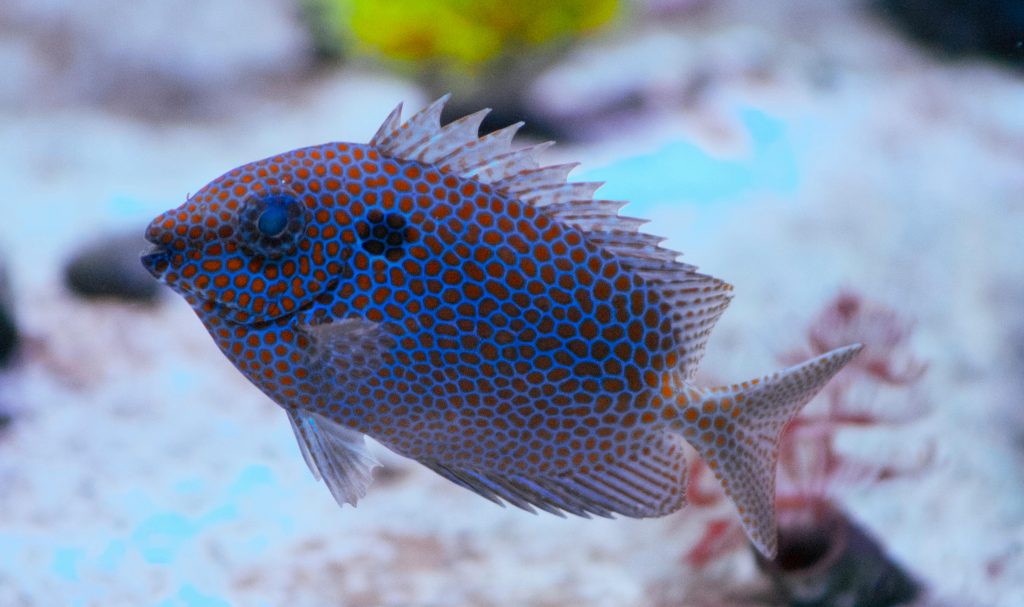
Gold Spotted Rabbitfish (Siganus Punctatus)
Gold Spotted Rabbitfish care includes large tanks, heavy algae feeding, and caution with corals. Learn tank size, diet,…
 By
By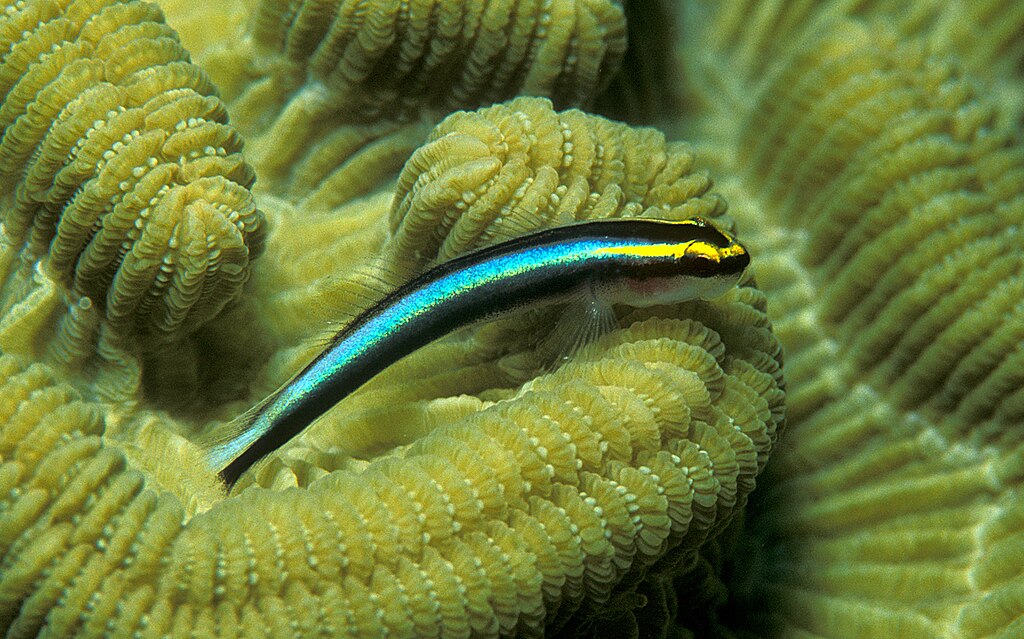
Sharknose Goby (Elacatinus evelynae)
Sharknose Goby care is simple in stable reef tanks. Learn feeding, tank setup, compatibility, and common problems for…
[favorite_button]
My Bookmarks:
To see full list click here
[user_favorites user_id="" include_links="true" site_id="" post_types="" include_thumbnails="true" thumbnail_size="thumbnail" include_excerpt="false"]