

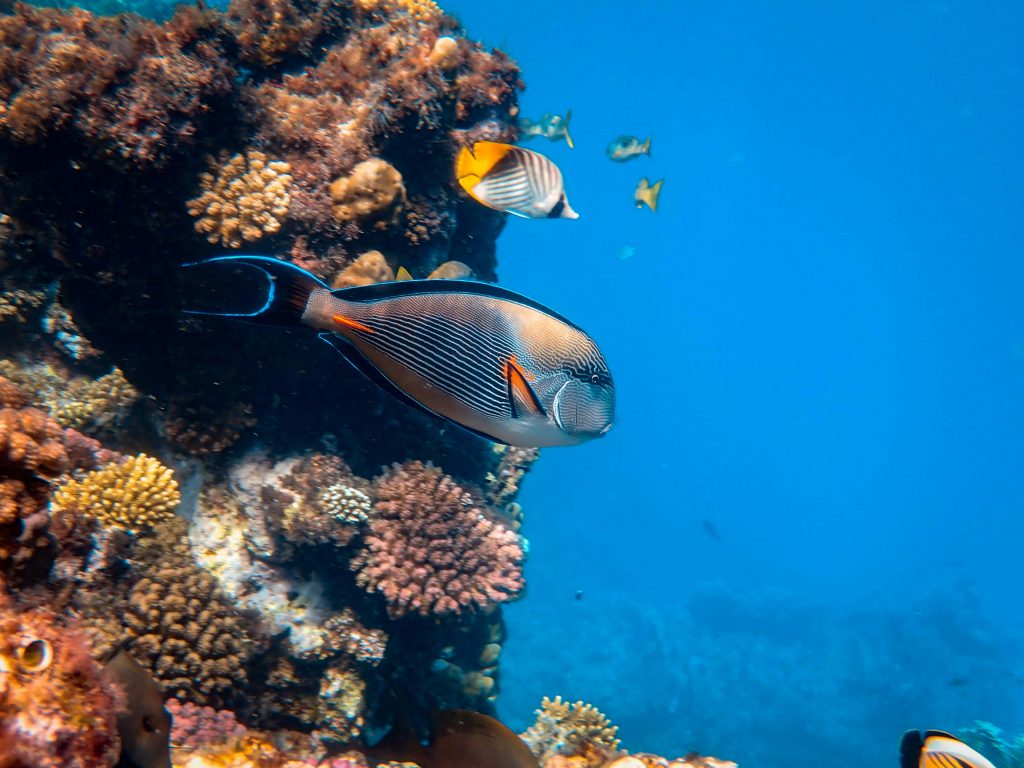
The Sohal Tang is a striking but demanding surgeonfish. It needs a very large tank, strong flow, heavy feeding, and careful stocking. Most problems come from cramped space, poor quarantine, or adding it to the wrong community. With proper planning, this Red Sea grazer can become a hardy show fish.
The Sohal Tang, Acanthurus sohal, is one of the most impressive tangs in the hobby. Its bold stripes, blue highlights, and flowing fins make it unforgettable. It is also one of the most aggressive tangs commonly offered for sale. That combination creates both appeal and risk. Many hobbyists buy one for color alone. Later, they discover it outgrows the tank or bullies every tankmate. This guide covers Sohal Tang care in detail. You will learn tank size, diet, aquascaping, flow, compatibility, quarantine, and common problems. If you want to keep this species long term, success starts with honest planning and stable reef husbandry.
Quick Reference Table
| Common Name | Sohal Tang |
| Scientific Name | Acanthurus sohal |
| Care Level | Moderate to advanced |
| Temperament | Aggressive |
| Adult Size | Up to 16 inches |
| Minimum Tank Size | 180 gallons, larger preferred |
| Diet | Primarily herbivorous, with varied omnivore foods |
| Reef Safe | Generally yes |
| Temperature | 75–79°F |
| Salinity | 1.025–1.026 specific gravity |
| pH | 8.1–8.4 |
| Flow | Moderate to strong |
| Lighting | No special need, but bright reef lighting is fine |
Use this table as a starting point. Long-term success depends on tank length, social planning, and stable water quality. The Sohal Tang often does well physically in captivity. The real challenge is behavior.
Natural Habitat
The Sohal Tang comes from the Red Sea and nearby western Indian Ocean waters. In nature, it lives on coral-rich reefs with strong water movement. It often patrols shallow reef slopes and surge zones. These areas are bright, oxygen-rich, and full of algae to graze. That natural setting explains much of its captive care.
This species is built for constant movement. It spends much of the day swimming and feeding. It also defends territory. On the reef, a Sohal Tang has room to chase rivals away. In an aquarium, that same behavior gets compressed into a small box. The fish may then harass tankmates relentlessly. Understanding its habitat helps you build a better setup. Open water, strong circulation, and natural grazing surfaces all matter. So does space. A Sohal Tang is not just a big fish. It is a fast, dominant, highly aware grazer from energetic reef zones.
Aquarium Setup
Tank size is the first major decision. A 180-gallon tank is often listed as the minimum. In practice, larger is much better. A 6-foot tank is the bare minimum. An 8-foot tank is more appropriate for an adult. This fish can exceed 14 inches and remains active all day.
Build the aquascape with two goals. Create long open swimming lanes. Also provide rock structure for grazing and retreat. Avoid filling the tank wall to wall with rock. That reduces usable swim space. Instead, use islands, arches, or bommies with clear channels between them. Stable rockwork is essential. A startled Sohal Tang can crash into loose pieces.
Use strong filtration and heavy gas exchange. This fish eats a lot and produces a lot of waste. A quality protein skimmer helps. So does regular export through water changes, refugium growth, or nutrient control media when needed. Keep temperature and salinity stable. Sudden swings raise stress and disease risk. For more guidance, see: reef tank setup, aquarium aquascaping tips, and protein skimmer basics.
Lighting Requirements
The Sohal Tang does not have strict lighting needs like corals do. It adapts well to most reef lighting schedules. Bright lighting is fine if the fish has shaded areas to pass through. In mixed reefs, the lighting plan should serve the corals first. The tang will usually adjust without issue.
That said, lighting still affects behavior and health indirectly. Bright light supports algae growth on rocks and glass. That gives the fish natural grazing opportunities. A stable day and night cycle also reduces stress. Sudden lighting changes can trigger panic swimming. Use ramp-up and ramp-down settings if possible. This is especially helpful in tanks with powerful LEDs.
If the fish hides constantly under normal lighting, look beyond PAR. Aggression, poor acclimation, or disease are more likely causes. Healthy Sohal Tangs are bold and visible. They should cruise the tank often and inspect rock surfaces throughout the day.
Water Flow
Strong, chaotic flow suits this species well. In the wild, Sohal Tangs live in oxygen-rich areas with constant movement. Aim for broad circulation rather than one harsh jet. The fish should be able to swim into current without being pinned. Random flow patterns work best in large reef systems.
Good flow supports several goals. It improves oxygen levels. It keeps detritus suspended for removal. It also mimics the active reef environment this tang expects. Fish kept in stale, low-flow tanks often seem less active and more irritable. Surface agitation is especially important in heavily stocked systems.
Watch the fish after adding new pumps. If it avoids large sections of the tank, adjust placement. The goal is energetic water movement with calm rest zones around rock structures. Balance matters. Reef fish need challenge, but they also need refuge.
Feeding
The Sohal Tang is primarily an herbivore. It should receive algae-based foods every day. Dried nori is a staple. Offer it on a clip at least once daily. Many keepers feed algae sheets twice daily for adults. This reduces aggression and supports body condition.
Do not rely on nori alone. Rotate high-quality herbivore pellets, spirulina foods, frozen mysis, and enriched brine occasionally. Some meaty food is useful, but plant matter should remain the foundation. Variety helps prevent nutritional gaps. It also keeps the fish interested in feeding. A healthy Sohal Tang should have a full body, smooth head profile, and constant appetite.
Frequent smaller feedings work better than one large meal. Hungry tangs become more territorial. They may also pick at films obsessively because the tank cannot support their natural grazing needs. Add algae growth areas when possible. A mature tank with biofilm and microalgae offers enrichment between feedings. For more nutrition help, see: best foods for tangs and reef fish feeding schedule.
Compatibility
Compatibility is the hardest part of Sohal Tang care. This species is usually aggressive, especially as it matures. It may bully other tangs, algae grazers, rabbitfish, angelfish, and even unrelated fish that enter its path often. Some individuals are manageable. Many are not. Never assume a small juvenile will stay peaceful.
In reef tanks, it is generally coral safe. It does not usually eat corals. It can, however, stress timid fish so badly that the whole tank suffers. The best tankmates are robust species that can handle a dominant presence. Add the Sohal Tang last whenever possible. That reduces its sense of ownership. If you want multiple tangs, use a very large tank with careful species selection and simultaneous introduction. Even then, risk remains high.
Avoid keeping it with delicate, shy fish in medium tanks. Also avoid cramped systems with many similar body shapes. Mirrors, acclimation boxes, and heavy feeding can help introductions. They do not erase instinct. For broader planning, see: tang compatibility chart.
Step-by-Step Acclimation and Introduction
Proper introduction improves your odds. It does not guarantee peace, but it helps.
- Quarantine the fish first. Observe for ich, velvet, bacterial issues, and feeding response.
- Build body weight before display transfer. Thin tangs decline quickly under stress.
- Rearrange some rockwork before introduction if aggressive fish already live in the tank.
- Add the Sohal Tang last if possible. This is one of the best ways to limit territorial behavior.
- Use an acclimation box for one to three days. Let tankmates see each other safely.
- Feed the tank well before release. A hungry community reacts more aggressively.
- Release during lower light periods. Dimming lights often softens the first few hours.
- Watch closely for tail-slapping, repeated charging, or blocked access to food.
- Be ready to remove fish if aggression becomes constant. Have a trap or divider ready.
Preparation matters because surgeonfish can escalate fast. Once a Sohal Tang claims the display, removing it can be very difficult.
Propagation or Fragging
Sohal Tangs are not propagated by hobbyists in home aquariums. They are not a species you can frag or divide like coral. Spawning behavior in surgeonfish is complex and tied to large-scale environmental cues. Commercial captive breeding of many tang species remains limited, and this species is not commonly available as captive-bred stock.
Why Home Breeding Is Rare
These fish need huge swimming space and specific spawning conditions. Their larvae are also difficult to raise. Even public aquariums face challenges with pelagic larval stages. For most hobbyists, the practical focus should be responsible sourcing and long-term care rather than breeding attempts.
Best Practice for Sustainability
Buy from vendors that hold fish properly and encourage quarantine. Choose alert specimens with full bellies and intact fins. Avoid fish with pinched stomachs, cloudy eyes, or frayed tissue near the tail spine. Strong initial health is the best sustainability choice a hobbyist can make.
Common Problems
Why is my Sohal Tang so aggressive?
This is the most common issue. Likely causes include small tank size, similar tankmates, poor introduction order, and underfeeding. Increase feeding frequency with algae-based foods. Add visual barriers with rock islands. Use acclimation boxes for new additions. In severe cases, rehoming may be the only solution. Some individuals are simply too dominant for community life.
Why is my Sohal Tang not eating?
New imports often need time. Stress, parasites, and shipping damage are common causes. Offer nori first. Try multiple clip locations. Add herbivore pellets and frozen foods later. Check for rapid breathing, white spots, or flashing. If the fish refuses food for several days, move fast. Tangs lose weight quickly.
Why does my Sohal Tang have white spots?
Sohal Tangs are prone to marine ich and other external parasites. Stress makes outbreaks more likely. Quarantine is strongly recommended for all tangs. If white spots appear, confirm whether it is ich, sand, or lymphocystis. Treat in a separate hospital tank when needed. Do not medicate a reef display casually.
Why is my Sohal Tang pacing the glass?
Glass surfing often points to stress, reflection, territorial frustration, or inadequate space. Check for bullying. Review tank dimensions. Reduce visible reflections on side panels. Improve environmental complexity with open lanes and natural grazing surfaces. Constant pacing in a short tank usually means the fish needs more room.
Why is my Sohal Tang losing color?
Color loss often reflects stress, poor diet, disease, or unstable water quality. Test salinity, nitrate, and temperature. Increase algae intake. Look for social pressure from larger fish. A healthy Sohal Tang should show crisp striping and bright facial tones. Faded fish need investigation, not just more supplements.
Frequently Asked Questions
Is a Sohal Tang reef safe?
Usually yes with corals and most invertebrates. The main risk is aggression toward fish, not coral predation.
What is the minimum tank size for a Sohal Tang?
180 gallons is the common minimum. Larger tanks are strongly preferred. An 8-foot tank is best for adults.
Can a Sohal Tang live with other tangs?
Sometimes, but it is risky. Very large tanks and careful introduction improve odds. Even then, aggression can develop later.
How often should I feed a Sohal Tang?
Feed algae-based foods daily, often twice daily. Add varied prepared foods in smaller portions for balance.
Is the Sohal Tang good for beginners?
Usually no. It is hardy once settled, but its size and aggression make it a poor beginner choice.
Final Thoughts
The Sohal Tang is one of the most beautiful surgeonfish in reef keeping. It is also one of the easiest to underestimate. If you have the space, filtration, and stocking discipline, it can become a spectacular centerpiece. If your tank is only barely large enough, choose another tang. Success with this species comes from restraint as much as skill. Plan for the adult fish, feed it well, quarantine carefully, and respect its temperament. Done right, a Sohal Tang can thrive for years in a large, stable reef aquarium.
Was this helpful?
Related Posts
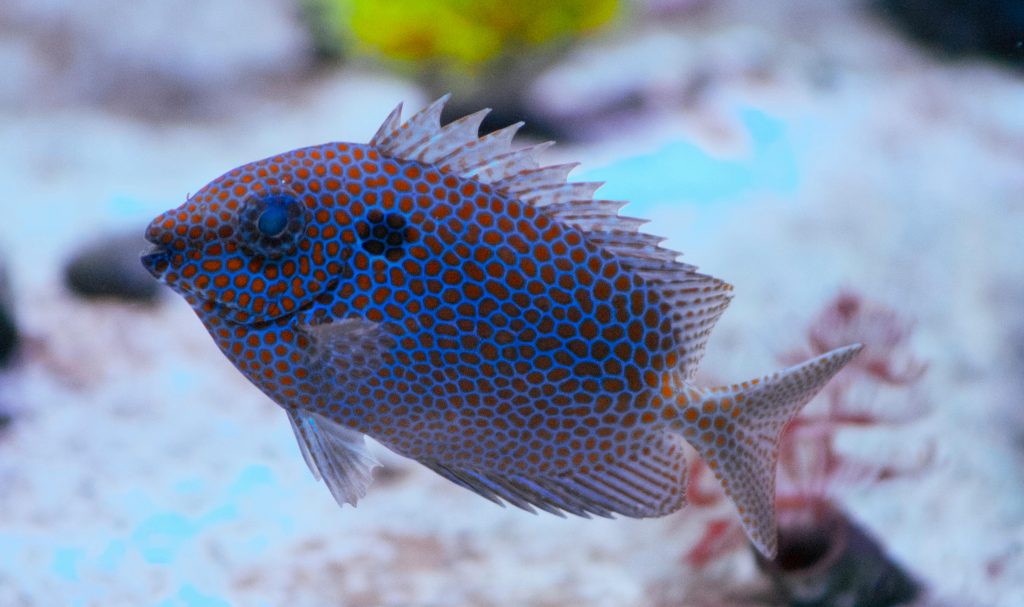
Gold Spotted Rabbitfish (Siganus Punctatus)
Gold Spotted Rabbitfish care includes large tanks, heavy algae feeding, and caution with corals. Learn tank size, diet,…
 By
By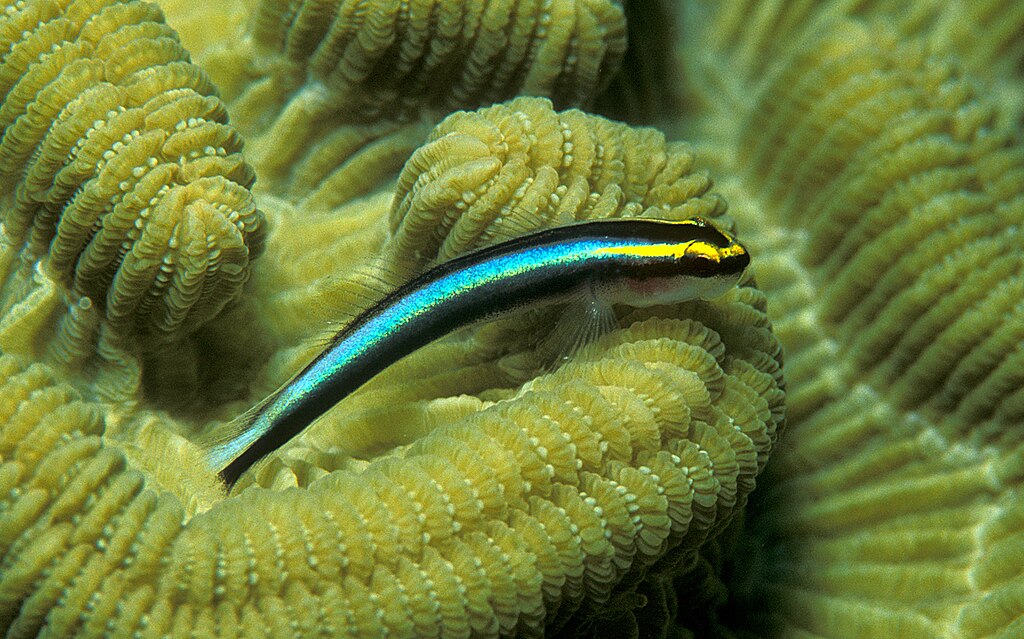
Sharknose Goby (Elacatinus evelynae)
Sharknose Goby care is simple in stable reef tanks. Learn feeding, tank setup, compatibility, and common problems for…
[favorite_button]
My Bookmarks:
To see full list click here
[user_favorites user_id="" include_links="true" site_id="" post_types="" include_thumbnails="true" thumbnail_size="thumbnail" include_excerpt="false"]