SPS coral care basics come down to stability, strong light, brisk flow, and clean water with enough nutrients. If you keep parameters steady and avoid fast changes, many Acropora, Montipora, and other small polyp stony corals can thrive in a home reef aquarium.
SPS corals often seem intimidating to new reef keepers. They have a reputation for demanding perfect water and expensive gear. That reputation is only partly true. SPS corals do need consistency. They also reward careful husbandry with fast growth, bright color, and dramatic reef structure. In this guide, you will learn the core needs of SPS corals, how to set up a tank for success, what water parameters matter most, and how to troubleshoot common problems before they become losses.
Quick Reference Table
| Category | Recommended Range |
|---|---|
| Tank age | 6 months or older is safest |
| Temperature | 76–79°F |
| Salinity | 1.025–1.026 specific gravity |
| Alkalinity | 7.5–9 dKH, stable daily |
| Calcium | 400–450 ppm |
| Magnesium | 1250–1400 ppm |
| Nitrate | 2–15 ppm |
| Phosphate | 0.03–0.10 ppm |
| PAR | 200–450 depending on species |
| Flow | Strong, random, turbulent |
| Best beginner SPS | Montipora, Birdsnest, Pocillopora |
Use this table as a starting point. The exact target matters less than consistency. A stable tank at 8 dKH usually performs better than a tank swinging between 7 and 9 dKH each week.
What Counts as an SPS Coral?
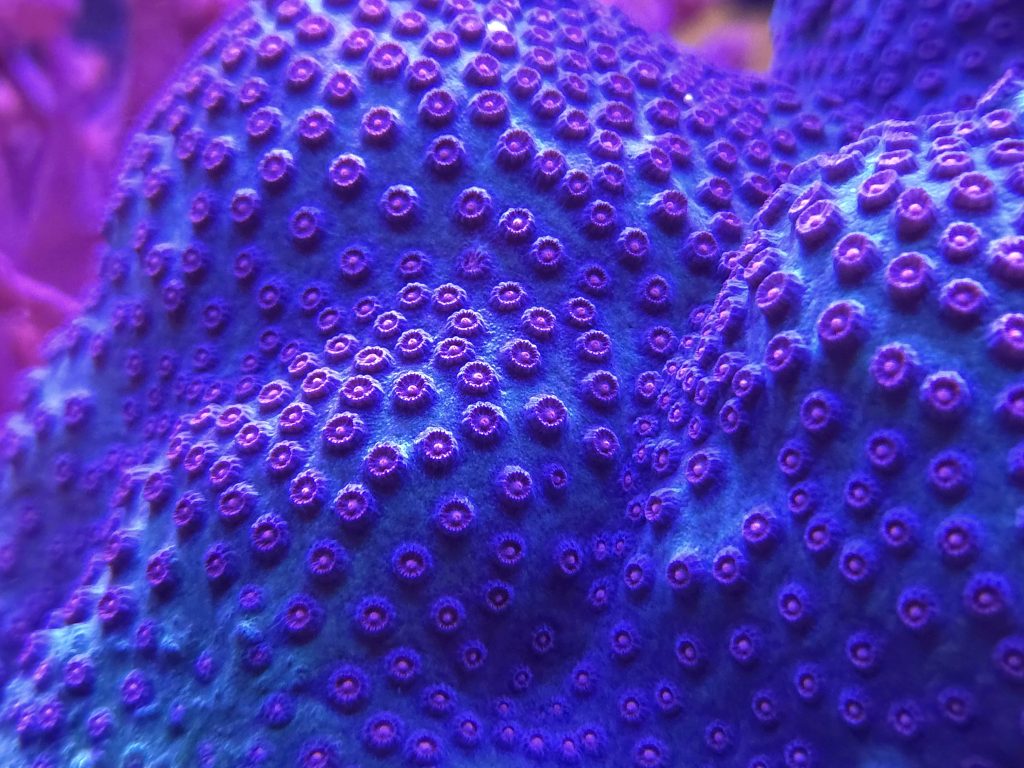
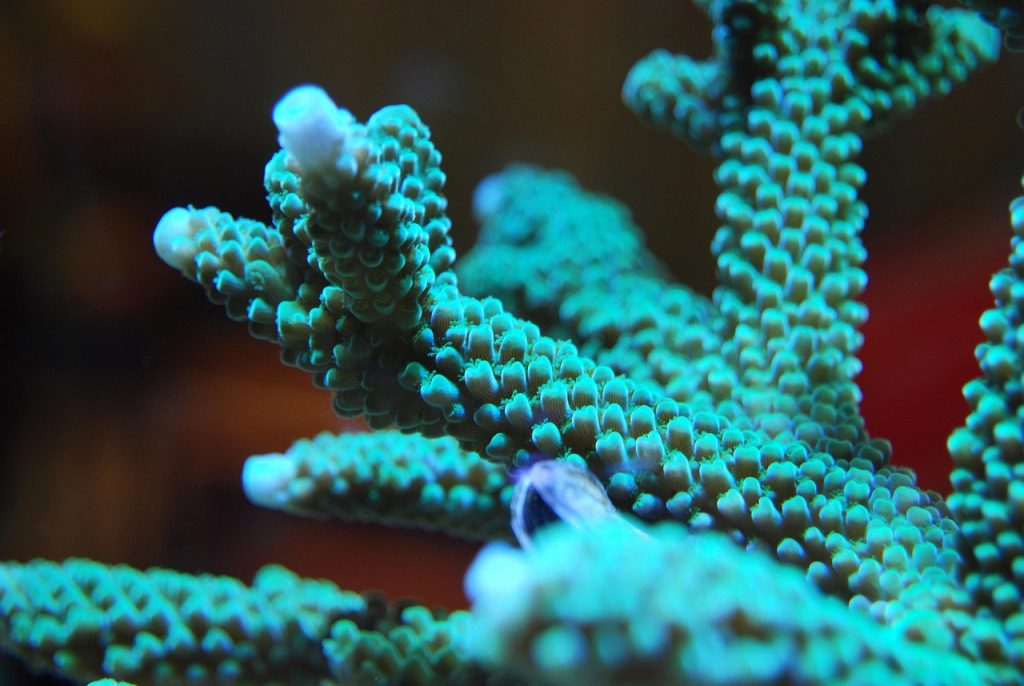
SPS stands for small polyp stony coral. These corals build hard calcium carbonate skeletons. Their polyps are usually small and less fleshy than LPS corals. Popular SPS genera include Acropora, Montipora, Stylophora, Pocillopora, Seriatopora, and Pavona. Many reef hobbyists love them for their branchy shapes, plating forms, and vivid coloration.
SPS corals rely heavily on stable chemistry. They use alkalinity, calcium, and magnesium to build skeleton. They also depend on strong lighting for their symbiotic zooxanthellae. Good water movement is essential too. Flow delivers oxygen, removes waste, and helps carry food to the coral surface. Without enough flow, detritus settles and tissue can decline.
Not all SPS are equally difficult. Montipora digitata and birdsnest are often good starter choices. Delicate Acropora can wait until your reef is mature and predictable. Start with hardy species. Build your routine. Then move into more demanding corals later.
Natural Habitat
Most SPS corals come from shallow tropical reefs. Many live in bright, clear water with constant wave action. Acropora colonies often dominate high-energy reef crests. Montipora and Pocillopora also occur in areas with strong current and intense sunlight. These natural conditions explain their care needs in aquariums.
On the reef, water chemistry changes slowly. Temperature stays within a narrow range. Light is intense for much of the day. Flow is chaotic, not linear. Food arrives in tiny particles, dissolved organics, and plankton. SPS corals are adapted to this stable but dynamic environment. They do not handle sudden shifts well.
When you recreate their habitat, think in terms of patterns. Provide strong but varied flow. Use bright reef lighting. Keep nutrients present but controlled. Most importantly, avoid abrupt corrections. Reef tanks succeed when changes are gradual and measured.
Aquarium Setup
An SPS tank does not need to be huge, but larger systems are easier to keep stable. A 40-gallon breeder can work well. A 75-gallon or larger tank offers more room for growth and more forgiving chemistry. New hobbyists usually have better success in tanks with higher water volume.
Build the aquascape with open structure. Leave room between rockwork and glass. Create shelves, arches, and elevated mounting spots. This improves flow and keeps detritus from collecting. SPS corals need space around each colony. Crowded rock piles reduce circulation and make future growth difficult.
Strong filtration helps. A protein skimmer is very useful. Mechanical filtration should be cleaned often. Activated carbon can improve water clarity. Many SPS keepers also use refugiums, roller mats, or media reactors. Stability matters more than complexity, though. A simple system with regular maintenance often beats a complicated setup with poor consistency.
Let the tank mature before adding expensive SPS. Dry rock systems can take longer to stabilize. Biodiversity helps. Copepods, microfauna, and bacterial balance all support long-term coral health.
Water Parameters That Matter Most
SPS corals react quickly to parameter swings. Alkalinity is the most important value to monitor closely. Keep it stable every day. Many successful tanks run between 7.5 and 9 dKH. Pick a target that matches your nutrient level and salt mix. Then hold it there.
Calcium should stay around 400 to 450 ppm. Magnesium should remain near 1250 to 1400 ppm. These values support skeletal growth and help prevent instability. Salinity should be checked with a calibrated refractometer. Temperature should stay steady too. Daily spikes stress SPS and can dull color.
Nutrients are often misunderstood. Ultra-low nutrients are not always ideal. Many SPS corals color and grow better with some nitrate and phosphate present. A common target is 2 to 15 ppm nitrate and 0.03 to 0.10 ppm phosphate. Bottomed-out nutrients can lead to pale tissue and slow growth. Excess nutrients can fuel algae and brown coloration.
Test often when stocking new SPS. Once consumption becomes predictable, dosing can be adjusted with confidence. For help building a stable chemistry routine, see: reef tank water parameters, alkalinity in reef tanks, and calcium reactor basics.
Lighting Requirements
SPS corals generally need moderate to high light. Many species thrive in the 200 to 450 PAR range. Some beginner SPS do well near the lower end. High-end Acropora often color best with stronger light, provided nutrients and flow are balanced.
LEDs, T5s, and hybrid fixtures can all grow SPS well. The key is even coverage and gradual acclimation. Hot spots and deep shadows can create uneven growth. T5 and hybrid systems are popular because they spread light well. LED-only systems can work beautifully too when fixtures are spaced correctly and intensity is measured.
Do not guess with expensive SPS. Use a PAR meter if possible. Start new frags lower in the tank. Then move them upward over one to two weeks. Sudden increases in light can cause bleaching. Too little light can cause browning and weak growth. Watch the coral. Good extension, steady color, and encrusting growth usually mean placement is close to correct.
If you are comparing fixtures, these guides may help: best reef tank lighting and how to acclimate corals to LED lights.
Water Flow
Strong flow is essential for SPS coral health. The goal is not a direct blast. The goal is broad, random, turbulent movement. This keeps the coral surface clean and oxygen-rich. It also helps prevent dead spots where detritus settles.
Use multiple pumps when possible. Place them to create intersecting currents. Gyres, wavemakers, and alternating schedules all work. Watch polyp movement. Gentle swaying is fine for some corals, but SPS often prefer sharper, changing motion. Tissue should move, but not fold hard against the skeleton.
Flow needs rise as colonies grow. A small frag may look fine for months. Then the colony thickens and traps waste inside its branches. This often leads to tissue recession at the base. Revisit pump placement as the reef matures. Strong export and good flow go together in SPS systems.
Feeding
SPS corals get much of their energy from light. They still benefit from feeding. In nature, they capture plankton and dissolved organics. In aquariums, this can come from fish waste, broadcast coral foods, amino acids, and fine frozen foods.
You do not need to target feed every SPS coral. In fact, heavy direct feeding can foul the water. A better approach is balanced nutrient input. Feed fish well. Use quality frozen foods. Add a fine particulate coral food once or twice weekly if nutrients remain under control. Observe the tank response before increasing.
If your nutrients stay at zero, SPS often struggle. Pale tissue, poor extension, and stalled growth can follow. If nutrients climb too high, color may turn brown and algae can spread. Feeding should support the whole reef, not just one frag. For more on nutrient balance, see: reef tank nutrient control.
Compatibility
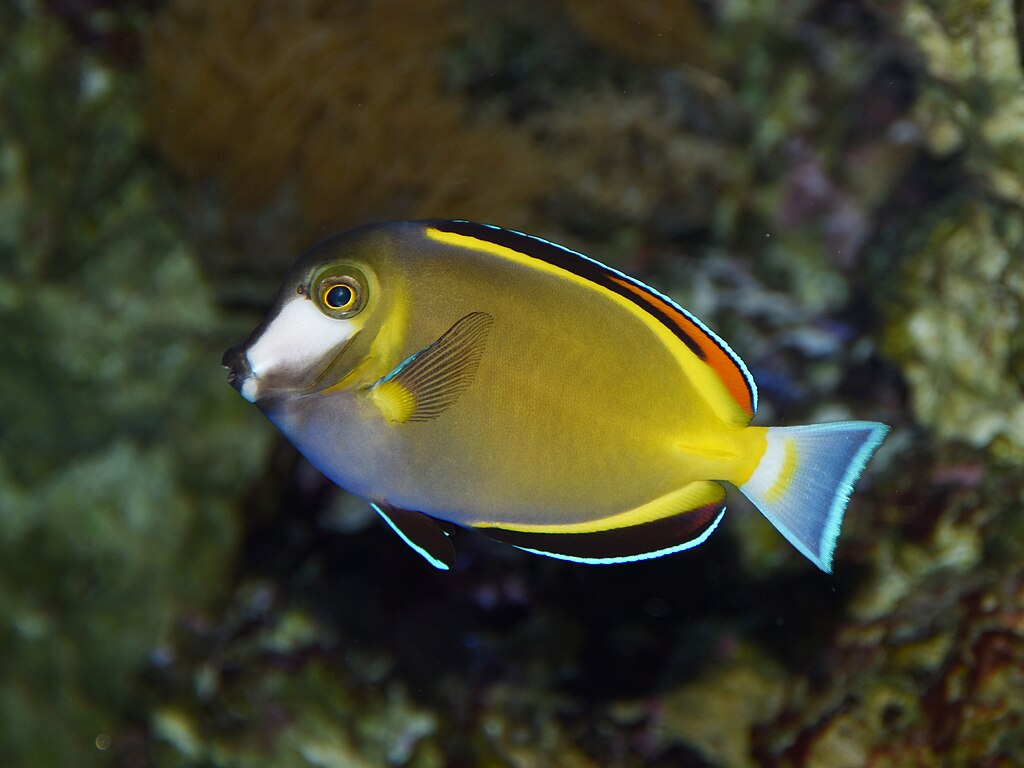
SPS corals are generally reef safe with many community fish. Still, some fish can create problems. Large angelfish may nip polyps. Certain butterflyfish are unsafe. Some wrasses and tangs are excellent tankmates because they help control pests and algae without harming coral.
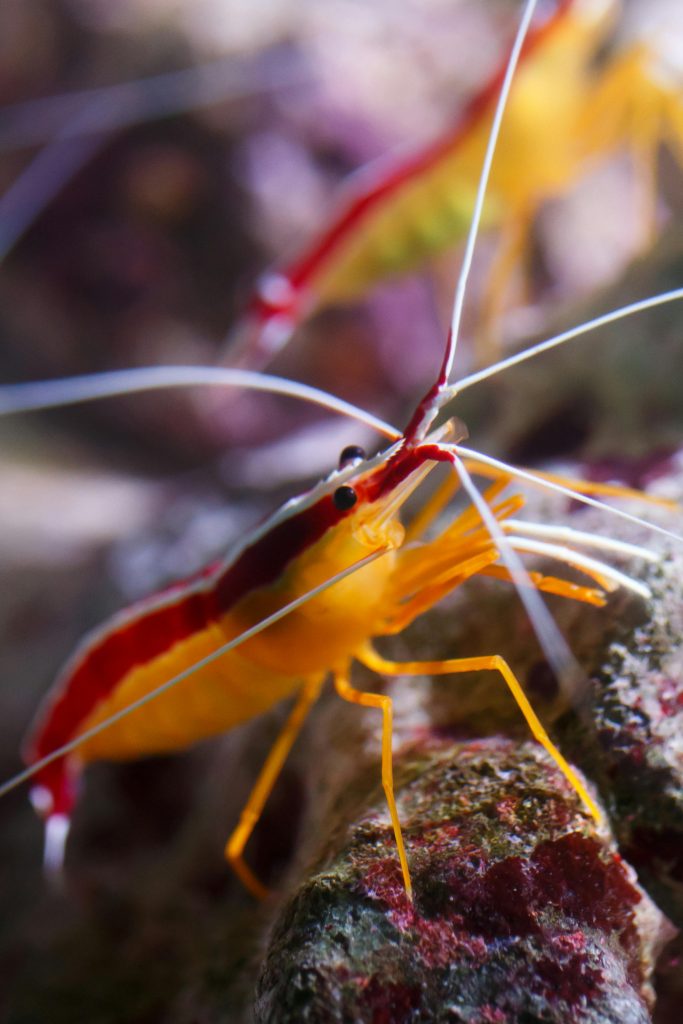
Be careful with invertebrates too. Emerald crabs, some hermits, and large shrimp can irritate frags if they climb over them often. Most snails are safe and helpful. Cleaner shrimp are usually fine, but they may steal food during broadcast feeding.
Coral placement matters. SPS can be damaged by nearby LPS sweepers or soft coral chemical warfare. Keep enough distance between aggressive species. Use carbon if you keep mixed reefs. Many hobbyists create an SPS-dominant upper structure and place LPS lower on the sand bed or isolated islands.
Step-by-Step Guide to Starting SPS Successfully
- Wait for a stable, mature tank. Six months is a good baseline.
- Confirm stable alkalinity, calcium, magnesium, salinity, and temperature.
- Make sure nitrate and phosphate are detectable, but controlled.
- Install strong lighting with known PAR values.
- Create random, high flow with no major dead spots.
- Start with hardy SPS like Montipora or birdsnest.
- Dip and inspect every frag for pests before placement.
- Acclimate new corals to light slowly over several days.
- Test alkalinity frequently as coral demand increases.
- Begin dosing only after you know actual consumption.
- Keep hands out of the tank when possible.
- Change only one major variable at a time.
This slow approach prevents most SPS failures. New hobbyists often lose corals by changing too much at once. Stability wins.
Propagation and Fragging
When to Frag SPS Corals
Frag SPS only when the colony is healthy and actively growing. Avoid fragging stressed or recently moved corals. Good polyp extension, firm tissue, and fresh growth tips are positive signs.
How to Frag Safely
Use coral cutters, bone shears, or a rotary tool depending on the species. Cut healthy branch tips or sections with clean edges. Mount frags to plugs or rubble with reef-safe glue. Return them to moderate flow and stable light. Fresh cuts heal faster in clean, stable water.
Aftercare for New Frags
New frags need time to encrust. Avoid moving them repeatedly. Check for tissue recession around the cut site. Strong flow helps keep the wound clean. Stable alkalinity is especially important during healing and new skeletal growth.
Common Problems
Why Are My SPS Corals Turning Brown?
Brown SPS usually point to excess nutrients, weak light, or both. Check nitrate and phosphate first. Then verify PAR and photoperiod. Browning can also happen after a coral is moved to lower light. Improve conditions slowly. Fast changes can make the problem worse.
Why Are My SPS Corals Turning Pale or White?
Paling often comes from low nutrients, excess light, or sudden instability. Bleaching is common after rapid light increases. It can also follow alkalinity swings. Reduce stress immediately. Confirm nutrients are not bottomed out. Lower light if needed and keep all parameters steady.
Why Is Tissue Receding From the Base?
Base recession often links to poor flow, detritus buildup, unstable alkalinity, or shading in older colonies. Inspect the colony from all angles. Improve random flow around the base. Clean trapped debris. Review dosing logs for hidden swings.
What Causes Burnt Tips on SPS?
Burnt tips are often associated with high alkalinity relative to nutrient level. Growth accelerates, but tissue cannot keep pace. Lower alkalinity gradually if it is elevated. Keep nutrients detectable. Avoid chasing numbers too aggressively.
How Do I Prevent SPS Pests?
Dip every new coral. Quarantine when possible. Common pests include Acropora eating flatworms, red bugs, and nudibranchs on Montipora. Inspect frags under white light and magnification. Prevention is much easier than eradication.
Frequently Asked Questions
Can beginners keep SPS corals?
Yes, if the tank is stable and mature. Start with hardy species like Montipora or birdsnest. Avoid delicate Acropora at first.
Do SPS corals need dirty or clean water?
They need clean water with some nutrients present. Zero nutrients are often worse than moderate nutrients. Aim for controlled, measurable nitrate and phosphate.
How often should I test alkalinity in an SPS tank?
Test several times weekly when demand is changing. In heavily stocked tanks, daily testing is useful until dosing is dialed in.
Are water changes enough for SPS corals?
In lightly stocked tanks, maybe. In most growing SPS systems, coral demand soon exceeds what water changes can replace. Dosing becomes necessary.
What is the best first SPS coral?
Montipora digitata is a classic first choice. Birdsnest and Pocillopora are also common beginner SPS options when tank stability is good.
SPS success is rarely about one magic number. It is about repeatable habits. Keep the tank stable. Give corals strong light and random flow. Maintain balanced nutrients. Test often, but adjust slowly. If you do those things well, SPS corals become much less intimidating and far more rewarding.
Was this helpful?
Related Posts
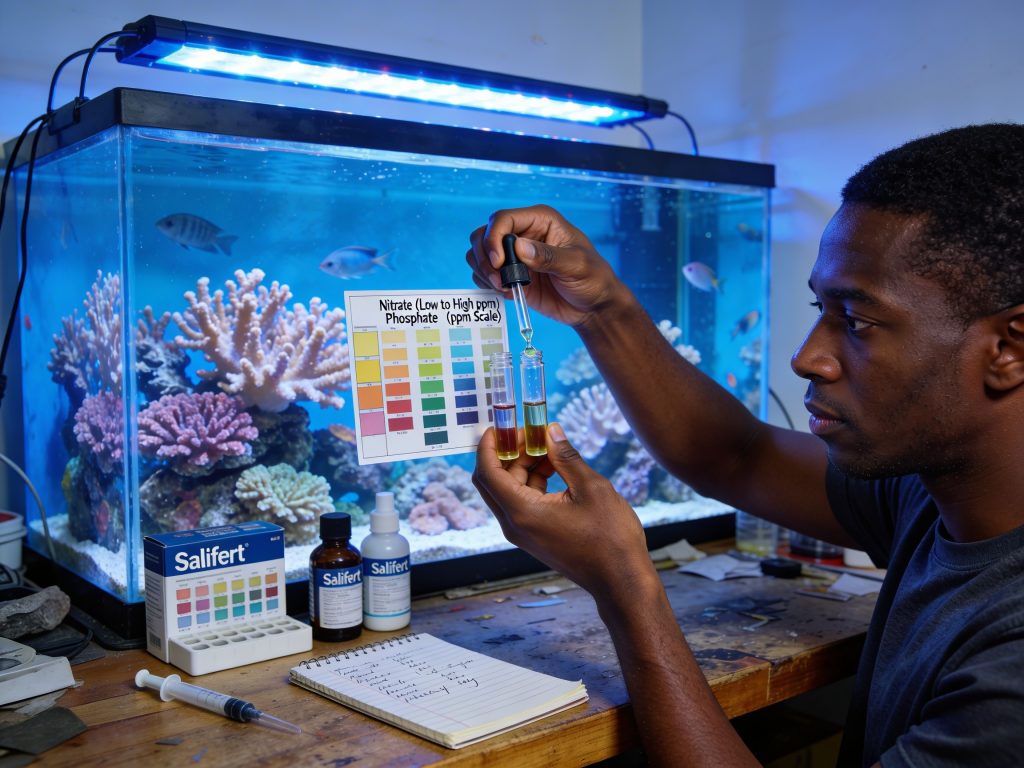
How to Test Nitrate and Phosphate
Learn how to test nitrate and phosphate accurately. Follow a simple routine for reliable results and stable reef…
 By
By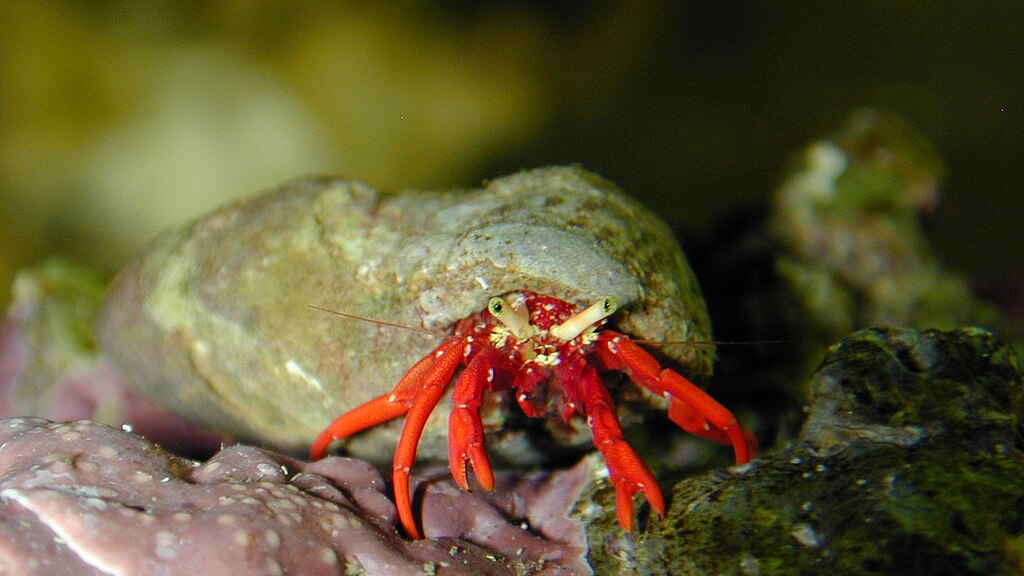
Building A Cleanup Crew
Photo by Andreas März from Darmstadt, Germany, CC BY 2.0, via Wikimedia Commons Introduction to Building a Cleanup…