

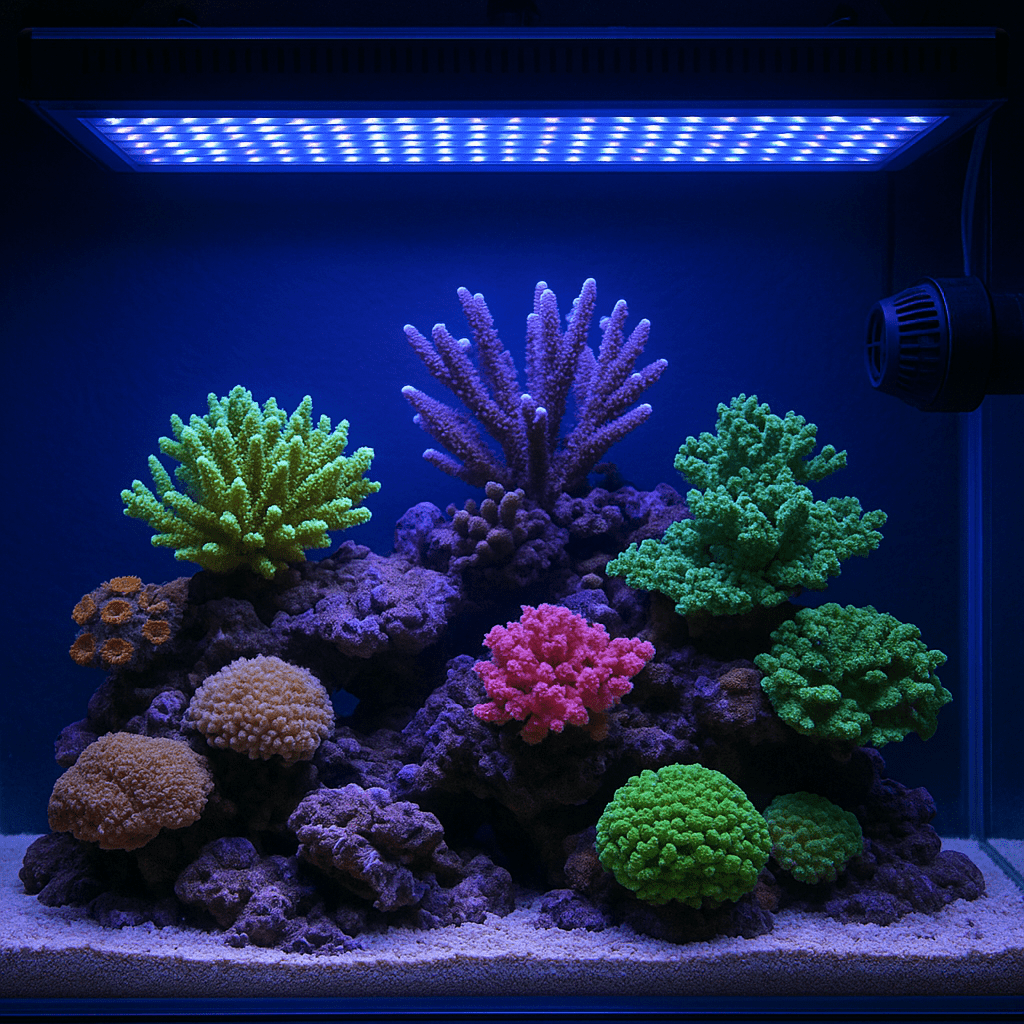
SPS coral color loss usually comes from unstable nutrients, weak lighting balance, poor flow, or stress. Faded Acropora, Montipora, and other small polyp stony corals can often recover when you correct the root cause and keep parameters stable for several weeks.
SPS coloration is one of the biggest goals in reef keeping. Bright blues, pinks, greens, and deep reds often signal a healthy, well-balanced system. Yet many hobbyists watch those colors turn pale, brown, or dull over time. This can happen even when corals still show polyp extension and growth. The good news is that color fade is usually a symptom, not a mystery. In most tanks, the answer is found in light, nutrients, alkalinity, flow, or overall stability. In this guide, you will learn why SPS coral coloration fades, how to diagnose the most common causes, and what practical steps help restore strong color without making the problem worse.
Quick Reference Table
| Issue | Common Sign | Likely Cause | Best First Fix |
|---|---|---|---|
| Pale or washed-out coral | Light tissue, weak pigment | Low nutrients or too much light | Check nitrate, phosphate, and PAR |
| Brown coral | Dark tan or brown tissue | High nutrients or low light | Improve export and confirm light intensity |
| Burnt tips | White tips with colored base | High alkalinity with low nutrients | Lower alk slowly and feed more |
| Color loss after changes | Rapid fading in days | Parameter swing | Review dosing, salinity, and temperature logs |
| Good growth, poor color | Coral encrusts but looks dull | Imbalanced light and nutrients | Fine-tune PAR and nutrient range |
What SPS Coral Color Really Depends On
SPS coral color comes from several sources. The first is zooxanthellae density. These symbiotic algae live inside coral tissue. They help the coral produce energy. When zooxanthellae increase, corals often look browner. When they decrease too much, corals can look pale.
The second source is coral pigment. These pigments include fluorescent and non-fluorescent proteins. They create the vivid colors hobbyists want. Pigment production depends on light, nutrition, and general health. Stress can reduce pigment expression fast.
The third factor is tissue thickness. Thin tissue often looks lighter. Thick, healthy tissue usually holds richer color. This is why a coral can survive but still look unimpressive.
Color is not controlled by one number. It is the result of balance. Strong light alone will not create color. Ultra-low nutrients alone will not create color. Stable chemistry, proper feeding, and time all matter. That balance is what separates a merely alive SPS tank from a truly colorful one.
The Most Common Reasons SPS Coloration Fades
The most common cause is instability. SPS corals hate frequent swings. Alkalinity changes are especially important. A coral may tolerate a number that is slightly off. It often will not tolerate that number changing every few days.
Low nutrients are another major cause. Many reef keepers drive nitrate and phosphate too low. This often happens with oversized skimmers, aggressive media use, or heavy carbon dosing. The result can be pale tissue and stalled coloration.
Excess nutrients can also fade color. In that case, many SPS turn brown. The coral increases zooxanthellae density. That brown layer masks brighter pigments underneath.
Lighting mistakes are also common. Too little light can brown corals. Too much light can bleach them. Incorrect spectrum can reduce visual pop. Sudden light increases are especially risky after changing LEDs or moving frags upward.
Poor flow adds another layer of stress. SPS need strong, chaotic movement. Weak flow limits gas exchange and waste removal. It can also reduce feeding response and tissue health. Over time, that weakens color and growth.
Lighting Requirements for Strong SPS Color
Most SPS corals need moderate to high light. Exact needs vary by species and placement. Many Acropora thrive in roughly 250 to 400 PAR. Some Montipora do well lower. The key is not chasing a universal number. The key is matching the coral to the location.
Too much light can wash out color. This is common in tanks with strong LEDs and little acclimation. Corals may turn pale on upper branches first. Polyps may stay retracted during peak intensity. If the stress continues, tissue can recede.
Too little light often causes browning. The coral increases zooxanthellae to capture more energy. Growth may flatten. Bright pigments may disappear. This often happens when frags are shaded by colonies or placed too low.
Use a PAR meter if possible. It removes guesswork. Keep your schedule stable. Acclimate new corals and new fixtures slowly. Increase intensity in small steps. Blue-heavy reef spectra usually bring out fluorescence well, but color health still depends on nutrients and chemistry. Light reveals color. It does not replace husbandry.
Water Chemistry and Nutrient Balance
Stable chemistry is the backbone of SPS coloration. Alkalinity, calcium, and magnesium support skeleton growth. If growth outpaces coral health, color can still suffer. That is why alkalinity should be stable, not just “in range.” Many successful SPS tanks hold alkalinity between 7.5 and 9 dKH with minimal daily swing.
Nitrate and phosphate are just as important. Zero is not the goal for most tanks. Very low nutrients often create pale SPS, weak polyp extension, and slow recovery after fragging. A practical target for many mixed and SPS systems is measurable nitrate and low but detectable phosphate.
High alkalinity with very low nutrients often causes burnt tips. The coral tries to grow fast. The tissue cannot keep pace. This mismatch is common in ultra-clean systems. Lowering alkalinity slightly and raising nutrients carefully often helps.
Also check salinity and temperature. A refractometer that reads wrong can create weeks of hidden stress. Temperature swings can dull color fast. Keep your testing routine consistent. Log results. Trends matter more than one isolated reading.
Water Flow and Its Role in Color
SPS corals need strong, varied flow. In nature, they live in areas with constant water movement. That flow brings oxygen and food. It removes mucus, waste, and detritus. In aquariums, poor flow often causes dull tissue and weak extension.
The goal is random, turbulent flow. You do not want a single hard stream blasting one colony all day. That can strip tissue from one side while leaving dead spots elsewhere. Instead, use multiple pumps or alternating modes. Let branches sway without folding over.
Watch for signs of weak flow. Detritus collecting on branches is a clue. Cyanobacteria near SPS bases is another clue. If one side of a colony looks healthy and the other side fades, flow may be uneven.
Good flow supports color indirectly. It helps respiration. It improves nutrient exchange. It reduces localized stress. It also helps corals handle stronger lighting. When hobbyists improve flow, they often see better polyp extension first. Richer color usually follows with time.
Feeding and Nutrition for Better Pigment
SPS corals are not purely light-fed animals. They also benefit from dissolved nutrients, fish waste, and fine particulate foods. Tanks with healthy fish populations often color SPS better than sterile systems. Fish feeding supports the whole reef food web.
You do not need to dump large amounts of coral food into the tank. That often creates more problems than benefits. Instead, feed fish well and consistently. Use quality frozen foods, pellets, and occasional amino acid supplements if your system responds well.
Some hobbyists see improved coloration from amino acids or planktonic coral foods. Others see algae outbreaks. Start small. Observe results for several weeks. Never add supplements blindly. Test nutrients before and after changes.
If your SPS look pale in an ultra-clean tank, nutrition may be lacking. Slightly increasing feeding can help restore tissue richness. The goal is balance. Corals need enough available nutrition to build tissue and pigments, but not so much that nuisance algae takes over.
Step-by-Step: How to Diagnose Faded SPS Coral
- Test alkalinity, nitrate, phosphate, calcium, magnesium, salinity, and temperature stability.
- Review recent changes. Look for new lights, dosing shifts, media changes, or large water changes.
- Check PAR at the coral’s location. Do not guess based on fixture settings.
- Observe flow around the colony. Look for detritus buildup or one-sided extension.
- Compare color pattern. Pale usually suggests low nutrients or excess light. Brown often suggests high nutrients or low light.
- Inspect for pests. Red bugs, flatworms, and nudibranchs can stress SPS and dull color.
- Correct one major issue at a time. Avoid stacking several changes in one week.
- Give the coral time. Visible color recovery often takes weeks, not days.
This slow approach matters. Many hobbyists lose color by reacting too fast. They raise light, lower nutrients, change salt, and alter dosing all at once. Then they cannot identify the real cause. Controlled adjustments produce better long-term results.
Common Problems
Why are my SPS corals turning brown?
Brown SPS usually point to excess nutrients, insufficient light, or both. Test nitrate and phosphate first. Then verify PAR. Also check for shading from larger colonies. Improving export, cleaning pumps, and adjusting placement often help.
Why are my SPS corals pale but not bleaching?
Pale SPS often indicate low nutrients, excessive light, or unstable alkalinity. Corals may still grow and extend polyps. That can fool hobbyists. Measure nutrients carefully and avoid chasing zero. Confirm your light intensity before increasing it further.
What causes burnt tips on Acropora?
Burnt tips often happen when alkalinity is high and nutrients are too low. Growth pushes ahead of tissue health. Lower alkalinity slowly into a moderate range. Increase feeding slightly if nitrate and phosphate are near zero.
Can water changes fade SPS color?
Yes, especially if the new water differs in alkalinity, salinity, or temperature. Large water changes can shock sensitive SPS. Match parameters closely. Smaller, regular changes are safer in established SPS systems.
How to Restore SPS Color Safely
Start with stability. That is always the first fix. Keep alkalinity steady. Keep salinity accurate. Keep temperature tight. Then verify your nutrient levels. If nitrate and phosphate are unreadable, consider feeding more, reducing export slightly, or easing off aggressive media.
If corals are brown, improve nutrient control and confirm they receive enough PAR. If corals are pale, reduce light slightly or shorten peak intensity if PAR is excessive. Do not make huge moves. Small changes are safer for SPS.
Improve flow if dead spots exist. Clean powerheads. Reposition pumps. Remove detritus traps. Check for pests if one colony declines while others look fine. Quarantine new frags when possible. Prevention is easier than treatment.
Most important, be patient. SPS color recovery is slow. Tissue health usually improves before color returns. Give each correction at least two to four weeks unless the coral is actively declining. Patience is often the difference between recovery and repeated setbacks.
Frequently Asked Questions
How long does it take for SPS coral color to return?
Mild fading may improve in two to four weeks. Strong color recovery often takes longer. Deep pigment can take months to fully return.
Should nitrate be zero for colorful SPS?
No. Many colorful SPS tanks run with measurable nitrate. Zero nutrients often lead to pale tissue and weaker overall health.
Do LED lights cause SPS color loss?
LEDs do not automatically cause color loss. Poor acclimation, excess intensity, weak spread, or bad nutrient balance are the usual issues.
Can amino acids improve SPS coloration?
They can help in some low-nutrient systems. Results vary by tank. Use them carefully and watch nutrient trends closely.
Why do new SPS frags lose color after purchase?
Shipping stress, new light, different nutrients, and parameter shifts all affect pigment. Many frags need several weeks to settle in.
Related FancyReef Guides
- Acropora coral care guide
- reef tank lighting schedule
- reef tank alkalinity explained
- how to lower phosphate in a reef tank
- best flow for SPS corals
Was this helpful?
Related Posts
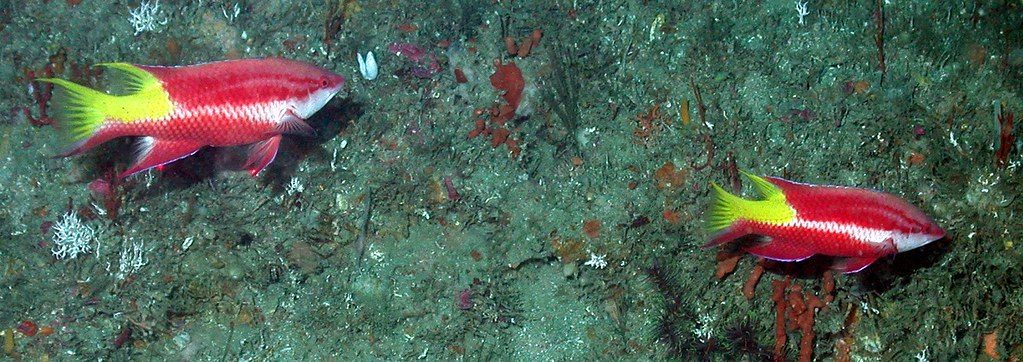
Cuban Hogfish (bodianus Pulchellus)
Cuban Hogfish care is straightforward in larger reef tanks. Learn tank size, diet, compatibility, and reef safety before…
 By
ByWhat to Do During a Power Outage
A reef tank power outage demands fast action. Protect oxygen, temperature, and circulation first to keep fish and…
 By
By[favorite_button]
My Bookmarks:
To see full list click here
[user_favorites user_id="" include_links="true" site_id="" post_types="" include_thumbnails="true" thumbnail_size="thumbnail" include_excerpt="false"]