Sump Refugium Setup for a Healthier Reef Tank
A sump refugium can transform your reef system. It adds stability, filtration, and flexibility. You gain more water volume. You also gain a safe place for equipment and beneficial life.
If you are new to refugiums, start simple. Focus on flow, lighting, and macroalgae. Then tune things slowly over a few weeks.
For a basic sump overview, see our guide on sump setup basics. It explains core plumbing ideas and layout.
Planning Your Refugium Section
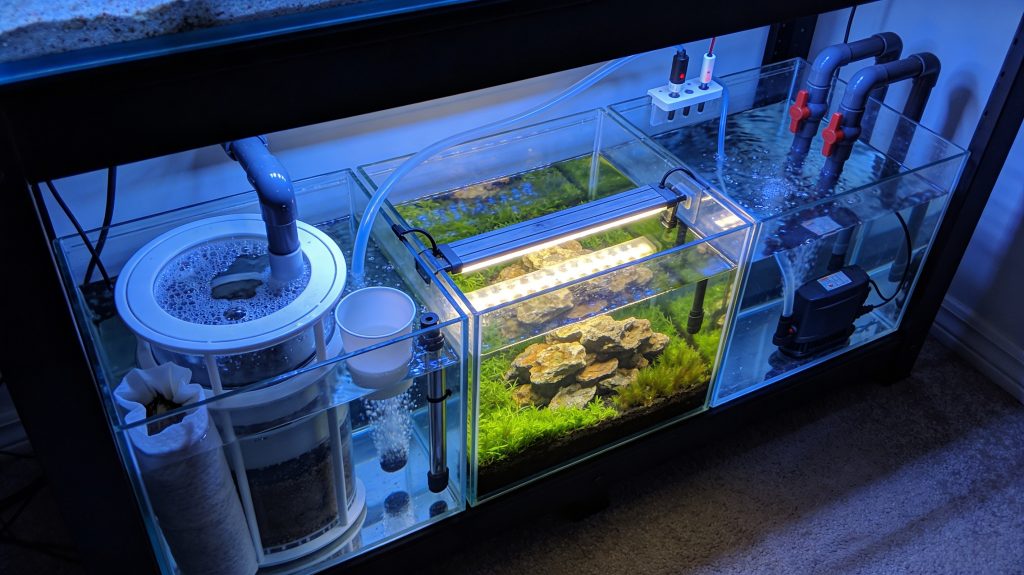
Decide the refugium location in your sump. Most hobbyists choose the middle chamber. This keeps flow gentle. It also protects pods from the return pump.
Size the refugium at 20–30% of display volume. Larger is usually better. Just keep room for skimmer and return pump.
Water Flow and Baffles
Use baffles to control water height. Keep the refugium water level stable. That helps macroalgae grow well.
Aim for moderate flow. Around 3–5 times refugium volume per hour works. Too much flow tumbles algae violently. Too little flow allows detritus buildup.
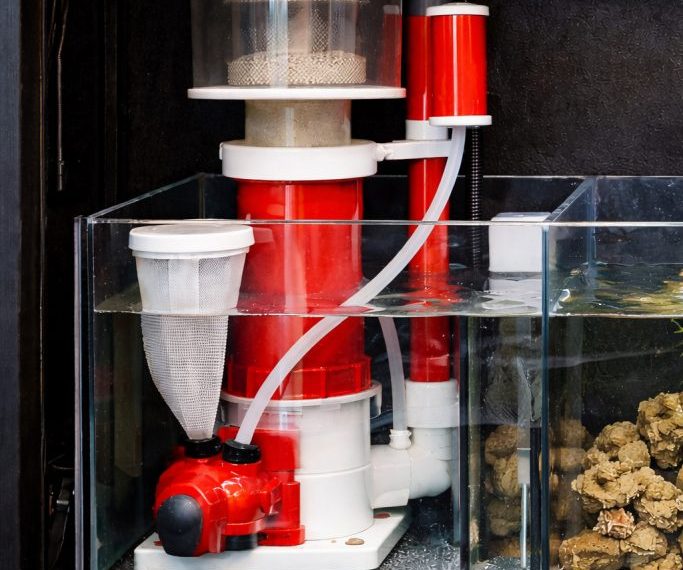
- Place the skimmer before the refugium section.
- Use a bubble trap baffle to reduce microbubbles.
- Install an adjustable gate if you want fine control.
For more layout ideas, check our article on sump layouts for reef tanks.
Lighting and Macroalgae Choices
Refugium lighting does not need to be fancy. A simple full-spectrum LED works. Focus on strong red and white channels. These support macroalgae growth.
Run the refugium light on a reverse schedule. Turn it on when the display lights turn off. This helps stabilize pH overnight.
Good Beginner Macroalgae
- Chaetomorpha: Tough, fast-growing, and non-invasive.
- Caulerpa prolifera: Grows quickly but needs pruning and stable lighting.
Start with a small ball of Chaetomorpha. Give it time to adjust. Rotate it weekly for even light exposure.
Substrate, Rock, and Clean-Up Crew
You can run a bare-bottom refugium. This keeps cleaning easy. Many hobbyists prefer this style.
Another option is a shallow sand bed. Add a few small rubble pieces. These give pods hiding spots.
- Add a handful of live rock rubble.
- Introduce copepods and amphipods from a trusted source.
- Use a small clean-up crew for detritus control.
Good refugium cleaners include trochus snails and small hermits. Do not overstock them.
Tuning Nutrients and Harvesting Algae
Test nitrate and phosphate weekly at first. Track changes after you start the refugium. If nutrients drop too fast, reduce light time. You can also remove some macroalgae.
Harvest macroalgae regularly. Remove a portion every one to two weeks. This exports nutrients from your system.
Tip: Mark your refugium waterline on the glass. Changes reveal evaporation and flow issues.
Shake detritus from macroalgae during harvest. Rinse it in removed tank water. This keeps the refugium cleaner.
For more nutrient control strategies, see our post on controlling nutrients in reef tanks.
Common Mistakes to Avoid
- Running extremely bright lights from day one.
- Adding too many macroalgae species at once.
- Letting detritus collect unchecked under algae clumps.
- Ignoring pH and alkalinity while chasing low nutrients.
Start slow. Make one change at a time. Give your system time to respond.
With patience, a sump refugium becomes a powerful ally. It supports coral growth, pod populations, and long-term stability.
Sources
- Sprung, J., & Delbeek, J. C. The Reef Aquarium, Volume 3. Ricordea Publishing.
- Feldman, K. “Refugia and Macroalgae Filtration”. Advanced Aquarist Online.
- Holmes-Farley, R. “Nitrate and Phosphate in the Reef Aquarium”. Reefkeeping Magazine.
Was this helpful?
Related Posts
Protein Skimmer Reef Tank Guide
Learn how a protein skimmer works, how to size one, and how to tune it for a cleaner,…
 By
By
Reef Aquarium Water Parameters
Learn the ideal reef aquarium water parameters, safe ranges, and how to keep salinity, alkalinity, nutrients, and pH…