

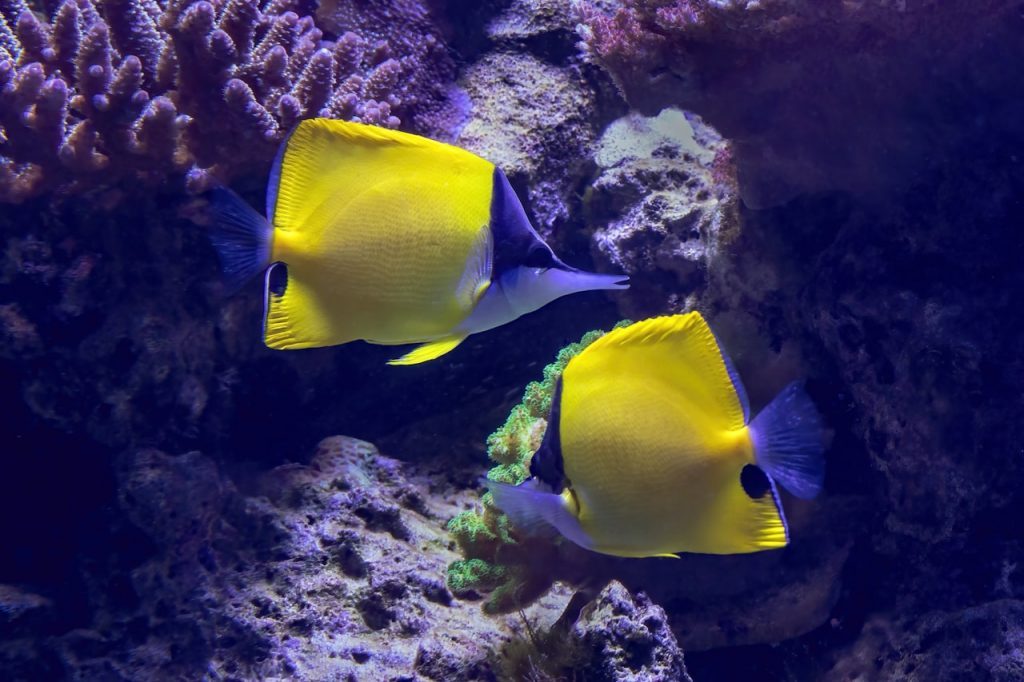
Many marine fish refuse frozen food at first. The good news is that most can be trained with patience, the right food choices, and a calm routine. This guide explains how to switch picky saltwater fish from live or prepared alternatives to frozen food safely and with less stress.
Teaching marine fish to accept frozen food is one of the most useful reef keeping skills. It saves money over time. It also gives you better nutrition options and more control over feeding. Some fish learn in one day. Others need several weeks. Success depends on species, feeding history, stress level, tank competition, and how you present the food. In this article, you will learn which fish are easiest to train, how to prepare frozen foods correctly, what mistakes slow progress, and how to troubleshoot common feeding problems in reef tanks.
Quick Reference Table
| Topic | Best Practice |
|---|---|
| Best first foods | Mysis shrimp, enriched brine shrimp, finely chopped clam, roe blends |
| Feeding frequency | 2 to 4 small feedings daily for new arrivals |
| Soaking foods | Use tank water, vitamins, or garlic sparingly |
| Ideal tools | Turkey baster, pipette, feeding tube, thaw cup, feeding ring |
| Training time | 1 day to 4 weeks, depending on species and stress |
| Best environment | Dim lights, low stress, limited aggression, stable water quality |
| Common mistake | Adding too much food and polluting the tank |
| When to worry | Visible weight loss, rapid breathing, hiding, or no feeding response after several days |
Use this table as a fast checklist before each feeding session. Small adjustments often make the biggest difference.
Why Marine Fish Reject Frozen Food
Marine fish reject frozen food for several reasons. Many wild fish only recognize moving prey at first. Some arrive thin and stressed from shipping. Others are intimidated by faster tankmates. A fish that eats live blackworms or pods may ignore still food completely. This is common with mandarins, leopard wrasses, copperband butterflyfish, and some anthias.
Texture matters too. Large chunks can scare small fish. Dry, poorly thawed food feels unnatural. Strong current can blow food away before shy fish inspect it. Bright lighting can also reduce confidence in newly imported fish. In many cases, the fish is not truly refusing food. It simply does not recognize that food is edible yet.
Your goal is simple. Make frozen food look, smell, and move like a natural feeding opportunity. Once a fish takes a few bites, progress usually speeds up.
Best Frozen Foods for Training
Start with highly palatable frozen foods. Mysis shrimp is the top choice for many species. It has strong scent, good nutrition, and a useful size. Enriched brine shrimp can also help, even though it is less nutritious alone. It often triggers a feeding response in picky fish. Finely chopped clam, oyster, scallop, and fish eggs are also effective.
Match the food size to the fish. Tiny gobies and firefish need smaller particles. Butterflyfish often respond well to clam or mixed reef blends. Wrasses usually take moving meaty foods quickly. Herbivores may need spirulina blends or frozen formulas with algae. Always thaw food in a small cup of tank water. Then strain or rinse if the food is very dirty. This helps limit nutrient spikes.
Keep several options on hand. One fish may ignore mysis but rush toward roe. Variety gives you more ways to break the feeding barrier.
Step-by-Step: How to Train Marine Fish to Eat Frozen Food
Begin by reducing stress. Feed in a quiet room. Dim the lights if the fish is new or shy. Turn off strong pumps for a few minutes if needed. This keeps food in the feeding zone longer. It also helps slow fish inspect each bite.
Next, thaw a very small amount of frozen food. Use tank water, not hot tap water. Offer only enough for one short session. Start with movement. Gently release the food with a pipette or turkey baster. Let it drift naturally in front of the fish. Do not blast the fish with food. That often causes retreat.
If the fish watches but does not strike, try mixing frozen food with something it already eats. This could be live brine shrimp, blackworms, copepods, or a favorite pellet. Over several feedings, reduce the live portion and increase the frozen portion. This is one of the most reliable methods.
Repeat small feedings two to four times daily. Consistency matters more than large meals. Watch for investigation behavior. Pecking, mouthing, or spitting food is still progress. Many fish need several tries before swallowing. Once the fish takes frozen food confidently, begin broadening the diet.
Tank Setup and Feeding Environment
The feeding environment affects training success more than many hobbyists expect. A peaceful quarantine tank often works best. It removes competition and lets you target feed. Bare bottom tanks also make it easier to see what the fish actually eats. Add simple cover like PVC elbows or small rock structures so the fish feels secure.
In a display tank, watch aggressive feeders closely. Tangs, clownfish, damsels, and larger wrasses can outcompete new arrivals. Use a feeding ring or target feeding tool to create a separate zone. You can also distract dominant fish on one side of the tank while offering food to the shy fish on the other side.
Stable water quality is essential. Ammonia and nitrite must remain at zero. Nitrate and phosphate should stay in a reasonable range. Fish under water quality stress often stop learning new feeding behaviors. For broader setup help, see reef tank cycling guide, quarantine saltwater fish, and reef tank water parameters.
Using Scents, Movement, and Social Feeding Cues
Fish respond strongly to scent and motion. Garlic soaks can help in some cases, but they are not magic. Use them as a short-term tool, not a permanent fix. Vitamin soaks may be more useful long term. They improve nutrition while adding scent. The key is still presentation.
Movement is often the trigger. Gently squirting thawed mysis into the current can mimic drifting prey. Wiggling a bit of clam on feeding tongs can tempt butterflyfish and angelfish. Some fish learn by watching others eat. This is called social feeding. A confident tankmate can teach hesitant fish that frozen food is safe.
Be careful with this method in reef tanks. A bold teacher fish can become a food thief. If needed, separate fish temporarily with an acclimation box. Then release small food portions where the shy fish can feed without pressure.
Species That Need Extra Patience
Some marine fish are naturally harder to train. Mandarins and scooter dragonets often depend on live pods. They may accept frozen only after long exposure and strong competition from none. Copperband butterflyfish can be selective and may prefer clam on the half shell first. Leopard wrasses sometimes need live foods during the transition period. Anthias may require frequent small meaty feedings before they accept standard frozen blends.
Do not force a species into a diet it cannot sustain. Research natural feeding behavior before purchase. If a fish needs a mature pod population, build that first. If it needs multiple daily feedings, plan for that schedule. Success starts before the fish enters your tank.
If you are choosing species for a beginner reef, prioritize fish with broad diets. Captive-bred clownfish, many gobies, blennies, and common wrasses usually adapt faster. For stocking advice, see best beginner saltwater fish and reef fish compatibility chart.
Common Problems
The fish spits out frozen food
This usually means the piece is too large, too tough, or unfamiliar. Try smaller particles first. Switch from krill to mysis. Soak the food longer. Offer softer foods like roe or finely chopped clam. Spitting can also be part of learning. Keep sessions calm and repeat.
The fish only eats live food
Mix live and frozen together. Start with a high live ratio. Then slowly reduce it. Use a pipette so both food types move together. This helps the fish associate frozen food with a successful feeding response.
Other fish steal all the food
Feed dominant fish first. Then target feed the shy fish. Use a breeder box, acclimation box, or separate feeding station. Short pump pauses can also help keep food near the intended fish.
The fish ignores food completely
Check stress factors first. Look for bullying, poor water quality, disease, or recent shipping stress. Try dimmer lighting and more cover. Offer food at different times of day. If the fish still refuses food and loses weight, consider live foods temporarily while you address the root cause.
Frozen feeding is polluting the tank
You are likely offering too much. Feed tiny portions. Remove leftovers quickly. Rinse dirty frozen blends if needed. Increase export with skimming, filter floss, or water changes. Training should never come at the cost of water quality.
Frequently Asked Questions
How long does it take to train marine fish to eat frozen food?
Some fish switch within one feeding. Others need several weeks. Species, stress, and prior diet all matter. Daily consistency is the biggest factor.
What is the best frozen food for picky saltwater fish?
Mysis shrimp is the most reliable starting point. Enriched brine, fish eggs, and chopped clam also work well for many picky feeders.
Should I use garlic to make fish eat?
Garlic can help short term by adding scent. It is not a cure for stress or disease. Use it as a tool, not your only strategy.
Can I train a mandarin to eat frozen food?
Sometimes, yes. It is not guaranteed. Many mandarins still need a strong pod population. Never rely on frozen training alone for long-term care.
Is it better to train fish in quarantine or the display tank?
Quarantine is often easier because there is less competition. The display tank can work if the fish has cover and can be target fed safely.
Final Tips for Better Success
Patience wins with picky marine fish. Keep portions small. Keep water clean. Watch behavior closely. Use foods that match the fish’s natural diet and mouth size. Do not change five variables at once. Make one smart adjustment. Then observe the response over several feedings.
The best trainers are calm and consistent. Fish learn through repetition. Once your fish accepts frozen food, rotate quality options for balanced nutrition. That supports color, immunity, and long-term health in reef aquariums.
Was this helpful?
Related Posts
Reef Tank Plumbing Basics
Learn reef tank plumbing basics, including drains, return pumps, sump flow, noise control, and flood prevention for a…
 By
ByOur Reef Emergency Plan
A reef emergency plan helps you act fast during outages, leaks, and water quality crashes. Here is the…
[favorite_button]
My Bookmarks:
To see full list click here
[user_favorites user_id="" include_links="true" site_id="" post_types="" include_thumbnails="true" thumbnail_size="thumbnail" include_excerpt="false"]