

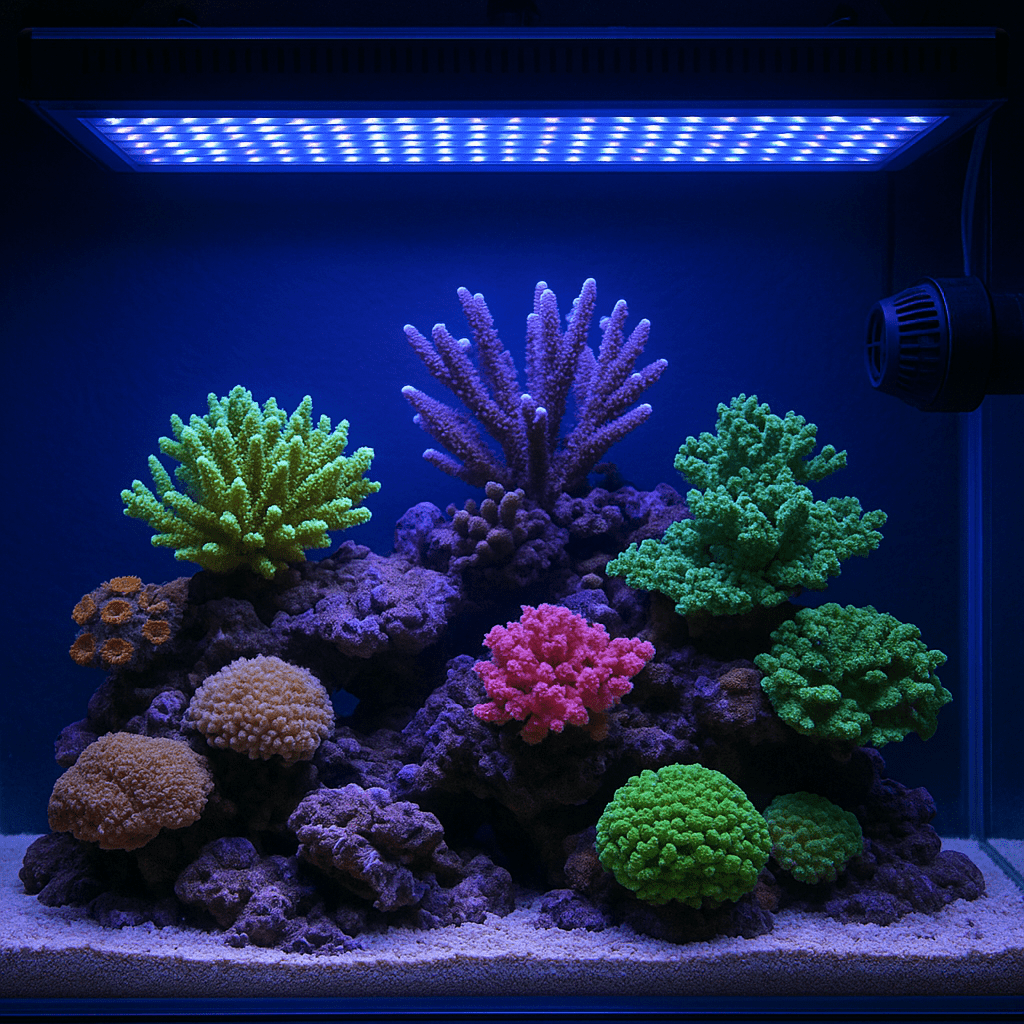
ORP in a reef aquarium measures the water’s oxidation and reduction potential. In simple terms, it reflects how clean, stable, and chemically active your water is. ORP is useful, but it should support your testing routine, not replace it.
Many reef keepers see ORP on a controller and wonder what it means. The number moves all day. It can rise after water changes. It can fall after feeding. That makes ORP seem confusing at first. Once you understand the basics, it becomes a helpful trend tool. In this guide, you will learn what ORP is, what affects it, normal reef tank ranges, and how to use it without chasing numbers. We will also cover ozone, probe care, and common ORP problems that hobbyists search for most often.
Quick Reference Table
| Topic | Key Information |
|---|---|
| What ORP means | Oxidation-reduction potential of aquarium water |
| Units | Millivolts (mV) |
| Typical reef range | Usually 250 to 400 mV |
| Low ORP may suggest | Heavy organics, low oxygen, dirty water, probe issues |
| High ORP may suggest | Very clean water, ozone use, fresh saltwater, probe drift |
| Best use | Track trends over time, not single readings |
| Can ORP replace tests? | No. Still test alkalinity, nitrate, phosphate, pH, and salinity |
| Big daily influences | Feeding, photosynthesis, gas exchange, maintenance, livestock load |
What ORP Means in a Reef Aquarium
ORP stands for oxidation-reduction potential. It is measured in millivolts. The reading shows the balance between oxidizing compounds and reducing compounds in the water. Oxidizers accept electrons. Reducers donate electrons. That sounds technical, but the practical takeaway is simple. ORP gives you a rough picture of water cleanliness and chemical activity.
Higher ORP often appears in cleaner, well-oxygenated water. Lower ORP often appears when organics build up. Fish waste, uneaten food, and bacterial activity can all push ORP down. This does not mean a lower number is always bad. Reef tanks are living systems. They naturally swing during the day.
Think of ORP as a dashboard gauge. It gives context. It does not diagnose every issue alone. A stable reef with happy corals can run at 280 mV. Another healthy tank may sit near 380 mV. The trend matters more than the exact number.
What Is a Normal ORP Range for Reef Tanks?
Most reef aquariums run somewhere between 250 and 400 mV. Many stable mixed reefs sit in the 300 to 350 mV range. Tanks with heavy feeding may run lower. Systems using ozone may run higher. Freshly mixed saltwater can also show a higher reading for a short time.
Do not assume that 400 mV is automatically better than 300 mV. A high ORP number does not guarantee healthy corals. It only suggests stronger oxidizing conditions. Coral health still depends on alkalinity, nutrient balance, salinity, temperature, and light.
Sudden changes matter more than the absolute value. If your tank normally runs at 330 mV and drops to 240 mV overnight, something changed. That could mean overfeeding, low oxygen, a dead snail, a dirty skimmer, or a probe problem. Use ORP to notice shifts early.
What Affects ORP in a Reef Aquarium?
Many factors influence ORP. Feeding is a major one. Frozen foods and coral foods add organics. ORP often drops soon after a heavy feeding. It may recover over several hours as bacteria and filtration process the waste.
Oxygen also matters. Better gas exchange usually supports higher ORP. Strong surface agitation, a clean skimmer, and open airflow around the sump can help. Photosynthesis affects ORP too. During the light cycle, algae and zooxanthellae produce oxygen. That can raise ORP. At night, oxygen often falls slightly, and ORP may decline.
Maintenance changes ORP as well. Water changes can raise it. Cleaning detritus from the sump can improve it over time. Carbon, skimming, and mechanical filtration can all help remove dissolved organics. Livestock load is another driver. More fish means more waste. More waste usually means more demand on filtration.
Probe condition also matters. Dirty probes often read low or unstable. Calibration and cleaning are essential before you trust the number.
How to Use ORP the Right Way
The best way to use ORP is to watch trends. Do not chase a target number every day. Instead, learn your tank’s normal pattern. Check how ORP behaves after feeding, after lights out, and after a water change. That pattern becomes your baseline.
If ORP slowly declines over weeks, look for accumulating organics. Clean the skimmer neck. Siphon detritus. Replace old filter socks. Check for dead spots in the aquascape. Review feeding amounts. These simple actions often improve water quality and stabilize the reading.
Never use ORP as a substitute for core reef testing. It cannot tell you nitrate, phosphate, alkalinity, calcium, or magnesium. It also cannot confirm whether nutrients are too low for coral color. A tank can have high ORP and still suffer from unstable alkalinity or starving corals.
Use ORP as one more data point. Combined with observation, it becomes valuable. On its own, it can mislead beginners.
Step-by-Step: Setting Up and Monitoring an ORP Probe
Start with a quality controller or monitor. Install the probe in an area with steady flow. The sump is usually best. Avoid placing it near dosing outlets. Keep it away from microbubbles if possible. Bubbles can cause unstable readings.
Rinse the new probe with RO/DI water. Follow the manufacturer’s setup instructions. Some probes need time to hydrate and stabilize. It may take hours or even a day before the reading settles. That is normal.
Once installed, do not react to every small swing. Watch the trend over several days. Record the normal daytime and nighttime range. Compare changes after maintenance. If the probe drifts wildly, clean it gently and recheck placement.
Clean the probe on a regular schedule. A light coating can affect readings. Use the manufacturer’s cleaning method. Recalibrate if required by your device. Replace old probes when they stop responding reliably. A bad probe creates bad decisions.
ORP and Ozone: Useful but Not Beginner Equipment
Ozone can raise ORP and improve water clarity. It works by oxidizing dissolved organics. In advanced systems, ozone can make the water look extremely clear. It can also reduce yellowing compounds. That said, ozone needs careful control.
Too much ozone is dangerous. It can irritate fish and damage gills. It can also harm you if gas escapes into the room. If you use ozone, run it through a proper reactor or skimmer setup. Use carbon on air and water exits. Control it with a reliable ORP controller. Set conservative limits.
Most beginner and intermediate reef tanks do not need ozone. Good husbandry usually does more. Strong skimming, regular water changes, smart feeding, and detritus control solve most issues that hobbyists hope ozone will fix. Consider ozone only after you understand your tank well.
Common Problems
Why is my ORP low?
Low ORP often points to excess organics or reduced oxygen. Check for overfeeding first. Then inspect the skimmer. Clean the cup and neck. Look for clogged filter socks. Siphon detritus from the sump and rockwork. Make sure return flow and surface agitation are adequate.
Also inspect the probe. A dirty probe can read falsely low. Clean it and compare the response over 24 hours. If fish are breathing hard, low oxygen may be part of the problem. Increase aeration immediately.
Why did ORP drop after feeding?
This is very common. Food adds dissolved and particulate organics. Bacteria begin processing that material right away. That biochemical activity can reduce ORP for several hours. A temporary drop is normal. A large drop that lasts all day may mean you are feeding too much for your filtration capacity.
Why is my ORP reading unstable?
Unstable readings often come from probe issues. Check for bubbles collecting on the probe tip. Move it to a calmer area with steady flow. Clean the probe. Review the cable path and controller connections. Electrical interference is less common, but it can happen. Keep probe cables tidy and away from noisy equipment when possible.
Can high ORP hurt corals?
High ORP from normal husbandry usually is not the direct problem. Problems happen when ozone is overdosed or changes are abrupt. Corals dislike instability. If ORP spikes after adding ozone, reduce the setpoint and inspect your equipment. Never push ORP higher just because you think the number should be bigger.
Practical Tips to Improve ORP Safely
Feed only what your fish and corals need. Rinse frozen foods if your nutrient plan supports it. Empty and clean the skimmer often. Replace dirty filter media on schedule. Increase random flow in areas where detritus settles. Keep the sump clean. Improve gas exchange with strong surface movement.
Regular water changes also help. So does stable stocking. Avoid adding too many fish too quickly. If you carbon dose, monitor the tank closely. Bacterial blooms can affect oxygen and ORP. Any action that improves export and oxygenation tends to support better ORP trends.
For more help with water quality, see water parameter basics, protein skimmer setup guide, reef tank cycling guide, and nitrate and phosphate control.
Frequently Asked Questions
Is ORP important in a reef tank?
Yes, but it is a secondary metric. ORP helps you track water quality trends. It should not replace standard reef testing or visual observation.
What is a good ORP number for a reef aquarium?
Most healthy reef tanks fall between 250 and 400 mV. Many stable systems sit around 300 to 350 mV. Consistency matters more than the exact value.
Should I chase a higher ORP reading?
No. Chasing ORP often causes unnecessary changes. Focus on stable husbandry, clean equipment, and proper feeding. Let ORP improve as a result.
Does ORP go down at night?
Often, yes. Photosynthesis stops in the dark period. Oxygen can dip slightly overnight. That can lower ORP until the lights come back on.
Do I need an ORP monitor as a beginner?
Not necessarily. Beginners should first master salinity, temperature, alkalinity, nitrate, and phosphate. ORP becomes more useful once those basics are stable.
ORP is best viewed as a trend line for reef tank cleanliness and oxygen-linked chemistry. It can reveal useful changes early. Still, it works best beside strong reef husbandry, not in place of it. Keep your tank stable, keep your probe clean, and let ORP support your decisions rather than control them.
Was this helpful?
Related Posts
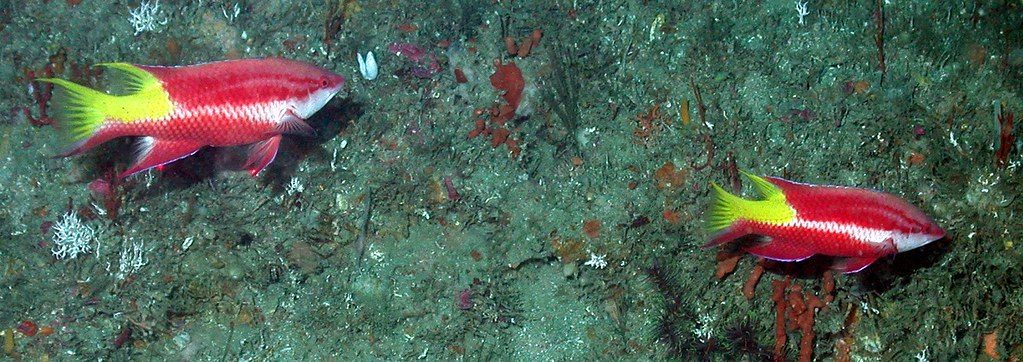
Cuban Hogfish (bodianus Pulchellus)
Cuban Hogfish care is straightforward in larger reef tanks. Learn tank size, diet, compatibility, and reef safety before…
 By
ByWhat to Do During a Power Outage
A reef tank power outage demands fast action. Protect oxygen, temperature, and circulation first to keep fish and…
 By
By[favorite_button]
My Bookmarks:
To see full list click here
[user_favorites user_id="" include_links="true" site_id="" post_types="" include_thumbnails="true" thumbnail_size="thumbnail" include_excerpt="false"]