Why Water Quality Is Everything in a Saltwater Aquarium
In the saltwater aquarium hobby, water quality is the difference between a thriving reef and a constant battle with algae, disease, and coral loss. Fish, corals, and invertebrates all live in a narrow comfort zone, so understanding and controlling your water parameters is one of the most important skills you can develop.
If you are just starting out, it can help to read about setting up a saltwater aquarium first, then use this guide to fine-tune your water.
Key Water Parameters for a Healthy Marine Tank
While there are many values you can track, a few core parameters matter most for day-to-day success:
Salinity & Temperature
- Salinity: 1.024–1.026 specific gravity (35 ppt is a common target)
- Temperature: 76–79°F (24–26°C) with minimal daily swings
Use a reliable refractometer (not a cheap swing-arm hydrometer) and calibrate it regularly. Pair a quality heater with a separate thermometer or controller to avoid dangerous temperature spikes.
Ammonia, Nitrite, and Nitrate
These nitrogen-cycle parameters are crucial, especially in newer tanks:
- Ammonia (NH3): 0 ppm
- Nitrite (NO2): 0 ppm
- Nitrate (NO3): ideally < 10–20 ppm for mixed reefs; < 30 ppm for fish-only
Persistent ammonia or nitrite means your biological filtration is not fully established. Before adding sensitive corals, make sure your tank has completed the saltwater aquarium cycle.
pH, Alkalinity, Calcium, and Magnesium
These parameters are especially important in reef tanks with stony corals and clams:
- pH: 7.8–8.4 (stable is more important than chasing a specific number)
- Alkalinity: 7–11 dKH (pick a target and keep it steady)
- Calcium: 400–450 ppm
- Magnesium: 1250–1400 ppm
Alkalinity drives pH stability and coral skeleton growth; calcium and magnesium support healthy calcification. In low-demand tanks, regular water changes with a quality reef salt may be enough. As corals grow, you may need dosing, kalkwasser, or a calcium reactor.
Practical Habits for Maintaining Excellent Water Quality
Consistency beats perfection. Stable, “pretty good” water is better than numbers that swing wildly while you chase ideal values.
Test Regularly and Log Results
- Use reliable test kits and replace them before they expire.
- Test weekly for salinity, temperature, nitrate, and alkalinity; test calcium and magnesium at least monthly in reef tanks.
- Keep a simple log (notebook or app) to spot trends before problems appear.
Water Changes and Source Water
- Perform 10–15% water changes every 1–2 weeks, adjusting frequency based on your bioload.
- Use RO/DI water to avoid importing phosphate, nitrate, and metals from tap water.
- Mix saltwater for at least a few hours (ideally overnight) with a powerhead and heater before use.
Filtration and Nutrient Export
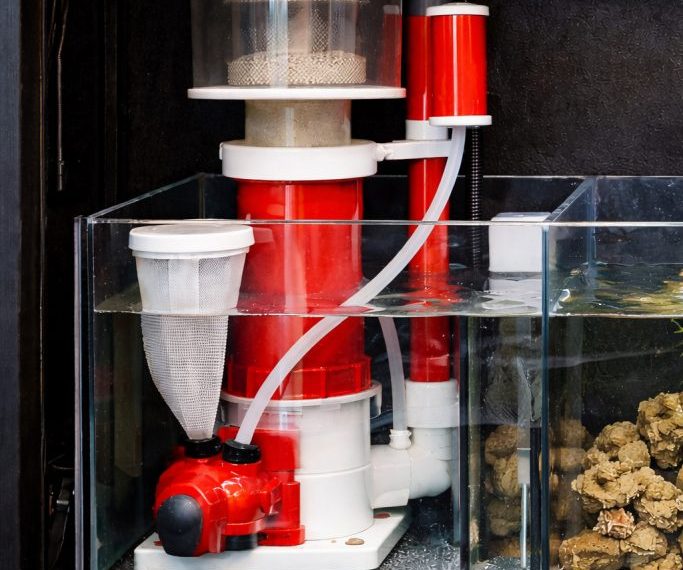
- Size your protein skimmer for at least the system volume; oversizing slightly is helpful.
- Use mechanical filtration (filter socks, floss) and change it frequently to prevent trapped waste from breaking down.
- Consider refugiums, macroalgae, or media like GFO if phosphate and nitrate creep up.
For more ideas on long-term care, see our guide to saltwater aquarium maintenance.
Bringing It All Together
Water quality in aquariums is not about chasing perfect numbers; it is about understanding what your animals need and keeping those conditions stable. By monitoring core parameters, using clean source water, and sticking to simple maintenance routines, you create an environment where fish are active, corals extend their polyps, and algae is kept in check. With time, testing and adjusting your water will feel less like a chore and more like a powerful tool for building the reef you’ve always wanted.
Sources
- Sprung, J. & Delbeek, J. C. The Reef Aquarium, Vol. 1–3. Ricordea Publishing.
- Paletta, M. The New Marine Aquarium. Microcosm.
- Borneman, E. H. Aquarium Corals. TFH Publications.
Was this helpful?
Related Posts
Protein Skimmer Reef Tank Guide
Learn how a protein skimmer works, how to size one, and how to tune it for a cleaner,…
 By
By
Reef Aquarium Water Parameters
Learn the ideal reef aquarium water parameters, safe ranges, and how to keep salinity, alkalinity, nutrients, and pH…