

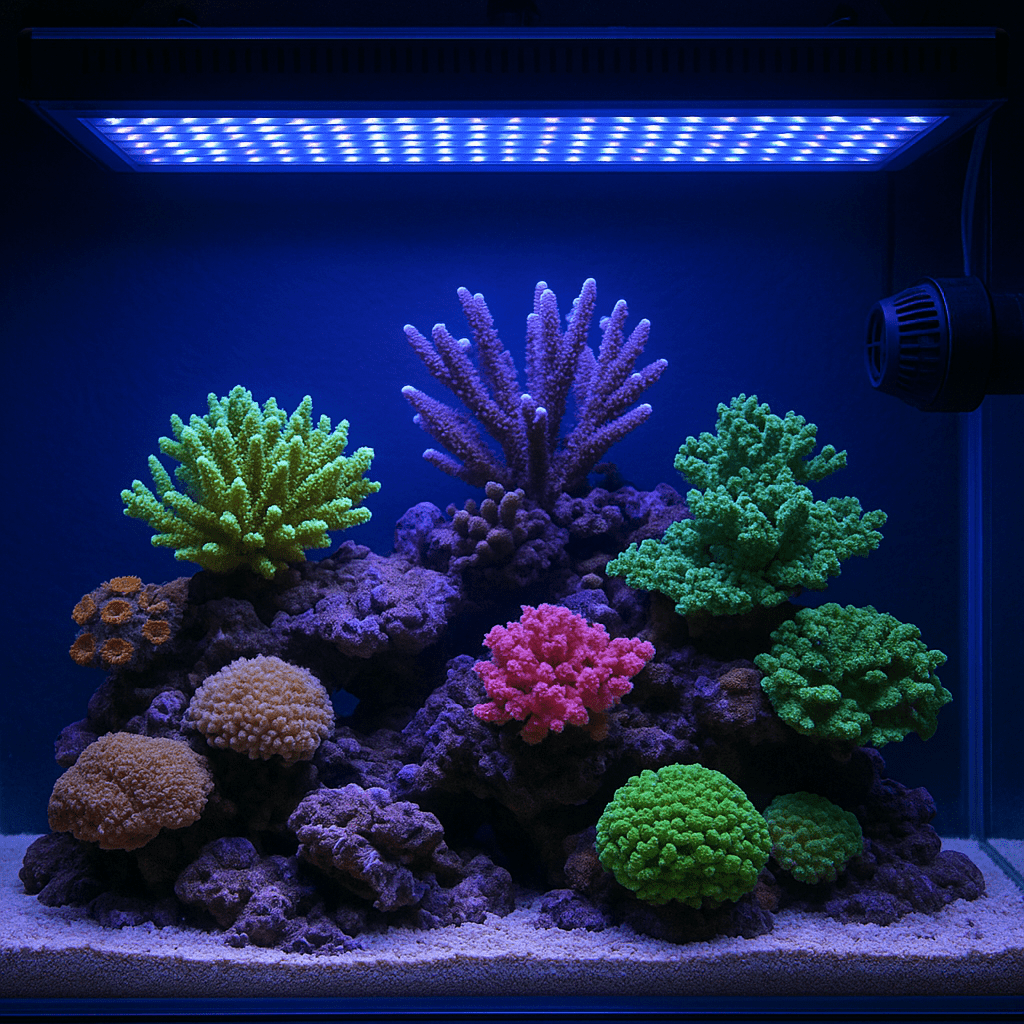
Nano reefs swing more than big tanks because small water volume changes fast. Heat rises quicker. Salinity shifts faster. Nutrients build sooner. Dosing mistakes hit harder. Stable nano reefs are possible, but they demand tighter habits, better planning, and closer observation than larger systems.
Nano reef aquariums are exciting. They fit small spaces. They cost less to start. They also look stunning on a desk or counter. Yet many beginners learn one hard lesson fast. Small tanks are less forgiving. A missed top off can raise salinity. A small feeding mistake can spike nutrients. One dying snail can affect water quality. In this guide, you will learn why nano reefs are less stable, which parameters swing most, how those swings affect corals and fish, and what practical steps help keep a small reef steady over time.
Quick Reference Table
| Factor | Nano Reef Impact | Why It Happens | Best Prevention |
|---|---|---|---|
| Salinity | Changes very fast | Evaporation removes water, not salt | Use an ATO and mark water level |
| Temperature | Heats and cools quickly | Low water volume has less thermal buffer | Use a reliable heater and monitor room heat |
| Alkalinity | Drops or spikes quickly | Small dosing errors have bigger effect | Test often and dose slowly |
| Nutrients | Rise quickly after feeding | Small volume dilutes waste less | Feed lightly and export nutrients weekly |
| pH | Can fluctuate daily | Gas exchange changes affect small tanks faster | Improve aeration and keep alkalinity stable |
| Oxygen | Can fall fast at night | Lower total water mass holds less reserve | Ensure strong surface agitation |
Why Small Water Volume Is Less Stable
The main reason is simple. Small tanks have less dilution. In a large reef, one extra cube of frozen food spreads out more. In a nano reef, that same food load is concentrated. The same rule applies to waste, heat, additives, and contaminants. Every input has a stronger effect.
Think of it like adding a spoon of dye to two cups. One cup holds a gallon. The other holds a bucket. The smaller container changes color faster. Reef chemistry works the same way. If alkalinity falls by a small amount each day, a tiny system can show that drop sooner. If a coral starts consuming more calcium, the shift becomes visible faster. This is why nanos can look perfect one day and stressed the next.
Small tanks also leave less room for error. Equipment failure matters more. A heater stuck on can overheat a nano quickly. A return pump stopping can reduce oxygen sooner. Even a blocked filter sock can change water level and flow. In larger tanks, there is often more time to catch the problem.
Salinity Swings Happen Fast in Nano Reefs
Salinity is often the first major swing nano keepers face. Water evaporates every day. Salt does not. In a large tank, one quart of evaporation may barely move salinity. In a 10-gallon reef, it can matter a lot. This is especially true in dry homes or under strong lighting.
Corals dislike sudden salinity changes. Soft corals may close up. LPS can recede. SPS may lose polyp extension. Shrimp and snails are also sensitive. Fish often tolerate swings better, but repeated stress still weakens them over time.
The best solution is an automatic top off system. An ATO replaces evaporated freshwater in small amounts. That keeps salinity far steadier. If you top off by hand, do it daily at the same time. Use fresh RO/DI water only. Never top off with saltwater. Marking the normal water line on the tank or sump also helps you catch changes early.
If you want a deeper look at water consistency, see: reef tank salinity guide
Temperature Fluctuations Are More Severe
Nano reefs gain and lose heat quickly. A small water body has less thermal mass. That means room temperature changes affect it faster. A sunny window can warm the tank in hours. A cold night can drop temperature before morning. Cheap heaters make this worse.
Stable temperature matters because coral metabolism depends on it. Sudden changes can trigger stress, reduced feeding, and tissue recession. Fish may breathe faster. Invertebrates can become inactive. Repeated swings often do more harm than a slightly imperfect but stable number.
Use a quality heater with a reliable thermostat. Many hobbyists also use an external temperature controller for backup. Keep the tank away from windows, vents, and exterior doors. Watch summer heat carefully. Nano reefs can overheat from room conditions alone. A small fan can help with cooling, but remember that fans increase evaporation. That means salinity control becomes even more important.
Alkalinity, Calcium, and pH Shift Faster
Corals and coralline algae consume alkalinity and calcium every day. In a nano reef, that daily use can change test results faster than many beginners expect. This becomes obvious once stony corals start growing. A tank may test fine on Sunday and low by Wednesday.
Dosing mistakes also hit harder in small systems. One extra milliliter may be minor in a 100-gallon reef. In a 15-gallon tank, it can push alkalinity up sharply. Those swings can irritate SPS and LPS corals. Burnt tips, poor extension, and tissue recession often follow unstable alkalinity.
Test alkalinity regularly. Weekly may work for soft coral tanks. Mixed reefs often need more frequent checks. Dose small amounts slowly. Avoid chasing exact numbers every day. Stability matters more than perfection. pH can also swing more in nanos, especially in closed homes. Better gas exchange, stable alkalinity, and fresh air near the tank can help.
For parameter basics, read: ideal reef tank parameters
Nutrients Build Up Faster After Feeding
Nitrate and phosphate can rise quickly in a nano reef. The cause is simple. Small water volume has less capacity to dilute waste. Heavy feeding, uneaten food, fish waste, and dying algae all show up faster on test kits. This is why overstocked nano tanks often struggle.
High nutrients do not always mean disaster. Many soft corals like a little nutrient in the water. Problems begin when levels climb too fast or stay high for too long. You may see nuisance algae, cyanobacteria, cloudy water, or coral browning. In severe cases, oxygen can drop at night as excess organics break down.
Feed small amounts. Watch your fish eat. Remove leftovers. Use a skimmer if your setup supports one, though many nano reefs succeed without it. Weekly water changes are powerful in small tanks. They reset trace elements and export nutrients at the same time. A small bag of carbon or phosphate media can also help when used carefully.
Helpful reading: how often to change reef tank water
Biological Stability Is Smaller Too
Big tanks usually hold more live rock, more sand surface, and more total bacteria. That creates a larger biological buffer. Nano reefs can still process waste well, but they have less margin. If you clean too aggressively, replace too much media at once, or disturb the rockwork, the biofilter may react faster.
This matters during stocking. Adding one fish to a 20-gallon tank is a much bigger jump than adding one fish to a 120-gallon tank. The bacterial population needs time to adjust. The same is true for heavier feeding. A nano reef often looks stable until one extra animal pushes it past its comfort zone.
Slow stocking is the safest path. Quarantine fish when possible. Add clean-up crew members in stages. Avoid replacing all filter media at once. Rinse mechanical media often, but do not sterilize everything at the same time. Stability comes from consistency, not from constant deep cleaning.
Step-by-Step: How to Keep a Nano Reef Stable
- Choose the largest nano you can fit. A 25-gallon tank is easier than a 10-gallon tank.
- Install an ATO early. It prevents the most common swing.
- Use a reliable heater. Add a temperature controller if possible.
- Stock lightly. Fewer fish means fewer nutrient spikes.
- Feed small portions. Observe every feeding.
- Test salinity and alkalinity often. Increase testing when corals grow.
- Do weekly water changes. Small, regular changes work best.
- Keep maintenance consistent. Avoid big corrections.
- Place the tank away from sunlight and vents.
- Track results in a log. Trends matter more than single numbers.
This routine is simple, but it works. Nano reefs reward discipline. They punish neglect faster than larger systems. A stable small tank often comes from boring habits repeated well.
Common Problems
Why does my nano reef salinity keep rising?
The usual cause is evaporation. Open tops, fans, and dry air speed it up. Add an ATO or top off daily with RO/DI water. Check for leaks and splash loss too.
Why do my corals look fine some days and closed the next?
Small parameter swings are often the cause. Check temperature, salinity, alkalinity, and recent feeding. Also inspect for chemical changes from new media, additives, or hands in the tank.
Why is algae taking over my nano reef so fast?
Nutrients likely rose faster than export. Reduce feeding, remove detritus, test nitrate and phosphate, and increase water change consistency. Check source water quality as well.
Why did alkalinity drop so quickly?
Growing corals and coralline algae may be consuming more than expected. Test at the same time each day for several days. Then adjust dosing slowly.
More troubleshooting help: beginner reef tank mistakes
Are Nano Reefs Bad for Beginners?
Not necessarily. Nano reefs can be great beginner tanks if expectations are realistic. They are cheaper to fill, light, and maintain. Water changes are fast. Problems are easier to inspect because the system is small. Many hobbyists learn reef basics well on a nano.
The challenge is forgiveness. A larger tank usually gives you more time to react. A nano asks you to be proactive. If you enjoy routine and close observation, a nano can thrive. If you travel often or skip maintenance, a bigger system may actually be easier long term.
The best beginner nano is not the tiniest one. If space allows, choose something in the 20 to 40-gallon range. That still feels compact, but it offers more stability than a pico or desktop reef.
Frequently Asked Questions
Do nano reefs need more water changes than big tanks?
Usually, yes. Regular water changes help control nutrients and refresh trace elements. Weekly changes are common and effective.
What is the hardest parameter to keep stable in a nano reef?
Salinity is often the hardest at first. Evaporation changes it quickly. Alkalinity becomes harder once stony corals grow.
Is a 10-gallon reef harder than a 30-gallon reef?
Yes. Both are considered nano reefs by many hobbyists, but 30 gallons offers much more stability and room for error.
Can nano reefs keep SPS corals?
Yes, but stability must be excellent. SPS corals react strongly to alkalinity, temperature, and nutrient swings.
What is the best upgrade for nano reef stability?
An automatic top off system is often the best first upgrade. It solves one of the biggest daily causes of instability.
Nano reefs swing more than big tanks because every change is concentrated. That is the core lesson. The good news is that most swings are preventable. Keep water level stable. Feed lightly. Test consistently. Make small adjustments. Respect the limits of small volume. Do that, and a nano reef can be just as beautiful as a large display.
Was this helpful?
Related Posts
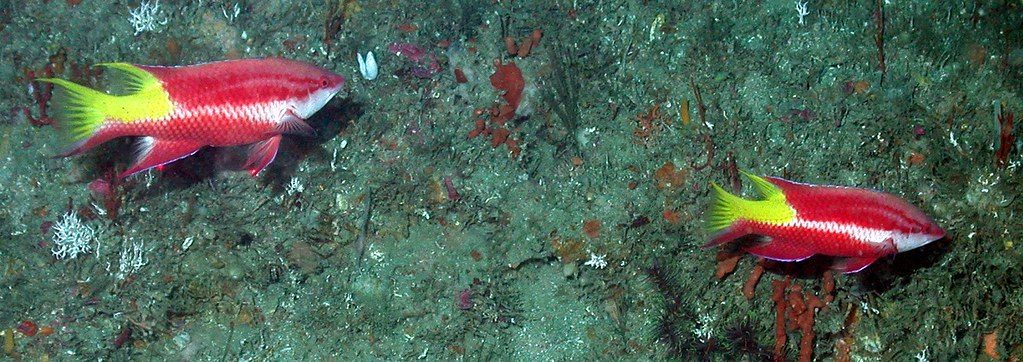
Cuban Hogfish (bodianus Pulchellus)
Cuban Hogfish care is straightforward in larger reef tanks. Learn tank size, diet, compatibility, and reef safety before…
 By
ByWhat to Do During a Power Outage
A reef tank power outage demands fast action. Protect oxygen, temperature, and circulation first to keep fish and…
 By
By[favorite_button]
My Bookmarks:
To see full list click here
[user_favorites user_id="" include_links="true" site_id="" post_types="" include_thumbnails="true" thumbnail_size="thumbnail" include_excerpt="false"]