

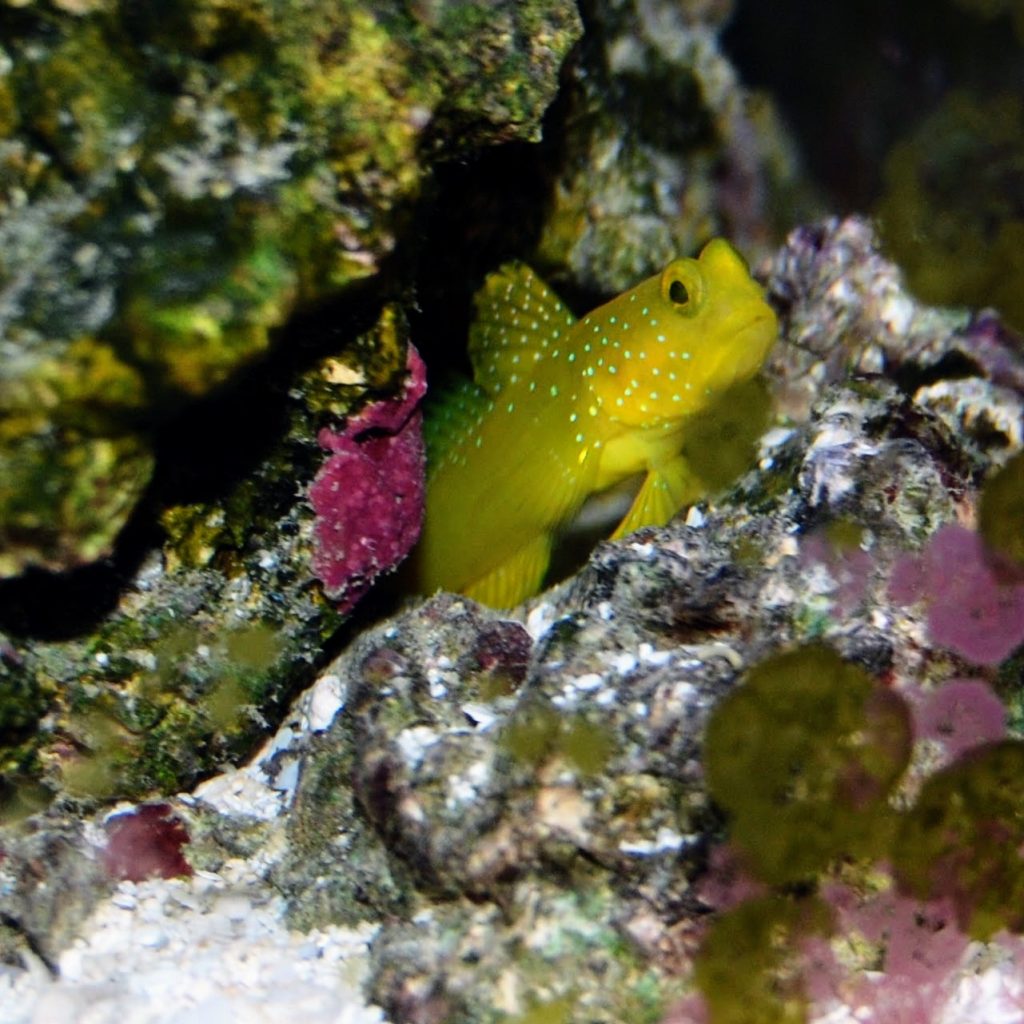
The Yellow Watchman Goby is one of the best reef fish for beginners. It stays small, has a bold personality, and often forms a famous partnership with pistol shrimp. This hardy sand-dweller adapts well to peaceful reef tanks when given a secure burrow, stable water, and a covered aquarium.
If you are considering Cryptocentrus cinctus, this guide covers the essentials. You will learn about tank size, habitat, feeding, compatibility, shrimp pairing, and common care mistakes. The goal is simple. Help you keep a healthy Yellow Watchman Goby that eats well, stays visible, and thrives long term in a reef aquarium.
Quick Care Facts
| Common name | Yellow Watchman Goby |
| Scientific name | Cryptocentrus cinctus |
| Care level | Easy to moderate |
| Temperament | Peaceful, territorial near burrow |
| Adult size | About 3 to 4 inches |
| Minimum tank size | 20 gallons |
| Diet | Carnivore, small meaty foods |
| Reef safe | Yes |
| Ideal temperature | 76 to 80°F |
| Salinity | 1.024 to 1.026 specific gravity |
| pH | 8.1 to 8.4 |
| Special note | May pair with pistol shrimp |
This fish is often sold as a beginner goby. That reputation is deserved. It is durable once established and usually accepts prepared foods. It also brings natural behavior to the tank. Watching one guard its burrow is part of the appeal. The shrimp partnership makes it even more interesting.
Natural Habitat
The Yellow Watchman Goby occurs in the Indo-Pacific region. It is found around sandy bottoms, rubble zones, and reef flats. In nature, it spends much of its time near a burrow. That burrow offers safety from predators and a place to retreat when startled.
This species is best known for its symbiotic relationship with alpheid pistol shrimp. The shrimp digs and maintains the burrow. The goby acts as a lookout. The goby has better vision. The shrimp has poor eyesight. Together, they form one of the reef’s most famous partnerships. In aquariums, this behavior can be recreated if conditions are right.
Understanding this habitat helps with care. These fish do not want open water. They want sand, rock, and a secure home base. If the tank is too bare, the goby may hide constantly. If the substrate is too coarse, burrow building becomes harder. A natural setup makes a major difference.
Aquarium Setup
A 20-gallon tank is the practical minimum for one Yellow Watchman Goby. A larger tank is even better. More space improves stability and reduces territorial stress. If you want to keep a pistol shrimp with it, give the pair enough room near the bottom.
Use a sand bed at least 1 to 2 inches deep. Fine sand or a mixed sand-and-rubble bed works well. Add stable live rock with caves and overhangs. Place rock directly on the tank bottom before adding sand. This prevents collapses if the fish or shrimp digs under the structure.
A tight lid is essential. Yellow Watchman Gobies can jump, especially during acclimation or when chased. Many losses happen from open tops. Keep the aquascape calm and practical. Leave some open sand in the front. This lets you enjoy the goby’s natural behavior. For help building a stable reef base, see: reef tank aquascaping basics.
Lighting Requirements
The Yellow Watchman Goby has no demanding lighting needs. It is not a photosynthetic animal. Standard reef lighting is fine if corals are present. What matters more is shelter. Bright light without shaded areas can make this fish feel exposed.
Provide caves, ledges, and low areas around the burrow entrance. The goby will often sit half-exposed and watch the tank. That is normal behavior. It does not need intense light to thrive. In fact, many gobies are more confident when the aquascape breaks up direct light.
If your reef uses strong LEDs for SPS corals, that is not a problem by itself. Just make sure the bottom zone includes protected areas. Fish stress often comes from exposure, not the fixture itself. If you are adjusting a mixed reef, this guide may help: reef aquarium lighting guide.
Water Flow
Moderate flow is ideal. The Yellow Watchman Goby does not enjoy strong, direct current at the substrate. Heavy flow can collapse burrows, move sand, and make feeding harder. Aim for varied circulation through the tank, but keep the goby’s area calmer.
This fish will often perch near the entrance and dart back inside if threatened. If wave pumps blast the sand bed, the goby may stay hidden more often. Point pumps higher in the tank or use random flow modes. This keeps oxygen and nutrient movement high without turning the bottom into a storm.
In mixed reefs, balance is key. Corals may need stronger flow than the goby prefers. The solution is zoning. Build lower-flow pockets around the burrow while maintaining broader circulation elsewhere. Stable flow patterns help both the fish and any paired shrimp keep a secure home.
Feeding
Yellow Watchman Gobies are carnivores. They eat small meaty foods in captivity. Most settle in well with frozen mysis shrimp, finely chopped seafood, brine shrimp, and quality sinking pellets. Some also accept flakes, but frozen and pellet foods are usually more reliable.
Feed once or twice daily in small portions. Target feeding near the burrow can help shy specimens. Use a turkey baster or pipette if needed. New arrivals may refuse food for a day or two. That is common. Keep the environment calm and avoid overfeeding the tank.
Variety matters. Rotating foods supports better nutrition and stronger immune function. Soak foods in vitamins if the fish looks thin after shipping. A healthy goby has a full belly, alert posture, and quick feeding response. For broader nutrition advice, see: best food for reef fish.
Compatibility
This species is reef safe. It does not bother corals and is usually safe with invertebrates. It works well in peaceful community tanks with clownfish, firefish, cardinalfish, blennies, and many small wrasses. Avoid aggressive tank mates that may harass bottom-dwellers.
Be cautious with other gobies that occupy the same niche. Two bottom territories can lead to conflict in smaller tanks. Larger aquariums offer more flexibility. Keep only one Yellow Watchman Goby unless you have a confirmed pair and enough space. Even then, success varies.
The best-known pairing is with pistol shrimp, especially species in the genus Alpheus. The relationship is fascinating and often stable in captivity. Introduce both into a suitable sandy area with rubble. Then give them time. For more stocking advice, read: peaceful reef fish for beginners.
How to Introduce a Yellow Watchman Goby
Start with quarantine if possible. This helps prevent marine ich and other common diseases. Observe the fish for eating response, breathing rate, and external damage. A healthy specimen should perch normally and react to movement.
Acclimate slowly to salinity and temperature. Sudden changes stress gobies. Dim the lights during introduction. Release the fish near rock and sand, not in open flow. If you also have a pistol shrimp, place both near the same burrow zone. They may pair quickly, or it may take days.
Do not panic if the goby hides at first. Many new fish stay out of sight while adjusting. Offer food near the entrance and avoid rearranging the tank. Stability is the best tool during the first week. If you need help with disease prevention, visit: reef fish quarantine guide.
Propagation and Breeding
Can Yellow Watchman Gobies Breed in Aquariums?
Yes, they can spawn in captivity, though it is not common in casual home reefs. A compatible pair may lay eggs in or near a burrow. The male usually guards the eggs. Stable water quality and a low-stress environment improve the chances.
Challenges of Raising the Fry
Raising larvae is the difficult part. The fry are tiny and need specialized live foods. They also require separate rearing systems and careful timing. Most hobbyists enjoy the spawning behavior but do not raise the young successfully without dedicated effort.
Common Problems
Why is my Yellow Watchman Goby hiding all the time?
Hiding is normal at first. Ongoing hiding usually points to stress. Common causes include aggressive tank mates, too much flow, lack of burrow options, or recent tank changes. Add more cover, reduce disturbance, and confirm that no fish is chasing it.
Why is my goby not eating?
New arrivals often skip meals briefly. If the problem continues, check for bullying, poor acclimation, or disease. Offer small frozen foods near the burrow. Turn off pumps during feeding if needed. Watch for rapid breathing or visible spots.
Why does my goby keep moving sand?
This is natural behavior. The fish is shaping its burrow or cooperating with a shrimp. It can annoy coral keepers if frags sit too close to the substrate. Move sensitive corals higher and secure loose rockwork.
Why did my goby jump?
Jumping usually follows stress. Sudden lights, chasing, poor acclimation, or an uncovered top are common reasons. Use a mesh lid and keep the environment calm. Many reef fish are more likely to jump than new keepers expect.
Frequently Asked Questions
Is the Yellow Watchman Goby good for beginners?
Yes. It is one of the better beginner reef fish. It is hardy, small, reef safe, and full of personality.
How big does a Yellow Watchman Goby get?
Most reach about 3 to 4 inches in captivity. Good nutrition and stable care support full growth.
Can a Yellow Watchman Goby live without a pistol shrimp?
Yes. The shrimp partnership is optional. The goby can live very well alone if it has a secure burrow and calm tank mates.
Will it eat coral or bother invertebrates?
No. This species is considered reef safe. It does not nip corals and usually ignores ornamental invertebrates.
What is the best tank size for a Yellow Watchman Goby and pistol shrimp pair?
A 20-gallon tank can work, but 30 gallons or more is better. Extra room improves stability and reduces territorial issues.
Final Thoughts
The Yellow Watchman Goby earns its popularity. It is attractive, useful, and fun to watch. Its behavior feels natural in a reef tank. Give it sand, rock, a calm bottom zone, and stable water. Feed small meaty foods consistently. Keep aggressive fish away. If you do that, this goby usually becomes a long-lived and rewarding reef resident.
Was this helpful?
Related Posts
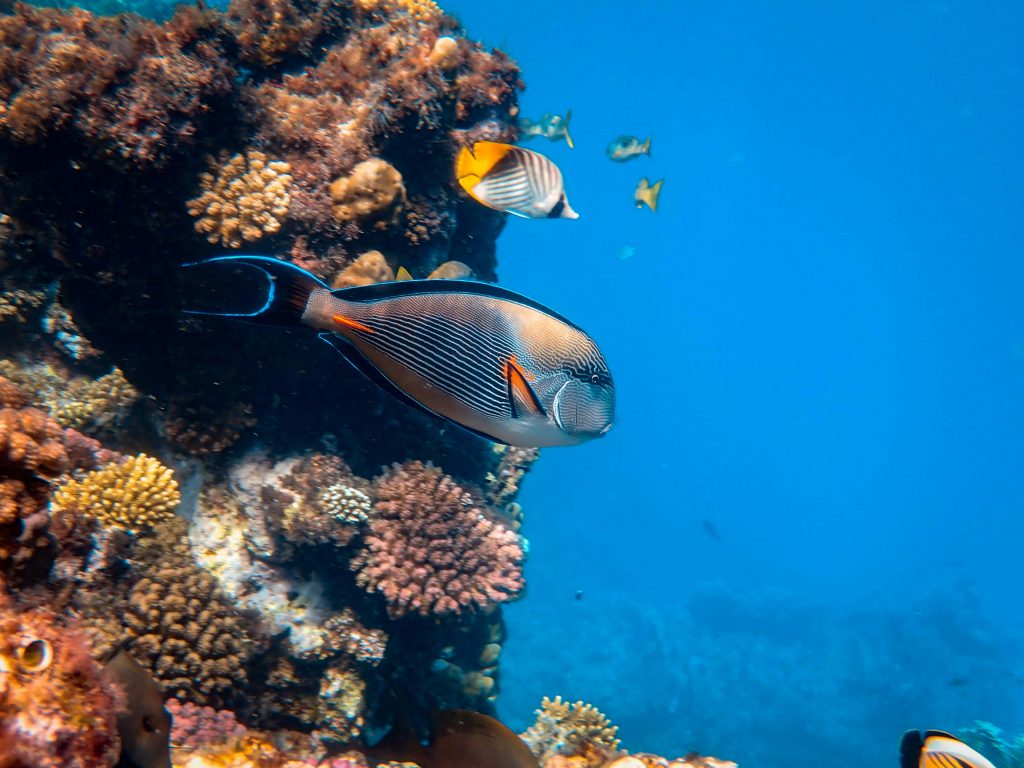
Sohal Tang (Acanthurus Sohal)
Sohal Tang care centers on space, heavy feeding, and aggression control. Learn tank size, diet, compatibility, and common…
 By
By
Reef Safe Fish Guide
Learn which reef safe fish work best in coral tanks, plus species to avoid, compatibility tips, and beginner-friendly…
[favorite_button]
My Bookmarks:
To see full list click here
[user_favorites user_id="" include_links="true" site_id="" post_types="" include_thumbnails="true" thumbnail_size="thumbnail" include_excerpt="false"]