

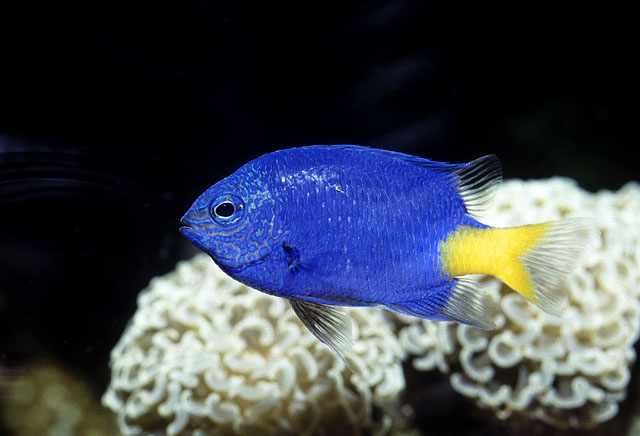
The Yellowtail Damselfish is one of the best beginner marine fish. It stays small, shows bold color, and adapts well to reef tanks. It is also tougher than many nano fish. The main caution is temperament. This species can become territorial as it matures.
In this guide, you will learn how to keep Chrysiptera parasema successfully. We will cover tank size, aquascaping, feeding, reef compatibility, behavior, and common problems. If you want a bright blue fish with a yellow tail that can handle a newer reef system, this damselfish deserves a close look.
Quick Care Facts
| Common name | Yellowtail Damselfish |
| Scientific name | Chrysiptera parasema |
| Care level | Easy |
| Temperament | Semi-aggressive |
| Adult size | About 2.5 to 3 inches |
| Minimum tank size | 20 gallons for one, larger for groups |
| Diet | Omnivore |
| Reef safe | Yes |
| Water temperature | 76 to 80°F |
| Salinity | 1.024 to 1.026 |
| pH | 8.1 to 8.4 |
| Ideal placement | Rockwork with caves and retreat zones |
The quick summary is simple. Yellowtail Damsels are hardy, colorful, and reef safe. They do best in stable tanks with plenty of rock cover. They are easier than many marine fish, but they still need thoughtful stocking to avoid aggression.
Natural Habitat
The Yellowtail Damselfish comes from the Indo-Pacific. It is found around coral-rich coastal reefs. In nature, it stays close to structure. It uses branching corals, rubble, and rock crevices for shelter. That behavior matters in captivity.
This fish is not a wide-open swimmer like a tang. It prefers short dashes between safe zones. It also defends a small territory when threatened. That is why bare tanks often make them nervous. A reef with caves and broken sight lines suits them much better.
On wild reefs, these fish feed on small planktonic foods and algae-based material. They pick at what the current brings. They also stay alert for predators. A secure aquascape and regular feeding schedule help recreate that natural rhythm in the aquarium.
Aquarium Setup
A single Yellowtail Damselfish can live in a 20-gallon tank. Bigger is always better. A 30-gallon or larger tank gives more territory and reduces conflict. If you want multiple damsels or a mixed community, increase tank size further.
Build the aquascape with caves, arches, and branching areas. Leave swimming room in the front. Create several hiding zones, not just one. This helps the fish feel secure. It also limits chasing if tankmates get too close.
Use stable reef parameters. Keep ammonia and nitrite at zero. Keep nitrate low, though this fish tolerates modest levels better than delicate species. Strong filtration helps. So does regular maintenance. A mature tank is ideal, but this species can adapt to newer systems if the cycle is complete.
If you are planning a nano reef, read our guide on best nano reef fish. It helps with smart stocking and compatibility.
Lighting Requirements
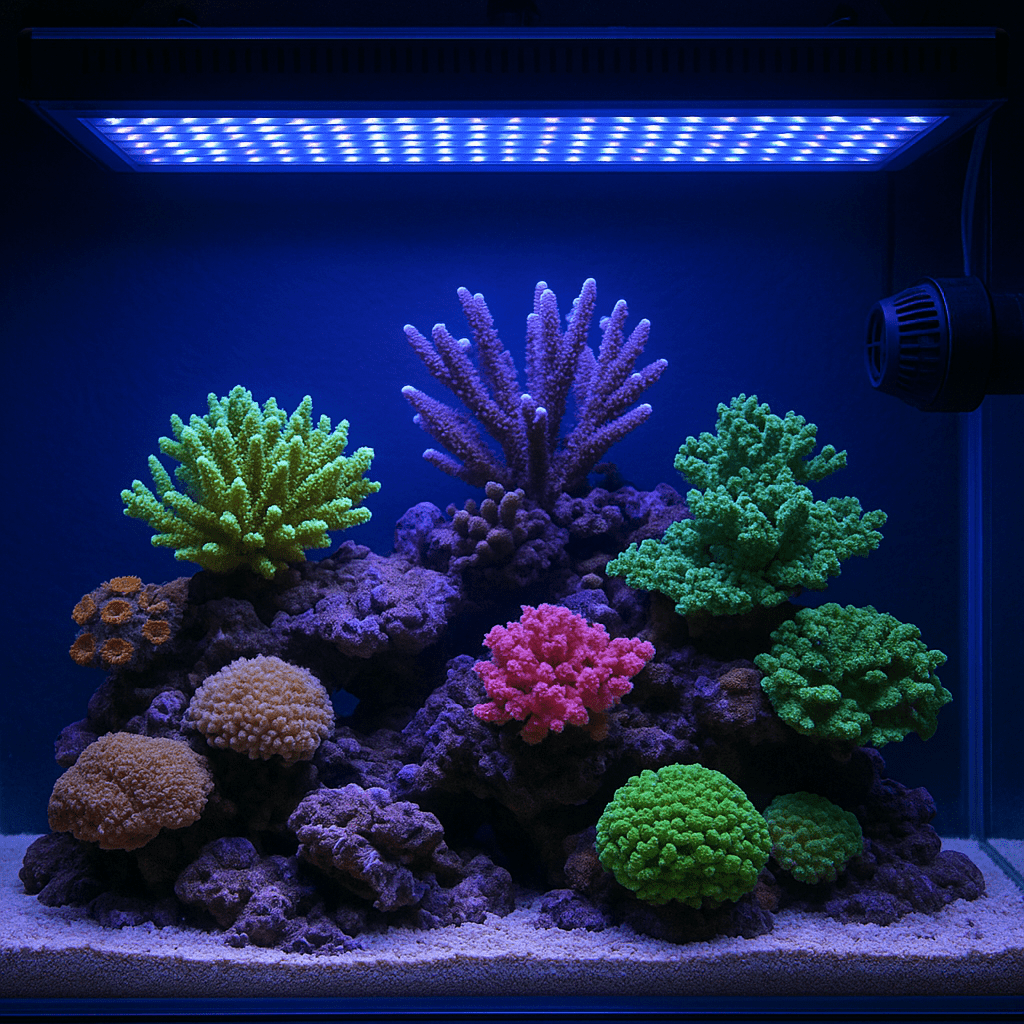
Yellowtail Damselfish have no special lighting demands. They are not photosynthetic animals. Your lighting should match the needs of the corals, not the fish. That said, moderate reef lighting tends to show their color best. The electric blue body and bright yellow tail really stand out under balanced spectrum LEDs.
Avoid sudden changes in intensity. Fast shifts can startle fish and increase stress. Use a ramp-up and ramp-down schedule if possible. This creates a more natural day cycle. It also reduces panic swimming when lights switch on or off.
If your tank has bright lighting for SPS corals, make sure shaded zones exist in the rockwork. The fish will choose where it feels comfortable. This is another reason complex aquascaping matters in reef fish husbandry.
Water Flow
Moderate water flow works best. In the wild, these fish live around reefs with constant movement. They can handle stronger circulation than many beginners expect. Still, they should not be forced to fight direct pump output all day.
Create varied flow zones. Let one area have stronger turbulence for coral health. Keep calmer pockets around the rockwork. The fish will move between them. This setup also benefits many reef invertebrates.
Watch behavior after adding powerheads. If the fish hides constantly or struggles to hold position, redirect the pumps. If it swims confidently and uses the whole tank, your flow is likely appropriate.
Feeding
Yellowtail Damselfish are easy feeders. They accept flakes, pellets, frozen foods, and many prepared reef diets. This makes them a strong choice for beginners. Even so, variety matters. A mixed diet supports color, immune function, and long-term vigor.
Feed small portions once or twice daily. Offer quality marine pellets as a staple. Rotate in frozen mysis, brine shrimp, finely chopped seafood, and herbivore blends. Foods with spirulina are useful. So are foods rich in marine proteins and vitamins.
Do not overfeed. Damsels are bold eaters and will beg often. Extra food raises nutrients and fuels algae. Feed only what they consume quickly. If you keep a mixed reef, target-feed corals after the fish are distracted by their own meal.
For more nutrition ideas, see our article on reef fish feeding guide. It explains food types and feeding schedules in more detail.
Compatibility
This species is reef safe with corals. It does not nip polyps like some angelfish. It also ignores most snails, shrimp, and crabs. The main compatibility issue is aggression toward other fish, especially in small tanks.
A Yellowtail Damselfish usually does well with clownfish, gobies, blennies, firefish in larger peaceful setups, and many reef-safe wrasses. Avoid mixing it with very timid fish in cramped tanks. It may chase new additions. It may also harass fish with similar shape or color.
Keep only one unless the tank is large and carefully planned. Groups can work in bigger aquariums with heavy rock structure. In small tanks, one dominant fish often bullies the rest. Add the Yellowtail later in the stocking order when possible. This often reduces territorial behavior.
If you are building a community, our reef tank compatibility guide can help you avoid common stocking mistakes.
Step-by-Step Acclimation Guide
- Quarantine the fish if possible. This helps prevent disease introduction.
- Dim the lights before acclimation. Lower light reduces stress.
- Float the bag for temperature matching. Do this for about 15 minutes.
- Use slow drip acclimation for 30 to 45 minutes. This helps with salinity adjustment.
- Transfer the fish without bag water. Avoid adding store water to your tank.
- Provide immediate shelter. The fish should see caves right away.
- Do not chase it with a net after release. Let it settle naturally.
- Offer a small meal later that day. Do not overfeed on day one.
- Watch for aggression from established fish. Use an acclimation box if needed.
A calm introduction often prevents later issues. Stress weakens immune response. It also makes fish more likely to hide and refuse food.
Common Problems
Why is my Yellowtail Damselfish hiding?
Hiding is common during the first few days. It can also happen after bullying, sudden lighting changes, or poor water quality. Test ammonia, nitrite, nitrate, pH, and salinity first. Then watch other fish closely. If a tankmate is chasing it, rearrange some rockwork or isolate the aggressor.
Why is my Yellowtail Damselfish aggressive?
Territorial behavior usually comes from limited space or poor stocking order. Small tanks intensify this problem. Add more hiding spots. Break sight lines with rockwork. Avoid keeping similar damsels together in tight setups. If aggression continues, rehoming may be the best solution.
Why is the color fading?
Color loss often points to stress, poor diet, or disease. Check nutrition first. Feed varied marine foods with vitamins and algae content. Also check temperature stability and salinity. Rapid swings can dull color quickly.
Is it safe in a reef tank?
Yes. This species is considered reef safe. It does not target coral tissue. Problems usually involve fish aggression, not coral damage. That makes it a practical option for mixed reefs and beginner coral tanks.
Propagation and Breeding
Can hobbyists breed Yellowtail Damselfish?
Breeding is possible, but it is not common for casual hobbyists. Like many damselfish, they can form spawning pairs under the right conditions. The male usually guards eggs laid on a hard surface near the territory.
What makes breeding difficult?
The hard part is raising larvae. Marine fish larvae need tiny live foods at the correct size and density. They also need clean water and specialized rearing systems. Most keepers focus on long-term display care instead of active breeding projects.
Frequently Asked Questions
Are Yellowtail Damselfish good for beginners?
Yes. They are hardy, inexpensive, and easy to feed. Beginners must still plan for their territorial nature.
How big does a Yellowtail Damselfish get?
Most reach about 2.5 to 3 inches in captivity. Their small size suits many reef tanks.
Can Yellowtail Damselfish live with clownfish?
Usually yes, especially in medium or larger tanks. Watch for territorial disputes in smaller aquariums.
Do Yellowtail Damselfish eat coral?
No. They are considered reef safe and do not normally nip corals.
What is the minimum tank size for a Yellowtail Damselfish?
Twenty gallons is the bare minimum for one fish. Larger tanks are better for stability and behavior.
Final Thoughts
The Yellowtail Damselfish earns its popularity. It is bright, durable, reef safe, and active without becoming too large. For many hobbyists, it is a smart first fish. Success depends on one thing above all. Respect its territorial side.
Give it stable water, secure rockwork, and suitable tankmates. Feed a varied diet. Add it thoughtfully. Do those things, and Chrysiptera parasema can thrive for years in a reef aquarium. If you are still planning your first marine setup, our guide to how to cycle a reef tank is a great next read.
Was this helpful?
Related Posts
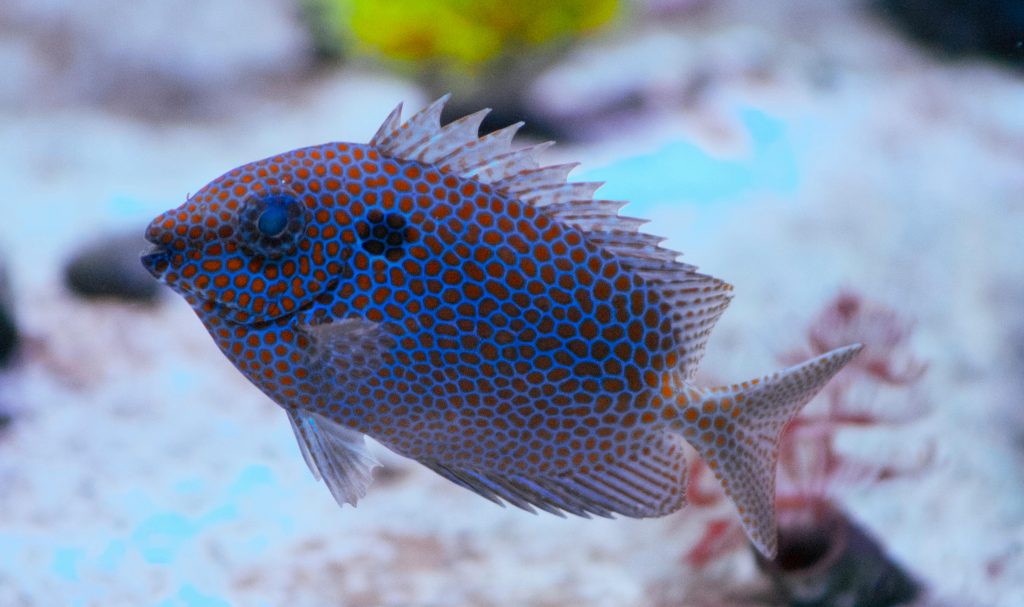
Gold Spotted Rabbitfish (Siganus Punctatus)
Gold Spotted Rabbitfish care includes large tanks, heavy algae feeding, and caution with corals. Learn tank size, diet,…
 By
By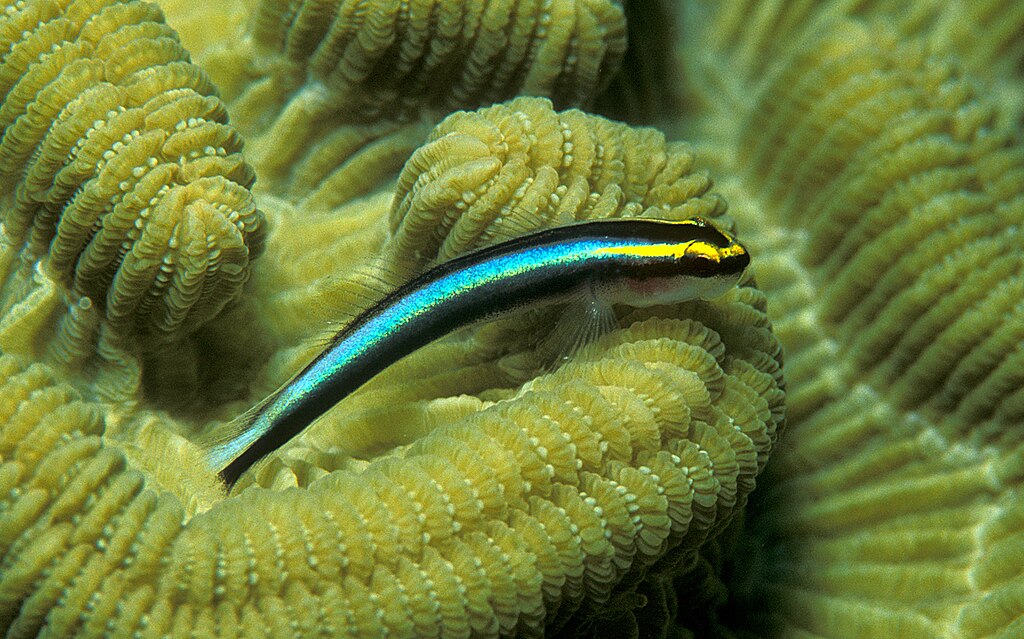
Sharknose Goby (Elacatinus evelynae)
Sharknose Goby care is simple in stable reef tanks. Learn feeding, tank setup, compatibility, and common problems for…
[favorite_button]
My Bookmarks:
To see full list click here
[user_favorites user_id="" include_links="true" site_id="" post_types="" include_thumbnails="true" thumbnail_size="thumbnail" include_excerpt="false"]