Reef tanks look stable, until they are not. Regular testing catches issues early and prevents losses. This guide covers what to test, how often, and how to act on results.
Section 1: What to test and your target ranges
Start with the core stability trio. Test salinity, temperature, and alkalinity first. These drive most swings in coral health. Keep salinity at 1.025–1.026 specific gravity. Hold temperature at 77–79°F with less than 1°F daily swing.
Alkalinity is your daily canary. Aim for 7.5–9.0 dKH in most mixed reefs. Keep changes under 0.3 dKH per day. Calcium supports skeleton growth. Target 400–450 ppm for most systems. Magnesium buffers calcium and alkalinity balance. Keep it at 1250–1400 ppm.
Nutrients need a controlled range, not zero. Nitrate at 2–15 ppm works for many reefs. Phosphate at 0.03–0.10 ppm is a common target. Too low can pale corals. Too high can fuel nuisance algae. If you run a new tank, also track ammonia and nitrite. Both should read 0 ppm after cycling.
- Minimum weekly tests: salinity, alkalinity, nitrate, phosphate
- Every 2–4 weeks: calcium, magnesium, pH trend checks
- After any change: re-test alkalinity and salinity within 24 hours
Section 2: How to test correctly and build a routine
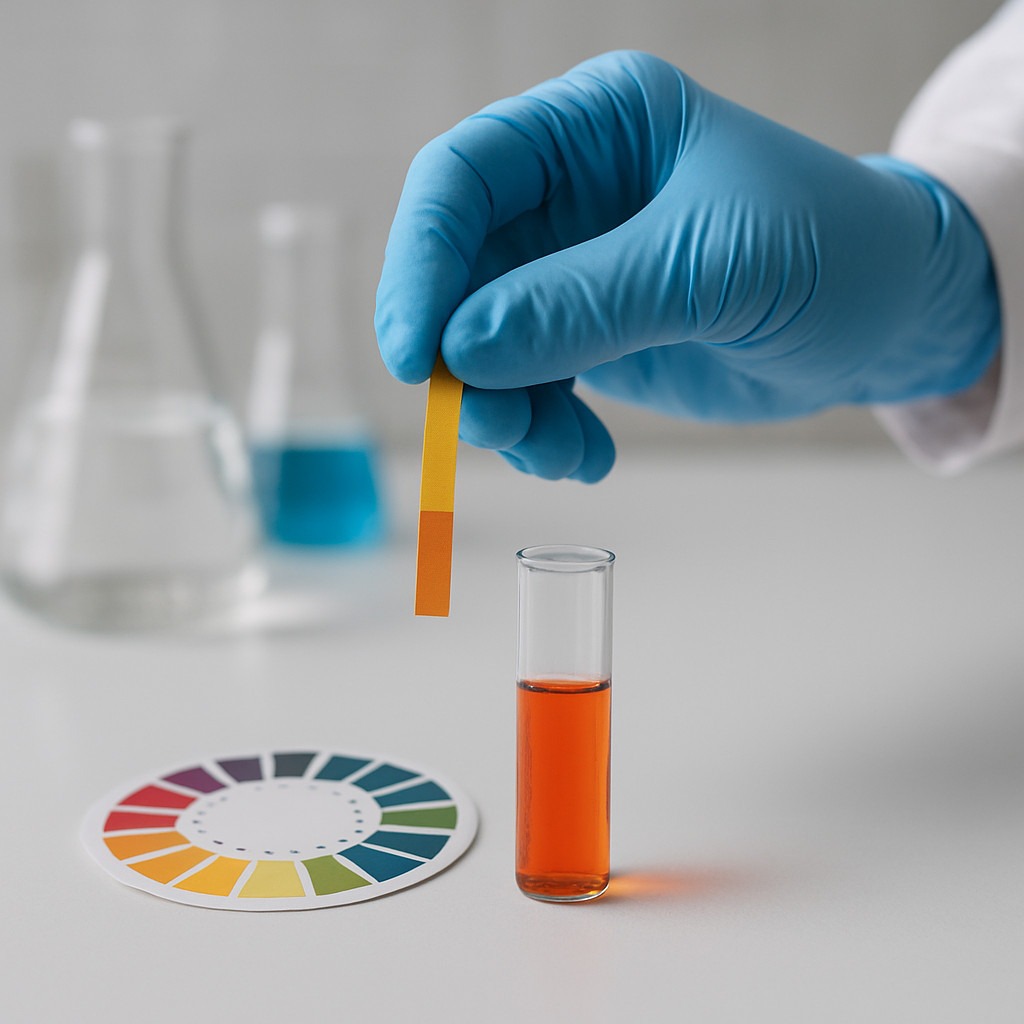
Consistency matters more than chasing numbers. Test at the same time of day. Alkalinity and pH can drift across the light cycle. Use clean vials and rinse with tank water first. Wipe vial sides before reading color changes. Fingerprints can shift results under bright light.
Use the right tools for the job. A refractometer needs calibration with 35 ppt fluid. Calibrate weekly or after drops and bumps. Hydrometers can be off by 0.002 or more. For alkalinity, a titration kit is reliable and cheap. For phosphate, use a low-range kit or a colorimeter. High-range kits miss reef-level changes.
Log results so trends are obvious. A simple note app works well. Record date, time, and any dosing. Also note feeding and water changes. You will spot cause and effect faster. For example, a 0.5 dKH drop in two days means demand increased. That often follows new coral additions or faster growth.
Build a repeatable workflow. Pull water from the same tank area each time. Avoid surface skim water. Keep test kits dry and capped tight. Replace kits every 12–18 months. Old reagents drift and cause bad decisions. For more setup basics, see our reef tank setup checklist.
- Set a weekly “test night” and do the same order each time
- Use a dosing log to match alkalinity changes to dosing amounts
- Re-test any surprising result before making big corrections
Section 3: Troubleshooting results and making safe corrections
Act on trends, not single readings. If alkalinity is low, confirm with a second test. Then adjust slowly with a buffer or two-part. Raise alkalinity by no more than 1.0 dKH per day. Large jumps can burn coral tips. If calcium is low, increase by 20–30 ppm per day. If magnesium is low, raise by 50–100 ppm per day.
High nitrate and phosphate need different fixes. First, reduce overfeeding for seven days. Rinse frozen food and feed smaller portions. Add or tune filtration next. Increase skimmer wetness a little. Replace old filter socks more often. Consider a refugium or media, but change one thing at a time. For algae control steps, read our nuisance algae control guide.
If nutrients hit zero, corals can fade and stop growing. Increase feeding and reduce aggressive media. Aim for measurable nitrate and phosphate again. If pH stays under 7.9, check room CO2. Open a window for an hour and re-check. Also verify alkalinity and surface agitation. A stronger return ripple often helps.
Common mistakes cause most testing drama. Mixing up syringe sizes is a big one. Another is reading colors under blue reef lights. Always test under white light. Also avoid dosing “because the chart says so.” Dose based on consumption. For dosing math help, see our two-part dosing basics.
- Red flag: alkalinity swings over 1.0 dKH in a week
- Red flag: phosphate rises above 0.20 ppm with algae growth
- First response: confirm the test, then adjust slowly
Testing is not busywork. It is how you keep a reef stable and predictable. Build a simple schedule and track trends. Small, steady corrections will keep corals growing and fish thriving.
Sources: Reef Aquarium Water Parameters (Randy Holmes-Farley, Advanced Aquarist); The Reef Aquarium Vol. 1 (Delbeek & Sprung); Aquarium Chemistry (Randy Holmes-Farley, Reefkeeping Magazine)
Was this helpful?
Related Posts
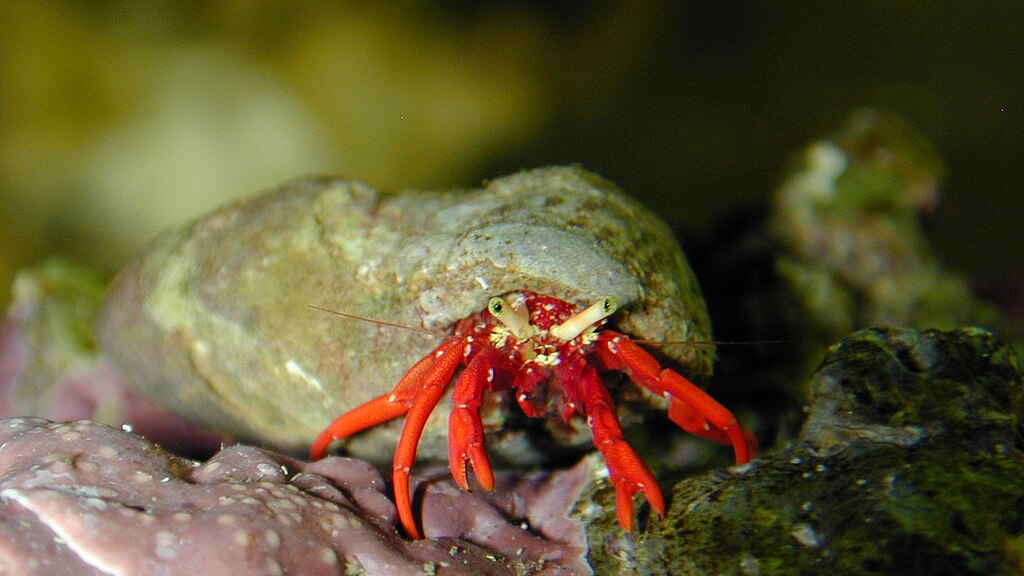
Building A Cleanup Crew
Photo by Andreas März from Darmstadt, Germany, CC BY 2.0, via Wikimedia Commons Introduction to Building a Cleanup…
 By
By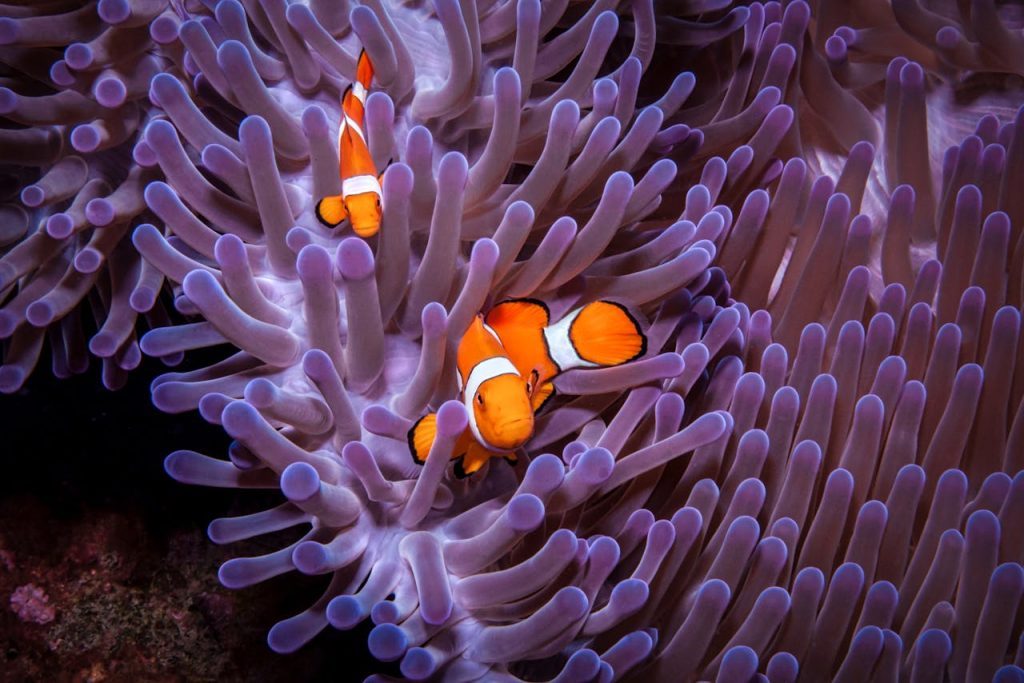
Clownfish Pairing Guide
Learn the safest way to pair clownfish, reduce aggression, and build a stable bonded pair in your reef…