

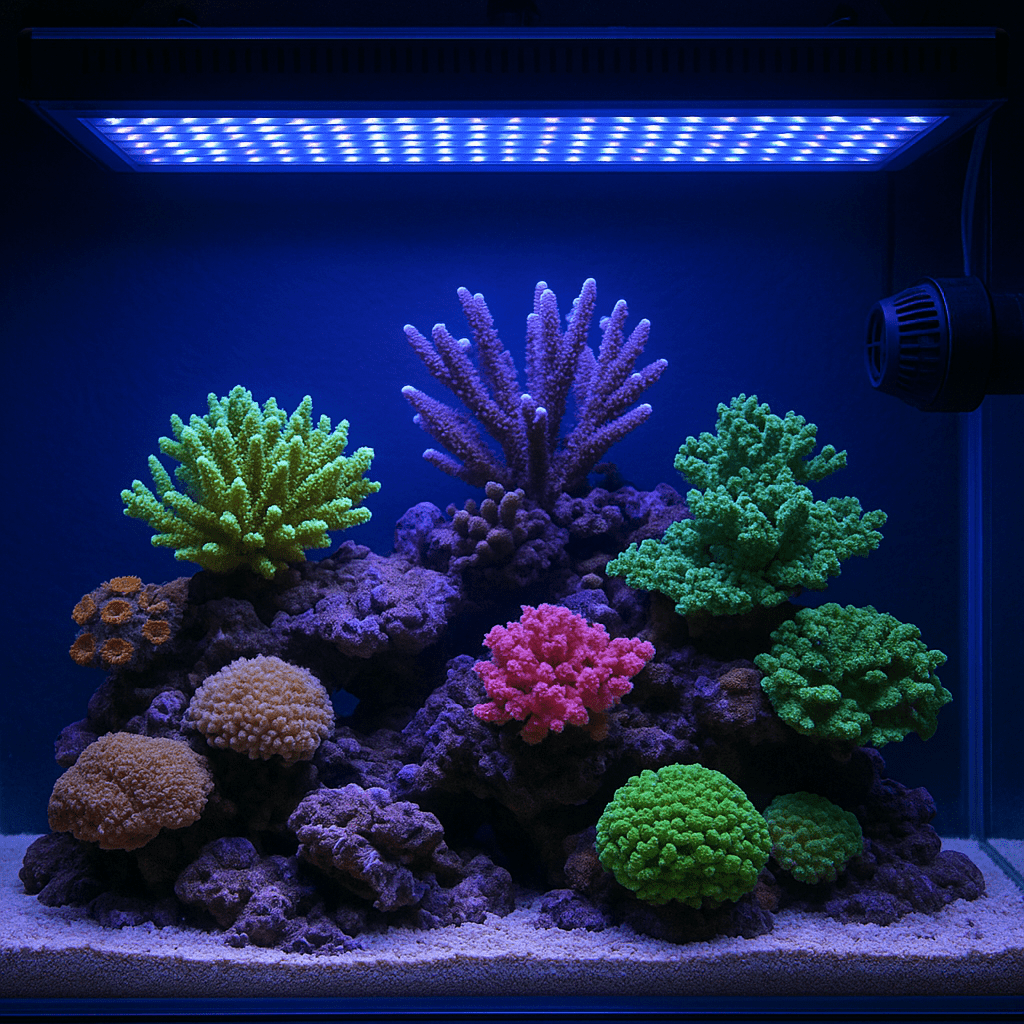
Nuisance algae in a reef tank usually points to excess nutrients, weak export, unstable maintenance, or poor source water. The fix is rarely one product. It is a balanced plan. You need testing, manual removal, nutrient control, strong husbandry, and patience to restore a clean, stable reef.
Almost every reef keeper battles algae at some point. New tanks often go through ugly stages. Mature tanks can also slip when feeding increases, filters clog, or source water quality drops. This guide explains how to identify common nuisance algae, what causes each outbreak, and how to control it without harming corals or beneficial microbes. You will learn practical steps for nutrient management, lighting adjustments, cleanup crew use, and long-term prevention. The goal is not a sterile tank. The goal is a healthy reef where corals outcompete problem algae.
Quick Reference Table
| Algae Type | Typical Look | Common Cause | Best First Action |
|---|---|---|---|
| Green hair algae | Long green strands | High phosphate and trapped detritus | Manual removal and improve export |
| Bubble algae | Green bubbles on rock | Available nutrients and low competition | Remove carefully and reduce nutrients |
| Film algae | Green or brown coating on glass | Normal nutrient availability and light | Scrape glass and review feeding |
| Bryopsis | Feathery green tufts | Persistent nutrients and imported hitchhikers | Confirm ID and isolate spread |
| Dinoflagellates | Brown strings with bubbles | Low biodiversity and unstable nutrients | Test nutrients and verify diagnosis |
| Cyanobacteria | Red or dark slimy mats | Low flow and excess organics | Siphon mats and increase flow |
Why Nuisance Algae Appears in Reef Tanks
Algae needs light, nutrients, and a place to grow. Reef tanks provide all three. The real question is why algae gains the advantage. In most systems, the issue starts with excess dissolved nutrients or trapped waste. Overfeeding is common. Dirty filter socks also contribute. So does weak skimming. Old rock can leach phosphate. Poor source water can add silicate, nitrate, or phosphate from the start.
Tank age matters too. New aquariums often cycle through diatoms, film algae, and patchy blooms while the microbiome matures. This phase is normal. Stability usually improves with time. Still, severe outbreaks need action. Another cause is imbalance. Some hobbyists drive nitrate and phosphate too low. That can weaken competing organisms and open the door to dinoflagellates. Algae control works best when you aim for stability, not zero nutrients. Healthy reefs need balance more than aggressive stripping.
How to Identify the Algae Before Treating It
Correct identification matters. Many reef problems look similar at first glance. Green hair algae forms soft threads or tufts. It usually waves in flow. Bryopsis looks more feathery and fern-like. Bubble algae appears as smooth green spheres. Film algae coats glass and rocks in a thin layer. Cyanobacteria is not true algae. It forms slimy sheets, often red, maroon, dark green, or black. Dinoflagellates often create brown strings with trapped air bubbles during the day.
If you are unsure, observe the growth pattern. Does it peel off in sheets. Does it trap bubbles. Does it return hours after removal. A microscope helps with dinos, but basic clues still matter. Avoid dosing random cures without a clear diagnosis. Many quick fixes only mask symptoms. Some can stress corals, invertebrates, and beneficial bacteria. Good algae control starts with testing, observation, and a slow, targeted response.
Step-by-Step Nuisance Algae Control Plan
- Test nitrate, phosphate, alkalinity, and salinity. Use reliable kits or meters.
- Inspect your RODI water. Replace filters or resin if TDS rises.
- Manually remove as much algae as possible. Pull, scrub, or siphon it out.
- Clean mechanical filtration. Change socks, floss, and cups often.
- Reduce trapped waste. Blow detritus from rocks before water changes.
- Review feeding. Feed less, rinse frozen food, and avoid leftovers.
- Improve export. Tune the skimmer and consider refugium growth.
- Adjust flow in dead spots. Algae thrives where debris settles.
- Check lighting schedule. Long photoperiods often fuel outbreaks.
- Add herbivores that match the algae type and tank size.
- Track results weekly. Do not make five major changes at once.
This process works because it addresses the cause and the symptom. Manual removal weakens the algae immediately. Nutrient control prevents fast regrowth. Better flow and filtration reduce waste accumulation. Slow changes also protect coral health. A reef can handle gradual correction far better than harsh swings.
Water Chemistry and Nutrient Control
Nitrate and phosphate drive many algae problems, but the answer is not always zero. Corals and beneficial microbes need available nutrients too. A practical target is low but measurable nitrate and phosphate. Exact targets vary by tank style, but stability matters most. If phosphate is clearly elevated, use less food, remove detritus, and improve export first. Chemical media can help, but use it carefully. Rapid phosphate drops can shock corals.
Source water is often overlooked. If your RODI unit is exhausted, every top-off adds fuel. Check TDS regularly. Replace membranes, carbon, sediment filters, and DI resin as needed. Also watch alkalinity and pH. While these do not directly cause algae, unstable chemistry stresses corals and slows their growth. When corals stall, algae often fills the gap. Consistent water changes, strong export, and clean source water remain the foundation of reef algae control.
Lighting and Photoperiod Adjustments
Light fuels photosynthesis, so it always influences algae growth. That does not mean you should black out the tank at the first sign of trouble. Corals still need stable lighting. Instead, review intensity, spectrum, and duration. Many tanks run lights too long. A shorter photoperiod often helps. Excess white light can also encourage visible algae growth. Blue-heavy reef schedules usually look better and may reduce the visual impact of algae, though nutrients remain the real driver.
If the outbreak is severe, trim the schedule modestly for a week or two. Avoid dramatic shifts if you keep light-demanding corals. Also clean dirty lenses and salt spray from fixtures. Uneven light can create hotspots on rock surfaces. If you run a refugium, balance the display and refugium schedule so macroalgae competes effectively. Lighting changes work best when paired with nutrient control. On their own, they rarely solve the problem for long.
Cleanup Crew and Natural Grazers
A good cleanup crew helps, but it is not a miracle cure. Snails, hermits, urchins, blennies, tangs, and some crabs all have roles. Trochus and turbo snails often handle film algae and short hair algae well. Tuxedo urchins can be excellent grazers, though they may move frags. Lawnmower blennies may pick at soft algae. Tangs help in larger tanks, but tank size and species needs come first. Never buy a grazer that your system cannot support long term.
Match the animal to the problem. Emerald crabs may eat bubble algae, but results vary. Some become opportunistic with age. Large turbo snails bulldoze loose frags. Urchins may strip coralline while grazing. Natural control works best when algae is already being reduced by husbandry. If the tank is overloaded with nutrients, grazers only slow the spread. They do not fix the root cause. Think of them as support staff, not the entire solution.
Manual Removal and Maintenance Techniques
Manual removal is one of the fastest ways to regain control. Pull hair algae by hand during water changes. Use a toothbrush on removable rocks. Siphon loosened material out immediately. For cyanobacteria, siphon the mat rather than stirring it into the water column. For bubble algae, remove rocks if possible and lift bubbles gently without popping them in the tank. This is not always practical, but careful removal limits spread.
Maintenance habits matter just as much. Empty the skimmer cup often. Replace filter floss before it becomes a nutrient trap. Vacuum detritus from the sump. Blast rockwork with a turkey baster before water changes. Clean pumps so flow stays strong. Small tasks done weekly beat large rescue efforts later. If you keep a log, note feeding changes, test results, and visible algae growth. Patterns become easier to spot when written down.
Common Problems
Why does algae keep coming back after I remove it?
Manual removal only treats the visible growth. The fuel remains in the system. Check feeding, filtration, detritus buildup, and source water. Also inspect old rock and neglected sump areas. If nutrients remain available, algae returns quickly. Remove the growth, then cut the fuel.
Why do I have algae even with low test results?
Algae can absorb nutrients as fast as they are produced. Your test may read low because the algae is consuming them. This is common in established outbreaks. Continue testing, but also judge the tank by visible growth, detritus, and feeding load. Low numbers do not always mean low nutrient input.
Should I use chemical treatments?
Use them cautiously. Some treatments can help specific issues, especially cyanobacteria. But they do not replace husbandry. They can also stress oxygen levels, bacteria, and sensitive livestock if misused. Treat the cause first. Use products only when you understand the problem and the risk.
Can a refugium solve nuisance algae?
A refugium can help by growing macroalgae that competes for nutrients. It works best with strong flow, proper lighting, and regular harvesting. It is a useful export tool, not a guaranteed cure. If feeding is excessive or detritus is heavy, the display may still grow nuisance algae.
Long-Term Prevention Tips
Prevention is easier than recovery. Feed fish enough, but avoid excess. Rinse frozen foods when practical. Keep your skimmer clean and consistent. Change mechanical filtration often. Use quality RODI water for mixing and top-off. Maintain strong random flow so waste stays suspended for export. Quarantine or inspect new frags and rocks for bryopsis, bubble algae, and other hitchhikers. Stable reef tanks resist nuisance growth far better than tanks that swing between extremes.
Also be realistic about timelines. A serious outbreak does not disappear in three days. Expect gradual improvement over several weeks. Coralline algae, coral growth, and microbial stability all take time to reassert control. Stay consistent. Avoid panic changes. In reef keeping, steady improvement usually beats aggressive intervention. If you want a stronger foundation, review your reef tank water parameters, improve your protein skimmer setup, and build better export with a refugium guide. You can also strengthen routine care with our reef tank maintenance checklist and cleaner source water practices in this RODI water for reef tanks article.
Frequently Asked Questions
How long does it take to get rid of nuisance algae?
Mild outbreaks may improve in two to four weeks. Heavy outbreaks often take longer. Expect steady progress, not overnight success. Consistency matters more than speed.
Is some algae normal in a reef tank?
Yes. A little film algae or early-stage growth is normal. The goal is control, not total elimination. Healthy tanks still grow some algae.
Do water changes always fix algae problems?
No. Water changes help dilute nutrients, but they are only one tool. If feeding, detritus, or source water remain poor, algae will return.
Will turning off the lights kill algae?
Temporary blackouts may suppress some outbreaks, but they rarely solve the cause. Corals also need stable light. Use light changes carefully.
What is the best cleanup crew for hair algae?
Trochus snails, turbo snails, urchins, and some herbivorous fish can help. The best choice depends on tank size, rockwork, and livestock compatibility.
Was this helpful?
Related Posts
Best Filtration Systems
Best Filtration Systems for a Healthy Saltwater Aquarium Choosing the best filtration system for your saltwater aquarium is…
 By
By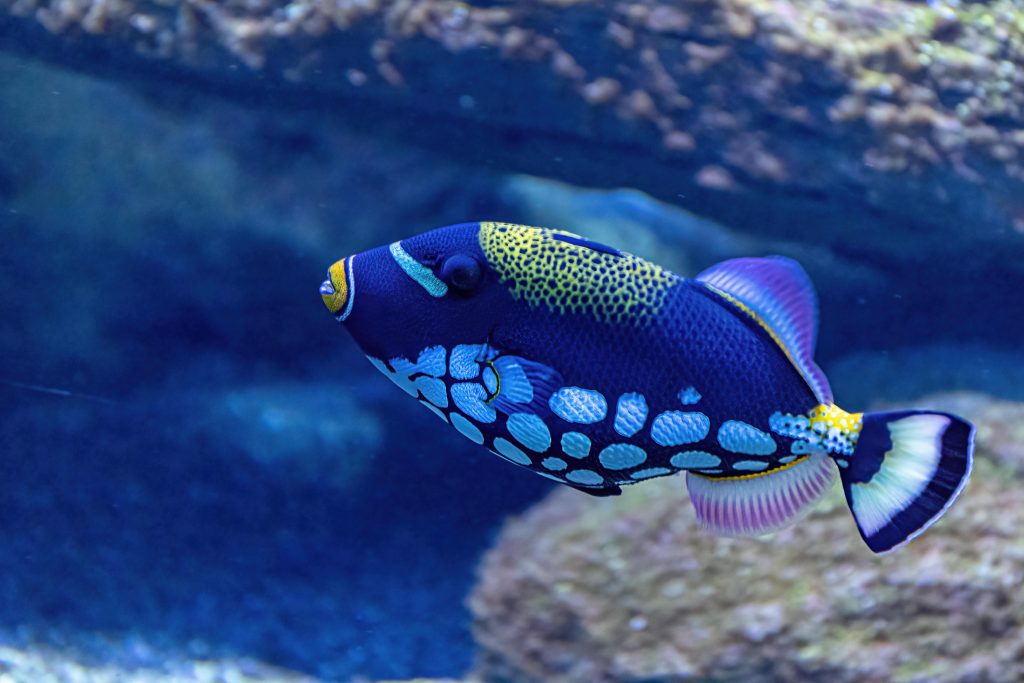
Clown Triggerfish (Balistoides Conspicillum)
Clown triggerfish are stunning but aggressive marine fish that need very large tanks, strong filtration, and careful tankmate…
[favorite_button]
My Bookmarks:
To see full list click here
[user_favorites user_id="" include_links="true" site_id="" post_types="" include_thumbnails="true" thumbnail_size="thumbnail" include_excerpt="false"]