

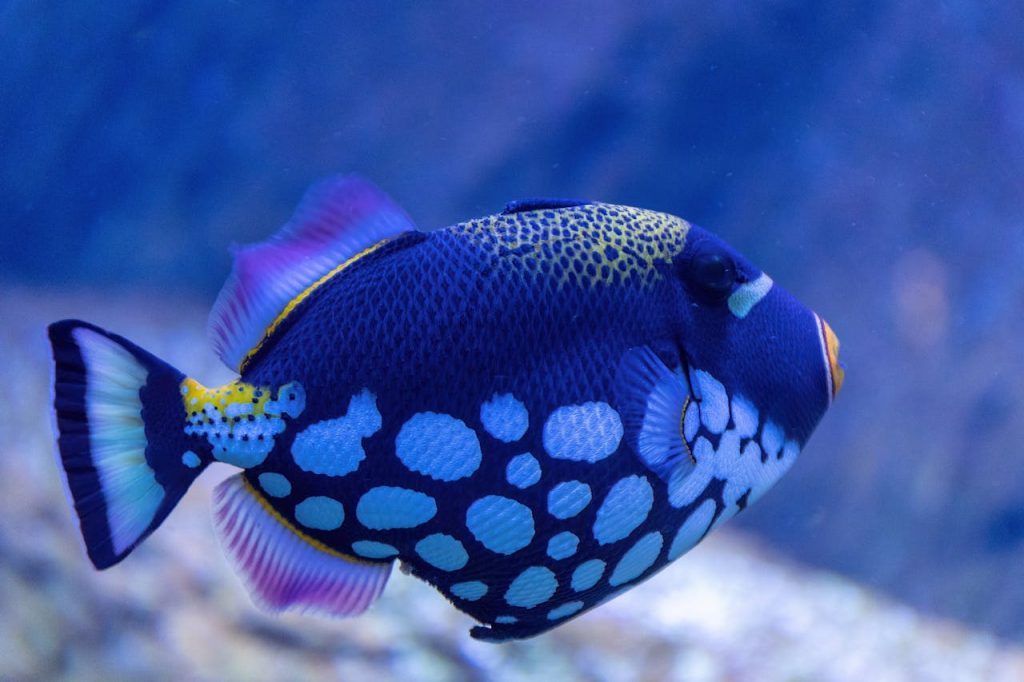
Aggressive marine fish can work in reef and fish-only tanks, but stocking must be deliberate. Success depends on tank size, territory, aquascape, and species choice. If you mix the wrong fish, bullying starts fast. If you choose wisely, even assertive species can coexist for years.
Many hobbyists love bold marine fish. Triggers, dottybacks, larger wrasses, hawkfish, damsels, and some angelfish show huge personality. They are active. They are visible. They often become the stars of the tank. The problem is compatibility. Aggressive fish defend caves, chase weaker tankmates, and compete hard at feeding time. This article explains which aggressive marine fish can live together, which mixes usually fail, and how to build a safer stocking plan. You will also learn how tank size, rockwork, and introduction order affect aggression. That helps you avoid expensive mistakes and protect your fish.
Quick Reference Table
| Fish Group | Aggression Level | Best Tank Size | Best Tankmates | Main Risk |
|---|---|---|---|---|
| Dottybacks | Moderate to high | 30 gallons and up | Fast semi-aggressive fish | Harassing shy fish |
| Damsels | Moderate to high | 40 gallons and up | Tangs, wrasses, larger clowns | Territory disputes |
| Hawkfish | Moderate | 50 gallons and up | Tangs, angels, wrasses | Eating small shrimp |
| Triggers | High | 125 gallons and up | Larger robust fish | Biting tankmates, inverts |
| Large angels | Moderate to high | 125 gallons and up | Tangs, triggers, larger wrasses | Territorial chasing |
| Maroon clownfish | High | 40 gallons and up | Robust fish that avoid its nest | Severe nest defense |
Use this table as a starting point only. Individual fish vary a lot. One damsel may be manageable. Another may terrorize the entire tank. Always plan for the worst behavior, not the best case.
What Counts as an Aggressive Marine Fish?
Aggressive marine fish are species that defend space, food, mates, or shelter. Some chase intruders away. Others nip fins. Some fish claim a whole rock structure as their own. Aggression can be constant or situational. A fish may seem calm for months, then turn hostile after settling in.
Marine aggression usually falls into three groups. The first is territorial aggression. This is common in damsels, dottybacks, and clownfish. The second is dominance aggression. This often appears in angels, tangs, and larger wrasses. The third is predatory aggression. This happens when a fish sees smaller tankmates as food. Triggers, lionfish, groupers, and large hawkfish can show this behavior.
This matters because not all aggression is solved the same way. Territorial fish need boundaries. Dominant fish need space. Predatory fish need tankmates too large to swallow. Knowing the type of aggression helps you choose safer tankmates.
Best Tankmates for Aggressive Marine Fish
The best tankmates are usually confident, similarly sized fish with enough speed and awareness to avoid conflict. Tangs often do well with semi-aggressive species in larger tanks. Many wrasses are also good choices. Foxfaces can work because they are peaceful but not easy targets. Larger angelfish may coexist if the tank is spacious.
Fish with very different body shapes often mix better. This reduces direct competition. For example, a hawkfish may ignore a tang more than another perch-loving fish. A trigger may tolerate a large angel better than another trigger. This is not a rule, but it helps.
Avoid shy fish in aggressive communities. Firefish, assessors, small gobies, mandarins, and many blennies often struggle. Slow feeders also suffer. They may not get enough food. They may hide all day. In many cases, a fish does not need visible wounds to be failing. Chronic stress kills quietly.
Good matches still need room. A robust fish in a cramped tank becomes a target. Size, cover, and feeding access matter as much as species lists.
Natural Habitat and Why It Matters
Many aggressive marine fish come from reefs packed with crevices, ledges, and patch territories. In nature, weaker fish can flee long distances. They can disappear into coral branches or move to another section of reef. In aquariums, that escape route does not exist.
Dottybacks and damsels often live close to rockwork and defend a small zone. Hawkfish perch and watch from elevated spots. Triggers cruise larger areas and investigate everything. Angelfish browse rock surfaces and may defend feeding routes. Clownfish defend anemones or host corals with surprising intensity.
When you understand these natural patterns, stocking makes more sense. Two cave defenders in one small rock pile often clash. A roaming species may frustrate a territorial species by constantly crossing boundaries. A fish that needs open water may panic in a tank packed wall to wall with rock. Build the tank around behavior, not just appearance.
Aquarium Setup for Aggressive Species
Tank size is your first tool. Bigger tanks dilute aggression. They create more routes, more hiding spots, and more feeding space. For many assertive fish, the minimum tank size listed online is too small for mixed communities. A fish may survive in that volume, but not thrive with tankmates.
Aquascaping matters just as much. Build separate rock islands or clear territory breaks. Use arches, caves, and overhangs. Create line-of-sight barriers. If one fish cannot constantly see another, chasing usually drops. Leave open swimming lanes too. Fast fish need room to move.
Secure the rockwork well. Aggressive fish are powerful. Triggers and larger angels can dislodge unstable structures. Use epoxy, rods, or stable stacking methods. Also think about sleeping sites. Many disputes happen at dusk when fish choose resting spots.
If you are planning a mixed reef, remember that some aggressive fish also threaten invertebrates. Hawkfish may eat small shrimp. Triggers may attack snails, crabs, and urchins. Reef safety and fish compatibility are not the same thing.
Step-by-Step Stocking Strategy
The safest way to keep aggressive marine fish is to stock with a plan. Random additions usually end badly. Follow a simple order.
- Add the least aggressive fish first. Let them settle before stronger personalities arrive.
- Add fish with different niches. Mix open-water swimmers with perchers and grazers.
- Avoid adding similar species together unless the tank is very large.
- Add the most aggressive fish last. This reduces territory claims.
- Use an acclimation box when introducing risky fish. This allows visual contact without fighting.
- Feed well during introductions. Hungry fish escalate conflict quickly.
- Watch behavior at dawn, dusk, and feeding time. Problems often show then.
If a fish is relentlessly chasing another, act early. Rearrange rockwork. Isolate the aggressor. Do not wait for visible injury. Stress often appears first as hiding, rapid breathing, or skipped meals.
Feeding Aggressive Marine Fish
Feeding is a major trigger for aggression. Competitive fish rush food and guard feeding zones. That leaves timid fish undernourished. Use multiple feeding points when possible. Broadcast small portions across the tank. For larger fish, use clips, tongs, or target feeding tools.
Offer varied foods. Many aggressive species are not picky, but they still need balanced nutrition. Use quality pellets, frozen mysis, chopped seafood, krill in moderation, and algae-based foods for herbivores and omnivores. Tangs and angels need regular plant matter. Triggers and hawkfish need meaty foods, but not only fatty treats.
Feed on a schedule. Predictable feeding reduces frantic behavior. Two smaller feedings often work better than one large feeding. Well-fed fish are not always peaceful, but they are less likely to turn every meal into a fight. Good nutrition also helps stressed fish recover from minor chasing.
Compatibility With Reef Fish, Corals, and Invertebrates
Aggressive fish can be compatible with many reef fish, but coral and invert safety varies. A maroon clownfish may ignore corals but attack your hand. A hawkfish may leave fish alone but eat sexy shrimp. A trigger may spare corals but destroy snails. Large angels may nip fleshy LPS or clam mantles.
Always separate fish aggression from reef safety. A fish can be peaceful toward tankmates and still be risky in a reef. The reverse is also true. Some aggressive fish never touch corals. They only bully other fish. Research both sides before buying.
For mixed reefs, be cautious with ornamental shrimp, tiny gobies, and passive planktivores. These animals often become casualties in tanks built around bold predators or territorial species. If your goal is a peaceful coral display, aggressive fish should be limited and chosen carefully.
Common Problems
One fish chases every new addition
This usually happens when a resident fish has claimed the whole tank. Damsels, dottybacks, and clownfish commonly do this. Use an acclimation box for new arrivals. Rearrange some rockwork before release. If the behavior continues, remove the aggressor for a week. In severe cases, rehoming is the only answer.
New fish hides and will not eat
This often means intimidation, even without direct attacks. Watch from a distance. The aggressor may only charge when you are not near the tank. Provide more cover and feed several areas at once. If the fish keeps losing weight, move it. Starvation from stress is common in aggressive communities.
Fish fight after lights go out
Nighttime fights usually involve sleeping sites. Add more caves and ledges. Break up crowded rock zones. A dim ramp-down period can help fish settle before full darkness. Sudden blackouts can trigger panic and collisions.
A once peaceful fish becomes aggressive
This often happens as fish mature. It can also happen after a tankmate dies, changing the hierarchy. Review stock levels and territory use. A fish that outgrew the social balance may now need a larger tank or different companions.
Frequently Asked Questions
Can aggressive marine fish live in a reef tank?
Yes, some can. It depends on the species. Many are fish-safe but not invert-safe. Others may nip corals. Always check both fish compatibility and reef safety.
Should aggressive fish be added first or last?
Add them last in most cases. This reduces territorial claims and gives peaceful fish time to establish themselves.
Do larger tanks stop aggression?
Larger tanks reduce it, but they do not eliminate it. Species choice and aquascape still matter. Some fish are simply poor community candidates.
Can two aggressive fish species live together?
Sometimes. Success depends on tank size, similar strength, different niches, and careful introduction. In small tanks, this is much riskier.
What is the safest way to introduce a semi-aggressive fish?
Quarantine first. Then use an acclimation box in the display tank. Observe reactions for several days. Release only if chasing seems manageable.
Final Thoughts
Aggressive marine fish tankmates can work, but only with planning. Choose species with care. Build clear territories. Add fish in the right order. Feed well and monitor closely. Most failures come from underestimating personality, not from bad luck. If you respect behavior, these fish can become the most rewarding animals in your aquarium.
For more stocking help, see best reef safe fish, marine fish compatibility chart, reef tank aquascaping tips, and how to quarantine marine fish.
Was this helpful?
Related Posts
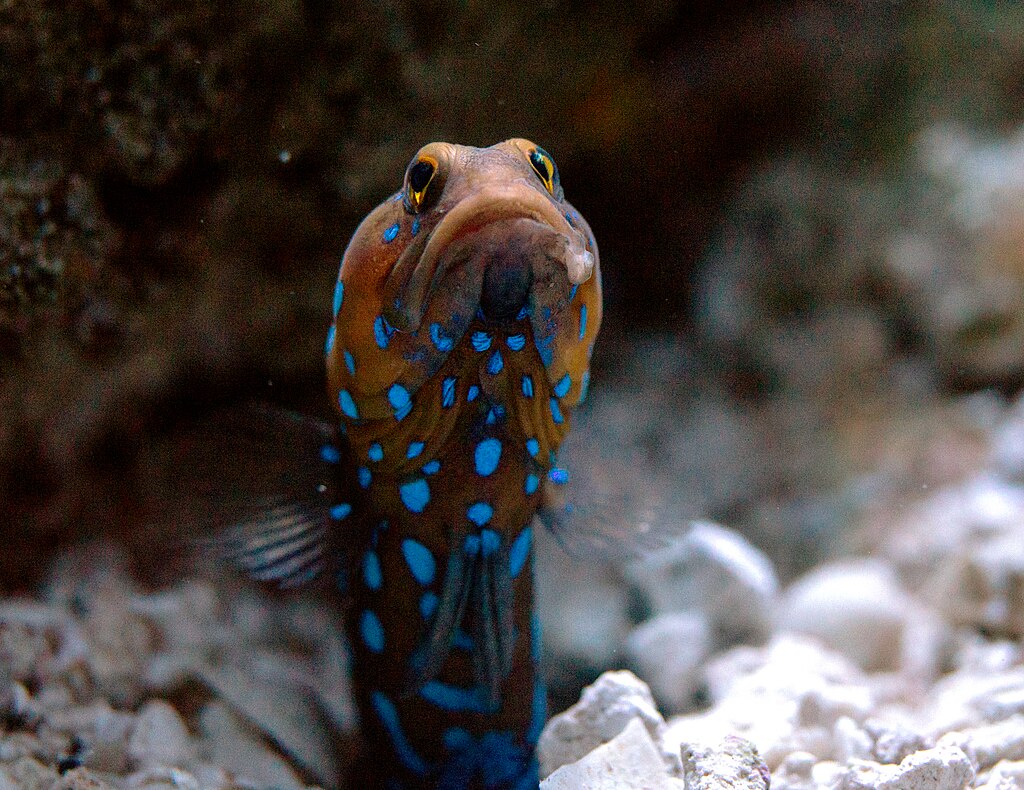
Blue Dot Jawfish (Opistognathus Rosenblatti)
Blue Dot Jawfish need cool water, deep sand, and a tight lid. Learn how to keep Opistognathus rosenblatti…
 By
By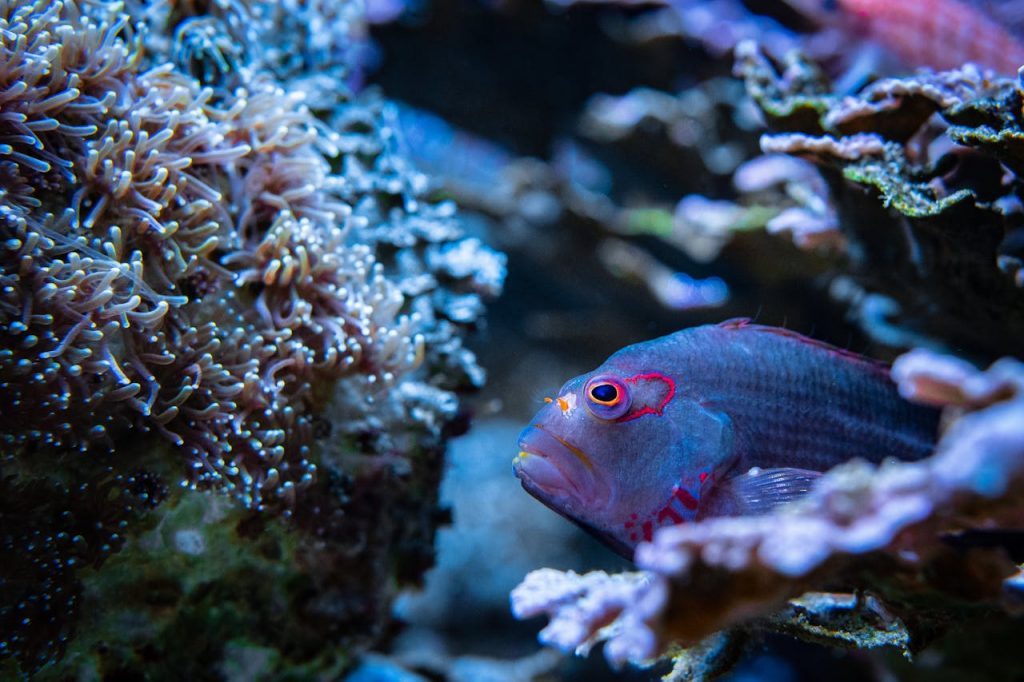
Arc Eye Hawkfish (Paracirrhites arcatus)
Arc Eye Hawkfish care is simple in a stable tank. Learn tank size, feeding, reef safety, and shrimp…
[favorite_button]
My Bookmarks:
To see full list click here
[user_favorites user_id="" include_links="true" site_id="" post_types="" include_thumbnails="true" thumbnail_size="thumbnail" include_excerpt="false"]