Anemones can thrive in reef tanks, but placement is everything. Light, flow, and rockwork decide if they settle or roam. Use this guide to reduce wandering and protect nearby corals.
Start with the right spot and stable rockwork
Pick a location before you add the anemone. Aim for a place with a secure foothold. Most anemones want their foot in a crevice. They prefer rough rock, not smooth glass.
Use a “cup” of rock to protect the foot. Create a shallow bowl with two or three rocks. Leave a 1 to 2 inch gap for the pedal disc. Keep the area clear of sharp coral skeletons.
Stability matters more than aesthetics. A moving rock can tear the foot. That often leads to infection and rapid decline. Test the structure by pushing it gently with tongs.
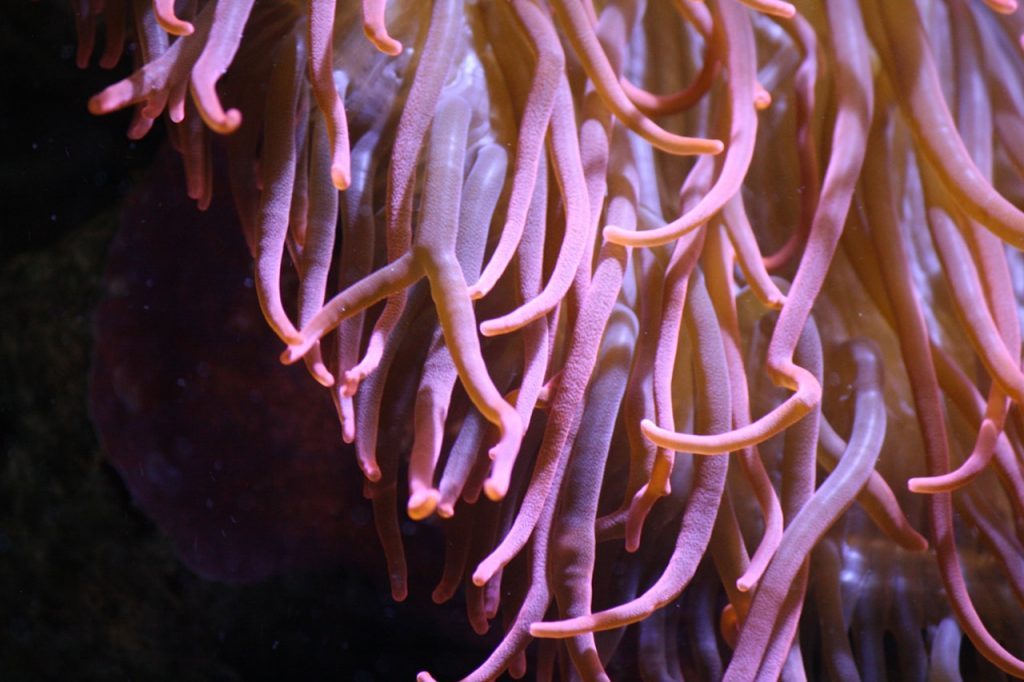
Match placement to species behavior. Bubble tip anemones often choose mid-rockwork. Long tentacle anemones like sand with rock contact. Carpet anemones need open sand and strong light. If you need a species refresher, see our anemone species guide.
- Turn off pumps for 10 to 15 minutes during placement.
- Guide the foot into a crack, then let it grip on its own.
- Do not force peeling if it attaches to the wrong spot.
Dial in flow: enough movement without blasting
Most anemones want moderate, variable flow. The tentacles should sway and extend. They should not fold over in one direction. Avoid a direct jet hitting the oral disc.
Use two pumps to create intersecting currents. Aim them to cross in front of the anemone. This creates random turbulence. Start at 20 to 30% power on common wavemakers.
Watch for stress signs after changes. A closed mouth for hours can be normal. A gaping mouth or repeated deflation is not. Reduce the flow by 10% and reassess after a day.
Protect your equipment from wandering. Cover pump intakes with foam guards. Use a mesh screen on overflow teeth. For more safety steps, read powerhead safety for reef tanks.
- Target 10 to 20x total turnover for most mixed reefs.
- Keep laminar “firehose” flow off the anemone’s face.
- Use night mode to reduce flow if it shrinks after lights out.
Light, water parameters, and common troubleshooting
Light drives long term success. For many hosting anemones, aim for PAR 150 to 250 at the oral disc. Start lower if it is newly shipped. Increase intensity by 5% each week.
Keep water stable and boring. Hold salinity at 1.025 to 1.026. Keep the temperature at 77 to 79°F. Maintain alkalinity 8 to 9 dKH and nitrate 5 to 15 ppm. Keep phosphate around 0.03 to 0.10 ppm.
Roaming usually means something is off. Too much flow is a common cause. Too little light is another. Also check for nearby stinging corals and aggressive fish. Clownfish can irritate a new anemone at first.
Feed to support recovery, but do not overdo it. Offer a pea-sized piece of mysis or chopped shrimp once per week. Use tongs and place food on the tentacles. If it spits food out, cut the portion in half next time. For a full routine, see our reef tank feeding schedule.
- If it keeps moving, test salinity with a calibrated refractometer.
- If it shrinks daily, check for heater swings of more than 1°F.
- If it bleaches, reduce light 20% and increase feeding slowly.
Anemone placement is a balance of grip, flow, and light. Start with a protected crevice and a gentle, changing current. Keep parameters stable and make small adjustments. Your anemone will usually reward patience with a settled, expanded display.
Sources: Fautin & Allen, “Anemonefishes and Their Host Sea Anemones” (1992); Borneman, “Aquarium Corals” (2001); Delbeek & Sprung, “The Reef Aquarium” Vol. 1–3 (1994–2005).
Was this helpful?
Related Posts
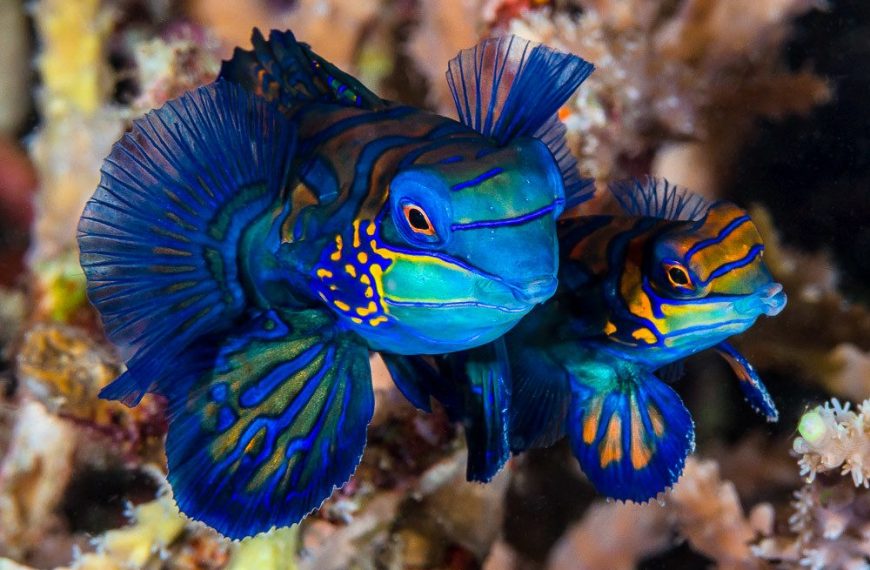
Dragonets Fish Care
Dragonets are beautiful reef fish, but they need mature tanks and steady food sources. Learn how to keep…
 By
By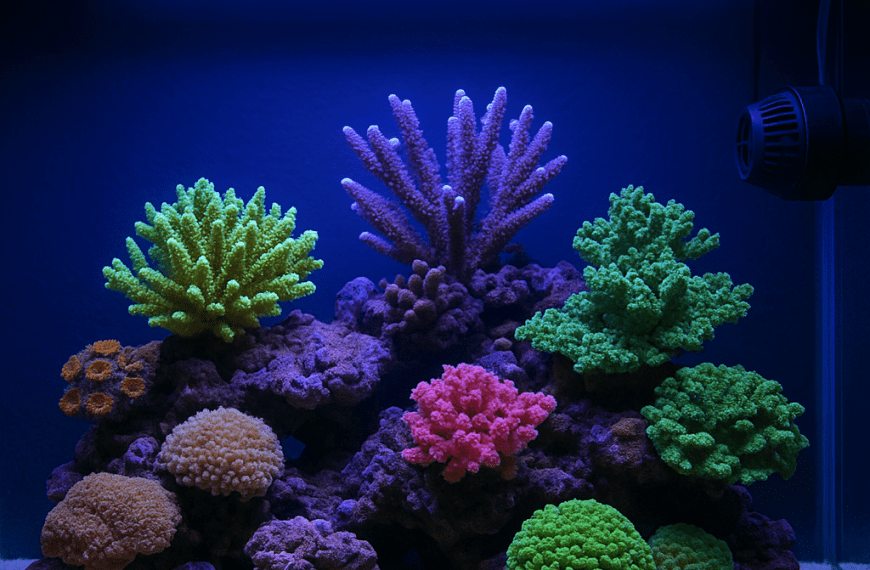
Lighting For Aquarium
Lighting for Aquarium: Getting Saltwater Illumination Right Lighting for a saltwater aquarium is about much more than simply…