


Beginner reef tank stocking works best when you add hardy fish, useful invertebrates, and easy corals slowly. Start light, match each animal to your tank size, and protect water quality. That simple approach prevents many early losses and helps a new reef mature with far less stress.
Stocking a first reef tank feels exciting. It also causes many beginner mistakes. New hobbyists often add too many animals too fast. Others pick beautiful species that need mature systems or expert care. A smart stocking plan avoids both problems. In this guide, you will learn how to stock a beginner reef tank step by step. We will cover fish, cleanup crew choices, beginner corals, stocking order, compatibility, and common problems. You will also learn how tank size changes your options and why patience matters more than almost anything else in reef keeping.
Quick Reference Table
| Category | Best Beginner Choices | Notes |
|---|---|---|
| First Fish | Ocellaris clownfish, firefish, royal gramma | Hardy and widely available |
| Cleanup Crew | Trochus snails, nassarius snails, cerith snails, small hermits | Add slowly based on algae and waste |
| First Corals | Mushrooms, zoanthids, green star polyps, toadstool leather | Choose aquacultured frags when possible |
| Tank Age | Fish after cycle, corals after stability improves | Wait before adding sensitive species |
| Stocking Pace | One fish every 2 to 4 weeks | Test nutrients after each addition |
| Avoid Early | Mandarins, anemones, SPS, large tangs | These need mature or larger systems |
What Beginner Reef Tank Stocking Really Means
Stocking is more than making a fish list. It means building a stable animal community over time. Every fish adds waste. Every coral uses space, light, and flow. Every invertebrate changes how the tank functions. In a new reef, the biofilter is still developing. Microfauna populations are also still small. That makes heavy stocking risky.
A beginner reef tank should focus on hardy species first. These animals tolerate small changes better. They also give you time to learn feeding, testing, and maintenance. Good stocking also considers adult size. A cute juvenile fish may outgrow a small tank quickly. Temperament matters too. One aggressive fish can stress the whole aquarium.
The best approach is simple. Add a few easy fish. Build a useful cleanup crew. Let the tank stabilize. Then add forgiving corals. This method creates a healthier reef and saves money. It also reduces the chance of disease outbreaks and nutrient spikes.
How to Choose Fish for a Beginner Reef Tank
Beginner fish should be peaceful, hardy, and reef safe. They should also fit your tank size long term. Small tanks need very careful choices. Large tanks offer more flexibility, but they still reward restraint.
Some of the best beginner reef fish include ocellaris clownfish, percula clownfish, firefish, royal grammas, watchman gobies, and banggai cardinals. These species usually adapt well to prepared foods. They also stay a manageable size. Many captive-bred clownfish are especially beginner friendly.
Avoid fish that need constant grazing in large tanks. Tangs often fall into this category. Also avoid species with specialized diets, such as mandarins. They often starve in immature tanks. Dottybacks and damsels can also become aggressive in smaller systems. Some beginners keep them successfully, but they often create problems later.
Always think about final stocking order. Peaceful fish should go in before territorial fish. This helps timid species settle in first. Quarantine is also strongly recommended. It lowers the risk of introducing ich, velvet, and bacterial infections.
Best Stocking Ideas by Tank Size
Tank size shapes your entire stocking plan. In a nano reef, every fish matters. In a larger tank, territory and swimming room become easier to manage.
For a 20-gallon beginner reef, think small and simple. A pair of clownfish can work well. You might also choose one clownfish and one firefish. A shrimp goby can be a great third fish in some setups. Do not rush to fill every inch of water.
For a 40-gallon breeder, you gain more options. A clown pair, royal gramma, and watchman goby is a solid mix. Some hobbyists also keep a small blenny. Just watch for personality conflicts. Blennies and gobies sometimes compete for similar perches.
For a 75-gallon reef, you can build a more varied community. A clown pair, gramma, goby, cardinal, and one carefully chosen wrasse often works. Still, avoid overstocking early. More water volume helps, but it does not replace patience or maintenance discipline.
Building a Cleanup Crew the Right Way
Cleanup crews are useful, but they are often oversold. They do not replace water changes or nutrient control. They simply help manage leftover food, algae, and detritus.
Start with a small crew. Trochus snails are excellent algae grazers. Nassarius snails help stir sand and eat meaty leftovers. Cerith snails work on glass, rock, and substrate. A few small hermit crabs can help, but some will kill snails for shells. Use them sparingly.
Do not buy giant cleanup crew packages for a new tank. Most new aquariums cannot support that many animals. Many will starve after the first algae bloom fades. Add members based on actual need. If film algae appears, add grazers. If leftover food collects in the sand, add a few scavengers.
Cleaner shrimp are popular too. They add movement and personality. They are not essential, but many beginners enjoy them. Just remember that every invertebrate still adds to the tank’s bioload.
Best Beginner Corals to Add First
Corals should come after the tank shows stable salinity, temperature, alkalinity, and nutrient levels. You do not need a perfect reef to start with easy corals. You do need consistency.
Mushrooms are among the easiest coral choices. They tolerate a range of light and flow. Zoanthids are also beginner friendly, though some varieties cost more. Toadstool leathers are hardy and attractive. Green star polyps grow quickly and add movement, but they can spread aggressively. Kenya tree corals are very forgiving too.
Buy small aquacultured frags when possible. They often adapt better than wild colonies. Frags also cost less. That matters when you are still learning placement. Start with just one or two coral types. Observe them for several weeks. If polyp extension looks good and tissue stays healthy, add another hardy coral.
Avoid acropora, many LPS with long sweepers, and difficult non-photosynthetic corals at first. These usually demand more stable chemistry, stronger feeding plans, or more experience.
Step-by-Step Beginner Reef Tank Stocking Plan
Following a sequence keeps your tank stable. It also lowers the chance of expensive mistakes.
- Cycle the tank fully before adding livestock. Confirm ammonia and nitrite are zero.
- Add a few hardy snails once the cycle finishes and algae appears.
- Introduce your first fish pair or single peaceful fish. Feed lightly at first.
- Wait two to four weeks. Test nitrate and phosphate during this period.
- Add a second peaceful fish if parameters remain stable.
- Expand the cleanup crew only when the tank can support it.
- Add your first easy coral frags after stability improves.
- Continue stocking slowly. Observe behavior after every addition.
- Quarantine new fish whenever possible.
- Stop adding livestock if nutrients spike or aggression appears.
This process feels slow, but it works. A reef matures in stages. Your stocking pace should match that natural progression.
Compatibility Tips for Fish, Corals, and Invertebrates
Compatibility problems often begin with assumptions. A fish labeled reef safe may still bully tankmates. A coral may sting nearby neighbors. A crab may eat more than algae.
Keep peaceful fish with other peaceful species. Firefish need calm tankmates and secure lids. They jump when stressed. Clownfish can become territorial near their chosen corner or host. Royal grammas usually stay peaceful, but they defend caves. Plan enough hiding places in the rockwork.
For corals, leave space between colonies. Soft corals can spread and shade slower growers. Some LPS corals extend long sweeper tentacles at night. Research each coral before placement. Invertebrates also need care. Peppermint shrimp may bother some corals if underfed. Large hermits can topple frags. Urchins may move loose rock or coral plugs.
Good aquascaping improves compatibility. Create caves, arches, and open sand. This gives fish retreat zones and reduces conflict. Stable rockwork also protects corals and invertebrates from falls.
Common Problems
Why did my beginner reef tank get aggressive after adding one fish?
New aggression often follows poor stocking order or limited territory. Territorial fish may claim the whole tank in smaller systems. Rearranging a few rocks can sometimes break established boundaries. Adding an acclimation box also helps. In severe cases, the aggressive fish may need removal.
Why are my nutrients rising after stocking?
Each new fish increases feeding and waste. New hobbyists also tend to overfeed. Test nitrate and phosphate weekly during stocking phases. Reduce feeding if food hits the sand uneaten. Clean mechanical filtration often. Increase water changes if needed. Add livestock only after nutrients stabilize again.
Why do beginner corals stay closed?
Closed corals usually point to stress. Check salinity first. Then review alkalinity, temperature, and flow. New tanks also swing more than mature systems. Corals may stay closed after transport, dipping, or placement changes. Give them time, but do not ignore poor water quality.
Why is my cleanup crew dying off?
This often happens when too many snails were added too soon. A new tank may not produce enough algae or leftover food. Salinity swings can also kill invertebrates quickly. Acclimate them carefully. Stock them based on need, not package deals.
Frequently Asked Questions
How many fish should a beginner reef tank have?
That depends on tank size, filtration, and fish choice. A 20-gallon reef may only house two or three small fish comfortably. A 40-gallon can hold more, but slow stocking is still best.
What is the first fish for a beginner reef tank?
Captive-bred ocellaris clownfish are one of the best first choices. Firefish and royal grammas are also strong options. Choose healthy, eating specimens from a reliable source.
When should I add corals to a new reef tank?
Add easy corals after the cycle is complete and basic parameters stay stable. Many hobbyists wait several weeks after adding the first fish. Stability matters more than a fixed calendar date.
Can I add a cleanup crew before fish?
Yes, but only after the tank is cycled and has food for them. A few snails can go in once algae appears. Do not overdo it in a very clean new system.
What should beginners avoid stocking?
Avoid delicate fish, large predators, difficult corals, and animals that need mature microfauna. Mandarins, many anemones, and demanding SPS corals are common early mistakes.
Final Tips for a Successful Beginner Stocking Plan
The best beginner reef tanks are usually understocked. That may sound boring, but it creates long-term success. Leave room for growth. Leave room for mistakes. Most of all, leave room for stability.
Buy healthy livestock from trusted sellers. Quarantine fish when possible. Dip corals before they enter the display. Feed with purpose, not emotion. Test often during active stocking periods. If something looks off, pause all new additions.
A slow, thoughtful plan beats an ambitious one. Your reef will look better. Your animals will live longer. And you will enjoy the hobby much more. If you want to keep learning, read our guides on reef tank cycling, beginner reef tank setup, best cleanup crew for reef tank, and easy beginner corals.
Was this helpful?
Related Posts
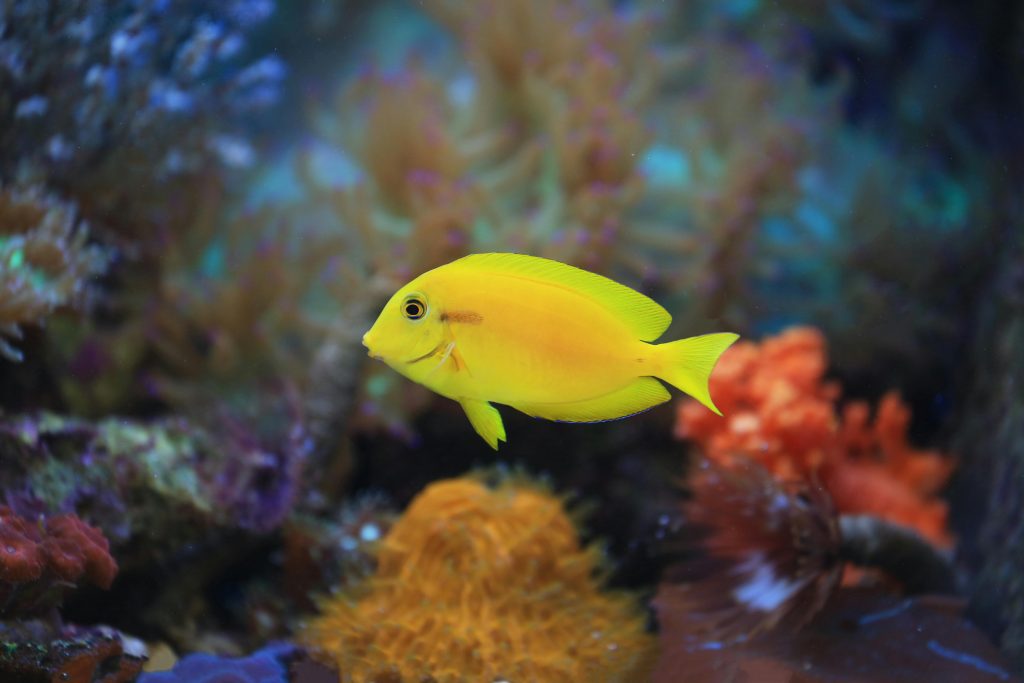
Juvenile Orange Shoulder (acanthurus Olivaceus)
Juvenile orange shoulder tangs are bright, hardy, and reef safe, but they grow large and need a spacious…
 By
By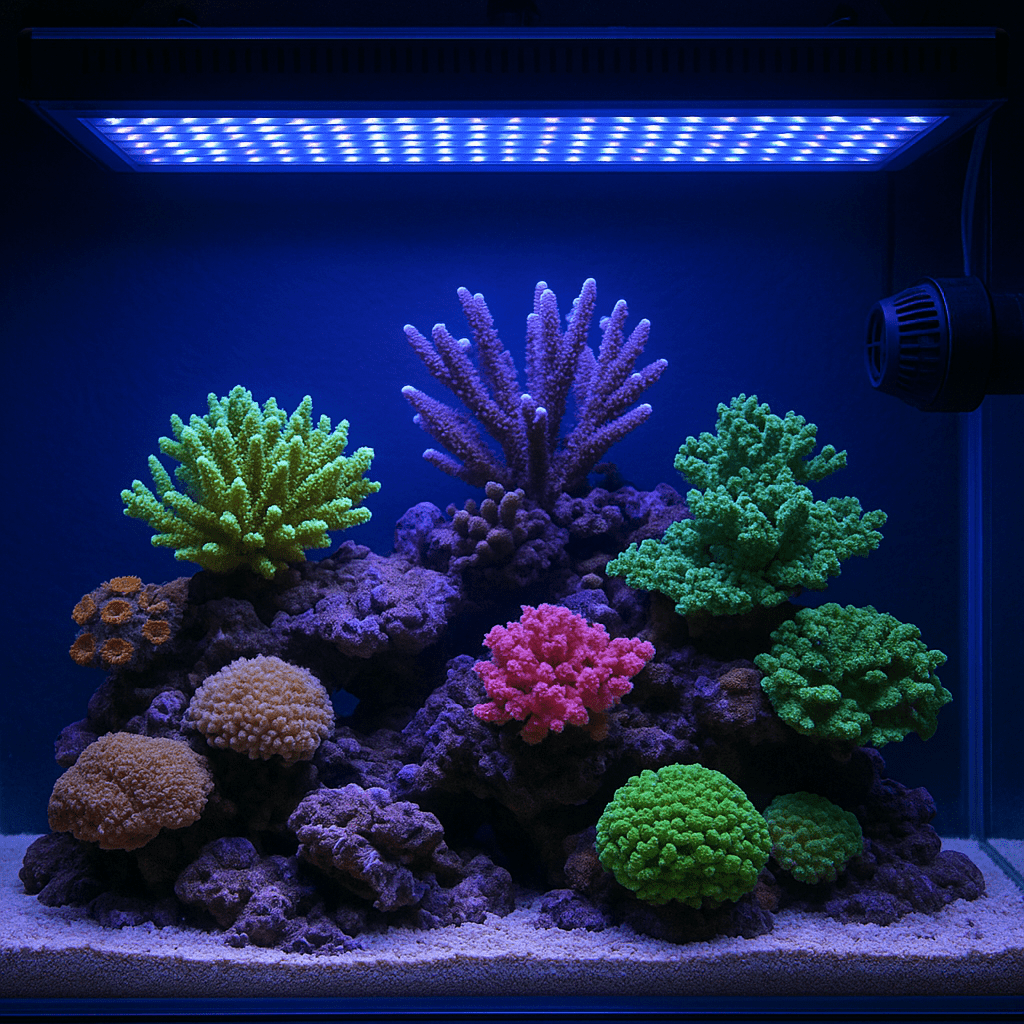
Best Filtration Systems
Best Filtration Systems for a Healthy Saltwater Aquarium Choosing the best filtration system for your saltwater aquarium is…
[favorite_button]
My Bookmarks:
To see full list click here
[user_favorites user_id="" include_links="true" site_id="" post_types="" include_thumbnails="true" thumbnail_size="thumbnail" include_excerpt="false"]