Setting up your first saltwater aquarium is exciting, but it can feel overwhelming with all the gear, water chemistry, and livestock choices. This beginner saltwater tank guide walks you through the key decisions so you can avoid common mistakes and build a stable, beautiful reef from day one.
Choosing the Right Beginner Saltwater Tank & Equipment
Your tank size and equipment choices will determine how easy your first year in the hobby feels.
Best Tank Size for Beginners
While tiny “nano” tanks look tempting, they’re actually harder to keep stable. For most beginners:
- Ideal size: 20–40 gallons (about 75–150 liters)
- Avoid: Tanks under 10 gallons for your first saltwater setup
- Placement: Keep the tank away from windows, heaters, and air vents to reduce temperature swings and algae issues.
If you’re still comparing tank types, see our detailed breakdown in Best Beginner Saltwater Tanks.
Essential Equipment Checklist
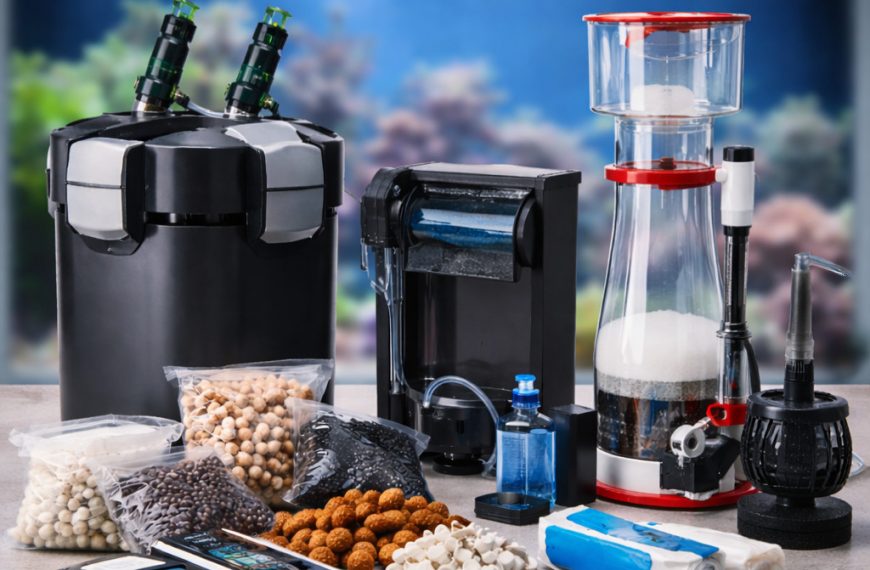
- Quality heater (with a guard) set to 77–79°F (25–26°C)
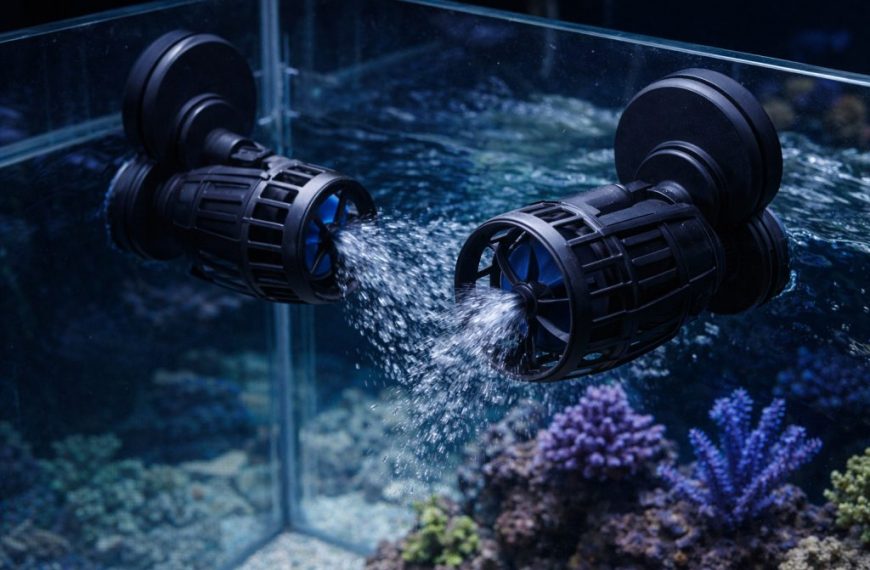
- Return/filter pump plus a small powerhead for extra flow
- Reef-capable LED light if you plan to keep corals later
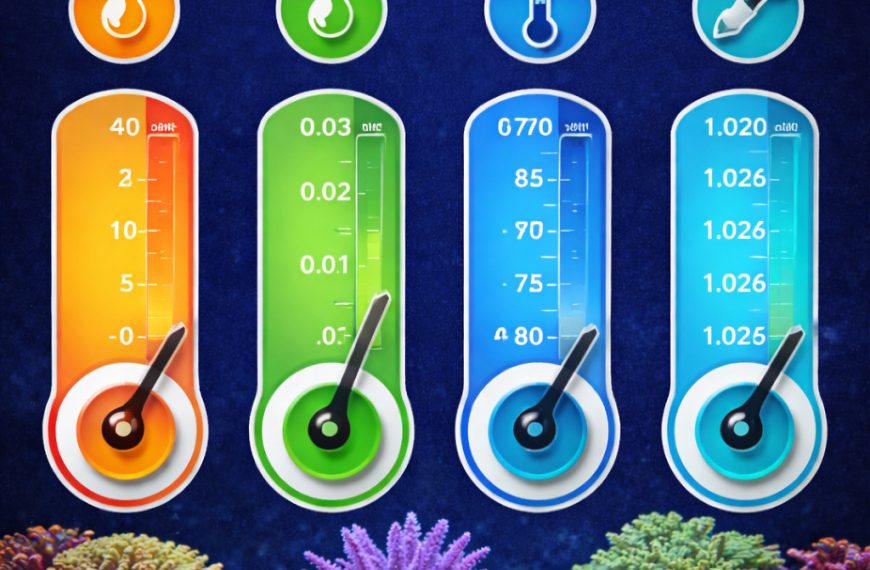
- Reef salt mix and a refractometer to measure salinity (aim for 1.024–1.026)
- Test kits for ammonia, nitrite, nitrate, and pH
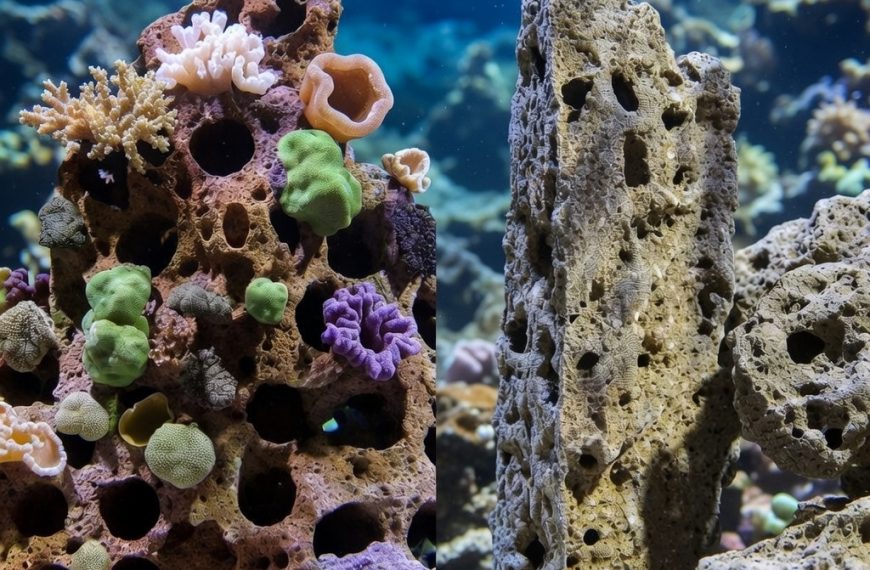
- Live rock or dry rock and a thin layer of sand (around 1 inch)
Pro tip: Buy the best test kits and refractometer you can afford. Accurate testing saves livestock and money in the long run.
Cycling Your Saltwater Tank the Right Way
Rushing the cycle is the fastest path to problems. Cycling establishes beneficial bacteria that convert toxic ammonia into less harmful nitrate.
Basic Cycling Steps
- Fill the tank with mixed saltwater and run all equipment.
- Add rock and sand, then let the water clear.
- Introduce a source of ammonia (bottled ammonia or a pinch of fish food).
- Test every few days for ammonia, nitrite, and nitrate.
- Wait until ammonia and nitrite read 0 and nitrate is present before adding fish.
Most tanks take 3–6 weeks to fully cycle. Be patient; stability now prevents headaches later. For a deeper dive into water chemistry, check out our Saltwater Aquarium Water Parameters Guide.
Stocking Your First Saltwater Tank Safely
Once your tank is cycled, it’s time to add life—but slowly. Overloading a new system is a classic beginner mistake.
Beginner-Friendly Fish & Clean-Up Crew
Start with hardy, peaceful species and a small clean-up crew:
- Good starter fish: clownfish, firefish, royal gramma, some gobies
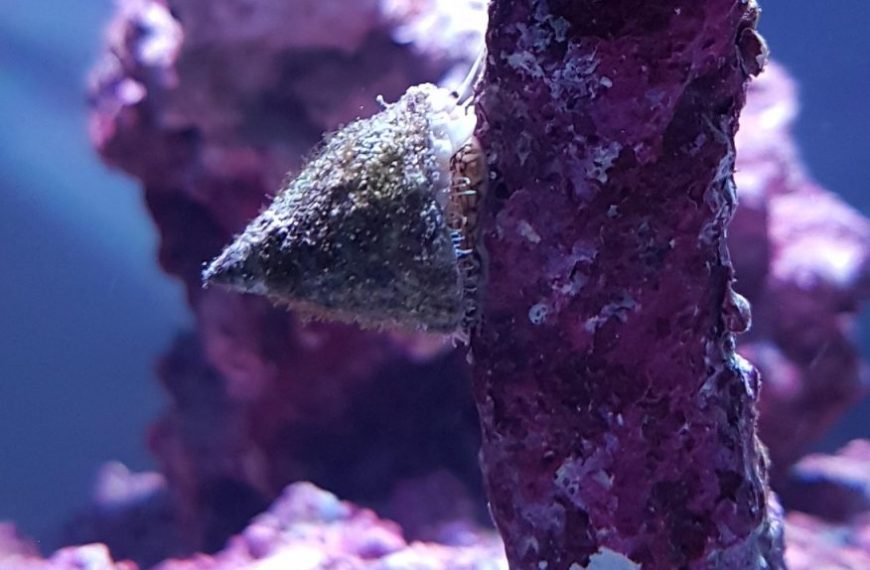
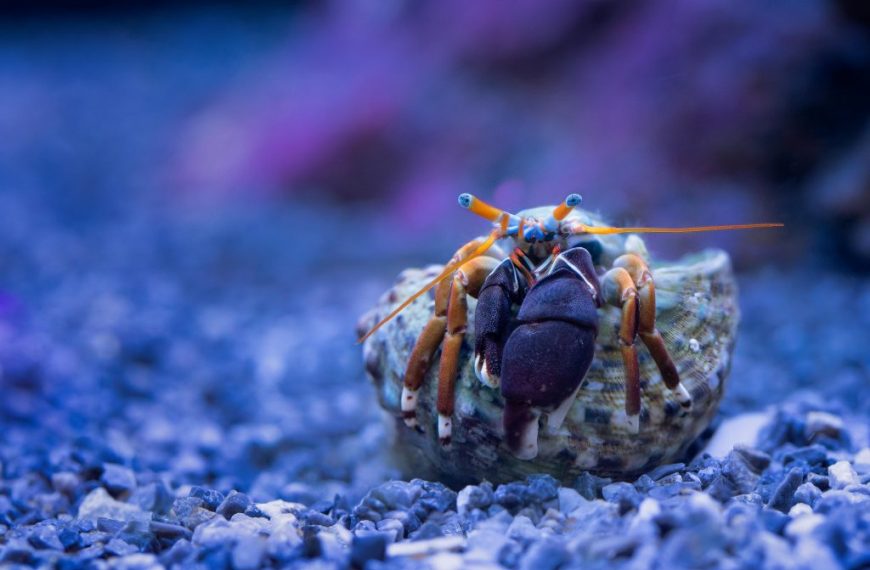
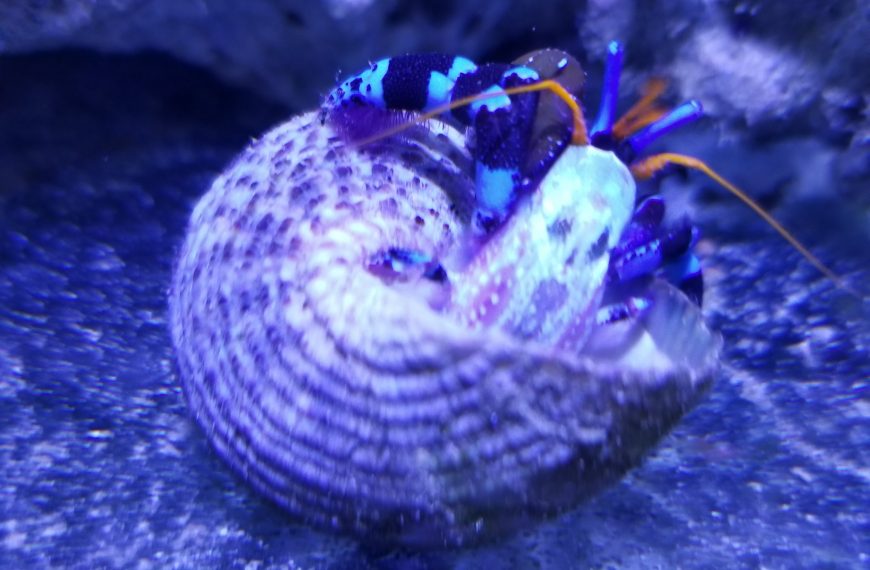
- Clean-up crew: a mix of snails (turbo, trochus, nassarius) and a few hermit crabs
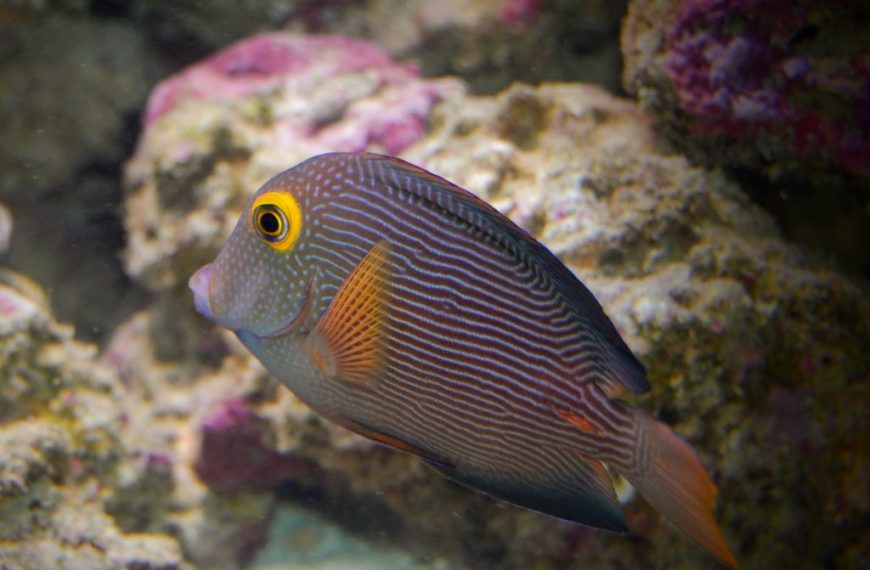
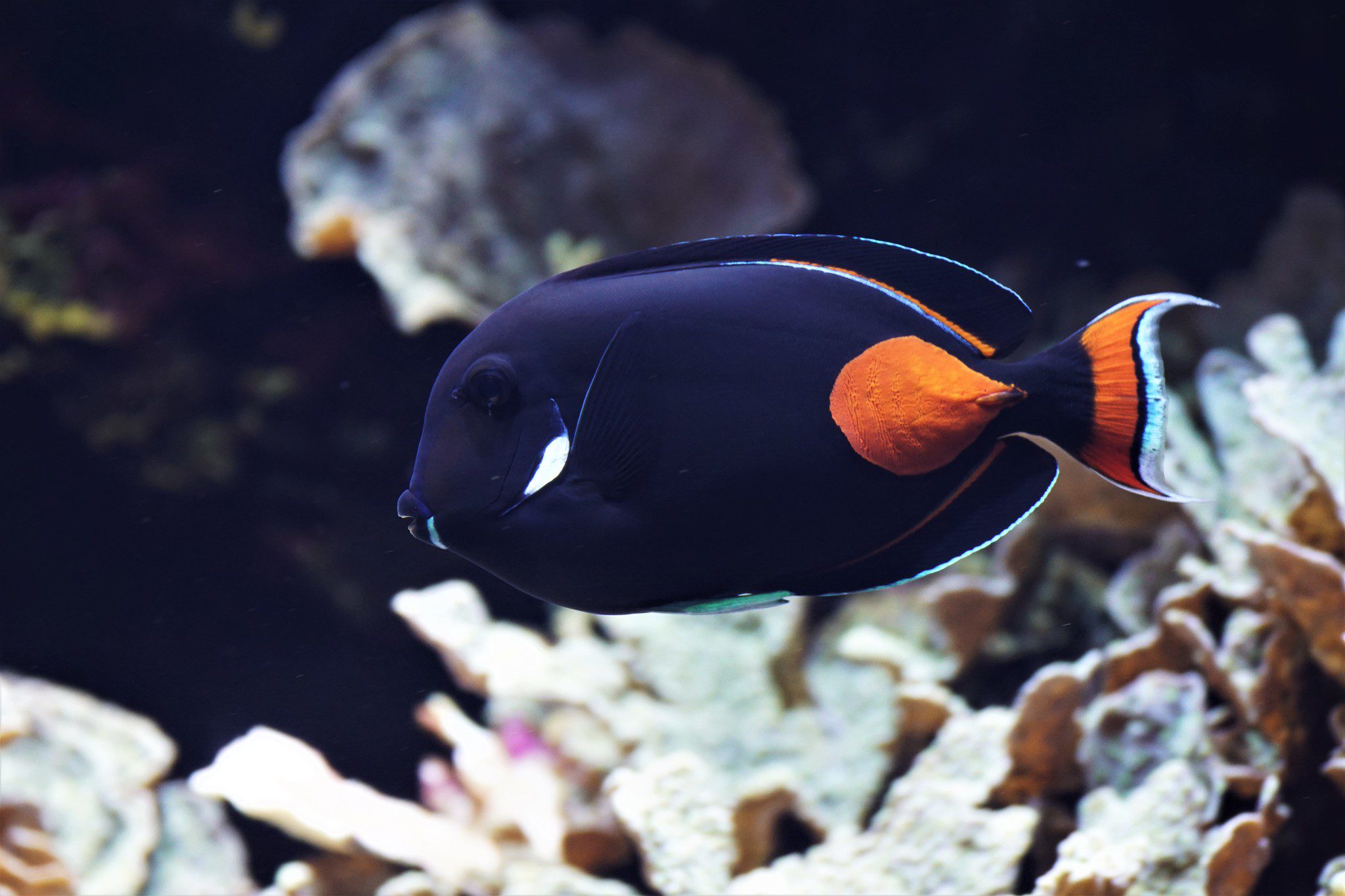
- Avoid early on: tangs, mandarins, large angels, and any aggressive species
Add only 1–2 fish at a time, waiting at least 1–2 weeks between additions while monitoring ammonia and nitrite.
Simple Maintenance Routine
- Weekly: 10–15% water change, glass cleaning, quick equipment check
- Daily: Feed lightly, observe fish behavior, top off evaporated water with fresh RO/DI
- Monthly: Rinse mechanical filter media and inspect pumps for salt creep and buildup
As your confidence grows, you can move into beginner corals and more advanced filtration. When you’re ready, read our Easy Soft Corals for Beginners to choose hardy, forgiving options.
With the right tank size, a patient cycle, and careful stocking, your first saltwater aquarium can thrive for years. Focus on stability, test regularly, and add livestock slowly—you’ll spend more time enjoying your reef and less time fixing preventable problems.
Sources
- Michael S. Paletta, The New Marine Aquarium, Microcosm Ltd.
- John H. Tullock, Natural Reef Aquariums, Microcosm Ltd.
- Randy Holmes-Farley, “Reef Aquarium Water Parameters” and chemistry articles in online reef-keeping publications.
 By
By