

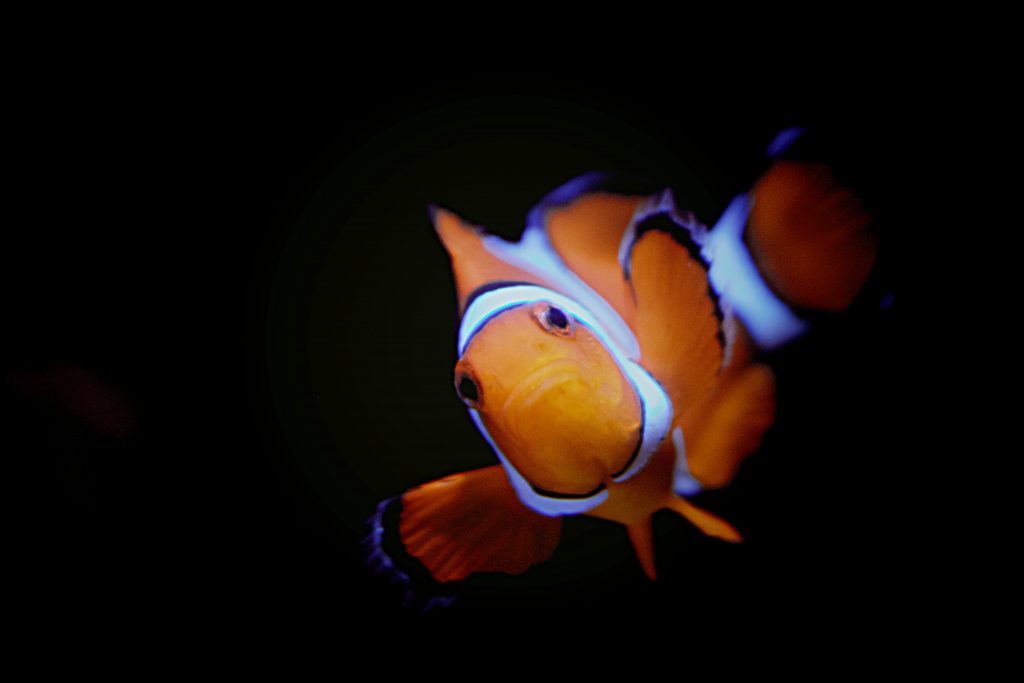
Choosing the best centerpiece saltwater fish depends on your tank size, coral plans, and experience level. The right fish adds movement, color, and personality without creating constant stress. In most reef tanks, the best centerpiece fish is one that stays visible, behaves predictably, and fits the system long term.
A centerpiece fish often becomes the animal people notice first. It sets the tone for the whole display. Some hobbyists want bold color. Others want graceful swimming or unusual behavior. This guide covers the best centerpiece saltwater fish for reef and fish-only tanks, what makes a good centerpiece species, and how to choose one that will thrive in your setup. You will also learn about tank size, compatibility, feeding, and common mistakes that cause trouble later.
Quick Reference Table
| Fish | Best Tank Size | Reef Safe | Temperament | Difficulty |
|---|---|---|---|---|
| Yellow Tang | 75+ gallons | Usually yes | Semi-aggressive | Moderate |
| Kole Tang | 70+ gallons | Yes | Peaceful to semi-aggressive | Moderate |
| Foxface Rabbitfish | 90+ gallons | Usually with caution | Peaceful | Moderate |
| Coral Beauty Angelfish | 55+ gallons | With caution | Semi-aggressive | Easy to moderate |
| Flame Angelfish | 70+ gallons | With caution | Semi-aggressive | Moderate |
| One Spot Foxface | 90+ gallons | Usually with caution | Peaceful | Moderate |
| Marine Betta | 90+ gallons | Usually yes | Peaceful, shy | Moderate |
| Longnose Butterflyfish | 125+ gallons | With caution | Peaceful | Moderate to advanced |
| Harlequin Tusk | 125+ gallons | No for many inverts | Bold, semi-aggressive | Moderate |
| Copperband Butterflyfish | 100+ gallons | With caution | Peaceful | Advanced |
What Makes a Great Centerpiece Saltwater Fish?
A good centerpiece fish must do more than look impressive. It should stay healthy in captivity. It should also match the rest of the livestock. Many beginners choose a fish based on color alone. That often leads to aggression, coral nipping, or a fish that outgrows the tank.
The best centerpiece species are visible during the day. They use open water often. They also have a body shape or swimming pattern that draws attention. Tangs, dwarf angelfish, rabbitfish, and some butterflyfish fit this role well. Personality matters too. Fish that greet you at the glass often become favorites quickly.
Tank size is the biggest filter. A 40-gallon tank limits your options. A 120-gallon tank opens many more choices. Reef safety is the next filter. Some stunning fish nip corals, clams, shrimp, or snails. That may be acceptable in a fish-only system. It is a major problem in a mixed reef. Always plan around adult size, not store size.
Best Centerpiece Saltwater Fish for Reef Tanks
For reef keepers, the safest centerpiece fish usually come from tangs, rabbitfish, and carefully selected dwarf angels. Tangs are popular because they are active, colorful, and always in view. A yellow tang works well in larger tanks and brings bright color. A kole tang is less flashy, but it has great algae-grazing behavior and a sleek look.
Foxface rabbitfish are excellent centerpiece fish in bigger reef tanks. They are hardy, useful, and peaceful. Their bold yellow body stands out under reef lighting. They can nip some corals if underfed, so they are reef safe with caution. Dwarf angels such as coral beauty and flame angelfish are also popular. They add strong color and movement. However, any dwarf angel may nip fleshy corals, zoanthids, or clam mantles.
Marine bettas are a different kind of centerpiece. They are not bright swimmers like tangs. Instead, they bring a dramatic, predatory look. In dimmer tanks with caves, they become a stunning focal fish. If you want a reliable community reef option, a tang or foxface is usually the safest long-term choice.
Best Centerpiece Fish for Fish-Only Saltwater Tanks
Fish-only tanks allow more flexibility. You can keep species that would be risky in reefs. Harlequin tusks are a prime example. They have electric blue teeth, orange bands, and a bold presence. They are excellent centerpiece fish for larger systems. They may eat shrimp, crabs, and snails, so they are best in tanks without valued invertebrates.
Butterflyfish can also shine in fish-only displays. Longnose butterflyfish have elegant shape and constant activity. Copperband butterflyfish are beautiful, but they are not beginner friendly. Many arrive thin and refuse prepared foods. They need mature tanks and patient feeding. Larger angelfish can also become spectacular centerpieces in fish-only systems, though they need much larger aquariums than many hobbyists expect.
If your goal is pure visual impact, fish-only systems offer some of the most dramatic options. Just remember that aggression rises with larger, bolder species. Add tankmates carefully. Use quarantine. Feed a varied diet. A healthy fish-only centerpiece should look full-bodied, alert, and confident, not stressed and pacing the glass.
Natural Habitat and Behavior
Most popular centerpiece fish come from coral reef habitats in the Indo-Pacific. Tangs and rabbitfish often patrol reef slopes and lagoons. They graze algae from rock and rubble. Dwarf angelfish live among rock crevices and coral heads. They spend the day picking at surfaces for algae, sponge, and tiny invertebrates.
Butterflyfish often cruise open reef faces in pairs or alone. Some feed on worms, coral polyps, or small benthic animals. Marine bettas prefer caves and shaded overhangs. They move slowly and rely on stealth. Understanding natural behavior helps you choose the right aquascape. It also helps explain compatibility. Open-water fish need room to swim. Cave-oriented fish need shelter to feel secure.
Behavior in captivity often mirrors the wild. Grazers become territorial around feeding zones. Shy fish hide if the tank is too bright or crowded. Coral nippers usually do not stop because of luck alone. They are acting on instinct. When you match the fish to the environment, stress drops and display behavior improves.
Aquarium Setup for a Centerpiece Fish
Tank size should match the fish’s adult body and swimming style. A yellow tang needs more than water volume. It needs length. A 4-foot tank is the practical minimum for many medium centerpiece fish. Larger species need 5 to 6 feet of swimming room. Do not buy a juvenile with plans to upgrade later unless that upgrade is certain.
Aquascaping should balance shelter and open space. Build caves and arches for retreat. Leave open lanes in front for swimming. Avoid stacking rock wall to wall. That makes fish feel boxed in. It also reduces flow. For shy species like marine bettas, include shaded areas and deeper caves. For tangs and rabbitfish, include grazing surfaces with established biofilm and algae.
Stable water quality matters more than chasing exact numbers. Aim for salinity around 1.025, temperature 76 to 78°F, and low ammonia and nitrite. Keep nitrate and phosphate controlled, but not stripped to zero in reefs. Strong gas exchange is important for active fish. A properly sized skimmer helps. So does good surface agitation.
Lighting Requirements
Most centerpiece fish do not need special lighting for health. Corals drive the lighting plan in reef tanks. Fish respond more to intensity, shadows, and daily rhythm. Very bright lighting can make shy species hide. Marine bettas often stay out more under moderate light with shaded rockwork. Tangs and rabbitfish usually adapt well to bright reef lighting.
Use a consistent day and night schedule. Sudden lighting changes can spook fish. Ramped lighting helps reduce stress at sunrise and sunset. If a new centerpiece fish hides constantly, examine the aquascape before blaming the species. It may simply lack secure cover. In fish-only systems, moderate lighting often shows color well without pushing nervous fish into caves all day.
Color can shift under different spectrums. Blue-heavy reef lighting makes yellow and orange fish pop. Full-spectrum daylight often shows true body pattern better. The best approach is one that keeps both corals and fish comfortable while still giving you a great display.
Water Flow
Most centerpiece fish enjoy moderate to strong, varied flow. In nature, reef fish live in moving water. Good flow supports oxygenation and waste export. It also encourages natural swimming behavior. However, flow should not blast every area equally. Fish need calm zones where they can rest.
Tangs, rabbitfish, and butterflyfish usually appreciate active circulation. Marine bettas prefer lower-flow hideouts within the same tank. This is why random, alternating flow works so well. It creates movement without turning the aquarium into a constant jet stream. Aim powerheads so open water has movement, but caves remain usable.
Poor flow often leads to low oxygen and detritus buildup. Fish may breathe harder or hover near the surface. Excessive direct flow can cause fish to hide or avoid half the tank. Watch behavior and adjust placement. The fish will tell you a lot if you pay attention.
Feeding Your Centerpiece Fish
Diet should match the species. Herbivores like tangs and rabbitfish need frequent plant-based foods. Offer dried nori daily. Add spirulina pellets and quality frozen blends. Dwarf angels benefit from mixed diets with algae, sponge-based foods, and meaty items. Butterflyfish often need small, frequent offerings and more patience during acclimation.
Feed at least twice daily for active species. Large single feedings are less effective. Variety improves color and body condition. Rotate mysis, brine enriched with vitamins, pellets, flakes, and algae sheets. Soak food in vitamins if a fish arrives thin. Newly imported specimens often need extra support. A healthy centerpiece fish should have a full belly line and strong interest in food.
Do not overfeed to force growth or reduce aggression. Excess nutrients create water quality issues. Instead, feed enough to maintain weight and natural activity. Observe who gets the food. In mixed communities, bold fish can outcompete shy centerpiece species unless you target feed.
Compatibility and Stocking Tips
Compatibility depends on temperament, body shape, and feeding niche. Tangs often fight other tangs, especially similar shapes and colors. Dwarf angels may chase peaceful fish if the tank is cramped. Rabbitfish are usually calm, but their venomous spines require care during capture or maintenance. Butterflyfish may ignore fish but sample corals or feather dusters.
Add the centerpiece fish in the right order. Peaceful species often do better before aggressive fish establish territory. Semi-aggressive centerpiece fish usually go in after very timid species, but before the most aggressive tankmates. In many reef tanks, the centerpiece fish is added near the end. This helps reduce territorial dominance.
Avoid choosing two fish that fill the same visual and behavioral role unless the tank is large. One tang and one foxface often works. Three similar tangs in a 90-gallon tank usually does not. Research each fish as an adult. Juvenile compatibility can be misleading.
How to Choose the Right Centerpiece Fish
Start with your tank size. Then decide if the tank is reef, mixed reef, or fish-only. Next, list any must-keep invertebrates or corals. This removes risky species fast. After that, consider your experience level. A copperband butterflyfish may be stunning, but it is not a wise first centerpiece for most hobbyists.
At the store, avoid fish with pinched bellies, cloudy eyes, torn fins, or rapid breathing. Ask to see the fish eat. This step prevents many expensive mistakes. Choose alert fish that respond to movement and hold their fins well. If possible, quarantine every new fish. Centerpiece species are often costly. Protect that investment.
Finally, think long term. The best centerpiece fish is not just beautiful today. It still fits your tank in three years. It still works with your coral plans. It still brings you enjoyment without constant conflict. That is the real goal.
Common Problems
Why is my centerpiece fish hiding all the time?
New fish often hide for several days. That is normal. Persistent hiding usually points to stress. Common causes include aggressive tankmates, too much light, too little cover, or poor acclimation. Test water quality first. Then watch for chasing. Rearranging rock can break territories. Feeding from a quiet side of the tank also helps shy fish settle.
Why is my fish nipping corals?
This is common with dwarf angels, rabbitfish, and butterflyfish. Underfeeding can make it worse, but instinct is the main driver. Increase diet variety and grazing options first. If nipping continues, the fish may not be reef safe in your system. Individual behavior varies. Some fish never touch coral. Others become repeat offenders.
Why is my tang acting aggressive?
Tangs defend space and food. Aggression rises in short tanks and crowded aquascapes. Add algae clips at multiple points. Increase swimming room if possible. Use mirrors or acclimation boxes during introductions. Similar tang species often clash most. Sometimes the only fix is rehoming one fish.
Why is my new centerpiece fish not eating?
Stress is the usual cause. Offer several food types. Try frozen mysis, enriched brine, pellets, and algae sheets. Reduce traffic around the tank. Check for bullying. Some species need live foods at first. If breathing is heavy or the fish declines fast, consider disease and move to quarantine for treatment.
Frequently Asked Questions
What is the best centerpiece fish for a 75-gallon saltwater tank?
A yellow tang, kole tang, or coral beauty angelfish are common choices. The best option depends on your coral plans and tankmates.
What is the most reef-safe centerpiece fish?
Kole tangs and many other bristletooth tangs are among the safest popular centerpiece fish for reef tanks. They are active and useful algae grazers.
Can I keep a centerpiece fish in a nano reef?
Nano tanks have limited true centerpiece options. In very small systems, a pair of designer clownfish or a royal gramma often fills that visual role better.
Are angelfish good centerpiece fish?
Yes, especially dwarf angels. They are colorful and active. However, many are reef safe with caution because they may nip corals or clams.
Should the centerpiece fish be added first or last?
Usually near the end. This helps reduce territorial behavior. Peaceful species may be added earlier if aggressive tankmates are planned later.
Final Thoughts
The best centerpiece saltwater fish is the one that fits your aquarium, not just your wishlist. For most reef hobbyists, tangs and foxface rabbitfish offer the best mix of beauty, activity, and reliability. Dwarf angelfish add color but carry more coral risk. Butterflyfish and tusks are better for experienced keepers or fish-only systems. Choose carefully, quarantine properly, and plan for the adult fish. That approach creates a display that looks impressive for years, not just the first month.
Helpful reading: best reef safe fish for beginners, reef tank compatibility guide, how to quarantine saltwater fish, best clean up crew for reef tank, reef tank water parameters.
Was this helpful?
Related Posts
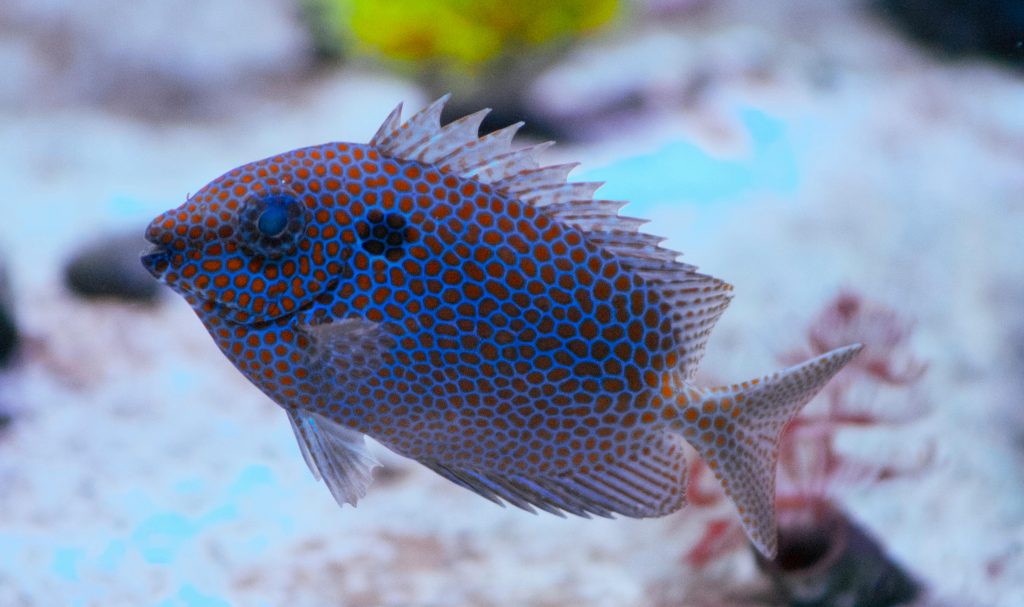
Gold Spotted Rabbitfish (Siganus Punctatus)
Gold Spotted Rabbitfish care includes large tanks, heavy algae feeding, and caution with corals. Learn tank size, diet,…
 By
By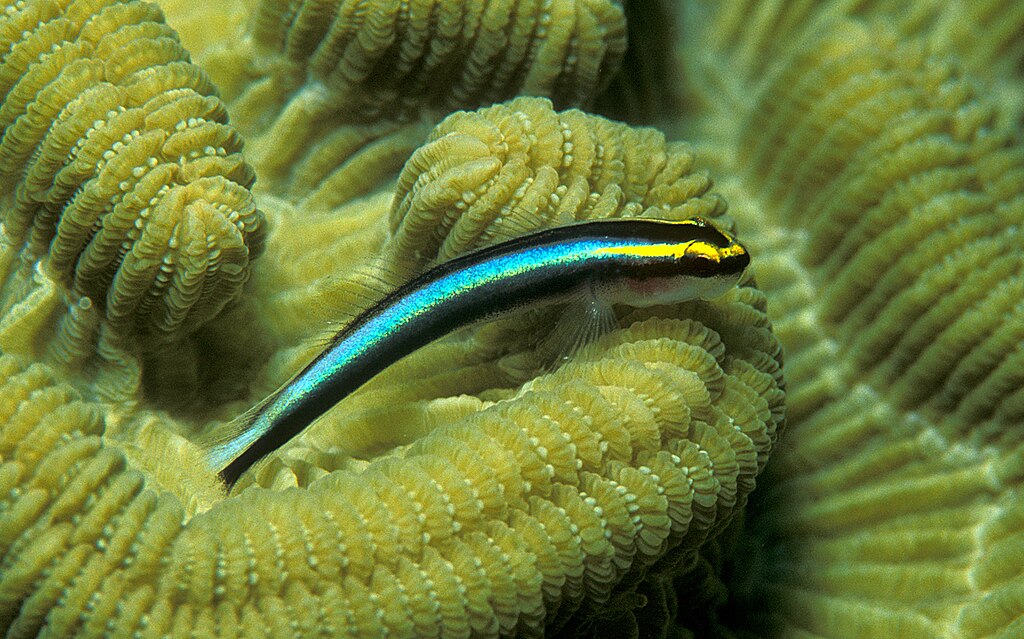
Sharknose Goby (Elacatinus evelynae)
Sharknose Goby care is simple in stable reef tanks. Learn feeding, tank setup, compatibility, and common problems for…
[favorite_button]
My Bookmarks:
To see full list click here
[user_favorites user_id="" include_links="true" site_id="" post_types="" include_thumbnails="true" thumbnail_size="thumbnail" include_excerpt="false"]