

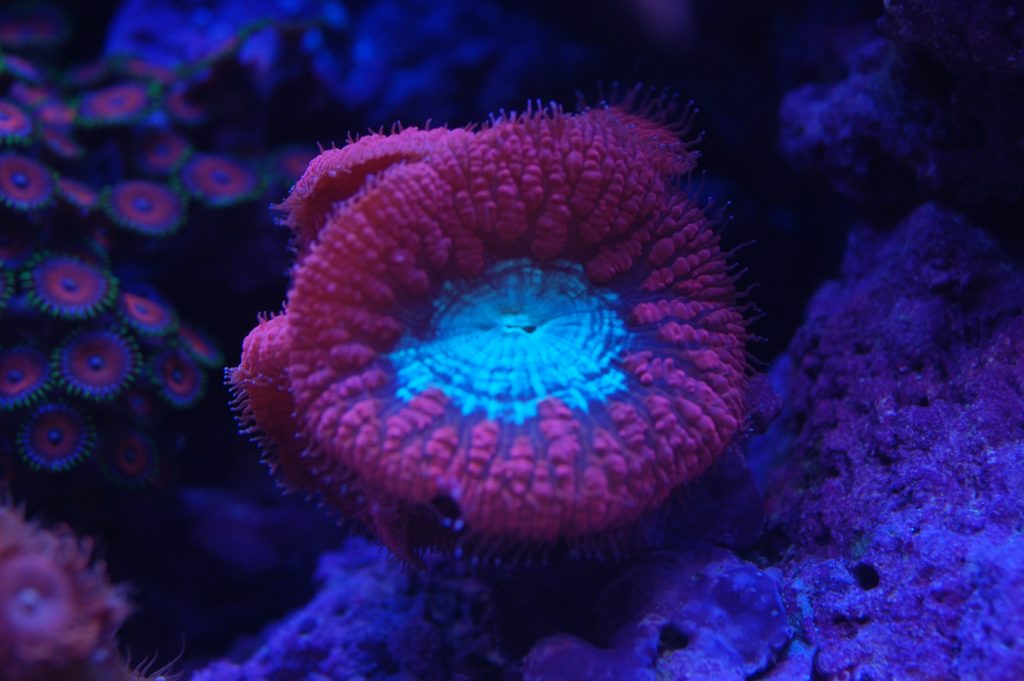
Blastomussa Corals Care
Blastomussa corals are hardy, bold LPS corals that reward stable water and gentle feeding. This guide covers lighting, flow, placement, and feeding schedules. You will also learn how to avoid common issues like tissue recession, algae buildup, and poor polyp extension. Follow these steps for healthy growth and confident fragging.
Blastomussa is a favorite for reef keepers who want big color and easy maintenance. These corals belong to the family Mussidae. In the wild, they grow on reef slopes and sheltered areas. In your tank, they need consistent calcium, alkalinity, and low stress. They also need the right flow and a clean surface.
In this article, you will learn practical care routines. You will learn how to choose the best spot in your aquascape. You will learn how to feed without fouling the water. You will also learn compatibility tips with common reef fish and invertebrates. Finally, you will troubleshoot the most common symptoms.
Quick Care Reference
| Care Area | Target | Why It Matters |
|---|---|---|
| Lighting | Moderate to high, indirect | Supports zooxanthellae but avoids bleaching |
| Water Flow | Low to moderate, pulsed | Helps waste removal and polyp comfort |
| Feeding | Optional, 1–3x weekly | Boosts growth and color for LPS |
| Water Params | Alk 7–9 dKH, Ca 400–460 ppm | Stable chemistry prevents tissue loss |
| Placement | Mid level, away from sweeper corals | Reduces damage and improves extension |
| Tank Maturity | 6+ months | More stable nutrients and microfauna |
Natural Habitat: Where Blastomussa Lives
Blastomussa corals grow in warm tropical oceans. They are commonly found on reef slopes and in areas with steady water movement. Many colonies prefer spots where currents bring food particles. At the same time, they avoid direct blasts of force.
In nature, Mussidae species often occupy crevices and ledges. These locations reduce exposure to sand storms. They also offer partial shade. That is why Blastomussa usually does best under moderate lighting in aquariums. It also explains why strong, random flow can irritate the coral.
Water in reef habitats is not sterile. It contains dissolved organics and plankton. Your goal is to mimic that balance. You want clean water. You also want enough nutrients for the coral to thrive. Overly sterile systems can leave LPS struggling to extend fully.
Aquarium Setup for Blastomussa
Blastomussa is an LPS coral that fits many reef systems. A stable tank is more important than a huge tank. Still, aim for at least 30 gallons for reliable parameters. Bigger tanks also dilute mistakes. That helps beginners learn without constant stress.
Use a rockscape that creates gentle current lanes. Place the coral on a flat rock ledge or a stable mound. Avoid burying the tissue in sand. Keep the base clean. A thin film of algae can be normal. Thick algae can smother the coral and block feeding.
Quarantine new corals if possible. Blastomussa can carry pests like flatworms or zoa-specific hitchhikers. Inspect the underside. Look for eggs and bite marks. A short dip can also remove debris.
If you are setting up a new tank, plan for stability. Use quality salt mix. Calibrate test kits. Run a reliable protein skimmer. Then let the system mature. Most LPS struggle in brand new aquariums.
Lighting Requirements
Blastomussa does best under moderate to high lighting. The key word is “indirect.” Many colonies show better color when they get enough PAR. But they can bleach if you blast them with strong light too fast.
Start lower in the tank or reduce intensity. Then increase gradually over 2–4 weeks. Watch for early signs of stress. Reduced polyp extension is one sign. Another sign is paling tissue. If you see these, back off the light.
For LED fixtures, use a shaded placement. Place the coral where it receives light but not direct hotspots. If you use T5 lighting, you can place it slightly higher. Still, acclimate slowly.
Also consider how your tank is colored. Tanks with heavy sand and lots of algae can reduce light intensity. Clean glass and reflective surfaces can increase it. Adjust placement after routine maintenance.
Water Flow: How Much Movement?
Blastomussa prefers low to moderate flow. Think “gentle pulsing,” not constant blasting. In the wild, currents help deliver food. They also remove waste from the coral’s surface. But strong flow can damage tissue and prevent normal expansion.
Test your flow with a turkey baster. Aim the stream at the coral’s mouth. If the polyps retract and stay retracted, flow is too high. If the polyps sway comfortably, you are close.
Use randomized flow settings if possible. Many reefs use gyre pumps or multiple powerheads. Place Blastomussa where currents overlap gently. Avoid placing it directly in the path of a nozzle.
Also watch for dead spots. Low flow can lead to detritus buildup. That can irritate tissue and encourage algae growth. If you see mucus or brown film, increase flow slightly. Do it gradually over several days.
Feeding Blastomussa: Do You Need to?
Blastomussa is photosynthetic. It uses light to produce energy. That means feeding is optional. However, targeted feeding can improve growth and color. It can also help when light is not ideal.
Feed 1–3 times per week. Use small meaty foods. Examples include mysis shrimp, rotifers, and finely chopped seafood. Use a turkey baster to deliver food near the polyps. Turn off pumps for 10–20 minutes. Then turn flow back on gently.
Start with small amounts. Overfeeding raises nutrients. It can also cause bacterial blooms. If your coral looks fuller after feeding, you found a good dose.
Remove leftover food. A siphon can help during water changes. Also keep mechanical filtration clean. Dirty filter socks can trap detritus and raise nitrate.
If you want more guidance on feeding routines, see our internal guide on LPS Coral Feeding Tips.
Water Chemistry: The Non-Negotiables
Blastomussa is not as delicate as some SPS corals. Still, it needs stable chemistry. The biggest cause of tissue recession is usually parameter swings. That includes alkalinity swings and unstable calcium.
Use these targets as a baseline. Keep alkalinity between 7–9 dKH. Keep calcium around 400–460 ppm. Aim for magnesium near 1250–1350 ppm. Maintain salinity around 1.025–1.026. Keep temperature stable, often 76–80°F.
Also watch nutrients. LPS typically tolerate moderate nitrate and phosphate. Very low nutrients can reduce coral health. Very high nutrients can fuel algae and stress the coral. Aim for a balanced reef. Test nitrate and phosphate regularly.
Finally, manage dissolved organics. Skimming helps. Water changes help. But avoid abrupt changes to salt mix. Use matched temperature and salinity. Then keep your routine consistent.
Compatibility: Tankmates and Reef Neighbors
Blastomussa is generally peaceful. It does not sting like some soft corals. Still, it can lose space in a crowded tank. It also has sweeper potential like many LPS. That means you should give it room.
Keep it away from aggressive corals. Examples include hammer corals and some Euphyllia species. Those can reach out and damage Blastomussa. Also avoid placing it too close to fast-growing zoanthids that can overgrow tissue.
With fish, Blastomussa usually does fine. Avoid fish that constantly nip at polyps. Large angels can sometimes sample coral tissue. Butterflyfish can also be risky. Smaller peaceful fish usually work well.
Invertebrates are a mixed bag. Snails and small crabs can help keep the area clean. But some crabs may grab tissue or move rocks. Watch for coral-eating pests. If you see bite marks, inspect at night with a flashlight.
If you want a compatibility checklist, read Reef Coral Compatibility Guide.
Blastomussa Propagation (Fragging) for Reef Keepers
Blastomussa can be fragged in a way similar to other LPS. Many hobbyists use a fragging technique that targets the skeleton and minimizes tissue stress. Success depends on clean tools and good water conditions.
When to Frag
Frag when the coral is healthy and fully extended. Avoid fragging during a slow decline. Also avoid fragging after major parameter changes. Your goal is to reduce stress during recovery.
Tools and Safety
Use a clean blade or bone cutter. Sterilize tools between frags. Wear eye protection if you are cutting. Blastomussa tissue can tear easily. A fast, controlled cut is usually better than repeated cutting.
Fragging Steps
1) Remove the coral from direct blasting flow. Keep it in a stable container with tank water if needed. 2) Make a single cut through the skeleton. Aim for a frag that has enough tissue. 3) Place the frag on an appropriate plug or rubble. 4) Use a safe coral adhesive if needed. Keep it minimal. 5) Put frags in a low-stress area with gentle flow and moderate light. 6) Dip the frag only if you are treating pests. Otherwise, keep handling low.
After fragging, expect slower polyp extension for a few days. That is normal. Watch for stable tissue and clean edges. If you see rapid tissue loss, you may need to check alkalinity and flow.
Step-by-Step: How to Keep Blastomussa Healthy Long-Term
Use this routine as a simple checklist. It is designed for beginners. It also works for experienced reef keepers who want consistency.
Step 1: Quarantine and inspect. Look for pests and damaged tissue. Remove debris from crevices.
Step 2: Acclimate slowly to light and flow. Place it in a shaded mid-water zone first.
Step 3: Test water weekly at first. Track alkalinity, calcium, magnesium, nitrate, and phosphate.
Step 4: Keep flow gentle. Adjust pumps until polyps extend comfortably.
Step 5: Feed lightly 1–3 times weekly. Turn off pumps briefly during feeding.
Step 6: Maintain space. Remove aggressive neighbors or relocate corals that sting.
Step 7: Clean the base. Spot clean algae and detritus. Avoid scrubbing tissue.
Step 8: Watch for early warning signs. Early action beats coral surgery later.
Common Problems and Troubleshooting
Blastomussa Not Extending Polyps
Low polyp extension usually means stress. Start with flow. Blastomussa may be getting blasted. Next, check light. Too much light can cause retraction. Also check water quality. High nitrate, low oxygen, or swings in alkalinity can reduce extension.
Practical steps: Move the coral to a calmer spot. Reduce lighting intensity slightly. Then test alkalinity and nitrate. Perform a small water change if parameters are off. Give it 3–7 days to respond.
Tissue Recession or White Edges
Tissue recession can come from chemistry swings or physical damage. It can also come from pests. Inspect for bite marks and pests in the shadows. Also check for smothering algae at the base.
Practical steps: Test alkalinity and calcium first. Correct slowly. Then increase water cleanliness with regular skimming and filter maintenance. If algae is covering the skeleton, remove it carefully with a soft brush. For pests, consider a targeted dip. Always follow safety instructions and re-acclimate afterward.
Brown Film or Algae on the Coral
Brown film often means detritus or nuisance algae. It can also be cyano in early stages. High nutrients and low flow can contribute. It can also happen when the coral is placed too close to a dead zone.
Practical steps: Increase flow slightly and spot clean the area during water changes. Reduce feeding if you see repeated film buildup. Check phosphate and nitrate. If values are high, adjust export gradually with refugium, media, or water changes. Avoid sudden drastic changes that stress the coral.
Bleaching or Pale Tissue
Bleaching is often a lighting or acclimation issue. It can also happen after major parameter swings. Check for sudden increases in light intensity, new bulbs, or new LED schedules. Also confirm stable alkalinity and temperature.
Practical steps: Lower light intensity and move the coral to moderate shade. Keep temperature stable. Test alkalinity and salinity. Then wait. Many corals recover if stress is removed quickly. If tissue continues to thin, review flow and water quality again.
Coral Shrinks After Feeding
Some shrinkage is normal after feeding. The tissue can tighten while polyps handle food. But repeated shrinkage can mean overfeeding or poor water conditions. Food leftovers can also foul the water.
Practical steps: Feed smaller portions. Turn off pumps only briefly. Then siphon any leftover food. Test nitrate and phosphate weekly. If nutrients spike, reduce feeding frequency until the coral stabilizes.
Frequently Asked Questions
How fast does Blastomussa grow?
Growth varies by light, flow, and feeding. Under stable conditions, many colonies show noticeable expansion within months. Faster growth often comes from consistent alkalinity and moderate feeding.
What is the best placement in a reef tank?
Place Blastomussa mid-level or slightly lower. Choose a spot with indirect light and gentle, pulsed flow. Avoid direct laminar blasts.
Do Blastomussa corals sting other corals?
They can be semi-aggressive like many LPS. Give them space from corals with sweepers. Watch for tissue damage at contact points.
Should I target feed with mysis?
Yes, mysis can work well. Use small pieces. Feed 1–3 times weekly. Turn off pumps briefly so food stays near the polyps.
Why does my coral keep browning?
Browning can be algae, detritus, or changes in light. Check nutrient levels first. Then review flow and placement. Clean the base gently and ensure indirect lighting.
Final Tips for Success
Blastomussa care is mostly about stability. Keep your alkalinity steady. Keep flow gentle. Feed lightly when needed. Then watch extension as your daily indicator.
If you want to improve your overall reef routine, start with water testing and consistent maintenance. Learn your tank’s patterns. Then adjust slowly. For more foundational help, check Alkalinity and Calcium Basics. For coral health troubleshooting, also review Why LPS Recede and How to Fix It.
With the right spot and routine, Blastomussa can become one of your boldest colors. It can also be a great coral for learning fragging skills. Take it step by step. Enjoy the growth.
Was this helpful?
Related Posts
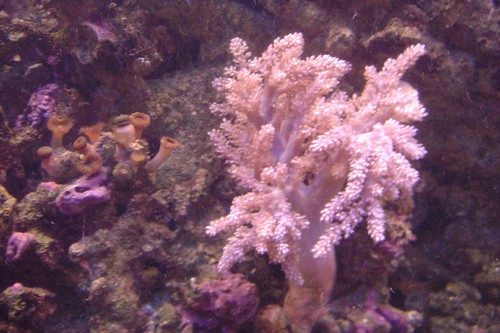
Kenya Tree Corals
Kenya Tree corals are hardy soft corals with easy care, moderate light needs, and fast growth. Learn placement,…
 By
By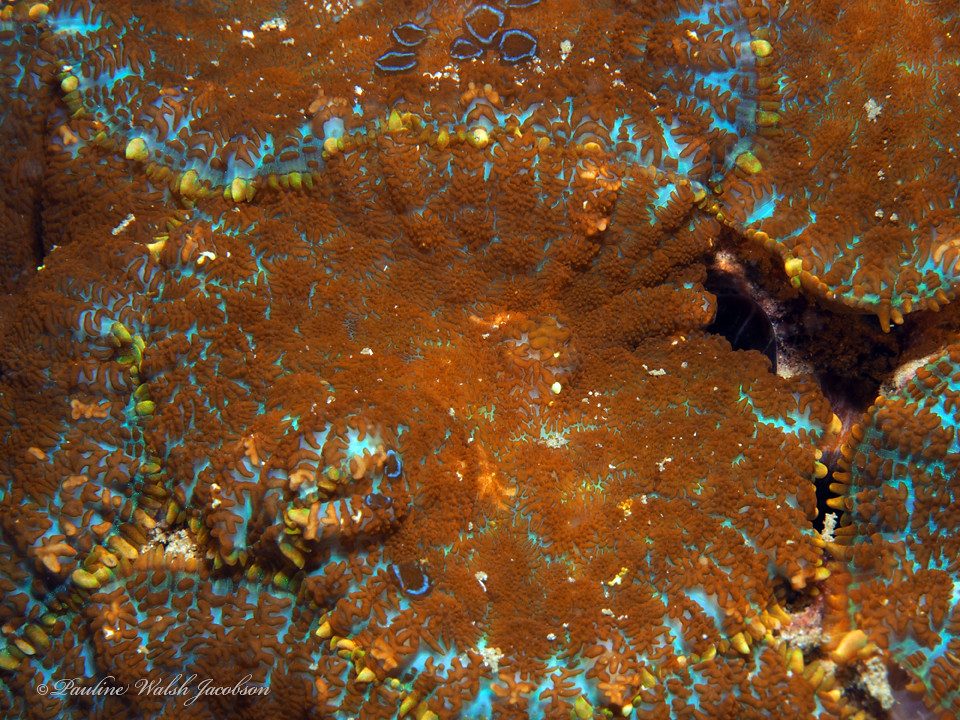
Rhodactis Mushrooms Care
Rhodactis mushrooms are hardy reef corals that prefer low to moderate light, gentle flow, and stable water. Learn…
[favorite_button]
My Bookmarks:
To see full list click here
[user_favorites user_id="" include_links="true" site_id="" post_types="" include_thumbnails="true" thumbnail_size="thumbnail" include_excerpt="false"]