
Coral compatibility decides whether a reef tank grows peacefully or turns into a daily turf war. This guide explains which corals mix well, which ones fight, and how to plan placement, flow, and spacing so your reef stays healthy long term.
Many reef keepers choose corals for color first. That is normal. The problem starts when beautiful corals begin stinging, shading, or chemically stressing their neighbors. Coral warfare is common in mixed reefs. It happens in nano tanks and large systems alike. Beginners often blame lighting or water chemistry when the real issue is poor coral placement. In this guide, you will learn how coral aggression works, which coral groups usually mix best, and how to build a layout that reduces conflict. You will also learn warning signs, troubleshooting steps, and simple stocking strategies that make a mixed reef easier to manage.
Quick Reference Coral Compatibility Table
| Coral Group | Compatibility | Aggression Risk | Best Placement Tip |
|---|---|---|---|
| Mushrooms | Good with other soft corals | Moderate | Isolate on their own rock |
| Zoanthids and Palythoa | Good in mixed soft coral tanks | Low to moderate | Give room for spreading |
| Leather corals | Fair in mixed reefs | Moderate chemical warfare | Use carbon and strong export |
| Euphyllia | Often compatible with same genus | Moderate to high | Allow long sweeper space |
| Acan and Micromussa | Good with peaceful LPS | Moderate | Keep away from sweepers |
| Favia and war corals | Poor in tight mixed reefs | High | Place low with wide buffer |
| Montipora | Good with many SPS | Low direct aggression | Prevent shading over others |
| Acropora | Best with other SPS | Low direct aggression | High light and stable spacing |
| Goniopora and Alveopora | Fair in peaceful reefs | Low to moderate | Avoid strong stinging neighbors |
Use this table as a starting point. Individual colonies can behave differently. Tank size, flow, and nutrient levels also change outcomes.
How Coral Compatibility Really Works
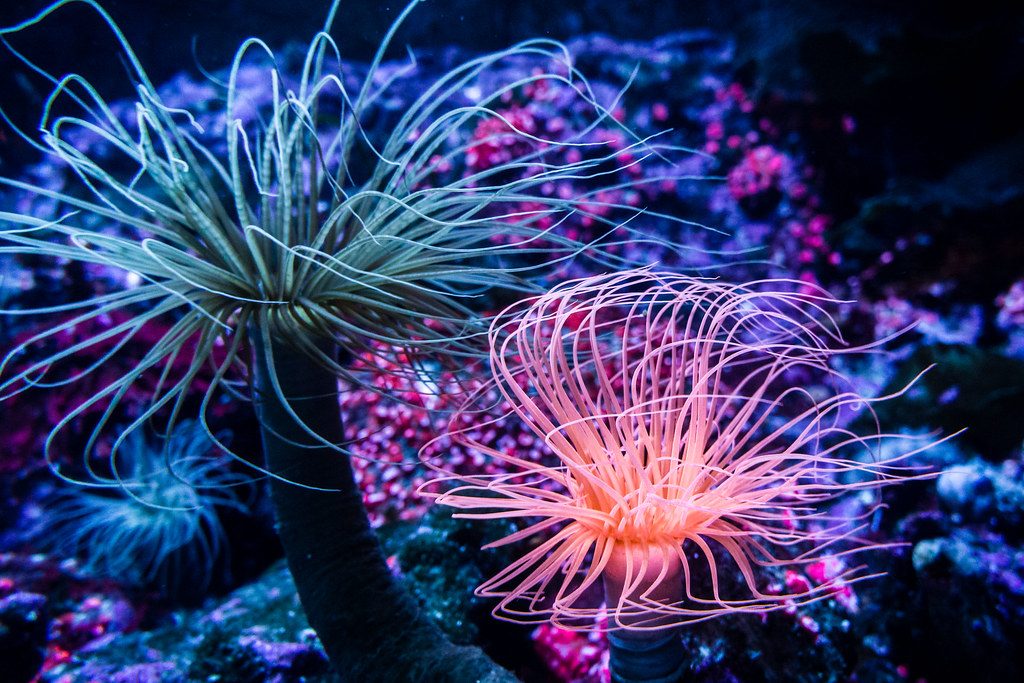
Corals compete in three main ways. They sting. They shade. They release chemicals. Stinging is the easiest to spot. Many LPS corals send out sweeper tentacles at night. These can reach several inches. Some species reach even farther. Soft corals often rely more on chemical warfare. They release compounds into the water that irritate nearby corals. SPS corals usually sting less dramatically, but they still compete for space and light.
Compatibility also depends on growth pattern. Encrusting corals can slowly overtake neighboring frags. Branching corals can block light below them. Fast spreading mushrooms and zoanthids may cover rockwork before you notice. This is why a coral can seem peaceful for months, then become a problem later. Always plan for adult size, not frag size. A one-inch frag can become a territory issue within a year. Mixed reefs work best when you account for both aggression and future growth.
Best Coral Pairings for Beginners
Beginners usually succeed fastest with a simple compatibility plan. Start with peaceful soft corals or a focused LPS mix. Zoanthids, many mushrooms, toadstool leathers, and green star polyps can live together, but spreading must be controlled. Keep invasive species on isolated islands. This makes pruning much easier. If you prefer LPS, choose corals with shorter sweepers and similar care needs. Micromussa, blastomussa, candy cane coral, and some favites can work if spaced well.
A second beginner-friendly option is a Euphyllia garden. Many torch, hammer, and frogspawn corals can coexist, though not every colony will accept every neighbor. Observe them closely after placement. A third option is an SPS-dominant tank. Acropora and Montipora often compete less directly than aggressive LPS. They still need stable alkalinity, strong light, and clean flow. For many hobbyists, the easiest path is choosing one dominant coral style. Fewer styles usually means fewer compatibility problems.
Natural Habitat and Why It Matters
Corals come from different reef zones. That matters in captivity. Acropora often grow on high-energy reef crests. They get intense light and strong, chaotic flow. Mushrooms and many LPS corals often come from calmer areas or lower light zones. In nature, distance and water movement help reduce direct conflict. In an aquarium, everything is compressed into a small box. Corals that rarely touch in the ocean may sit inches apart in your tank.
Habitat also explains care overlap. Corals from similar zones usually share similar needs. That improves compatibility. It does not remove aggression, but it makes placement easier. For example, a high-energy SPS shelf can work well if all corals there enjoy bright light and strong flow. A lower, sheltered LPS zone can also work if corals there prefer gentler movement. Building your reef by habitat zones is one of the smartest ways to reduce stress and improve long-term growth.
Aquarium Setup for a Compatible Mixed Reef
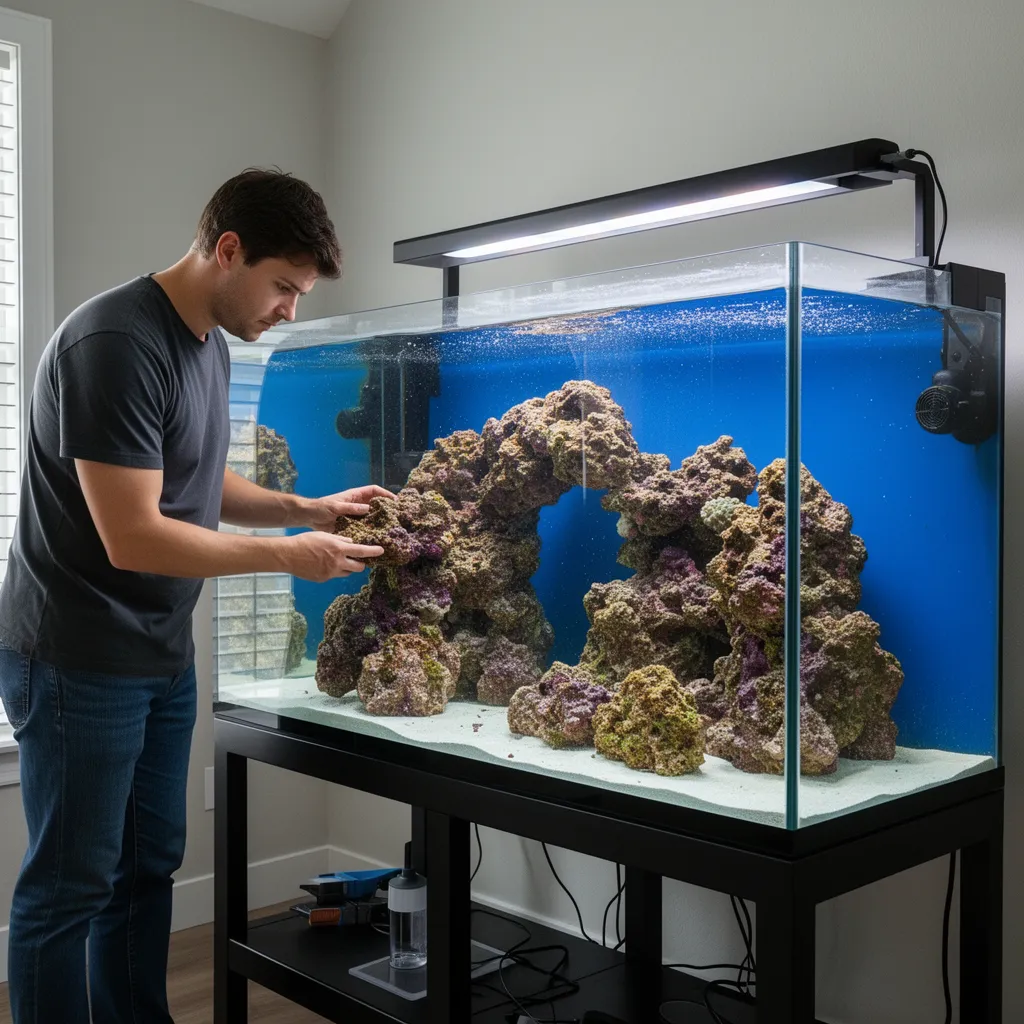
Tank size changes everything. Larger tanks are easier because they offer more distance between colonies. In small tanks, even peaceful corals can become a problem. A 20-gallon mixed reef needs tighter planning than a 75-gallon reef. Build your rockwork with shelves, islands, and gaps. Avoid one solid wall of rock. Separate structures let you isolate fast spreaders and aggressive LPS. This gives you escape routes when a coral outgrows its space.
Think vertically too. Place high-light SPS on upper ledges. Keep lower-light corals below or off to the sides. Leave room around every frag. New hobbyists often crowd frags because the tank looks empty. That creates future problems. Empty space is not wasted space. It is growth space. Keep a frag rack ready for temporary moves. Quarantine is also helpful. It prevents pests and gives you time to assess coral health before adding it to the display. Useful planning resources include reef tank setup, reef aquascaping ideas, and reef water parameters.
Lighting Requirements and Compatibility
Lighting affects compatibility more than many hobbyists realize. Corals with very different light needs are harder to mix. If one coral needs intense PAR and another prefers shade, one of them may decline. SPS corals usually need the brightest zones. Many soft corals and fleshy LPS prefer moderate light. Some mushrooms bleach under strong LEDs. Some Acropora brown out under weak light. Matching light needs makes placement easier and reduces stress.
Shading is another issue. Fast-growing plating Montipora can block light below. Large leather corals can cast broad shadows. Branching colonies can change flow and light patterns over time. Reassess your tank every few months. Corals do not stay the same size. If a colony starts overshadowing a neighbor, frag it or move the affected coral. Light acclimation is also important. A stressed coral is more vulnerable to aggression. Use gradual ramping or lower placement first. Stable, appropriate light supports healthier tissue and better recovery from minor contact damage.
Water Flow and Coral Placement
Flow helps remove mucus, waste, and chemical compounds. It also keeps coral tissue clean. Different coral groups prefer different movement. SPS usually like strong, random flow. Many LPS prefer moderate, indirect flow. Soft corals often tolerate a range, but they still need enough movement to prevent detritus buildup. Poor flow can worsen aggression because waste and allelopathic compounds linger around colonies longer.
Do not blast fleshy LPS directly. Their tissue can tear. Do not leave dead spots behind rock islands either. In mixed reefs, alternating flow patterns work well. They keep water moving without forcing one constant direction. Watch coral behavior. Extended polyps, gentle sway, and clean tissue usually mean good placement. Retracted tissue, bent skeleton exposure, or sand collecting on coral flesh suggest a problem. Good flow does not stop coral warfare, but it reduces stress and helps corals recover faster from minor skirmishes.
Feeding and Nutrient Balance
Feeding does not directly change compatibility, but it affects coral strength. Well-fed corals usually handle stress better. Many LPS corals benefit from occasional target feeding. Offer mysis, reef roids, or fine frozen blends once or twice weekly. Soft corals and many SPS rely more on light and dissolved nutrients, though they still benefit from a healthy plankton-rich system. Avoid overfeeding. Excess nutrients can fuel algae and irritate coral tissue.
Keep nitrate and phosphate stable. Corals tolerate a range, but rapid swings cause trouble. A starving ultra-low nutrient tank can make some corals pale and weak. An overly rich tank can cause browning and nuisance algae. Stability matters more than chasing exact numbers. If chemical warfare is suspected, fresh activated carbon often helps. Good skimming helps too. Strong export reduces dissolved organics and keeps water clearer. Healthier water often means less overall stress across the whole reef.
Compatibility by Coral Type
Soft corals are often sold as easy beginner corals. That is true, but many are not truly peaceful. Leather corals can release strong chemicals. Mushrooms can spread aggressively and sting nearby tissue. Zoanthids usually mix well, but they can overrun rockwork. LPS corals vary widely. Candy canes and blastos are often manageable. Torch corals, galaxea, and many favia types can be very aggressive. Always research the exact coral, not just the broad category.
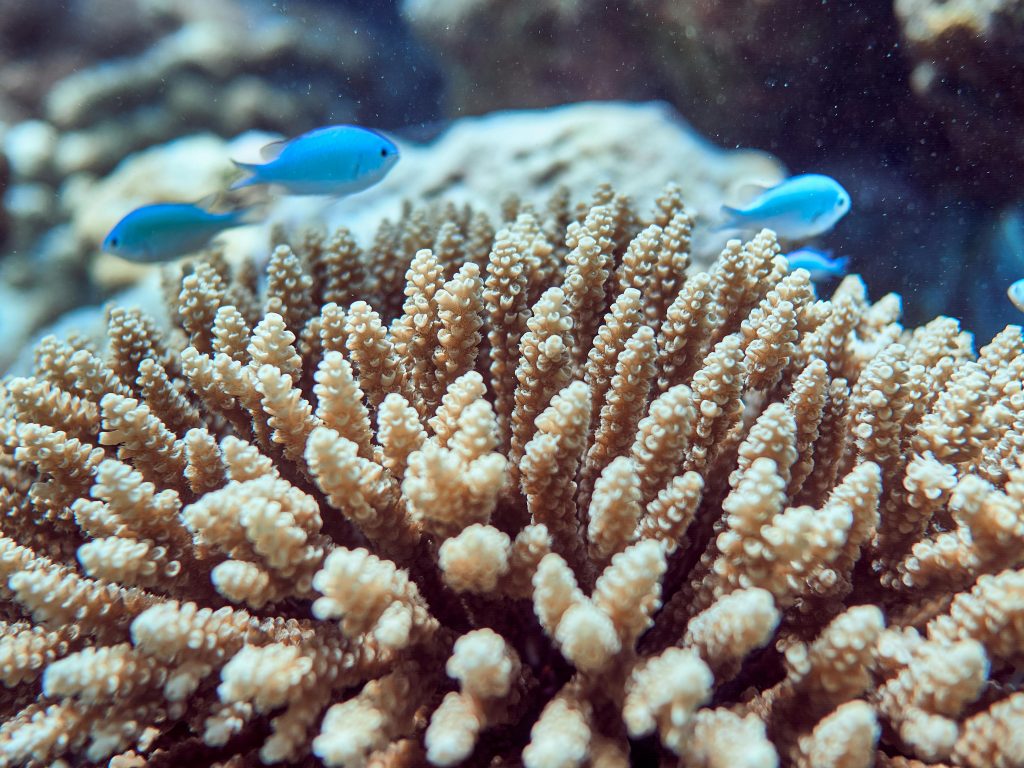
SPS corals are usually less dramatic in direct warfare, but they are still competitive. Acropora can grow into each other. Montipora can plate over neighbors. Birdsnest can become brittle and break into nearby colonies. Goniopora and Alveopora are often placed with LPS, but they prefer gentler neighbors and stable conditions. When in doubt, group corals by type and behavior. A soft coral island, an LPS garden, and an SPS upper shelf often work better than random placement. For more species-specific guidance, see beginner coral guide and LPS vs SPS corals.
Step-by-Step Guide to Planning Coral Placement
- List every coral in your tank. Include growth form and aggression level.
- Map high, medium, and low light zones in the aquarium.
- Map strong, moderate, and sheltered flow areas.
- Place the most aggressive corals first. Give them the largest buffer.
- Isolate fast spreaders on separate rocks or islands.
- Keep corals with similar care needs in the same zone.
- Leave more space than you think you need. Growth comes quickly.
- Observe the tank after lights out. Sweepers often appear at night.
- Run carbon if mixing soft corals with LPS or SPS.
- Reevaluate placement every few months and frag when needed.
This simple process prevents many common mistakes. It also makes future maintenance much easier.
Propagation and Fragging
Why Fragging Helps Compatibility
Fragging is not just for trading corals. It is a key compatibility tool. Trimming back a fast grower prevents shading and contact damage. It also helps maintain water flow through dense colonies. In many tanks, regular fragging is the difference between a stable mixed reef and constant warfare.
Safe Fragging Basics
Use clean cutters, coral shears, or a bone cutter. Wear gloves and eye protection. This is especially important with zoanthids and palythoa. Dip frags if needed, then mount them securely. Give fresh cuts moderate flow and stable parameters. Avoid major fragging sessions during other tank stress events.
Common Problems
Why are my corals stinging each other at night?
Many LPS corals extend sweeper tentacles after lights out. This is normal behavior. Increase spacing immediately. Move one colony if needed. Check after dark with a flashlight for the true reach.
Why did one coral suddenly stop opening?
Look for nearby chemical warfare, shadowing, tissue contact, or poor flow. Test alkalinity and nutrients too. Run fresh carbon and inspect at night. A neighboring coral may be the real cause.
Can soft corals kill SPS?
Yes. Soft corals can stress SPS through allelopathy. Leathers are a common example. Use carbon, strong skimming, and distance. In heavy soft coral systems, SPS may struggle without aggressive filtration.
Why is one coral losing color near another colony?
Color loss may come from shading, stress, or chemical irritation. Check PAR, spacing, and recent growth around the colony. If the issue is localized, nearby competition is very likely.
Frequently Asked Questions
Can I mix soft corals, LPS, and SPS in one tank?
Yes, but planning matters. Use zones, spacing, carbon, and strong export. Mixed reefs can thrive when aggression and care needs are managed carefully.
Which corals are the most aggressive?
Galaxea, many torch corals, favia types, and some chalices are common offenders. Some mushrooms and leathers are also more aggressive than beginners expect.
How much space should I leave between corals?
It depends on the species. Start with several inches for LPS. Leave even more for known sweepers. Plan for future growth, not current frag size.
Is activated carbon necessary in a mixed reef?
It is not always mandatory, but it helps a lot. Carbon reduces dissolved compounds from soft corals and can improve overall coral response.
Should I build a species-only coral tank?
For many hobbyists, yes. Species-focused or style-focused reefs are often easier. They simplify lighting, flow, and compatibility decisions.
Coral compatibility is less about luck and more about planning. If you group corals by behavior, leave room for growth, and respond early to warning signs, your reef will be far easier to manage. A peaceful layout today prevents major losses later.
Was this helpful?
Related Posts
Setting Up A Reef Tank
Setting up a reef tank is easier when you focus on stability, smart equipment, and slow stocking. This…
 By
By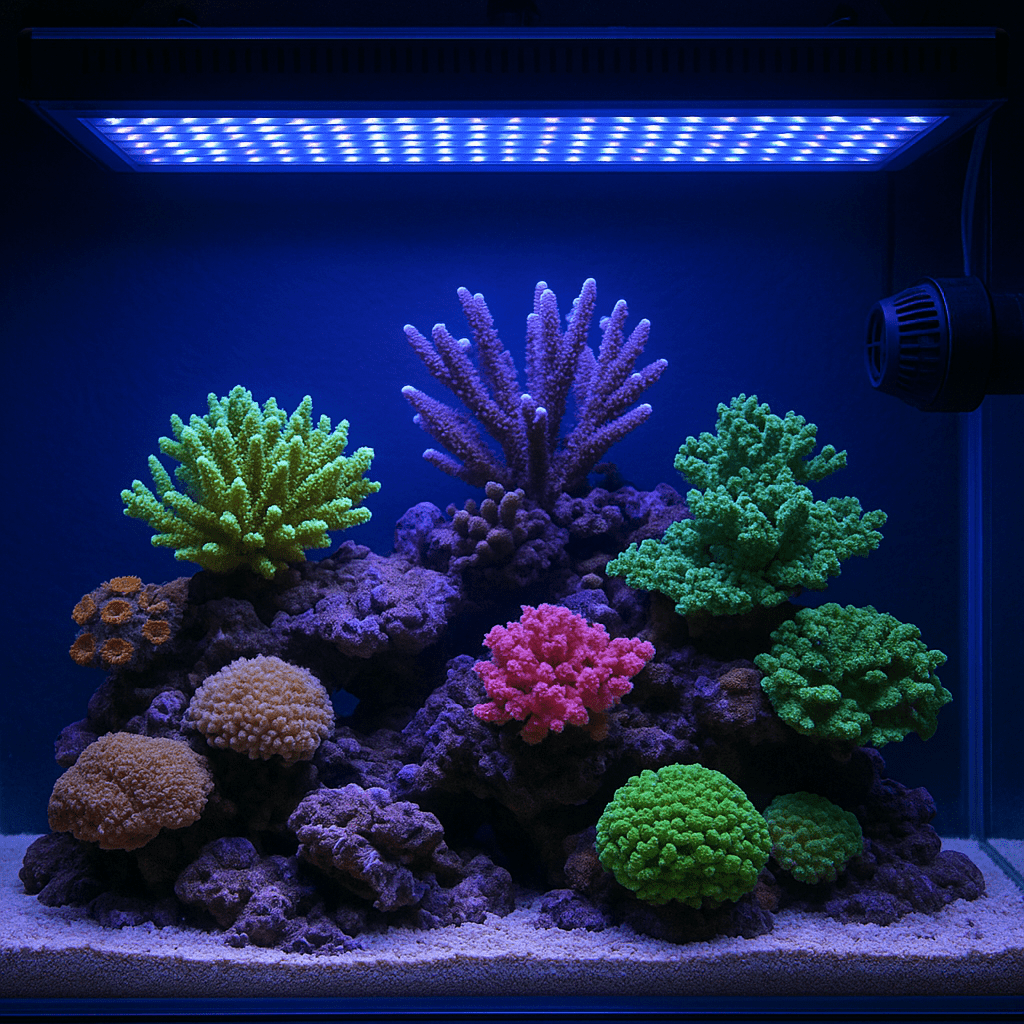
Powerhead Placement for Reef Tanks
Dial in reef tank flow with smart powerhead placement. Learn proven layouts, targets, and troubleshooting for cleaner sand…
[favorite_button]
My Bookmarks:
To see full list click here
[user_favorites user_id="" include_links="true" site_id="" post_types="" include_thumbnails="true" thumbnail_size="thumbnail" include_excerpt="false"]