Pairing clownfish is simple when you understand their social rules. The safest method is to introduce two juvenile clownfish of the same species and let one become female. This reduces fighting, improves long-term compatibility, and gives you the best chance of forming a stable bonded pair.
Many reef keepers want a peaceful clownfish pair. It is one of the most rewarding parts of a marine tank. Yet pairing can go wrong fast if you mix the wrong sizes, species, or personalities. In this guide, you will learn how clownfish hierarchy works, how to choose compatible fish, how to introduce them safely, and what warning signs mean trouble. You will also learn how to set up the tank for success, what to expect during the bonding process, and how to solve common pairing problems before they become serious.
Quick Reference Table
| Topic | Best Practice |
|---|---|
| Best pairing method | Two juveniles of the same species |
| Size difference | Choose one slightly larger fish |
| Safest tank size | 20 gallons or more for most pairs |
| Host needed? | No, but a hosting coral or anemone can help |
| Aggression level | Normal chasing is common at first |
| Danger signs | Torn fins, nonstop attacks, hiding without eating |
| Mixing species | Usually not recommended |
| Time to bond | Several days to several weeks |
| Breeding sign | Cleaning a flat rock and staying close together |
How Clownfish Pairing Works
Clownfish do not pair like many freshwater fish. They live in a strict social hierarchy. The largest fish becomes the female. The second largest becomes the male. Smaller fish remain non-breeding juveniles. This is the key rule behind successful pairing.
All clownfish start life as males. If the dominant female dies, the male can change sex and become female. Then the next fish in rank becomes the breeding male. In aquariums, this means two similar clownfish can form a pair if one becomes dominant and the other submits.
Submission is normal and important. You may see the smaller clownfish twitch or shake its body. This behavior tells the larger fish, “I accept your dominance.” That is a good sign. It often means the pair is working out their roles. Some chasing is also normal. Constant damage is not. Understanding this difference helps you avoid separating fish too early or leaving them together too long.
Best Clownfish to Pair
The easiest pairing method is simple. Buy two juvenile clownfish of the same species. Designer varieties are usually fine if they are the same base species. For example, two ocellaris variants usually pair well. The same goes for most percula variants.
Ocellaris and percula clownfish are the best choices for beginners. They are widely available. They adapt well to captive life. They are often less aggressive than maroon or tomato clownfish. If you want the smoothest experience, start there.
Try to choose fish with a small size difference. One should be slightly larger. This helps the hierarchy form faster. Avoid buying two large established females. That often leads to serious fighting. Also avoid pairing fish that have lived alone for years. Long-term solo clownfish can become very territorial. They may refuse a new partner completely.
Mixing species is risky. It can work in some tanks, but it often fails. Different species have different temperaments. Their body language can also differ slightly. For most hobbyists, same-species pairing is the safest route.
Natural Habitat and Social Behavior
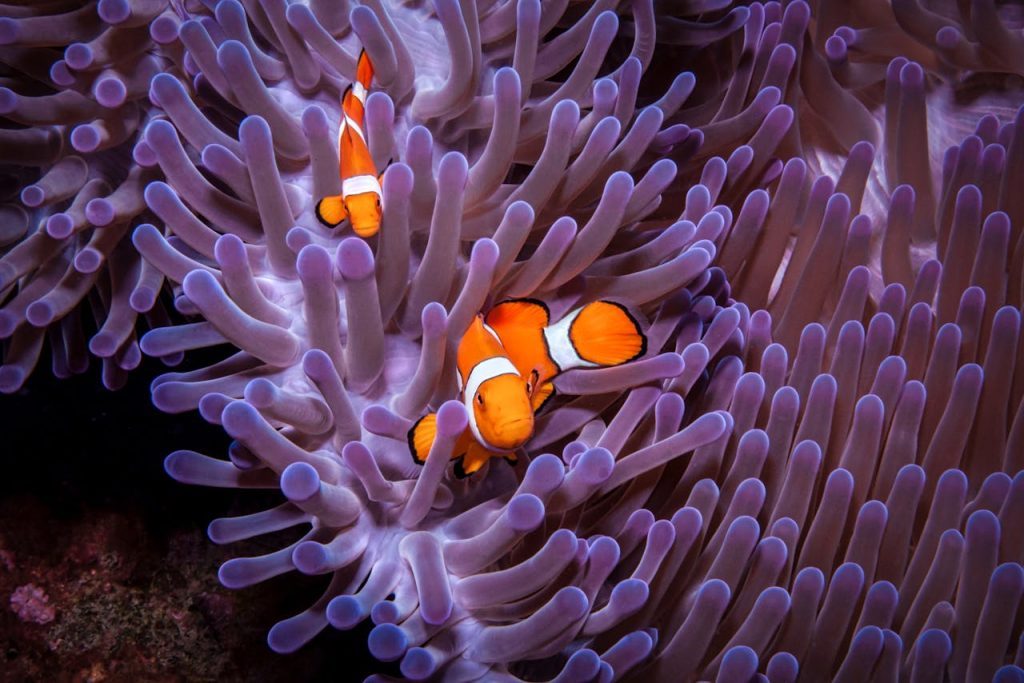
In nature, clownfish live around host anemones in the Indo-Pacific. They stay close to that shelter and defend it from intruders. A small group may share one host, but only the top pair breeds. This natural hierarchy explains why clownfish can be both charming and territorial in reef tanks.
Wild clownfish do not roam like tangs or wrasses. They keep a limited territory. This makes them ideal for smaller reef aquariums. It also means they can become very possessive of a corner, rock, coral, or anemone. Once a pair claims a spot, they may chase tank mates that come too close.
Knowing this helps with pairing. A clownfish pair wants a clear home base. When you provide a secure area, both fish often settle faster. A host anemone is not required. Many captive clownfish never use one. They may instead adopt a torch coral, mushroom colony, toadstool leather, powerhead corner, or even a magnetic algae scraper.
Aquarium Setup for a Clownfish Pair
A pair of smaller clownfish can live well in a 20-gallon tank. Larger species need more room. If the tank also holds other fish, more space helps a lot. In mixed reefs, 30 to 40 gallons gives better territory separation and lowers stress.
Build the aquascape with one clear shelter zone. This can be a rock nook, coral island, or protected corner with moderate flow. Clownfish like structure. They feel safer when they can hover above a known home site. Open water is still useful, but too much empty space can make new fish nervous.
Stable water quality matters more than fancy equipment. Aim for temperature between 76 and 80 degrees Fahrenheit. Keep salinity around 1.025 specific gravity. Maintain ammonia and nitrite at zero. Keep nitrate low and stable. Sudden swings increase stress and can worsen aggression. A lid is also smart. Clownfish are not the biggest jumpers, but frightened fish can leap.
If you want to improve success, quarantine both fish first. This protects the display tank and lets you observe behavior in a controlled setting. reef tank parameters and marine fish quarantine guide are worth reviewing before introduction day.
Lighting Requirements
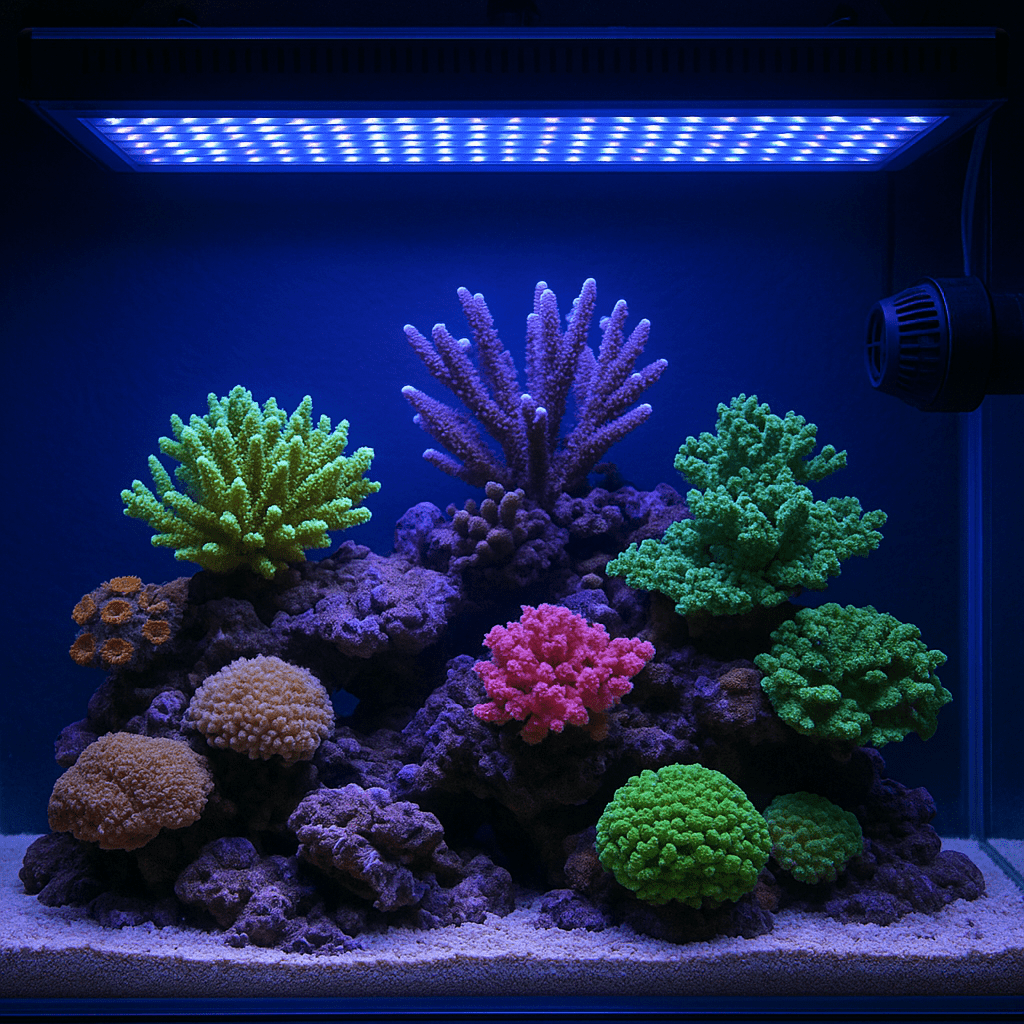
Clownfish do not have demanding lighting needs. They adapt to most reef lighting schedules. The real concern is the needs of the tank’s corals or anemones. If you keep clownfish without photosynthetic invertebrates, moderate daytime lighting is enough.
Very intense light can make newly introduced fish hide more at first. This is common in bare quarantine tanks or minimal aquascapes. If the fish seem stressed, reduce the photoperiod slightly for a few days. You can also provide shaded areas with PVC elbows or rock overhangs.
If your pair hosts an anemone, then light should match the anemone’s needs, not the fish’s. Healthy host animals often help clownfish feel secure. Yet do not rush an anemone into a new tank just for pairing. Mature, stable systems are much better for anemone success.
Water Flow
Clownfish prefer moderate, indirect flow. They are not built for constant high-energy currents. In reef tanks with powerful pumps, they usually choose calmer pockets near rockwork or coral branches. That is normal behavior.
When pairing clownfish, avoid placing them in a tank section with harsh direct flow and no shelter. New fish need a place to rest and establish territory. If they must fight current all day, stress rises and aggression can increase. Random turbulent flow across the tank works better than a strong stream pointed at their home area.
Watch their swimming posture. If they hover comfortably and make short, controlled movements, the flow is likely fine. If they are pinned against glass, panting, or struggling to stay in place, reduce direct flow near their chosen zone.
Feeding During the Pairing Process
Well-fed clownfish are usually less combative. Feed small amounts two to three times daily during the first weeks. Use a mix of quality pellets, frozen mysis, brine shrimp, and finely chopped seafood. Variety supports health and reduces stress.
Do not overfeed to stop aggression. Extra waste can hurt water quality fast. Instead, focus on consistency. Feed in the same area and at similar times each day. This creates routine. Routine helps clownfish settle.
Observe both fish during meals. The smaller fish should still get food. If the dominant fish blocks every feeding attempt, use a turkey baster or pipette to target-feed the submissive fish on the opposite side. A fish that hides and refuses food for days is at risk. That usually means the pairing is too aggressive or the fish is already weakened.
For general nutrition tips, see best food for clownfish.
Step-by-Step Guide to Pairing Clownfish
- Choose two clownfish of the same species. Juveniles are best.
- Select one fish that is slightly larger.
- Quarantine both fish if possible. Confirm they are eating well.
- Introduce them into a neutral tank or at the same time in the display.
- Provide shelter, moderate flow, and a clear home area.
- Watch for normal dominance signs. Chasing and twitching can be fine.
- Feed small meals two or three times daily.
- Monitor for damage. Torn fins and nonstop attacks are red flags.
- Use an acclimation box if one fish is too aggressive.
- Give them time. Many pairs need days or weeks to stabilize.
If you already have one clownfish, add a smaller juvenile as the second fish. Never add a larger fish to an established female. That usually ends badly. If the resident clown is very aggressive, place the newcomer in an acclimation box first. This allows visual contact without physical damage. After several days, release the new fish and observe closely.
Compatibility in Reef Tanks
Clownfish pairs are generally reef safe. They do not eat corals in the usual sense. Still, their hosting behavior can irritate some corals. Large fleshy LPS corals may stay closed if a clownfish constantly wiggles in them. Euphyllia, toadstools, mushrooms, and hairy mushrooms are common targets.
With fish, compatibility is usually good in community reefs. Problems happen when tank mates invade the pair’s chosen territory. Avoid combining clownfish with overly aggressive damsels in small tanks. Dottybacks and some hawkfish can also create tension in tight spaces.
Invertebrates are usually safe. Cleaner shrimp and snails are rarely an issue. Some clownfish may defend a nest site and nip your hand during maintenance. This gets more common once the pair matures. Review reef safe fish guide if you are planning a peaceful mixed community.
Propagation and Breeding Basics
Once a pair bonds, breeding may follow. You may see them clean a flat rock, flowerpot, or glass area near their home. The female deposits eggs in neat rows. The male guards and fans them. Spawning usually happens in stable tanks with good feeding and low stress.
Signs a Pair Is Ready to Spawn
Look for close swimming, shared territory, nest cleaning, and reduced fighting. The female often appears fuller in the abdomen before laying eggs. The male becomes very attentive to the nest site.
Can Beginners Raise the Fry?
It is possible, but not easy. Larval clownfish need separate rearing systems, live rotifers, careful timing, and clean water. Most hobbyists first focus on forming a healthy pair. Fry raising can come later.
Common Problems
Why are my clownfish fighting?
Some fighting is normal. Constant biting is not. The usual causes are two females, similar size with no submission, species mismatch, or too little territory. If damage is increasing, separate them or use an acclimation box.
Why does one clownfish shake?
The shaking or twitching dance is usually submission. This is a positive sign during pairing. It tells the dominant fish that the smaller fish accepts lower rank. If the shaking fish still eats and is not injured, this behavior is usually fine.
Can two female clownfish become a pair?
Usually no. Two established females often fight hard because neither wants to submit. This is one of the most common pairing mistakes. Start with juveniles or a known female and a much smaller juvenile.
Why is the smaller clownfish hiding?
Short-term hiding is common after introduction. Ongoing hiding can mean stress, poor health, or severe bullying. Check for torn fins, rapid breathing, and missed meals. If the fish stops eating, intervene quickly.
Can I pair clownfish without an anemone?
Yes. Most captive pairs do not need an anemone to bond. A secure territory matters more. Anemones can help, but they are not required and they need mature tanks.
Frequently Asked Questions
How long does it take for clownfish to pair?
Some pair within days. Others need several weeks. Age, size, species, and temperament all matter.
Should I buy a bonded pair or make my own?
A true bonded pair is convenient, but not always necessary. Two juveniles are often cheaper and usually pair well.
Can I keep more than two clownfish?
In most home aquariums, no. Extra clownfish usually get bullied once a pair forms. Large species tanks are the exception.
What is the easiest clownfish species to pair?
Ocellaris clownfish are usually the easiest. Percula clownfish are also a good beginner option.
When should I separate them?
Separate them if one fish is badly injured, refuses food, breathes heavily, or is attacked nonstop for hours.
Final Tips for a Successful Clownfish Pair
Keep the process simple. Start with the same species. Choose juveniles. Make one fish slightly larger. Give them a stable tank, a clear home area, and time to sort out their roles. Most failures happen because hobbyists rush, mix the wrong fish, or ignore early stress signs.
If you stay patient and observant, clownfish pairing is very achievable. A healthy pair adds personality, movement, and even breeding potential to a reef tank. For many hobbyists, it becomes the centerpiece of the whole aquarium.
Was this helpful?
Related Posts
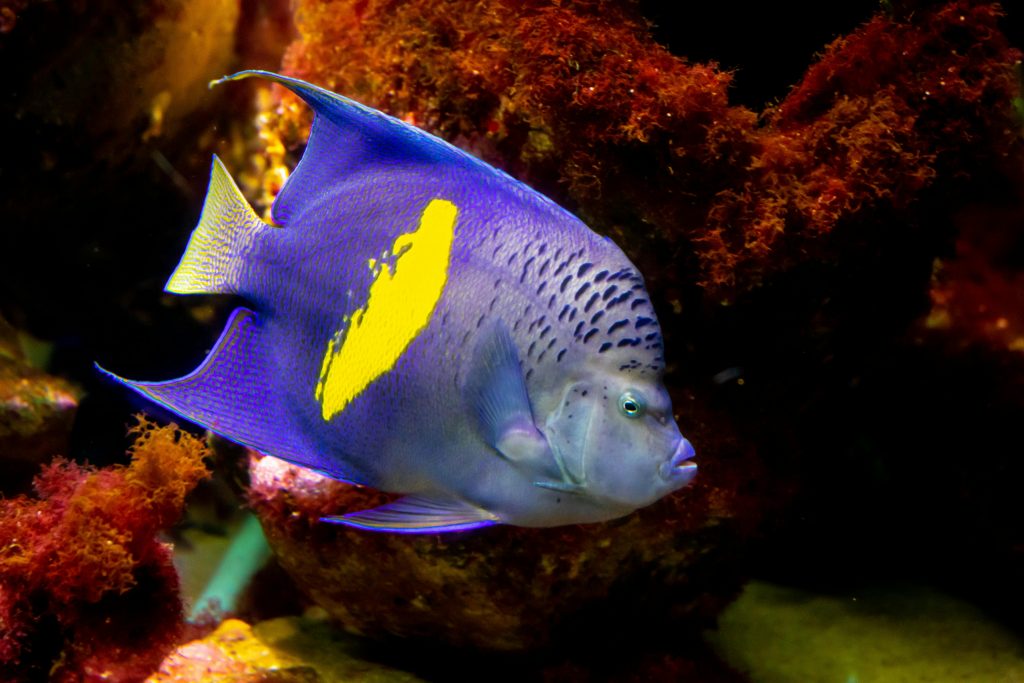
Asfur Angelfish (Pomacanthus Asfur)
Asfur Angelfish are stunning but demanding marine fish that need a large tank, varied diet, and careful tankmate…
 By
By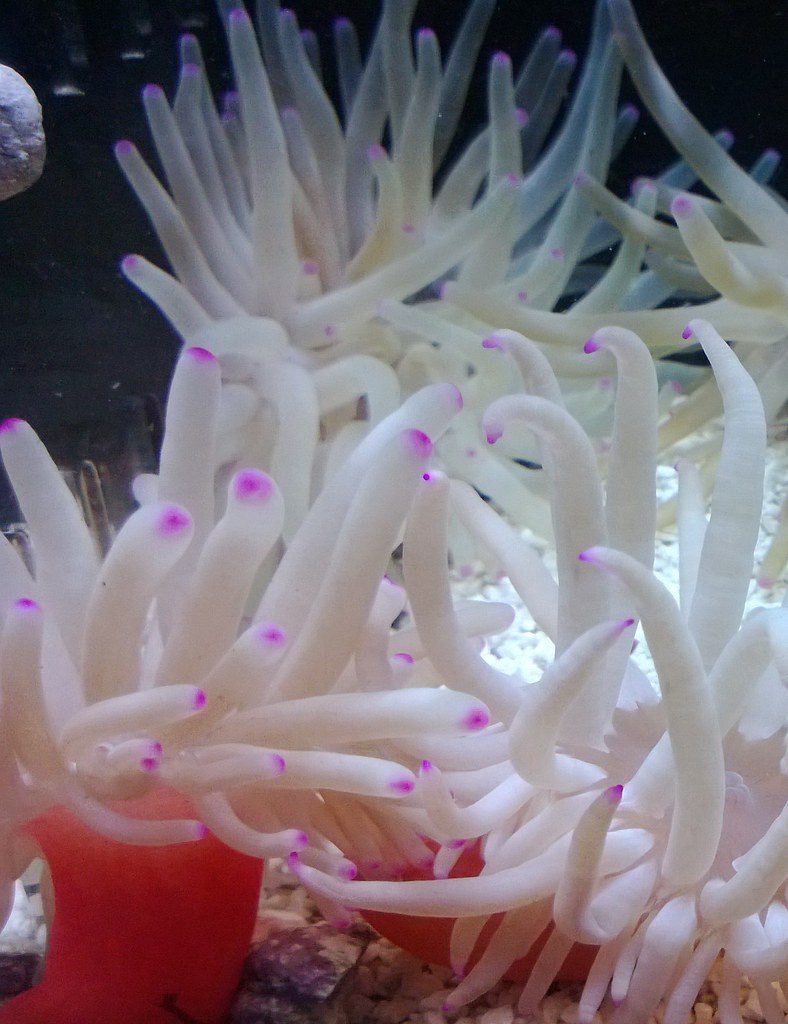
Condy Anemones
Condy anemones can thrive with stable water, safe flow, and moderate light. Learn placement, feeding, and troubleshooting for…