Controlling Reef Algae
Algae is a natural part of every reef tank, but when it grows out of control it can smother corals, clog equipment, and make your display look tired and neglected. The goal isn’t to eliminate algae completely, but to manage it so your corals, fish, and clean-up crew stay in balance. With a few consistent habits and the right tools, you can keep algae in check without turning your reef into a chemistry experiment.
Start With Nutrient Control
Most problem algae blooms are driven by excess nutrients, especially nitrate (NO3) and phosphate (PO4). Before reaching for quick fixes, stabilize your water quality.
Test and target realistic levels
- Nitrate: Aim for 2–15 ppm in most mixed reefs.
- Phosphate: Aim for 0.03–0.1 ppm, avoiding both zero and sky-high readings.
Use reliable hobby-grade test kits and log results weekly. If you already track parameters for coral health, add a note about any visible algae growth so you can see patterns over time. For more on keeping parameters steady, see our guide on maintaining stable reef parameters.
Reduce what goes in, export what’s left
- Feed thoughtfully: Offer smaller amounts of food and watch that fish finish it within a minute or two. Rinse frozen foods to remove excess juices.
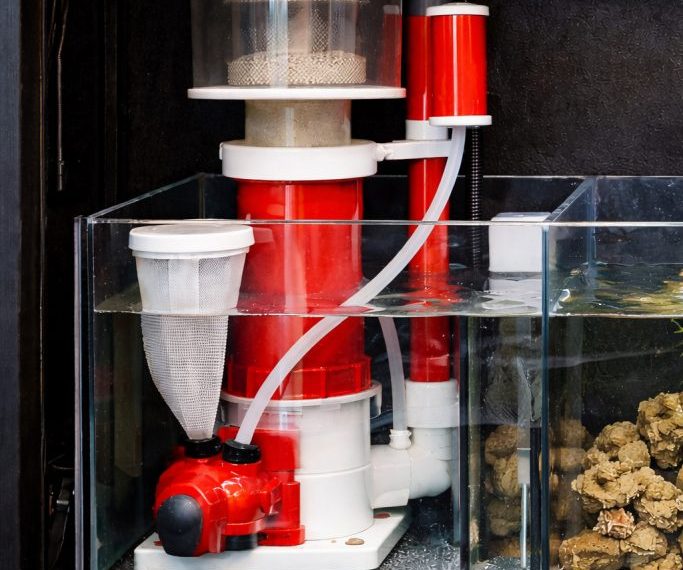
- Skimming and filtration: A properly sized protein skimmer, clean filter socks, and occasional use of activated carbon or GFO (as needed) help pull organics and phosphate out of the water.
- Refugiums and macroalgae: Growing macroalgae like chaeto in a refugium competes with nuisance algae for nutrients and stabilizes pH when lit on a reverse light cycle.
- Regular water changes: 10–15% every 1–2 weeks with quality RO/DI water helps dilute excess nutrients and replenish trace elements.
Identify and Tackle Specific Algae Types
Different algae call for slightly different strategies. Learning to recognize what you’re dealing with makes control much easier.
Green film and hair algae
- Manual removal: Scrape glass, brush rocks with a soft toothbrush, and siphon loosened algae during water changes.
- Clean-up crew: Turbo snails, trochus snails, and certain hermits can help keep new growth in check.
- Lighting control: Reduce white channel intensity and overall photoperiod if your tank is over-lit. Many reefs do well with 8–9 hours of full-intensity light.
Bubble algae, bryopsis, and others
- Bubble algae: Gently twist off individual bubbles without popping them, then siphon them out. Emerald crabs can help, but don’t rely on them alone.
- Bryopsis and stubborn hair algae: Strong nutrient control, persistent manual removal, and maintaining good magnesium and alkalinity levels are key. Some hobbyists use targeted treatments, but always research and proceed cautiously.
If you’re just starting to stock your reef and want to avoid importing pests, check out our article on how to quarantine and dip new corals before they enter your display.
Good Habits That Prevent Algae Comebacks
Algae control is less about one-time fixes and more about consistent, simple habits.
- Maintain strong flow: Dead spots trap detritus and fuel algae. Adjust powerheads so debris stays suspended and can reach the overflow.
- Keep rockwork clean: Gently baste rocks with a turkey baster or small powerhead weekly to blow out trapped waste.
- Don’t overstock: Too many fish means more food and more waste. Plan your stocking list conservatively and add fish slowly.
- Be patient: New tanks often go through “ugly phases” of diatoms and algae. Stable parameters and good practices usually see you through without drastic measures.
Think of algae as a water-quality alarm. When it appears, it’s telling you something about nutrients, flow, or lighting. Fix the cause, and the algae fades.
By focusing on nutrient control, identifying the specific algae you’re facing, and building simple weekly habits, you can keep your reef looking clean and vibrant. Over time, your tank will settle into a natural balance where corals, beneficial bacteria, and clean-up crew outcompete nuisance algae. For long-term success, pair these strategies with a solid reef tank maintenance schedule so algae never gets the upper hand again.
Sources
- Sprung, J. & Delbeek, J. C. The Reef Aquarium series.
- Borneman, E. H. Aquarium Corals. TFH Publications.
- Holmes-Farley, R. “Nitrate in the Reef Aquarium” and “Phosphate in the Reef Aquarium,” Reefkeeping Magazine archives.
Was this helpful?
Related Posts
Protein Skimmer Reef Tank Guide
Learn how a protein skimmer works, how to size one, and how to tune it for a cleaner,…
 By
By
Reef Aquarium Water Parameters
Learn the ideal reef aquarium water parameters, safe ranges, and how to keep salinity, alkalinity, nutrients, and pH…