Caring for corals can feel intimidating, especially when your favorite frag suddenly stops growing or starts losing color. The good news is that most coral problems come down to a few common issues you can systematically troubleshoot. In this guide to coral care troubleshooting, we’ll walk through the most frequent warning signs, what they mean, and how to get your reef back on track.
Step 1: Read the Symptoms Your Corals Are Showing
Before changing anything, look closely at how your corals are behaving. Different symptoms often point to different root causes.
Common Coral Stress Signs
- Faded or browned-out color: Often linked to lighting that’s too low or nutrients that are too high.
- Bleaching (bright white skeleton showing): Usually caused by excessive light, rapid parameter swings, or severe stress.
- Tissue recession from the base or tips: Can indicate unstable alkalinity, pests, or bacterial issues.
- Closed polyps for days: Commonly tied to poor flow, irritation from nearby corals, or sudden parameter changes.
- Brown, stringy slime: May signal bacterial infection or dinos/cyano irritating coral tissue.
Tip: Take weekly photos of your corals under the same lighting. Subtle changes in color or polyp extension are much easier to spot in side-by-side pictures.
If you’re unsure whether your tank is ready for sensitive species, review your basics in our guide on beginner saltwater tank setup before adding demanding SPS or LPS.
Step 2: Check the Big Three – Parameters, Light, and Flow
Water Parameters First
Corals hate instability even more than they hate imperfect numbers. Focus on consistency in:
- Salinity: 1.025–1.026 specific gravity, checked with a calibrated refractometer.
- Temperature: 77–79°F (25–26°C) with less than 1°F daily swing.
- Alkalinity: 7.5–9 dKH, change < 0.3 dKH per day.
- Calcium: 400–450 ppm; Magnesium: 1250–1400 ppm.
- Nitrates: 2–15 ppm; Phosphate: 0.03–0.10 ppm (don’t chase zero).
If you see rapid tissue loss or sudden color changes, test these first. Any big swings? Correct them slowly over several days rather than in one big adjustment.
Dialing In Light and Flow
Once parameters are stable, move on to lighting and water movement.
- Too much light: Bleaching, washed-out colors, and retracted polyps. Raise the light fixture, reduce intensity 10–15%, or shorten the photoperiod.
- Too little light: Browned-out corals and slow growth. Gradually increase intensity over 1–2 weeks.
- Insufficient flow: Detritus settling on corals, thin film or algae on tissue, poor polyp extension.
- Excessive flow: Corals bent over, tissue peeling, or constantly retracted polyps.
Most LPS and soft corals prefer moderate, indirect flow, while many SPS thrive in strong, random flow. For more detailed lighting and placement tips, see our article on coral placement and aquascape planning.
Step 3: Hunt for Pests, Aggression, and Nutrient Imbalances
Inspect for Pests and Coral Warfare
When parameters, light, and flow look good, physical irritation is often the culprit:
- Check for flatworms, nudibranchs, or bite marks on zoas, acros, and fleshy LPS.
- Look for sweeper tentacles from euphyllia, favias, and other aggressive corals stinging neighbors.
- Ensure no crabs, shrimp, or fish are picking at polyps, especially angels and some wrasses.
Use coral dips for new frags and consider a dedicated quarantine tank. If you’re battling recurring outbreaks, our reef tank maintenance schedule can help lock in better long-term stability.
Balancing Nutrients and Feeding
Ultra-low nutrients can be just as harmful as high nutrients. Pale, starving corals with poor polyp extension may need:
- Slightly higher nitrate and phosphate (by feeding more or reducing aggressive filtration).
- Target feeding LPS and non-photosynthetic corals with appropriate coral foods.
- More diverse feeding for fish to boost overall dissolved organics.
On the flip side, if algae and cyanobacteria are smothering corals, reduce feeding, improve export (skimming, refugium, water changes), and siphon problem areas before they overgrow tissue.
Coral care troubleshooting is all about slow, methodical changes rather than quick fixes. Observe the symptoms, verify your parameters, adjust light and flow gradually, and keep an eye out for pests and aggression. With patience and consistent habits, most struggling corals can recover and thrive, rewarding you with color, growth, and a healthier reef ecosystem.
Sources
- Borneman, E. (2001). Aquarium Corals: Selection, Husbandry, and Natural History.
- Sprung, J. & Delbeek, J. (1994–2005). The Reef Aquarium series.
- Randy Holmes-Farley, Reef Chemistry articles, Advanced Aquarist & Reefkeeping Magazine archives.
Was this helpful?
Related Posts
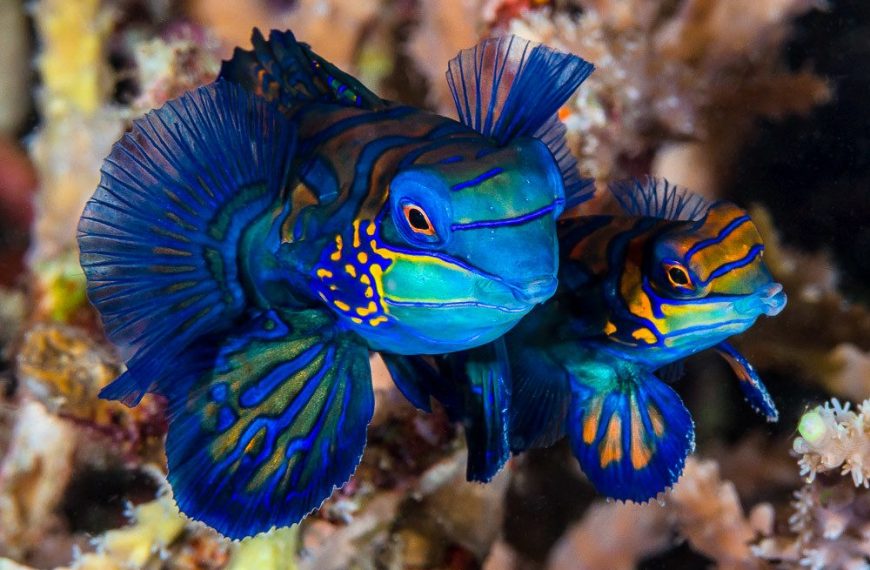
Dragonets Fish Care
Dragonets are beautiful reef fish, but they need mature tanks and steady food sources. Learn how to keep…
 By
By
Lighting For Aquarium
Lighting for Aquarium: Getting Saltwater Illumination Right Lighting for a saltwater aquarium is about much more than simply…