


Green Reef Chromis are peaceful, active schooling fish that add constant motion to reef tanks. They are hardy once settled, but they do best in stable aquariums, proper groups, and tanks with open swimming space plus rockwork for shelter.
The Green Reef Chromis, Chromis viridis, is one of the most recognizable saltwater fish in the hobby. Many beginners choose it for its bright green-blue sheen and calm personality. It is often sold as an easy reef fish, and that is mostly true. Still, long-term success depends on more than simple care sheets. Group size, tank layout, feeding frequency, and social behavior all matter. In this guide, you will learn how to keep Green Reef Chromis healthy, how many to keep together, what they eat, and how to avoid the common problems that cause losses in home aquariums.
Quick Care Facts
| Common name | Green Reef Chromis |
| Scientific name | Chromis viridis |
| Care level | Easy to moderate |
| Temperament | Peaceful, semi-social |
| Adult size | About 3 to 4 inches |
| Minimum tank size | 30 gallons for one, 75+ gallons for a group |
| Diet | Omnivore, planktonic feeder |
| Reef safe | Yes |
| Ideal temperature | 76 to 78°F |
| Salinity | 1.025 to 1.026 |
| pH | 8.1 to 8.4 |
| Nitrate | Preferably under 15 ppm |
These fish are often marketed as ideal schooling fish. That description needs context. They do group together, especially when young. In home aquariums, however, small groups can develop pecking order issues over time. A larger tank, a larger starting group, and frequent feeding usually improve outcomes.
Natural Habitat
Green Reef Chromis occur throughout the Indo-Pacific. They are commonly found above branching corals, especially Acropora stands. In the wild, they hover in loose groups and feed on zooplankton carried by the current. They use coral branches as shelter when predators approach.
This natural behavior explains much of their aquarium care. They want open water for hovering and darting. They also want a fast retreat into structure. In reef tanks, they often claim the upper half of the aquarium and sleep among rock crevices at night. Their shimmering green body can look blue, teal, or even silver depending on lighting angle. That shifting color is normal. It is one reason they remain popular despite their simple body shape.
Understanding their habitat also helps with tank design. A bare, open tank can make them nervous. A crowded wall of rock can limit swimming room. The best setup balances both needs. Think of a lagoon edge with current, space, and branching cover.
Aquarium Setup
A single Green Reef Chromis can live in a 30-gallon tank. A small group needs much more room. For five or more fish, 75 gallons is a better starting point. Larger tanks are easier. They reduce aggression and improve water quality.
Aquascaping should include open swimming lanes in the front and upper water column. Add caves and branching rockwork behind and between those open areas. If you keep SPS corals, chromis often hover above them in a natural way. If you do not keep SPS, rock structures with many narrow gaps can offer similar security.
Use a tight lid or mesh cover. Chromis can jump, especially after introduction or when startled. Stable salinity is important. So is strong oxygenation. These fish are active and appreciate clean, well-circulated water. Good filtration helps, but avoid creating a tank with nowhere to rest. They enjoy flow, not chaos.
If you are building a beginner reef, read our guides on reef tank setup, reef tank water parameters, and best clean up crew for a reef tank.
Lighting Requirements
Green Reef Chromis have no special lighting demands. They do well under standard reef lighting used for corals. Their color often looks best under blue-heavy spectrum, but they do not need intense light for health.
Focus on the needs of your corals, not the fish. In mixed reefs and SPS systems, chromis adapt well to brighter conditions as long as they have shaded retreat areas. Sudden changes in photoperiod or intensity can make newly introduced fish hide more. This usually improves after a few days.
If your fish look washed out, lighting may be part of the reason. Stress, poor diet, and social pressure can also dull their color. Healthy chromis should appear alert, streamlined, and constantly aware of their surroundings. Good color follows good husbandry.
Water Flow
Moderate to moderately strong water flow works best. In nature, these fish feed in moving water. In aquariums, they often station themselves where current brings suspended food. Random flow patterns are ideal because they create active zones and calmer pockets.
Avoid blasting them with direct, nonstop pump output. They are energetic, but they still need places to rest. Watch how the group behaves. If all fish avoid one side of the tank, flow may be too harsh there. If they hang listlessly in still water, oxygenation may be low or flow too weak.
Surface agitation matters too. It supports gas exchange and helps maintain oxygen levels, especially at night. This is important in heavily stocked reefs and in warmer tanks. If chromis gather near the surface and breathe rapidly, check oxygen, temperature, and ammonia immediately.
Feeding
Green Reef Chromis are easy feeders. They accept many prepared foods once acclimated. Offer small meals one to three times daily. Frequent feeding is better than one large meal. In the wild, they pick at plankton throughout the day.
Good staple foods include finely chopped mysis shrimp, enriched brine shrimp, quality marine pellets, flakes, copepod-based foods, and frozen plankton blends. Rotate food types for better nutrition. If you keep a group, spread food across the surface or use flow to disperse it. This helps shy fish eat.
Do not assume they are thriving just because they rush to food. Watch body shape. Healthy chromis should have full bellies and smooth body lines, not pinched flanks. Thin fish often lose social rank and get harassed. That starts a downward cycle. Better feeding can interrupt it early.
For more nutrition tips, see our articles on best food for reef fish and how to quarantine saltwater fish.
Compatibility
Green Reef Chromis are reef safe. They do not bother corals, clams, shrimp, snails, or crabs. They mix well with many peaceful reef fish, including clownfish, gobies, firefish, blennies, fairy wrasses, and many dartfish.
Be careful with aggressive tank mates. Dottybacks, larger hawkfish, some damsels, and territorial wrasses may bully them. Large predators will eat them. Avoid housing them with fish that see small, slender swimmers as food.
The biggest compatibility issue is often with their own kind. Many hobbyists buy three chromis and later end up with one. This is common. Internal aggression can slowly reduce the group, especially in undersized tanks. Starting with a larger group sometimes helps. So does a tank with many visual breaks and abundant feeding. Even then, there are no guarantees. If your goal is a perfect, permanent school, manage expectations. They are social fish, but home aquariums are not open reefs.
Step-by-Step Acclimation Guide
Proper acclimation improves survival. Green Reef Chromis ship fairly well, but stress can trigger disease and aggression.
- Prepare a quarantine tank before purchase.
- Dim the lights before opening the bag.
- Float the bag for temperature matching.
- Use drip acclimation for 20 to 30 minutes.
- Transfer fish without store water if possible.
- Observe breathing, swimming, and body condition.
- Offer a small meal after they settle.
- Keep lighting subdued for the first day.
- Watch for chasing if adding several together.
- Quarantine for signs of ich, velvet, or bacterial issues.
Adding all chromis at once works better than adding one later. New individuals are often targeted by established fish. Rearranging rockwork can help when introducing fish into an occupied tank.
Propagation and Breeding
Breeding Green Reef Chromis in home aquariums is uncommon, but spawning behavior is possible. Like many damselfish relatives, they are egg layers. Males may prepare and guard a nest site on hard surfaces near shelter.
Spawning Behavior
Conditioned fish may display brighter color and more territorial behavior during courtship. The female lays adhesive eggs. The male fertilizes and guards them. He fans the clutch to keep water moving across the eggs.
Larval Challenges
Raising larvae is the hard part. The fry are tiny and need specialized first foods such as rotifers and later copepods or enriched baby brine. Most hobbyists do not attempt this without a dedicated breeding system. For display tanks, it is enough to recognize spawning as a sign of comfort and good health.
Common Problems
Why are my Green Reef Chromis disappearing?
This is the most common complaint. Usually, the cause is social aggression within the group. Weaker fish get chased, stop eating, hide, and decline. Predation, jumping, and disease can also be factors. Check behind the tank and overflow areas for jumpers. Observe feeding time closely. Remove badly bullied fish if needed.
Why is my chromis breathing fast?
Rapid breathing can signal ammonia, low oxygen, parasites, or severe stress. Test ammonia and temperature first. Increase aeration. Inspect for flashing, spots, or dusty coating that may suggest marine ich or velvet. Quarantine treatment is often necessary. Act quickly. Fast breathing is never a symptom to ignore.
Why are they hiding all the time?
New fish hide often. That is normal for a few days. Long-term hiding suggests bullying, poor aquascape, unstable parameters, or overly aggressive tank mates. Add more shelter and review your stocking list. Also confirm salinity and nitrate levels. Fish that feel secure spend more time in open water.
Why do they look pale?
Pale color can result from stress, poor diet, disease, or weak lighting presentation. Start with the basics. Test water. Improve feeding variety. Observe social interactions. Healthy fish regain color after conditions improve. Persistent fading with weight loss usually means a deeper health issue.
Frequently Asked Questions
How many Green Reef Chromis should I keep?
One fish is simplest. For groups, keep them in a larger tank and start with at least five if space allows. Expect some hierarchy behavior either way.
Are Green Reef Chromis good beginner fish?
Yes. They are a solid beginner choice in stable reef tanks. Their main challenge is group aggression, not difficult feeding or coral safety.
Do Green Reef Chromis school?
They loosely school, especially when young or startled. In aquariums, they often spread out more and may not form a tight school all day.
Can Green Reef Chromis live with clownfish?
Yes. They usually live well with clownfish, especially in medium to large reef tanks. Watch for territorial clownfish in smaller systems.
What do Green Reef Chromis eat?
They eat small marine meaty foods, pellets, flakes, and frozen planktonic foods. Feed small portions regularly for best body condition.
Final Thoughts
Green Reef Chromis are attractive, reef-safe fish with simple core needs. They need stable water, frequent feeding, oxygen-rich flow, and thoughtful stocking. They can be excellent for beginners, but group dynamics deserve respect. If you plan around their social behavior, they reward you with color, movement, and a natural reef look that few other affordable fish can match.
Was this helpful?
Related Posts
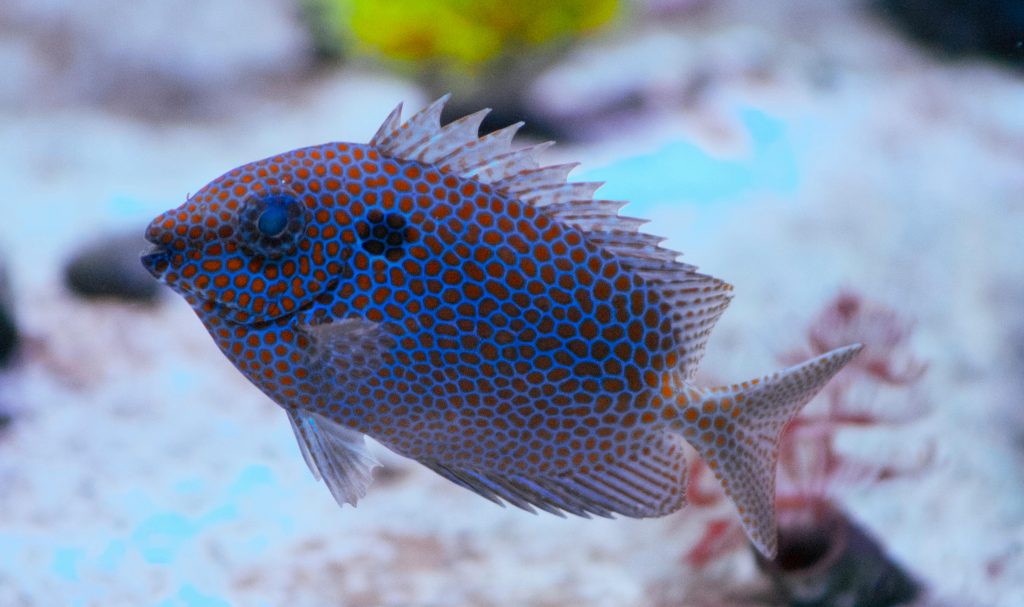
Gold Spotted Rabbitfish (Siganus Punctatus)
Gold Spotted Rabbitfish care includes large tanks, heavy algae feeding, and caution with corals. Learn tank size, diet,…
 By
By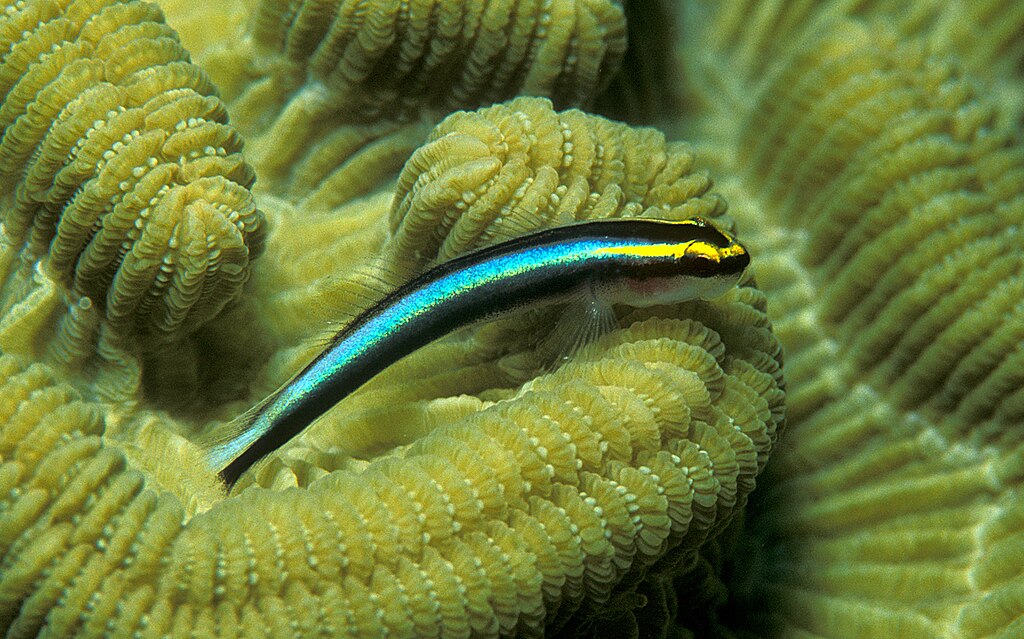
Sharknose Goby (Elacatinus evelynae)
Sharknose Goby care is simple in stable reef tanks. Learn feeding, tank setup, compatibility, and common problems for…
[favorite_button]
My Bookmarks:
To see full list click here
[user_favorites user_id="" include_links="true" site_id="" post_types="" include_thumbnails="true" thumbnail_size="thumbnail" include_excerpt="false"]