

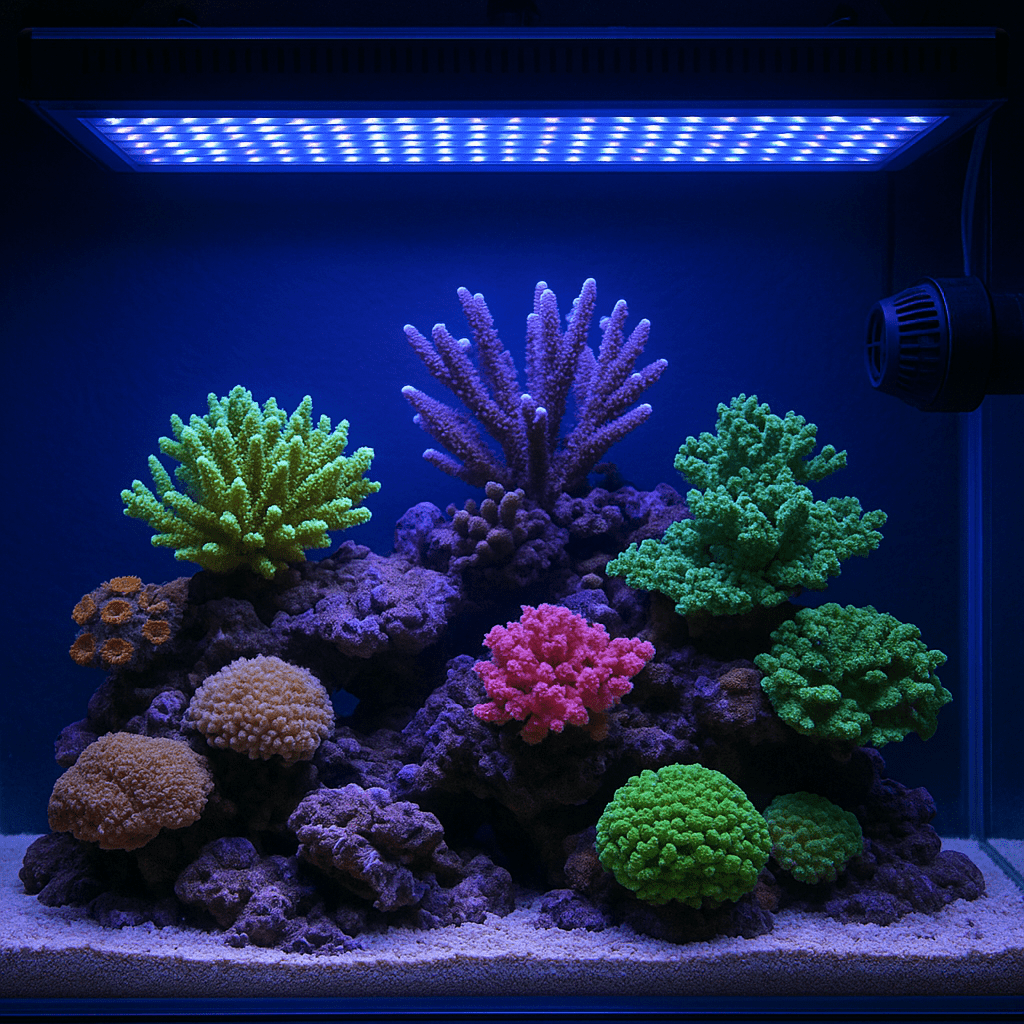
Nano reef water changes should usually happen every week. Most hobbyists do best with 10 to 20 percent weekly. Small tanks swing fast. Regular changes replace trace elements, export waste, and help keep corals stable and healthy.
Nano reefs look simple at first. They are small, attractive, and easy to place in a home. They are also less forgiving than larger reef tanks. A missed top-off, extra feeding, or dead snail can shift water chemistry quickly. That is why water changes matter so much in a nano system. In this guide, you will learn how often to water change a nano reef, how much water to replace, what signs tell you to adjust your schedule, and how to perform water changes without stressing fish or corals.
Quick Reference Table
| Nano Reef Situation | Recommended Schedule | Typical Amount |
|---|---|---|
| New nano reef | Weekly | 15 to 20% |
| Mixed reef with moderate stocking | Weekly | 10 to 15% |
| Heavily fed tank | 1 to 2 times weekly | 10% each change |
| Soft coral dominant tank | Weekly or every 10 days | 10 to 15% |
| SPS nano reef | Weekly | 10 to 15% |
| Tank with rising nitrate or phosphate | Increase frequency | 15 to 20% |
| Ultra stable, lightly stocked tank | Weekly or every 2 weeks | 10% |
Use this table as a starting point. Your actual schedule depends on bioload, feeding, filtration, and coral demand.
Why Water Changes Matter More in a Nano Reef
Small reef tanks have low water volume. That means less room for mistakes. Waste builds faster. Salinity shifts faster. Nutrients rise faster. Trace elements also get used up faster in a packed nano reef.
A good water change does several jobs at once. It removes dissolved waste. It reduces nitrate and phosphate. It replenishes minor and trace elements. It also helps stabilize alkalinity, calcium, and magnesium when your salt mix is consistent.
Many beginners focus only on nitrate. That is too narrow. Water changes also dilute hidden problems. These include coral toxins, excess organics, and contaminants from overfeeding. In a nano reef, these issues can affect coral extension and color before a test kit shows a major problem.
If you want a simple rule, start with weekly changes. Weekly maintenance prevents big corrections later. That is easier on corals and easier on you.
How Often Should You Water Change a Nano Reef?
For most nano reefs, the best schedule is 10 to 20 percent every week. This works for many tanks between 10 and 40 gallons. Weekly changes are predictable. They fit normal maintenance habits. They also prevent nutrient creep.
New tanks benefit from the higher end of that range. A new nano reef often has unstable bacteria populations. It may also go through ugly stages. Weekly 15 to 20 percent changes help keep conditions cleaner during this period.
Established tanks with light stocking may only need 10 percent weekly. Some very stable systems can stretch to every two weeks. That said, fewer water changes usually require stronger nutrient control. You may need a skimmer, macroalgae, careful feeding, or dosing support.
If your tank is heavily stocked, fed often, or packed with fast-growing corals, increase frequency. Two smaller changes per week often work better than one large change. Stability matters more than brute force.
How Much Water Should You Change Each Time?
Most nano reef keepers should change 10 to 15 percent per session. This amount is large enough to help. It is also small enough to avoid sudden swings. Corals dislike abrupt changes in salinity, alkalinity, and temperature.
A 20 percent change is useful when nutrients are climbing. It also helps after overfeeding, missed maintenance, or a minor tank issue. Still, repeated large changes can cause instability if your new saltwater does not match the tank closely.
Very large changes can work in emergencies. Examples include chemical contamination or a dead fish hidden in the rockwork. In these cases, matching salinity, temperature, and alkalinity becomes even more important.
In normal reef keeping, consistency wins. A steady 10 to 15 percent weekly schedule usually beats random 30 percent corrections. Nano reefs thrive on routine.
Signs Your Nano Reef Needs More Frequent Water Changes
Your tank will often tell you when the schedule is too light. Watch for rising nitrate. Watch for phosphate that slowly creeps upward. Algae growth is another common clue. Film algae on the glass every day can signal excess nutrients.
Corals also show early warning signs. Soft corals may stay closed. LPS may inflate less. SPS may lose color or show reduced polyp extension. These symptoms do not always mean water changes are the only answer. They often mean the system needs closer review.
Other clues include yellowing water, detritus buildup, and a dirty sand bed. If your tank smells stronger than usual, take notice. Healthy reef tanks have a mild ocean smell. A sharp or stale odor suggests excess organics.
When these signs appear, test your water. Then adjust your schedule. Increase frequency before making drastic changes elsewhere.
Step-by-Step Guide to Changing Water in a Nano Reef
First, mix new saltwater at least several hours ahead. Many hobbyists mix it for 12 to 24 hours. Use RODI water. Match salinity closely. Aim for the same temperature as the tank.
Second, turn off equipment that should not run dry. Return pumps and skimmers are common examples. Keep circulation in mind if the process takes longer.
Third, remove the old water slowly. Siphon detritus from easy-to-reach areas. Focus on rear chambers, bare spots, and dirty corners. Avoid stirring the whole sand bed at once.
Fourth, add the new water gently. Pouring too fast can blast corals or cloud the sand. A small pump or tubing works well. Once refilled, restart equipment and confirm normal flow.
Finally, check salinity after the system settles. In a nano reef, even small measuring mistakes matter. Keep notes. A simple log helps you spot patterns over time.
Aquarium Setup Factors That Affect Water Change Frequency
Not all nano reefs need the same schedule. Tank size matters. A 10-gallon reef usually needs tighter maintenance than a 40-gallon breeder. Stocking level matters too. Two small fish create less waste than five active feeders.
Filtration also changes the equation. A skimmer can help remove organics. Filter floss catches debris but needs frequent replacement. Media like carbon and GFO can support water quality, but they do not replace water changes entirely.
Coral type matters as well. Soft coral tanks may tolerate slightly higher nutrients. SPS-dominant tanks usually need tighter stability. Heavy dosing can reduce dependence on water changes for major elements. Still, dosing does not remove waste.
Feeding style is another major factor. Broadcast feeding coral foods can raise nutrients quickly. Frozen foods add organics if not rinsed. If you feed heavily, plan for more frequent export.
Common Problems
Why do my corals look worse after a water change?
The new water may not match the tank. Check salinity first. Then check temperature and alkalinity. Sudden alkalinity jumps often irritate LPS and SPS corals. Fast flow from refilling can also stress fleshy corals. Mix your salt fully and match parameters closely before each change.
Why is nitrate still high after weekly changes?
The schedule may be too small for the bioload. You may also have trapped detritus, overfeeding, or poor export. Clean filter media often. Siphon dead spots. Review feeding amounts. Consider two 10 percent changes weekly instead of one. Water changes help, but source control matters too.
Can I do too many water changes?
Yes, if each change causes swings. Constant changes with mismatched saltwater can stress corals. Very frequent large changes may also drive nutrients too low in some soft coral tanks. The goal is stable, clean water, not constant disruption.
Should I vacuum the sand every time?
Light cleaning is fine. Deep cleaning the whole sand bed every time is risky. It can release trapped waste and disturb beneficial bacteria. Rotate sections if needed. Focus on visibly dirty areas.
When You Might Reduce Water Changes
Some advanced hobbyists reduce water changes after their nano reef matures. This only works when the system is stable and closely monitored. You need reliable testing. You also need disciplined feeding and export.
If you dose alkalinity, calcium, and magnesium, your coral demand may already be covered. Even then, trace element balance can drift over time. Water changes still offer a safety net. They correct many small issues before they become visible.
For most beginners, reducing changes is not the best shortcut. It usually creates more work later. A simple weekly routine is easier to maintain and easier to troubleshoot.
Frequently Asked Questions
Is 20 percent a week too much for a nano reef?
No, not if the new water matches well. Many new or nutrient-rich nano reefs benefit from 20 percent weekly.
Can I change water every two weeks instead?
Yes, but only if the tank is stable and lightly stocked. Weekly changes remain the safest default for most nano reefs.
Do water changes replace dosing?
Sometimes in low-demand tanks. In coral-heavy tanks, water changes alone may not keep up with alkalinity and calcium use.
What is the best day to do a water change?
The best day is the one you can repeat every week. Consistency matters more than the exact day.
Should I test before or after a water change?
Test before if you are troubleshooting. Test after if you want to confirm the change corrected the issue.
Final Tips for a Stable Nano Reef
Keep your process simple. Mix saltwater the same way each time. Use the same salinity target. Warm it to the same temperature. Measure carefully. Small tanks reward discipline.
If you are unsure where to start, choose 15 percent weekly. Track nitrate, phosphate, and coral response for a month. Then adjust if needed. This method is practical and safe for most nano reef tanks.
For more help, read our guides on reef tank maintenance schedule, nano reef dosing basics, choosing the best cleanup crew, and how to lower nitrate in a reef tank. These topics work together. Strong habits create stable reefs.
Was this helpful?
Related Posts
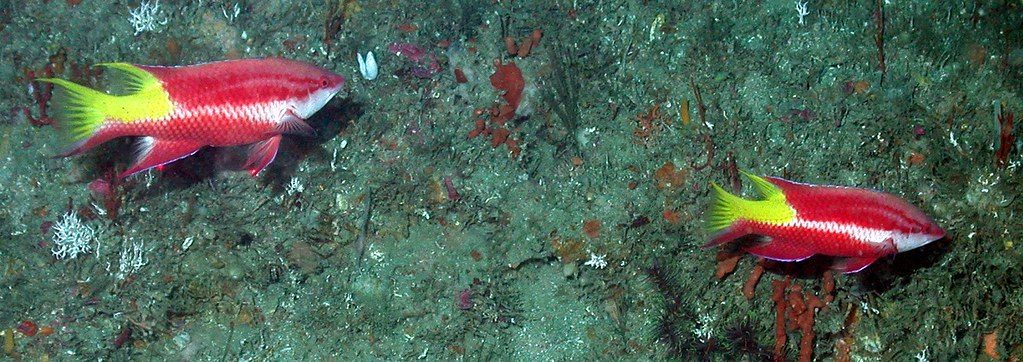
Cuban Hogfish (bodianus Pulchellus)
Cuban Hogfish care is straightforward in larger reef tanks. Learn tank size, diet, compatibility, and reef safety before…
 By
ByWhat to Do During a Power Outage
A reef tank power outage demands fast action. Protect oxygen, temperature, and circulation first to keep fish and…
 By
By[favorite_button]
My Bookmarks:
To see full list click here
[user_favorites user_id="" include_links="true" site_id="" post_types="" include_thumbnails="true" thumbnail_size="thumbnail" include_excerpt="false"]