

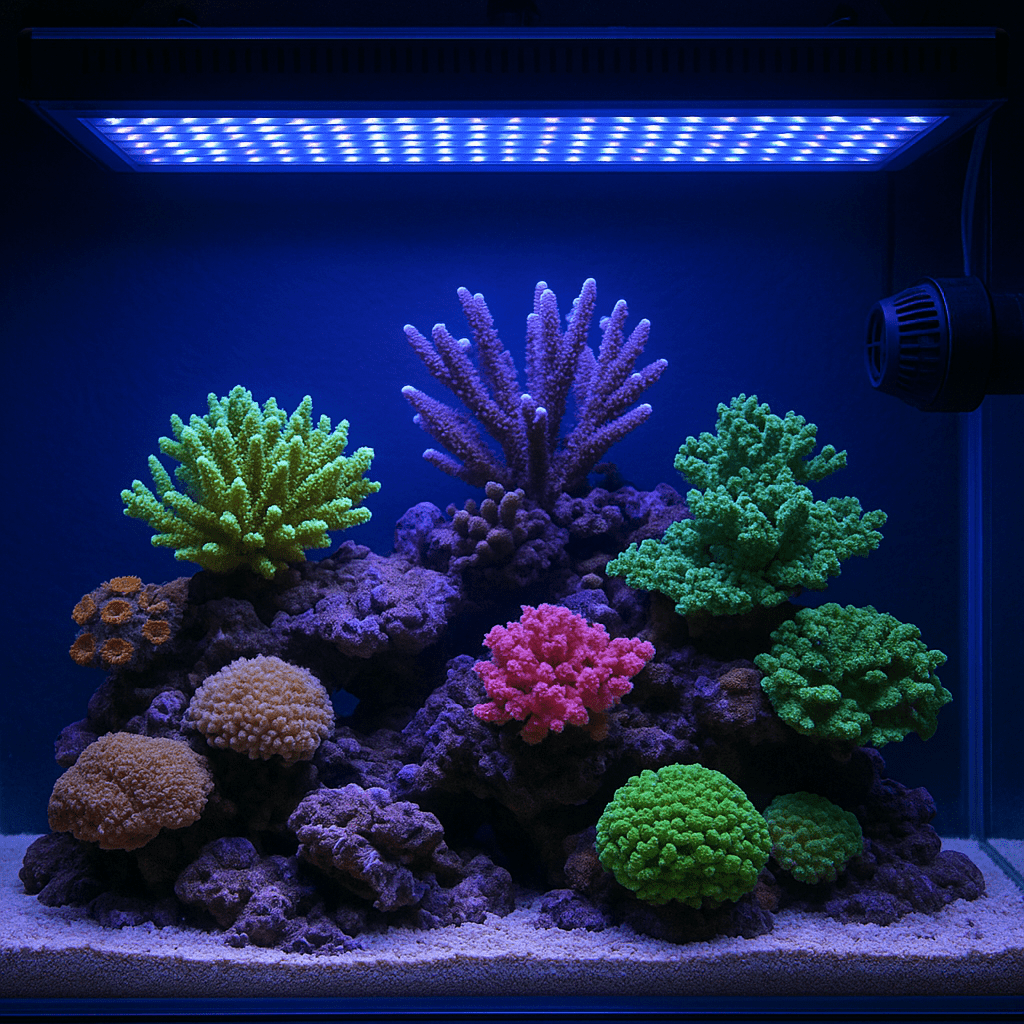
Ideal reef tank parameters are stable, not extreme. Keep salinity, temperature, alkalinity, calcium, and nutrients within proven ranges. That approach supports coral growth, fish health, and fewer sudden problems.
Many beginners chase perfect numbers. That often causes more harm than slightly imperfect values. Reef tanks do best with consistency. In this guide, you will learn the ideal reef tank parameter ranges, why they matter, and how to maintain them. You will also see common mistakes, testing tips, and simple troubleshooting steps. These ranges work well for mixed reefs, soft coral tanks, LPS systems, and many SPS aquariums. Use them as a practical baseline. Then adjust carefully for your livestock and system goals.
Quick Reference Table
| Parameter | Ideal Range | Notes |
|---|---|---|
| Temperature | 77–79°F | Avoid daily swings over 1°F |
| Salinity | 1.025–1.026 SG | 35 ppt is the common target |
| pH | 7.9–8.3 | Stability matters more than chasing 8.4 |
| Alkalinity | 8–9 dKH | Keep stable for coral growth |
| Calcium | 400–450 ppm | Supports skeleton formation |
| Magnesium | 1250–1400 ppm | Helps balance calcium and alkalinity |
| Nitrate | 2–15 ppm | Zero is often not ideal for corals |
| Phosphate | 0.03–0.10 ppm | Low but detectable is best |
| Ammonia | 0 ppm | Any detectable amount is a problem |
| Nitrite | 0 ppm | Should remain undetectable in mature tanks |
These numbers are strong targets for most reef aquariums. You do not need to hit every value exactly every day. You do need to avoid fast swings. Corals react poorly to instability. Fish also show stress when salinity or temperature changes too quickly. Use this chart as your working range. Then test regularly and correct slowly.
Why Stable Reef Tank Parameters Matter
Reef animals come from very stable ocean conditions. Natural reefs do change, but not as abruptly as home aquariums. In a tank, a small dosing error can shift alkalinity fast. A missed top-off can raise salinity in hours. Corals feel these changes quickly. SPS corals often react first. LPS corals may stay inflated less. Soft corals can close and stop extending.
Stability affects more than coral growth. It also shapes fish behavior, bacterial balance, and algae pressure. Tanks with stable nutrients often have fewer nuisance algae swings. Tanks with stable alkalinity usually show better polyp extension and steadier growth. This is why experienced reef keepers focus on trends. They do not obsess over one test result. A slightly low calcium reading is rarely urgent. A sudden alkalinity drop is. Always think in terms of consistency first.
Ideal Temperature and Salinity
Temperature and salinity are the foundation of reef stability. A good temperature target is 77 to 79 degrees Fahrenheit. Many hobbyists choose 78 degrees. That range suits most corals, fish, and invertebrates. Avoid large daily swings. A one-degree swing is acceptable. More than that can stress sensitive livestock.
Salinity should stay between 1.025 and 1.026 specific gravity. That equals about 35 ppt. This is the standard reef target. Use a calibrated refractometer or a reliable digital salinity meter. Hydrometers are often inaccurate. Top off evaporated water with fresh RODI water only. Salt does not evaporate. If you top off with saltwater, salinity will slowly rise. During water changes, always match salinity and temperature closely. Sudden changes can shock corals, shrimp, snails, and fish.
Ideal pH, Alkalinity, Calcium, and Magnesium
These four parameters drive coral skeleton growth. They also influence overall reef chemistry. pH is best kept between 7.9 and 8.3. Many homes run lower pH due to indoor carbon dioxide. That is common. Do not chase pH with quick fixes. Focus on gas exchange, fresh air, and stable alkalinity first.
Alkalinity is one of the most important reef parameters. A practical target is 8 to 9 dKH. Keep it steady. Fast alkalinity swings can burn coral tips or trigger tissue loss. Calcium should sit around 400 to 450 ppm. Magnesium should remain between 1250 and 1400 ppm. Magnesium helps keep calcium and alkalinity balanced. If magnesium is too low, calcium and alkalinity become harder to maintain. Test these values weekly in newer tanks. In heavy SPS systems, test alkalinity more often. Daily testing may be useful until consumption becomes predictable.
Ideal Nutrient Levels: Nitrate and Phosphate
Many reef keepers once aimed for zero nutrients. That approach often caused pale corals and unstable tanks. Most modern reefs do better with low but measurable nutrients. A good nitrate target is 2 to 15 ppm. A good phosphate target is 0.03 to 0.10 ppm. Mixed reefs often thrive in that range.
If nitrate and phosphate both hit zero, corals may lose color and slow growth. Some may recede. If nutrients rise too high, algae and cyanobacteria often gain ground. Balance matters. Feed enough to support fish and corals. Export waste with skimming, water changes, filtration, and healthy biological processes. Avoid stripping nutrients too quickly with aggressive media. Fast phosphate drops can stress corals badly. Test nutrient trends over time. One reading tells little. Weekly patterns tell much more.
Ammonia, Nitrite, and the Nitrogen Cycle
In a mature reef tank, ammonia and nitrite should always read zero. These compounds are toxic. Even small ammonia spikes can harm fish and invertebrates. Nitrite is less dangerous in saltwater than in freshwater, but it still should not be present in an established reef.
New tanks go through a cycle. Beneficial bacteria convert ammonia into nitrite. Then they convert nitrite into nitrate. This process takes time. Do not rush it. Adding fish too early often creates stress and losses. If ammonia appears in an established reef, look for a dead fish, overfeeding, disturbed sand bed, failing biofiltration, or medication damage. Act quickly but calmly. Confirm the result with a second test. Then increase aeration, stop feeding briefly, and perform a water change if needed.
How to Maintain Ideal Reef Tank Parameters
Good reef chemistry comes from routine. It does not come from random corrections. Start with pure RODI water. Poor source water adds phosphate, nitrate, silicate, and metals. Next, use a quality reef salt and mix it fully before water changes. Match temperature and salinity every time.
- Test salinity and temperature several times each week.
- Test alkalinity weekly, or more in coral-heavy tanks.
- Test calcium and magnesium weekly or biweekly.
- Test nitrate and phosphate weekly.
- Use an auto top-off system to prevent salinity swings.
- Dose only what your tank consumes.
- Make corrections slowly over days, not hours.
- Keep a log of results and livestock changes.
Once your tank matures, patterns become clear. You will know how much alkalinity drops each day. You will know whether feeding raises nutrients too much. That predictability makes reef keeping easier and safer.
Common Problems and Troubleshooting
Why is my alkalinity always dropping?
Corals, coralline algae, and other calcifying organisms consume alkalinity daily. In growing reefs, this is normal. Test at the same time each day for several days. That shows real demand. Then match dosing to consumption. Also check magnesium. Low magnesium can make alkalinity harder to hold.
Why are my corals pale even with good lighting?
Very low nutrients are a common cause. If nitrate and phosphate are both near zero, corals may lighten. Increase feeding slightly. Reduce aggressive nutrient export if needed. Check alkalinity too. High alkalinity with ultra-low nutrients can stress some corals.
Why does pH stay low?
Low pH often comes from excess indoor carbon dioxide. Open windows when possible. Improve skimmer air intake. Route outside air to the skimmer if practical. Keep alkalinity stable. Avoid fast pH boosters. They rarely solve the root cause.
Why is phosphate high even after water changes?
Food, dirty rock, old substrate, and poor source water can all contribute. Test your RODI water. Clean detritus traps. Feed more carefully. Use phosphate media gently. Rapid phosphate reduction can shock corals. Aim for gradual improvement.
Frequently Asked Questions
What is the most important reef tank parameter?
Stability is the most important factor. If choosing one test value, alkalinity is often the most critical to watch closely in coral tanks.
Is 0 nitrate good for a reef tank?
Usually no. Many corals do better with low but detectable nitrate. A range of 2 to 15 ppm is a practical target for many reefs.
What salinity is best for coral growth?
Most reef aquariums perform best at 1.025 to 1.026 specific gravity. Keep the value stable and verify your measuring tool often.
How often should I test reef tank water?
Test more often in new tanks. Mature tanks can follow a routine schedule. Alkalinity may need weekly or even daily checks in SPS systems.
Can I fix bad parameters with a big water change?
Sometimes, but not always. Large water changes can help with pollution. They can also cause swings if not matched carefully. Correct slowly when possible.
Final Tips for Long-Term Reef Stability
Successful reef tanks are built on patience. Choose sensible target ranges. Use reliable test kits. Calibrate tools often. Change one thing at a time. Fast corrections create new problems. Slow adjustments usually work better.
If you are building your first system, read our guides on reef tank cycling, reef tank water changes, choosing a protein skimmer, and beginner coral care. Those topics connect directly to stable reef chemistry. When the basics are strong, corals grow better and the tank becomes much easier to manage.
Was this helpful?
Related Posts
What to Do During a Power Outage
A reef tank power outage demands fast action. Protect oxygen, temperature, and circulation first to keep fish and…
 By
By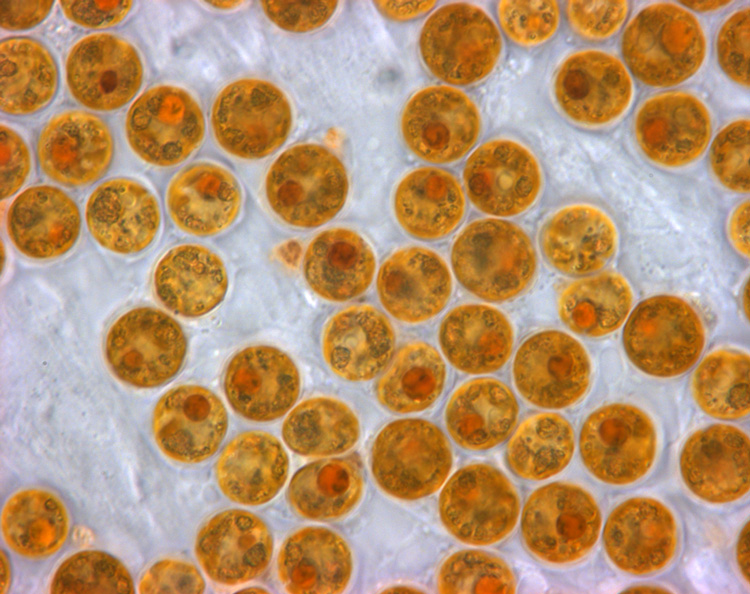
What is Zooxanthellae, and What Role Does it Play in Coral Survival?
Zooxanthellae are symbiotic algae that power coral growth through photosynthesis. They are essential to coral color, health, and…
 By
By[favorite_button]
My Bookmarks:
To see full list click here
[user_favorites user_id="" include_links="true" site_id="" post_types="" include_thumbnails="true" thumbnail_size="thumbnail" include_excerpt="false"]