

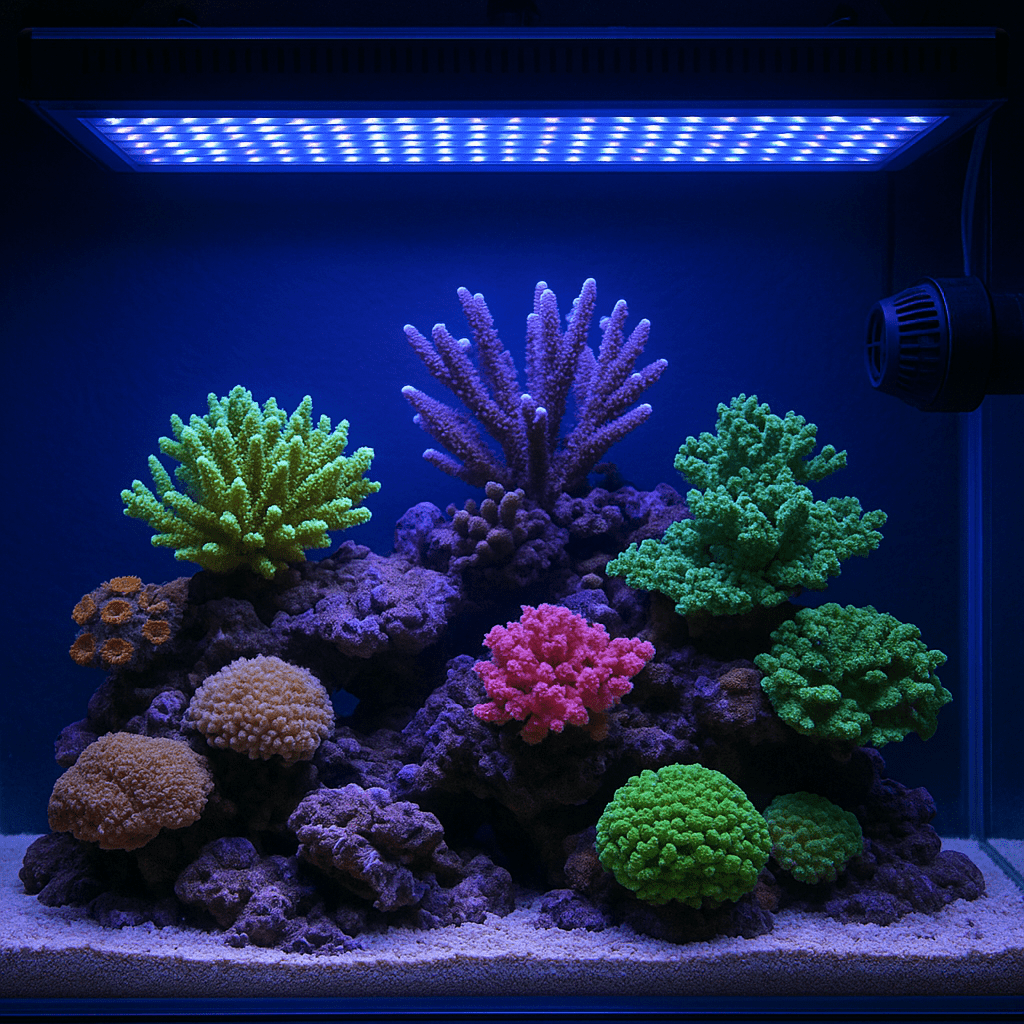
Marine ich prevention starts before a fish enters your display tank. Quarantine, observation, stable water quality, and strict biosecurity stop most outbreaks. Good prevention is far easier than catching and treating every fish after white spots appear.
Many reef keepers fear marine ich because it spreads fast and stresses fish badly. The good news is simple. Prevention works. In this guide, you will learn how ich enters aquariums, how to block it, and how to build a practical routine that protects reef fish long term. We will also cover quarantine methods, common mistakes, and what to do if you suspect the parasite is already present.
Quick Reference Table
| Topic | Best Practice |
|---|---|
| Main prevention method | Quarantine all new fish before display |
| Typical quarantine length | 2 to 4 weeks minimum observation |
| Most common source | New fish, wet tools, shared water |
| Display tank strategy | Stable parameters and low stress |
| Reef-safe cure in display | None proven to eradicate ich |
| If ich is confirmed in display | Remove fish, treat separately, leave display fallow |
| Key biosecurity step | Never share nets, water, or equipment between systems |
What Is Marine Ich?
Marine ich is a parasitic disease caused by Cryptocaryon irritans. It affects marine fish, not corals. Infected fish often show small white spots, flashing, heavy breathing, and reduced appetite. Some fish show obvious spots. Others show almost none.
This parasite has a life cycle. That matters for prevention. The visible white spot stage is only one part. The parasite later drops off the fish, multiplies in the environment, and releases free-swimming stages that seek new hosts. That is why ich can seem to vanish, then return stronger.
Many hobbyists confuse ich with sand, lymphocystis, or velvet. Velvet is often deadlier and progresses faster. If fish breathe hard and decline quickly, act fast. Prevention plans for ich also reduce the risk of many other fish diseases.
How Marine Ich Gets Into a Reef Tank
Marine ich usually enters with a new fish. That is the most common route by far. A fish may look healthy at the store. It can still carry parasites. Stress from shipping often triggers symptoms later.
Shared equipment also spreads it. Nets, algae clips, specimen containers, and even wet hands can move contaminated water. Water from fish store bags is another risk. Never pour it into your tank.
Corals and invertebrates do not host ich in the same way fish do. Still, wet plugs, frag water, snail bags, and rock can carry contaminated water. That means disease can hitchhike into a display even when you add no fish. Biosecurity must cover everything wet.
Natural Habitat and Why Stress Matters
In nature, reef fish live in huge water volumes. They have room to avoid aggression and access to cleaner water. Parasite pressure still exists, but wild systems dilute it. Fish also benefit from natural feeding patterns and established territories.
Aquariums are different. Fish live close together. Aggressive tank mates increase stress. Water quality can swing fast. Shipping, capture, and acclimation add more strain. Stress does not create ich, but it weakens fish defenses. That makes infections worse and easier to see.
This is why prevention is not only about quarantine. It also means reducing stress every day. Healthy fish resist disease better. They recover faster. They also eat more consistently, which supports immune function.
Aquarium Setup for Disease Prevention
A proper display tank setup lowers stress and improves fish health. Start with enough space. Overstocking makes disease control harder. Active fish need room to swim. Territorial fish need breaks in line of sight.
Aquascape with caves, arches, and shaded retreats. New fish settle faster when they can hide. Keep oxygen high with strong surface agitation and good flow. Stable salinity matters. Sudden swings stress fish quickly.
Maintain these core parameters consistently. Temperature should stay around 76 to 78 degrees Fahrenheit. Salinity should remain stable near 1.025 specific gravity for reef systems. Ammonia and nitrite should always be zero. Nitrate should stay reasonable for the species kept. Stability matters more than chasing perfection.
If you are building a new system, read our guides on reef tank setup, saltwater fish acclimation, and reef tank water parameters.
The Best Marine Ich Prevention Strategy
The best strategy is layered. No single step is enough. Quarantine every fish. Isolate coral and invertebrate additions when possible. Avoid cross contamination. Keep fish well fed. Maintain stable water conditions.
Think of prevention as a system. One weak point can undo the rest. For example, a perfect fish quarantine means little if you later add a coral frag with store water on the plug. Likewise, strong water quality helps, but it cannot erase a heavy parasite introduction.
Many successful reef keepers follow a simple rule. Nothing wet enters the display without a plan. That mindset prevents most avoidable outbreaks. It also reduces panic and expensive treatment later.
Step-by-Step Marine Ich Prevention Plan
Step 1: Set up a quarantine tank. Use a bare-bottom tank, sponge filter, heater, lid, and simple hiding places. PVC elbows work well. Keep it easy to clean.
Step 2: Quarantine every new fish. Observe fish for at least two to four weeks. Watch appetite, breathing, and behavior. Longer is safer when possible.
Step 3: Never add store water. Net or transfer fish without pouring bag water into your system. This small habit removes a common risk.
Step 4: Use separate tools. Keep dedicated nets, buckets, towels, and algae scrapers for each tank. Label them clearly.
Step 5: Reduce stress. Offer proper tank size, good nutrition, and compatible tank mates. Aggression often triggers outbreaks in exposed fish.
Step 6: Quarantine or isolate non-fish additions. Corals, rock, macroalgae, and invertebrates can carry contaminated water. A fishless holding period lowers risk.
Step 7: Monitor daily. Feed carefully and watch fish up close. Early changes in breathing or behavior matter. Fast action prevents bigger losses.
Quarantine Tank Basics
A quarantine tank does not need to be fancy. It needs to be reliable. A 10 to 20 gallon tank works for many small fish. Larger species need more room. Use a seeded sponge filter if possible. That helps avoid ammonia spikes.
Keep the bottom bare. This makes waste easy to remove. Add a heater and simple shelter. Use a tight lid because stressed fish jump. Test ammonia often, especially during the first week. Keep extra saltwater ready for water changes.
Some hobbyists choose observation only. Others use proactive treatment. Both approaches exist. The best choice depends on your risk tolerance, fish source, and experience. If you medicate, research the treatment carefully and follow proven protocols. Never guess with fish medications.
Feeding and Nutrition for Stronger Fish
Well-fed fish handle stress better. They also recover from minor issues faster. Offer varied foods that match the species. Tangs need regular algae. Wrasses and many community fish benefit from frozen foods like mysis. Some finicky species need live or specialized diets at first.
Feed small portions once or twice daily for most tanks. Avoid both underfeeding and heavy waste. Soak foods in vitamins if desired. This can help newly imported fish. Garlic is popular in the hobby, but it should not replace proven prevention steps.
Observe fish during feeding. Fish that stop eating often show the first sign of trouble. A strong feeding response is one of the best daily health checks you have.
Compatibility and Stress Reduction
Compatibility matters more than many beginners expect. Aggressive tank mates cause constant stress. Chasing, nipping, and territory disputes weaken fish over time. Ich often appears after a new bully enters the tank.
Research adult size and behavior before buying. Add peaceful fish first when possible. Rearrange rockwork if aggression becomes severe. Use acclimation boxes for sensitive introductions. This helps fish see each other without immediate fighting.
Species like tangs, angelfish, and some damselfish can become territorial. Crowding similar body shapes often causes trouble. Good compatibility planning is a disease prevention tool, not just a stocking issue.
Common Problems
White spots disappeared, so is the fish cured?
No. Visible spots can drop off as the parasite changes stages. The fish may look better for a few days. Then the next wave appears. This pattern is classic for ich. Do not assume the problem is gone.
Can a healthy fish fight off marine ich alone?
Some fish tolerate low parasite loads for a while. That does not mean the tank is ich-free. The parasite can persist and infect stressed or newly added fish later. Good health helps, but it does not erase the organism from the system.
Do reef-safe ich treatments work in a display tank?
Most so-called reef-safe cures do not reliably eradicate marine ich. Some may reduce symptoms or irritate parasites temporarily. That is not the same as elimination. Be cautious with marketing claims. Focus on quarantine and proven treatment methods in separate systems.
Why did ich appear after adding a new fish?
The new fish likely introduced the parasite, or the addition caused stress that exposed an existing problem. Both happen often. This is why every new fish should be quarantined and introduced carefully.
What if ich is already in the display tank?
Remove all fish to treatment tanks if possible. Then leave the display fishless for a full fallow period. Without fish hosts, the parasite life cycle breaks. This process takes patience, but it is the most reliable path to an ich-free display.
Frequently Asked Questions
How long should I quarantine new saltwater fish?
Two to four weeks is a common minimum. Longer observation adds safety. High-value fish often deserve a more cautious timeline.
Can corals bring marine ich into a reef tank?
Corals do not host ich like fish do, but wet plugs and bag water can carry contamination. Handle all wet additions carefully.
Is UV sterilization enough to prevent marine ich?
UV can reduce free-swimming parasites under the right setup. It is helpful support, not a complete prevention plan.
Can cleaner shrimp remove marine ich?
Cleaner shrimp may pick at mucus and dead tissue. They do not cure marine ich or stop its life cycle in an aquarium.
What is the biggest beginner mistake?
Skipping quarantine because a fish looks healthy. Many infected fish appear normal at first. Prevention begins before symptoms show.
Final Tips for Long-Term Success
Marine ich prevention is about discipline. Build a routine and follow it every time. Quarantine fish. Keep tools separate. Avoid store water. Feed well. Reduce aggression. Maintain stable water quality. These habits protect your fish far better than last-minute cures.
If you want to strengthen your disease prevention plan, also review our articles on quarantine tank for saltwater fish and reef fish disease signs. A little preparation saves livestock, money, and stress later.
Was this helpful?
Related Posts
Gold Spotted Rabbitfish (Siganus Punctatus)
Gold Spotted Rabbitfish care includes large tanks, heavy algae feeding, and caution with corals. Learn tank size, diet,…
 By
By
Sharknose Goby (Elacatinus evelynae)
Sharknose Goby care is simple in stable reef tanks. Learn feeding, tank setup, compatibility, and common problems for…
[favorite_button]
My Bookmarks:
To see full list click here
[user_favorites user_id="" include_links="true" site_id="" post_types="" include_thumbnails="true" thumbnail_size="thumbnail" include_excerpt="false"]