

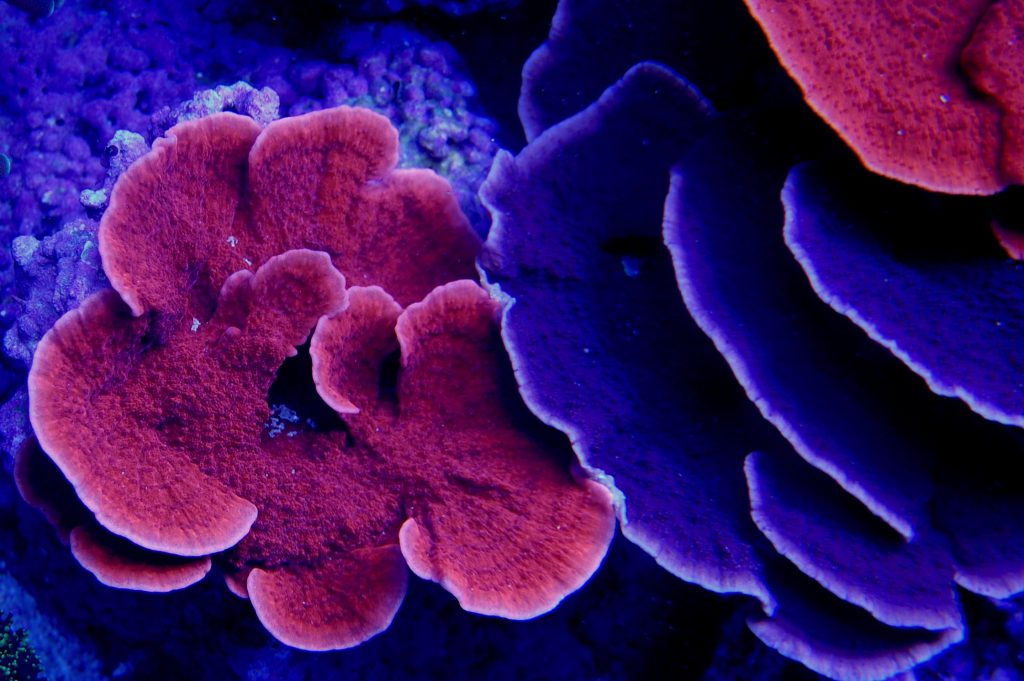
Montipora corals are some of the best SPS corals for growing reef keepers. They offer fast growth, bright color, and many shapes. Most species do well in stable tanks with strong light, moderate to strong flow, and low nutrients that never bottom out.
Many hobbyists buy their first Montipora after keeping soft corals or LPS. That move makes sense. Montipora is often more forgiving than Acropora, yet it still teaches the habits needed for SPS success. You must focus on stability, placement, and consistent maintenance. In this guide, you will learn how to choose, place, feed, and troubleshoot Montipora corals in a reef aquarium. You will also learn how to frag them safely and avoid common mistakes that cause fading, tissue loss, or poor growth.
Montipora Coral Care Quick Reference
| Category | Recommendation |
|---|---|
| Care level | Moderate |
| Temperament | Peaceful, but can shade nearby corals |
| Lighting | Moderate to high PAR, usually 150–300 |
| Flow | Moderate to strong, turbulent flow |
| Placement | Mid to upper rockwork, based on species and light |
| Temperature | 76–79°F |
| Salinity | 1.025–1.026 specific gravity |
| Alkalinity | 8–9 dKH, stable |
| Calcium | 400–450 ppm |
| Magnesium | 1250–1400 ppm |
| Nitrate | 2–15 ppm |
| Phosphate | 0.03–0.10 ppm |
| Feeding | Mostly photosynthetic, benefits from fine coral foods |
| Growth rate | Moderate to fast in stable systems |
What Are Montipora Corals?
Montipora is a large genus of small polyp stony corals. Reef keepers often call them “Montis.” They come in plating, encrusting, branching, and digitata forms. Common examples include Montipora capricornis, Montipora digitata, and many encrusting varieties. Their colors range from green and red to orange, purple, blue, and multicolor rainbow forms.
These corals build a hard calcium skeleton. That means they consume alkalinity and calcium as they grow. They also rely heavily on light because they host zooxanthellae. Those symbiotic algae provide much of the coral’s energy. Still, Montipora also benefits from dissolved nutrients and occasional fine particulate foods. In healthy tanks, many species grow quickly and form beautiful shelves, branches, or crusts over rock. That growth makes them rewarding. It also means they need planning. A small frag can become a large colony sooner than many beginners expect.
Natural Habitat
Montipora corals occur across the Indo-Pacific. They are found on shallow reefs, reef slopes, lagoons, and upper reef faces. Conditions vary by species. Some live in bright, shallow water with heavy surge. Others grow deeper where light is lower and flow is more indirect. This wide range explains why different Montipora types prefer slightly different placements in aquariums.
In nature, these corals receive constant water movement. That flow delivers oxygen and removes waste. It also prevents sediment from settling on the tissue. Light is strong in many habitats, but not always extreme. Water chemistry stays stable around the clock. Temperature swings are limited compared with many home aquariums. Nutrients are present, but they are usually low and continuously available. In reef tanks, the goal is not to copy the ocean perfectly. The goal is to provide the same basic pattern. Give Montipora stable chemistry, clean water, strong but varied flow, and enough light to support steady growth.
Aquarium Setup
Montipora can live in tanks as small as 20 gallons, but larger systems are easier. Stability improves as water volume increases. A 40-gallon breeder or larger is a better starting point for many hobbyists. Mature rockwork helps too. Avoid adding Montipora to very new tanks. Most do better in systems that are at least several months old and already growing coral well.
Aquascaping matters. Plating Montipora needs open space around it. It will grow outward and can shade corals below. Branching and digitata forms need room for water to move through the colony. Encrusting species need clean rock surfaces and distance from slow-growing neighbors. Secure frags well. A loose frag can fall, get shaded, and die. Keep enough room between colonies for future growth. Plan for the adult colony, not the frag plug. If you need help building a stable system, see reef tank setup guide, reef aquascaping tips, and best reef tank parameters.
Lighting Requirements
Most Montipora corals prefer moderate to high light. A useful range is 150 to 300 PAR. Some hardy digitata can adapt to slightly lower light. Some bright plating or encrusting varieties color best higher in the tank. The key is consistency. Sudden jumps in intensity can bleach tissue fast. Always acclimate new frags to stronger light over several days or weeks.
Blue-heavy reef lighting usually brings out the best fluorescence. Still, full-spectrum balance matters for growth. If your Montipora turns pale, the issue may be too much light, too little nutrient, or both. If it turns brown, the coral may need more light, less nutrient buildup, or better flow. Observe the coral closely. Good polyp extension, solid color, and steady encrusting are positive signs. Use a PAR meter if possible. Guessing often leads to poor placement. If you are still dialing in your lights, read reef lighting guide for fixture setup and acclimation tips.
Water Flow
Montipora needs moderate to strong flow. The best flow is random and turbulent. It should keep detritus from settling on the coral. It should also move the surrounding water without blasting tissue from one side. Direct laminar flow can cause tissue recession on exposed edges. Dead spots can trap waste and lead to algae or cyanobacteria on the colony.
Plating Montipora often benefits from crossflow or alternating gyre patterns. Branching forms need enough movement between branches. Encrusting species need flow across the surface to keep tissue clean. Watch for signs of poor flow. If debris collects on the coral, increase circulation or change the angle. If polyps stay retracted on one side, a pump may be hitting too hard. Good flow also supports gas exchange and stable pH. In SPS tanks, that matters a lot. When in doubt, aim for broad movement from multiple sources rather than one strong jet from a single powerhead.
Water Chemistry and Stability
Stable parameters matter more than chasing perfect numbers. Montipora reacts poorly to swings in alkalinity. Keep alkalinity in a narrow range, usually 8 to 9 dKH. Calcium should stay around 400 to 450 ppm. Magnesium should remain near 1250 to 1400 ppm. Salinity should be stable at 1.025 to 1.026. Temperature should stay near 76 to 79°F with minimal daily swings.
Nutrients should be present but controlled. Ultra-low nutrients can cause pale color and slow growth. Excess nutrients can lead to browning and algae pressure. A practical target is nitrate between 2 and 15 ppm and phosphate between 0.03 and 0.10 ppm. Test regularly. Dose alkalinity and calcium if needed. As colonies grow, consumption rises fast. Many hobbyists lose Montipora because they do not notice increasing demand. Weekly testing may be enough at first. Heavy SPS systems may need more frequent checks. Use an auto top-off to prevent salinity drift. Small swings add stress over time.
Feeding
Montipora is primarily photosynthetic. Light does most of the work. Still, feeding can improve color and growth in nutrient-poor systems. Fine coral foods, rotifers, reef roids-style powders, and amino acid supplements are commonly used. Feed lightly. Too much food can pollute the tank faster than it helps the coral.
Target feeding is not always necessary. Broadcast feeding after lights dim can work well. Turn off return and powerheads briefly if your system allows it. Then restart flow after a short period. Watch your nutrient levels after feeding changes. If phosphate climbs, reduce the amount or frequency. Fish feeding also helps indirectly. Corals benefit from the dissolved and particulate nutrients that active fish populations produce. In many mixed reefs, healthy fish stocking and regular feeding provide enough nutrition for Montipora without heavy direct coral feeding.
Compatibility
Montipora is generally reef safe and peaceful. It does not have long sweeper tentacles like some LPS corals. However, it can still win by growth and shading. Plating species are famous for covering nearby rock and blocking light to corals below. Encrusting species can also grow right up to neighboring colonies. Give space from the start.
Most reef-safe fish ignore Montipora. The bigger risk comes from pests and occasional nippers. Some angelfish, butterflyfish, and large crabs may pick at polyps. Vermetid snails and nuisance algae can also irritate tissue. Keep Montipora away from aggressive stinging corals like Euphyllia, Galaxea, and many chalices. Chemical warfare from soft corals may also affect SPS in crowded tanks. Good carbon use and water changes can help. If you keep a mixed reef, place Montipora where it gets strong flow and distance from heavy hitters. For coral pairing ideas, visit reef coral compatibility guide.
Propagation and Fragging
When to Frag Montipora
Frag Montipora when the colony is healthy and actively growing. Avoid fragging stressed, pale, or recently added corals. Good candidates show firm tissue, strong color, and visible new growth edges. Fragging is often needed before the coral shades other colonies or reaches the glass.
How to Frag Different Growth Forms
Digitata and branching forms are easy. Use coral cutters or bone shears. Snip a healthy branch tip and glue it to a frag plug or rubble. Plating Montipora can be cut with coral cutters, a bandsaw, or by snapping a clean section from the edge. Encrusting forms may require removing the rock or cutting a small section of the base with the coral attached.
Aftercare for Fresh Frags
Place fresh frags in moderate flow and stable light. Do not blast them with intense PAR right away. Dip only when needed and according to product directions. Watch for tissue recession around cut edges. Most healthy Montipora heals quickly. Keep alkalinity stable during recovery. That single factor often decides whether a fresh frag takes off or stalls.
Common Problems
Montipora Turning White
White areas can mean bleaching or tissue loss. Bleaching usually follows too much light or very low nutrients. Tissue loss often points to alkalinity swings, pests, or flow issues. Check recent changes first. Did you increase light intensity? Did phosphate drop to zero? Did alkalinity swing more than 0.5 dKH in a day? Correct the cause slowly. Avoid making several major changes at once.
Montipora Browning Out
Brown tissue often means excess nutrients, weak light, or both. Test nitrate and phosphate. Review bulb age or LED settings. Improve export if nutrients are high. Increase light slowly if PAR is low. Better flow can also help the coral shed waste and recover color over time.
Slow Growth or No Encrusting
Montipora usually encrusts before it branches or plates outward. If growth stalls, check alkalinity, calcium, and magnesium first. Then review salinity stability and PAR. New frags may sit still for weeks while they adapt. That is normal. Long-term stagnation is not. Pests, unstable chemistry, or poor placement are common reasons.
Montipora Eating Nudibranchs
These pests are a serious threat. They often match the coral color and hide on the underside. Look for bite marks, missing tissue, and tiny white egg spirals. Remove the coral if possible. Dip it with a reef-safe coral dip. Scrape eggs manually. Repeat inspections often. Quarantine all new Montipora frags to prevent outbreaks.
Tissue Recession at the Base
Base recession can come from detritus, low flow, unstable alkalinity, or pest damage. Lift the colony if needed and inspect shaded areas. Improve circulation around the base. Siphon debris from the rockwork. If recession continues, frag healthy sections above the damaged area and save the colony that way.
Step-by-Step Montipora Placement Guide
Start by identifying the growth form. Plating species need horizontal room. Branching species need open flow paths. Encrusting species need clean rock. Next, measure or estimate PAR in the intended spot. Aim for a moderate zone first if you are unsure. Then check flow. You want strong movement without a direct blast.
Mount the frag securely with reef-safe glue or epoxy. Keep the plug stable and upright. Observe the coral for two weeks. Look for polyp extension, color stability, and early encrusting. If the coral pales, lower it or reduce light intensity. If it browns, consider slightly more light or better nutrient control. If detritus settles, improve flow. Make one adjustment at a time. Montipora often responds within days, but true improvement may take several weeks. Patience is part of SPS success.
Frequently Asked Questions
Is Montipora a good beginner SPS coral?
Yes. Montipora is often one of the best first SPS corals. It still needs stable parameters, but many species are more forgiving than Acropora.
How fast does Montipora grow?
Growth can be moderate to fast. In stable tanks, small frags may encrust within weeks and become large colonies within months.
What PAR does Montipora need?
Most Montipora does well between 150 and 300 PAR. Exact preference depends on species, tank nutrients, and prior light history.
Can Montipora live in a mixed reef?
Yes, if it has enough light, flow, and distance from aggressive corals. Watch for shading and chemical competition in crowded tanks.
Why is my Montipora losing color?
The most common causes are unstable alkalinity, lighting changes, low nutrients, pests, or poor flow. Test first and change one variable at a time.
Montipora rewards consistent reef keeping. It does not need perfection. It needs stability. If your tank holds steady salinity, alkalinity, nutrients, light, and flow, Montipora usually responds with strong color and visible growth. Start with a hardy digitata or capricornis. Place it carefully. Test often. Adjust slowly. Those habits will help you succeed not only with Montipora, but with SPS corals as a whole.
Was this helpful?
Related Posts
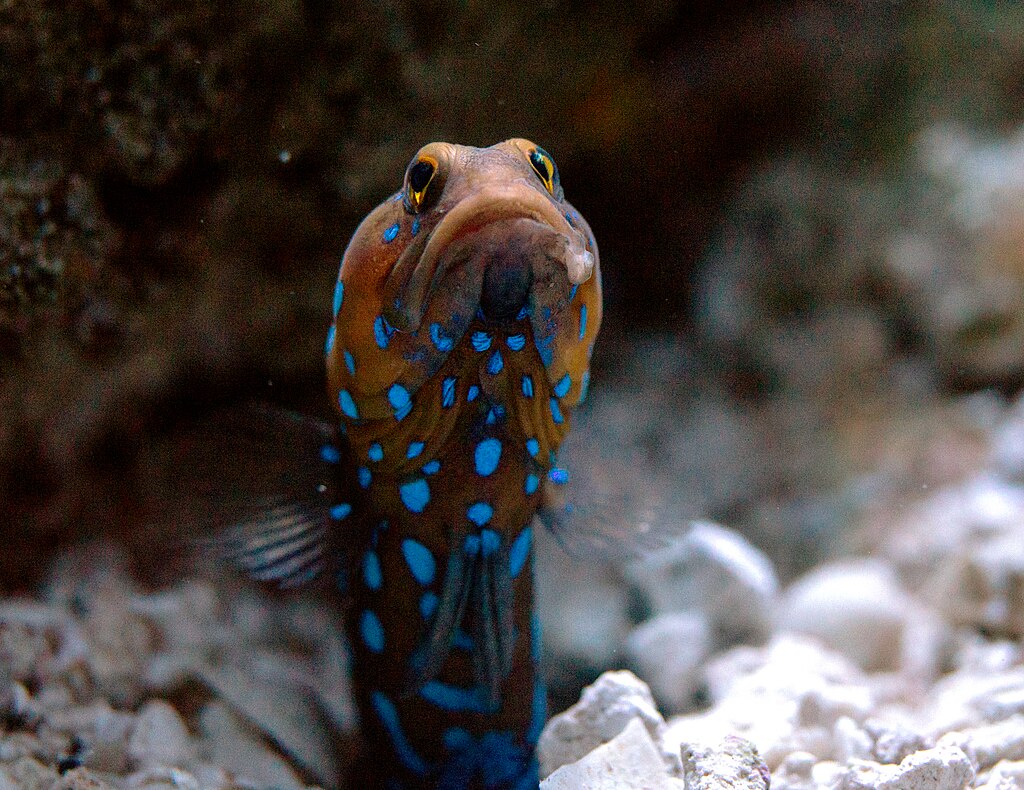
Blue Dot Jawfish (Opistognathus Rosenblatti)
Blue Dot Jawfish need cool water, deep sand, and a tight lid. Learn how to keep Opistognathus rosenblatti…
 By
By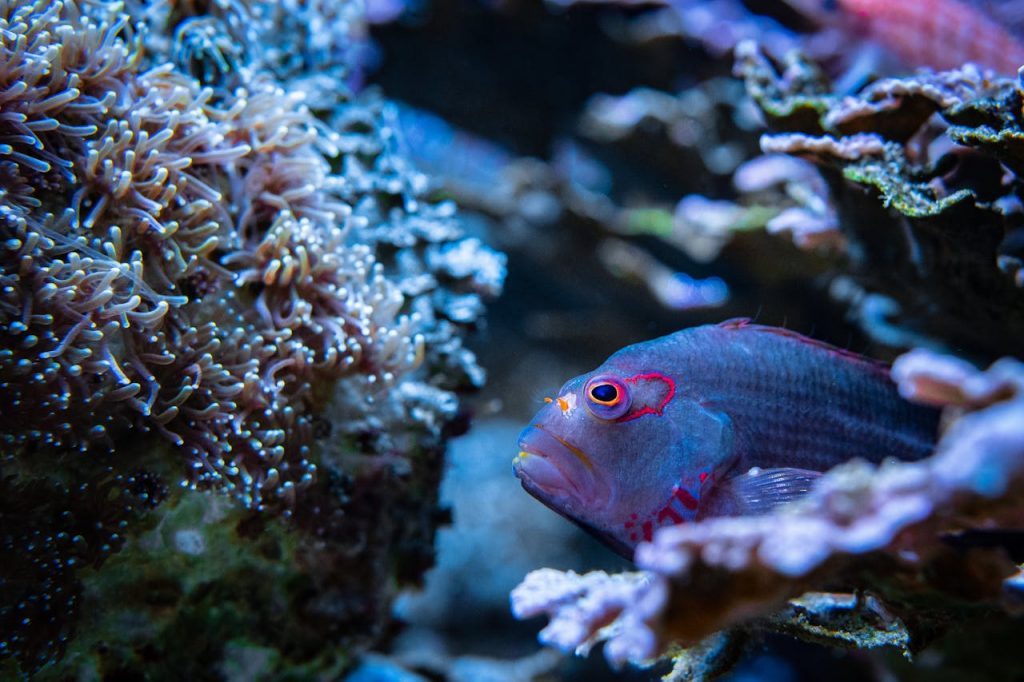
Arc Eye Hawkfish (Paracirrhites arcatus)
Arc Eye Hawkfish care is simple in a stable tank. Learn tank size, feeding, reef safety, and shrimp…
[favorite_button]
My Bookmarks:
To see full list click here
[user_favorites user_id="" include_links="true" site_id="" post_types="" include_thumbnails="true" thumbnail_size="thumbnail" include_excerpt="false"]