

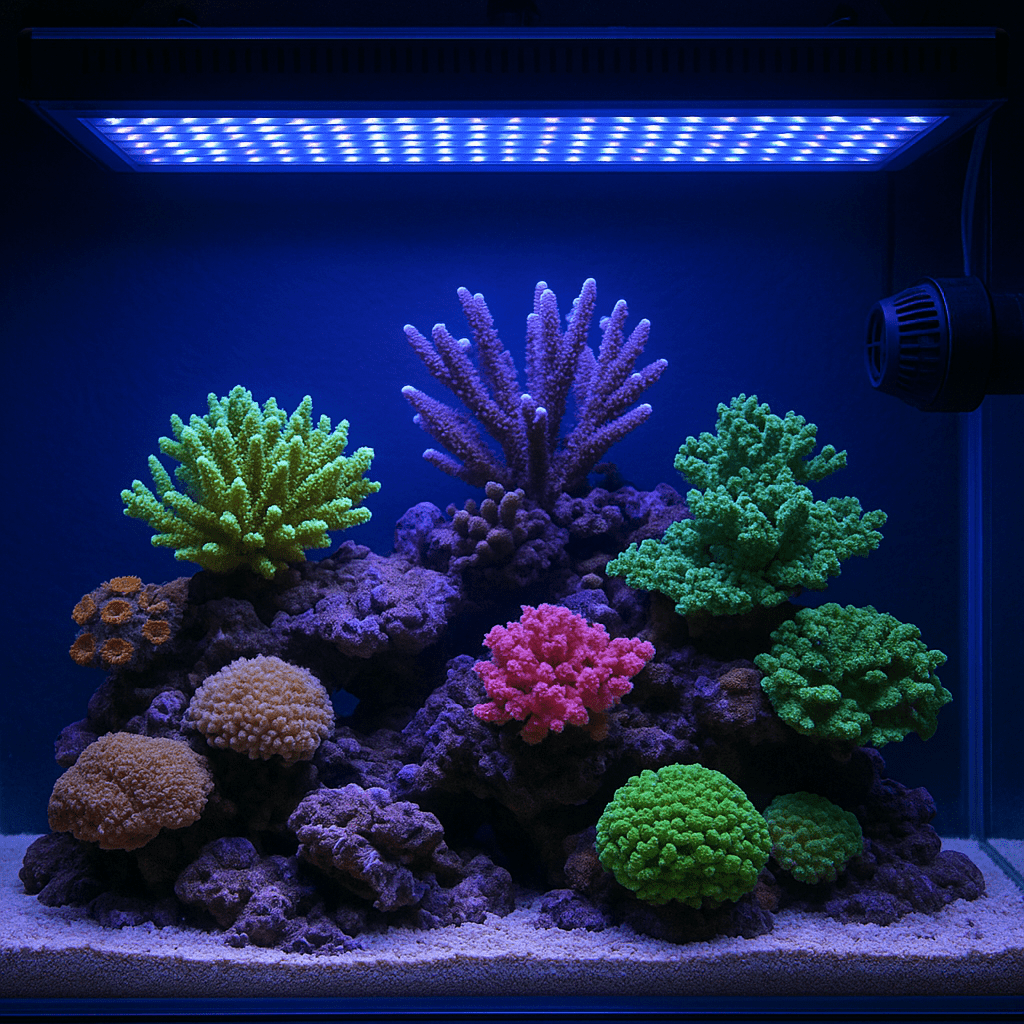
Nano reef aquascaping works best when you remove clutter and build with intention. Fewer rocks create better flow, easier maintenance, and a cleaner look. A simple layout also gives corals room to grow. In small tanks, less is almost always more.
A nano reef can look stunning without being packed wall to wall with rock. That idea surprises many beginners. Small aquariums feel safer when they look full. In practice, crowded aquascapes often trap detritus, block flow, and limit coral placement. They also make fish feel boxed in. Smart nano reef aquascaping focuses on open space, stable structure, and long-term growth. In this guide, you will learn how to plan a minimal layout, choose the right rock, create depth, and avoid common mistakes. You will also learn how aquascaping affects flow, lighting, coral health, and daily maintenance.
Quick Reference Table
| Category | Best Practice |
|---|---|
| Tank size | 10 to 40 gallons for most nano reefs |
| Rock amount | Use less than you think you need |
| Main goal | Open space, flow, and coral growth room |
| Ideal layout | Island, arch, bonsai, or negative space design |
| Sand bed | Keep open areas visible and easy to clean |
| Flow priority | Avoid dead spots behind rock |
| Coral planning | Match future coral size to each ledge |
| Common mistake | Stacking too much rock against the back glass |
Why Less Rock Works Better in a Nano Reef
Small tanks magnify every design mistake. One extra rock can change the whole system. It can reduce swimming space. It can block a powerhead. It can create waste pockets that are hard to siphon. A packed aquascape may look mature on day one. It often looks messy six months later.
Minimal aquascaping solves many of these issues. Open layouts improve circulation around the rock. Better flow keeps detritus suspended longer. Your filter can then remove it. Open sand also gives your eye a place to rest. That makes the reef look larger than it is. Corals stand out more clearly too.
Less rock also helps with maintenance. You can clean the glass more easily. You can reach problem areas faster. Catching a fallen frag becomes less frustrating. If you want a nano reef that stays attractive, simplicity is your friend. It creates both beauty and function.
Natural Habitat and What It Teaches Us
Wild reefs are not solid walls of rock. They are full of channels, ledges, caves, and open sand. Water moves constantly through these spaces. Fish use them for shelter and escape. Corals use them to access light and flow. This natural structure is the best model for a nano reef.
Many hobbyists build a tight pile because they want maximum biological filtration. That made more sense years ago. Modern reef systems rely on more than live rock alone. Good filtration, strong flow, and regular maintenance matter just as much. You do not need a dense rock wall to create a healthy reef.
When you copy natural reef spacing, your tank feels more realistic. It also behaves better. Water can move around every surface. Fish can claim territory without constant stress. Corals can expand without touching too soon. A natural look usually comes from restraint, not from adding more pieces.
Choosing the Right Rock for a Minimal Layout
Rock choice shapes the whole project. Lightweight, porous rock is usually best. It gives more volume with less mass. That helps you build height without making the tank feel heavy. Branching and shelf pieces are especially useful. They create overhangs and coral ledges with fewer stones.
Look for pieces with character. Holes, bends, and flat shelves add interest fast. Avoid using only round chunks. They tend to stack into a mound. Mounds waste space and often look artificial. One striking centerpiece rock usually works better than six average pieces.
Dry rock gives you time to plan and glue. Live rock can be beautiful, but it limits build time. If you use dry rock, rinse dust well before use. Test fit each piece outside the tank. Photograph layouts from several angles. That simple step saves a lot of second guessing later.
Step-by-Step Guide to Building a Nano Reef Aquascape
Start with a plan. Decide which view matters most. Most nano tanks have one main viewing side. Build for that angle first. Then check the side views. Aim for depth, not just height.
Next, choose one layout style. An island layout is great for cubes. A peninsula layout works well in long tanks. A bonsai or branch structure looks airy and modern. Negative space designs create a dramatic, high-end look.
Then build the base. Keep rocks off the glass where possible. Leave room for cleaning tools. Use reef-safe epoxy, super glue gel, or acrylic rods for stability. Shake the structure gently before placing it in the tank. If it wobbles, fix it now.
After that, check open space. You should see sand around the structure. You should also see gaps through the rock. Those gaps help flow and make the tank feel larger. Finally, assign coral zones before adding water. Mark bright ledges for SPS. Save lower areas for LPS and soft corals.
Aquarium Setup: Tank Size, Placement, and Scale
Nano reefs usually range from 10 to 40 gallons. The smaller the tank, the more careful you must be. In very small tanks, oversized rock looks awkward fast. It also limits coral choices. A 20-gallon tank can feel spacious with one well-shaped island. The same tank can feel cramped with a rock wall.
Think about scale at all times. Tiny tanks need finer visual detail. Thin branches and low shelves often look better than bulky boulders. Leave vertical room for coral growth. Many corals double or triple in size over time. A layout that seems empty today may look perfect in a year.
Tank placement matters too. If the tank is viewed from two sides, design for both. If it sits in a corner, angle the structure toward the room. This creates depth. It also hides equipment better. A good aquascape works with the tank’s location, not against it.
Lighting Requirements and Coral Placement
Aquascaping and lighting are closely linked. In a nano reef, a few inches can change PAR a lot. High ledges receive stronger light. Lower caves and shaded shelves receive less. Use this to your advantage. Build zones that match the corals you want to keep.
If you plan to keep SPS, create stable, elevated platforms. These areas should receive strong light and consistent flow. If you prefer LPS, include lower shelves with moderate light. Soft corals often do well in lower or side areas. They can still spread quickly, so give them room.
A minimal layout improves light spread. Fewer shadows mean more usable real estate. Corals also color up better when they are not shaded by unnecessary rock. Before finalizing your scape, imagine each coral at full size. That long-term view prevents crowding and coral warfare later.
Water Flow: The Hidden Key to Great Aquascaping
Flow is where many nano aquascapes fail. A structure may look nice but perform poorly. Tight stacks create dead spots. Those areas collect waste and fuel algae. They can also irritate corals by allowing debris to settle on tissue.
Open aquascapes let pumps work more efficiently. Water can wrap around the rock and reach hidden surfaces. That improves gas exchange and nutrient export. It also helps corals feed and shed mucus. In small tanks, even one blocked channel can matter.
Test flow before adding corals. Drop in a little frozen food or fine particles. Watch where they settle. If debris collects behind the rock, adjust the structure or powerhead angle. Good aquascaping should support flow naturally. You should not need extreme pump settings to overcome bad design.
Compatibility With Fish, Corals, and Invertebrates
Your aquascape affects livestock behavior. Fish need lanes to swim and places to retreat. Gobies and blennies enjoy perches and crevices. Small wrasses need open water above the rock. Clownfish often claim one section and defend it. A simple layout helps reduce territorial pressure.
Coral compatibility matters just as much. Euphyllia need room for sweeper tentacles. Zoanthids can spread over nearby rock. Encrusting corals can cover prized ledges. Build separation into the design early. Use isolated islands for fast spreaders when possible.
Invertebrates benefit too. Snails need access to open surfaces. Cleaner shrimp like caves and overhangs. Sand-sifting animals need visible sand bed. When the layout is too dense, these animals lose usable habitat. A balanced scape supports the whole reef, not just the rock itself.
Common Problems
My nano reef looks too empty
This is the most common worry. New aquascapes often look sparse. That feeling usually fades once corals grow in. Resist the urge to add more rock too soon. Instead, add a few corals with different shapes. Use one branching coral, one encruster, and one soft coral for contrast.
Detritus keeps collecting behind the rock
This usually means the structure is too close to the back wall or too dense. Pull the rock forward if possible. Open a channel through the center. Reposition your powerhead to create crossflow. During water changes, siphon trapped debris before it breaks down.
My rock structure feels unstable
Do not ignore instability in a nano reef. Snails, urchins, and cleaning tools can shift loose rock. Remove the structure and secure it properly. Use reef-safe mortar, epoxy, or thick super glue gel. Build wider contact points at the base. Stability should always come before appearance.
Corals are shading each other too quickly
This points to poor growth planning. Fragging can help, but layout matters more. Place fast growers on edges or isolated sections. Keep tabling or plating corals away from lower light species. Review your coral map every few months. Nano reefs change quickly once colonies establish.
Propagation and Fragging in a Minimal Aquascape
Why simple layouts help fragging
Minimal scapes make coral work easier. You can reach colonies without dismantling the tank. You can also remove frag racks sooner because the display has more usable space. This keeps the reef cleaner and more natural looking.
How to plan for future frags
Leave small open shelves for frags from the start. Keep aggressive corals on removable rocks if possible. This makes trimming much easier later. In nano tanks, fragging is not just for sharing. It is often necessary for space control and coral health.
Frequently Asked Questions
How much rock should I use in a nano reef?
Use only enough rock to create structure and biological surface area. Most hobbyists use too much. Aim for open sand, visible gaps, and easy flow.
Is a bare back wall better than stacking rock against it?
Yes, in most cases. Space behind the rock improves circulation and makes cleaning easier. It also creates visual depth.
What is the best aquascape style for a nano cube?
A central island or bonsai style works very well. Both create open space around the structure and suit cube dimensions.
Can I keep SPS in a minimal nano aquascape?
Yes. In fact, minimal layouts often help SPS by improving flow and reducing shading. Just provide strong light and stable parameters.
Should I aquascape before or after adding sand?
Build on the bare tank bottom first when possible. This improves stability and reduces the chance of rock shifting later.
Final Thoughts
The best nano reef aquascaping feels intentional, open, and calm. It does not try to fill every inch. It uses space as part of the design. That choice improves flow, coral placement, and maintenance. It also gives your reef room to mature naturally.
If you are planning a new build, start simple. If your current tank feels crowded, consider removing a piece or two. You may be surprised by the result. In nano reefs, restraint often creates the most impressive display. For more help, see: reef tank aquascaping ideas, nano reef tank setup guide, coral placement in reef tanks, water flow in reef aquariums, live rock for reef tanks.
Was this helpful?
Related Posts
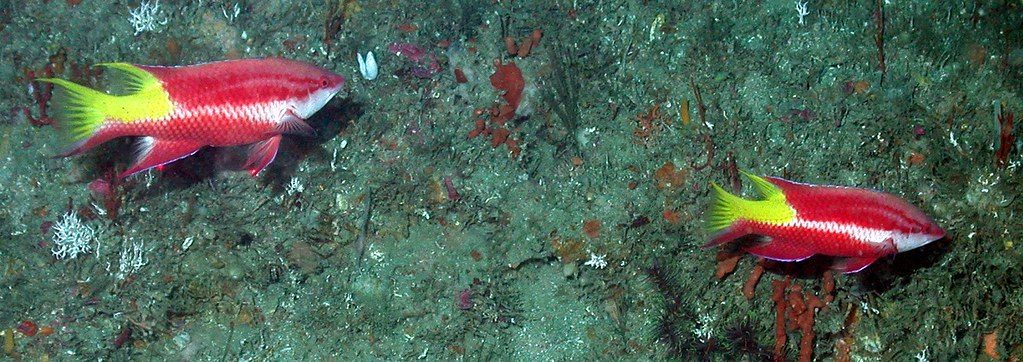
Cuban Hogfish (bodianus Pulchellus)
Cuban Hogfish care is straightforward in larger reef tanks. Learn tank size, diet, compatibility, and reef safety before…
 By
ByWhat to Do During a Power Outage
A reef tank power outage demands fast action. Protect oxygen, temperature, and circulation first to keep fish and…
 By
By[favorite_button]
My Bookmarks:
To see full list click here
[user_favorites user_id="" include_links="true" site_id="" post_types="" include_thumbnails="true" thumbnail_size="thumbnail" include_excerpt="false"]