

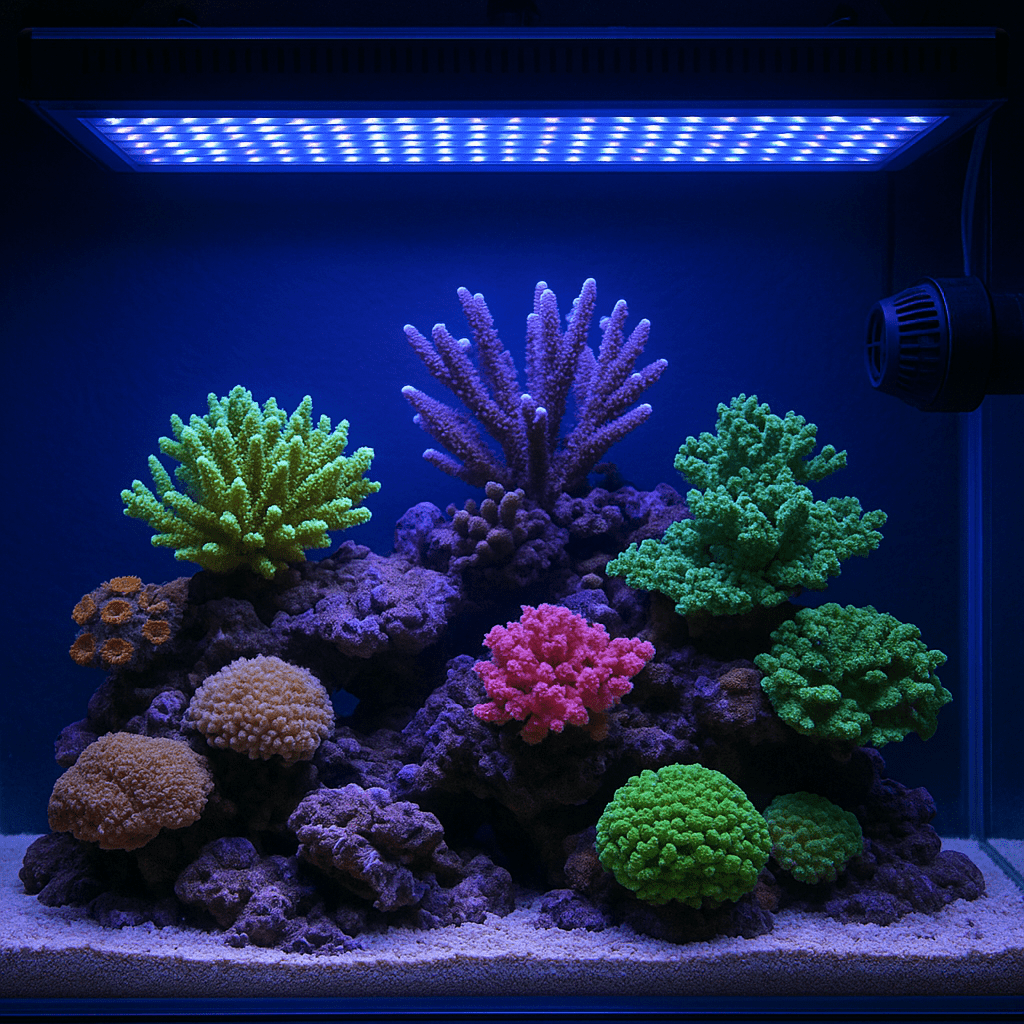
A reef emergency plan protects your tank when the unexpected happens. Power cuts, heater failures, leaks, and livestock losses can turn serious fast. A simple plan reduces panic. It also gives your corals and fish the best chance of survival.
Every reef keeper should assume an emergency will happen eventually. Saltwater systems depend on electricity, stable temperature, oxygen, and water quality. When one part fails, the whole system can slide quickly. In this guide, I will walk through the exact reef emergency plan we use, why each step matters, and how beginners can build a practical response kit. You will learn what to do in the first 10 minutes, how to handle common reef tank disasters, and how to prepare before trouble starts. The goal is not perfection. The goal is fast, calm action that keeps your reef stable.
Quick Reference Emergency Table
| Emergency | Immediate Priority | First Action | Main Risk |
|---|---|---|---|
| Power outage | Oxygen and temperature | Start battery air pump or backup power | Low oxygen |
| Heater stuck on | Lower temperature safely | Unplug heater and increase surface agitation | Heat stress |
| Tank too cold | Raise temperature slowly | Use backup heater or insulated wrapping | Temperature shock |
| Overflow or leak | Stop water loss | Shut return pump and isolate source | Flood and salinity swing |
| Ammonia spike | Protect livestock | Large water change and add detoxifier | Toxicity |
| Coral chemical warfare | Remove toxins | Run fresh carbon and change water | Rapid coral decline |
| Fish disease outbreak | Limit spread | Observe, test, and move fish if needed | Tank-wide infection |
Print this table and keep it near your tank. In an emergency, simple instructions help more than memory.
What Every Reef Emergency Plan Must Cover
A good reef emergency plan covers the essentials first. Oxygen comes before almost everything else. Fish can survive darkness for a while. They cannot handle low oxygen for long. Water movement is also critical because it supports gas exchange.
Temperature is the next major concern. Reef tanks do not tolerate fast swings well. Corals may slime, bleach, or retract. Fish often show stress before corals do. Watch for rapid breathing, hiding, or loss of balance.
Water quality is the third pillar. Ammonia, salinity shifts, and contamination can escalate quickly. This often happens after equipment failure, overfeeding, or livestock death. Your plan should include test kits, mixed saltwater, fresh carbon, and a clear order of operations.
Finally, your plan must be realistic. Fancy equipment helps, but simple preparation matters more. A labeled tote with batteries, towels, airline tubing, and spare heaters can save a reef. So can a written checklist. If you have never practiced your response, do it this week.
Our Step-by-Step Reef Emergency Plan
We use the same sequence for almost every problem. First, stop and observe. Panic causes mistakes. Look at fish behavior, coral extension, water level, temperature, and equipment status. Confirm what actually failed.
Second, protect oxygen. Turn on battery air pumps. Aim powerheads toward the surface. If backup power is available, run circulation before lights. Lights are rarely the priority during an emergency.
Third, stabilize temperature. If the tank is hot, unplug heaters and open the canopy. Float sealed ice packs if needed. If the tank is cold, insulate the glass with towels or blankets. Warm the tank slowly. Avoid sudden corrections.
Fourth, prevent further damage. Shut off leaking pumps. Isolate cracked reactors. Remove dead animals immediately. If contamination is possible, add fresh activated carbon and prepare a water change.
Fifth, test key parameters. Check temperature, salinity, ammonia, and pH first. Nitrate and phosphate matter too, but they are usually not the first emergency issue. Write down your readings. Notes help if the event lasts hours.
Sixth, make one correction at a time. Do not chase every number at once. Reef tanks recover better from steady action than from dramatic swings.
Emergency Supplies We Keep On Hand
Your reef emergency kit should be easy to grab. Ours lives in a plastic bin next to the tank. It contains battery air pumps, spare batteries, airline tubing, check valves, towels, buckets, and a flashlight. We also keep a spare heater and a small powerhead.
Water prep supplies matter just as much. Keep extra salt mix, at least some RODI water, and enough pre-mixed saltwater for a meaningful change. For many tanks, 10 to 20 percent is a smart minimum. We also keep fresh activated carbon, filter socks, and ammonia detoxifier.
Testing tools should be complete and current. Expired test kits create confusion. Include a refractometer, thermometer, ammonia test, and pH test. If you run controllers, make sure alerts are enabled and accurate.
Finally, keep contact information nearby. List your local fish store, a trusted reef friend, and your power company outage line. During a stressful event, small details become easy to forget.
Power Outage Response
Power outages are the most common reef emergency. The first threat is oxygen loss. Start battery air pumps immediately. If you own a generator or power station, run a return pump or powerhead first. A heater may become the next priority in cold weather.
Do not open the tank constantly. In winter, every open lid loses heat. In summer, monitor for overheating instead. If the room is very warm, float sealed ice packs and increase surface movement. Keep lights off unless power backup is abundant. Corals can handle darkness far better than stagnant water.
Feed lightly or not at all during a long outage. Extra food increases waste and oxygen demand. If the outage lasts many hours, manually stir the surface every so often if no pump is available. It is not ideal, but it helps in a true emergency.
For prevention, consider a battery backup for one circulation pump. This is one of the best reef investments you can make. You can learn more in our reef tank equipment checklist.
Heater Failures and Temperature Swings
Heater failures happen in two ways. The heater stops heating, or it sticks on. Both are dangerous. If the tank is overheating, unplug the heater first. Verify the reading with a second thermometer. Faulty probes can mislead you.
Cool the tank slowly. Increase surface agitation. Open the lid. Use a fan across the water surface if needed. Float sealed ice packs only if the temperature is rising fast. Never dump ice directly into the tank. That can cause salinity changes.
If the tank is too cold, use a backup heater or move livestock to a heated container if necessary. Wrap the tank with blankets to reduce heat loss. Avoid raising the temperature too quickly. Stability matters more than speed once the immediate danger is controlled.
Use a heater controller if possible. It adds a layer of protection. We cover stable temperature management in our reef tank parameters guide.
Leaks, Overflows, and Equipment Failures
When water is on the floor, stop the source first. Shut off the return pump. Then identify whether the problem is plumbing, an overflow blockage, a cracked sump, or a failed reactor. Do not keep troubleshooting while water continues to spill.
Mark your sump’s safe operating level before an emergency happens. This helps you know when a back-siphon issue is occurring. Check return nozzles, siphon breaks, and drain lines. Snails and algae often clog overflow teeth and standpipes.
Keep spare tubing, hose clamps, unions, and a small utility pump. These simple parts solve many flood risks. If salinity drops because of top-off malfunction, correct it gradually. Large salinity swings can stress invertebrates badly, especially shrimp, snails, and SPS corals.
After any leak event, test salinity and inspect all electrical connections. Salt creep and wet power strips create a second emergency if ignored.
Ammonia Spikes and Water Quality Crashes
Ammonia emergencies usually follow a dead fish, overfeeding, rock disturbance, or a new tank mistake. Fish may gasp at the surface. Corals may close tightly. The water can also appear cloudy. Test ammonia right away if you suspect a crash.
Perform a substantial water change. Add an ammonia detoxifier if you use one. Increase aeration because some treatments can affect oxygen exchange. Remove the cause if possible. Check behind the rockwork for hidden livestock losses.
Do not start dumping many additives into the tank. That often makes diagnosis harder. Keep the response simple. Water change, carbon, oxygen, and observation solve most short-term crises. If the tank is young, review your biofilter capacity and stocking pace.
New reef keepers often prevent these crashes with better quarantine and slower additions. Our beginner reef tank setup guide covers this in more detail.
Coral Chemical Warfare and Sudden Coral Decline
Mixed reefs can experience chemical aggression. Soft corals, LPS, and some anemones release compounds that irritate neighbors. A damaged leather coral or melting colony can affect the whole tank. You may notice closed polyps, excess slime, or rapid tissue recession.
Run fresh activated carbon immediately. Increase skimming if possible. Perform a water change. Remove any coral that is clearly decaying. Check for stinging contact too. Sometimes the issue is not chemistry alone. It may be a sweeper tentacle or a fallen frag.
Inspect alkalinity and temperature after the immediate response. Coral decline often has more than one cause. A stressed coral can release toxins, but the original trigger may be unstable alkalinity, low flow, or recent parameter swings.
If you keep many soft corals, carbon should be a routine tool, not just an emergency tool. Our how to dip and acclimate corals article also helps reduce stress during new additions.
Common Problems
What if my fish are breathing fast?
Fast breathing usually means low oxygen, ammonia, heat stress, or disease. Increase surface agitation first. Then test temperature and ammonia. If those are normal, inspect for disease signs.
What if corals stay closed after an emergency?
Corals often stay retracted for a day or two. Check alkalinity, temperature, salinity, and flow. Run carbon if contamination is possible. Avoid moving every coral unless one is clearly dying.
Should I do a huge water change?
Sometimes yes, but not always. Large changes help with toxins and ammonia. They can also create instability if salinity, alkalinity, or temperature do not match. Prepare replacement water carefully.
When should I move livestock out?
Move livestock only when the display is clearly unsafe. Examples include cracked tanks, severe contamination, or total equipment failure with no backup. Temporary bins need heat, flow, and aeration too.
Frequently Asked Questions
How long can a reef tank go without power?
It depends on stocking, temperature, and water movement. Oxygen becomes critical within hours. Dense fish loads fail faster. Battery air pumps greatly extend survival time.
Do corals need light during an emergency?
Not right away. Corals tolerate temporary darkness better than low oxygen or extreme temperature. Prioritize circulation and heat or cooling first.
What is the most important backup item?
A battery air pump is the simplest lifesaver. A circulation pump on battery backup is even better for larger systems.
Should I feed during a reef emergency?
Usually no, or feed very lightly. Extra food adds waste and increases oxygen demand. Resume normal feeding after stability returns.
How often should I review my emergency plan?
Review it every few months. Test backup pumps, replace batteries, and confirm you still have enough mixed water and spare parts.
Final Thoughts
The best reef emergency plan is simple, visible, and practiced. You do not need a commercial fish room to be prepared. You need backup aeration, spare basics, and a calm checklist. Build your kit before you need it. Future you will be very glad you did.
Was this helpful?
Related Posts
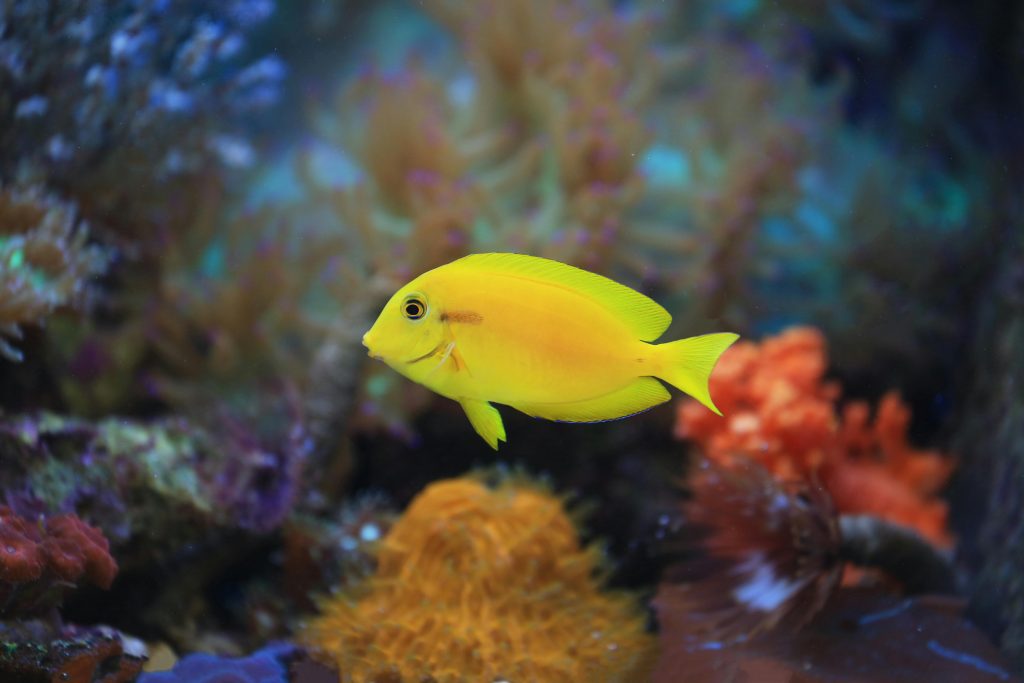
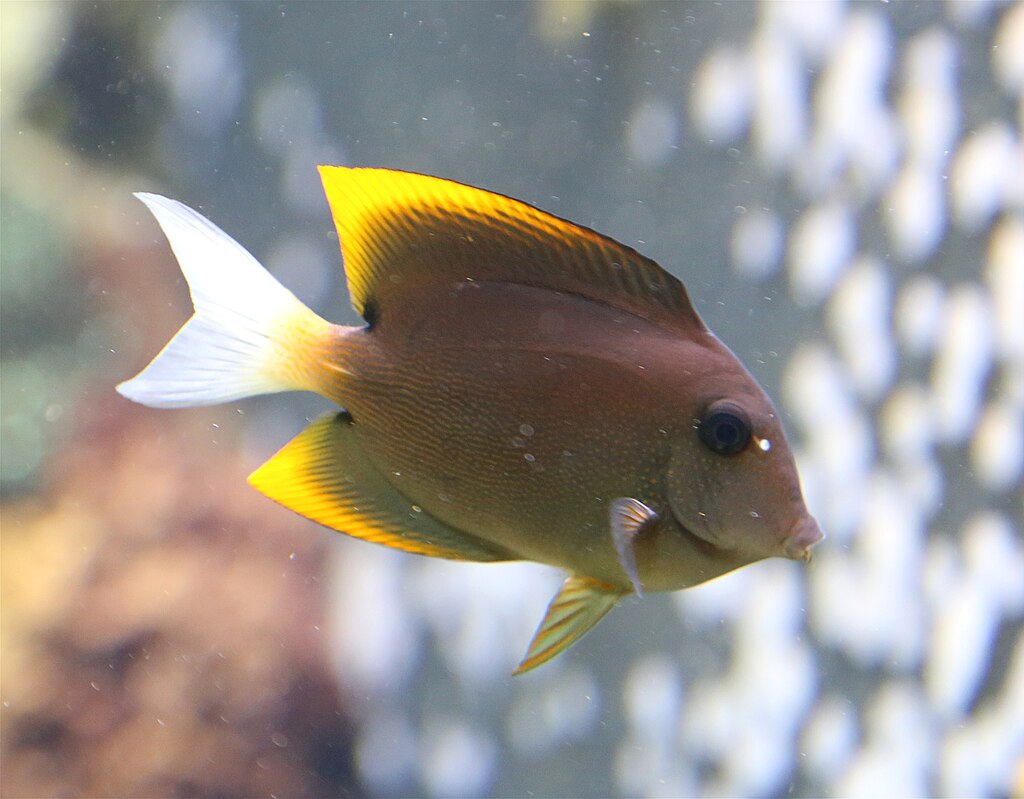
Juvenile Orange Shoulder (acanthurus Olivaceus)
Juvenile orange shoulder tangs are bright, hardy, and reef safe, but they grow large and need a spacious…
 By
ByBest Filtration Systems
Best Filtration Systems for a Healthy Saltwater Aquarium Choosing the best filtration system for your saltwater aquarium is…
[favorite_button]
My Bookmarks:
To see full list click here
[user_favorites user_id="" include_links="true" site_id="" post_types="" include_thumbnails="true" thumbnail_size="thumbnail" include_excerpt="false"]