

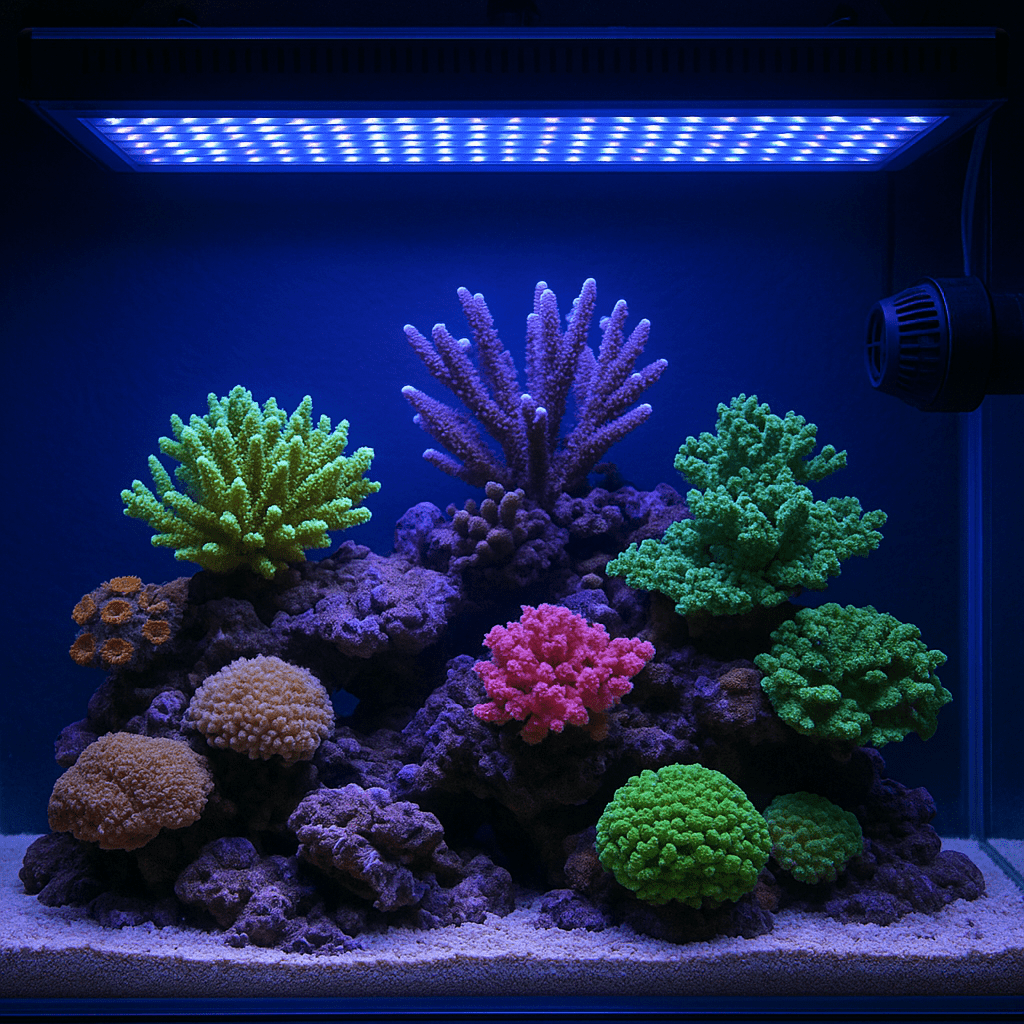
A beginner reef tank equipment checklist helps you buy the right gear first. Focus on stable filtration, reliable heating, strong flow, proper lighting, and quality water testing. Good equipment prevents many common reef problems before they start.
Starting a reef aquarium feels exciting and overwhelming at the same time. There are many products, many opinions, and many ways to spend too much money. The good news is that most successful beginner reef tanks rely on the same core equipment. You do not need every gadget on day one. You do need the right essentials, sized correctly, and set up with a clear plan. In this guide, you will learn what equipment matters most, what each item does, and where beginners can save or should avoid cutting corners. You will also get a practical setup order, troubleshooting tips, and a simple buying strategy for your first reef tank.
Quick Reference Equipment Checklist
| Equipment | Needed for Most Reef Tanks? | Why It Matters | Beginner Tip |
|---|---|---|---|
| Aquarium and stand | Yes | Provides stable display and support | Choose the biggest tank your space allows |
| Return pump | Yes for sump systems | Moves water from sump to display | Pick a reliable, quiet model |
| Powerheads or wavemakers | Yes | Create flow for corals and gas exchange | Use two smaller units for better coverage |
| Heater | Yes | Keeps temperature stable | Use a controller for extra safety |
| Reef light | Yes for corals | Supports coral photosynthesis | Buy for your future coral goals |
| Protein skimmer | Very helpful | Removes waste before it breaks down | Great for mixed reefs and heavier feeding |
| Rock and sand | Usually | Creates habitat and biological filtration | Use porous rock and rinse sand well |
| RODI unit or store-bought RODI water | Yes | Prevents nuisance algae and contaminants | Never start with untreated tap water |
| Test kits | Yes | Track cycle and reef stability | Prioritize salinity, ammonia, nitrate, alkalinity |
| ATO system | Strongly recommended | Replaces evaporated water automatically | Helps keep salinity stable |
That table covers the core gear. The sections below explain what to buy first and what can wait. This helps beginners build a reef tank without wasting money on equipment they may not need yet.
What Equipment Does a Beginner Reef Tank Really Need?
Every reef tank needs a few non-negotiable basics. You need a tank, saltwater, water movement, stable temperature, and some form of biological filtration. If you plan to keep corals, you also need proper reef lighting. Without these basics, even hardy beginner corals will struggle.
The most important beginner mindset is simple. Buy equipment for stability, not for hype. A stable tank beats a flashy tank every time. Beginners often overspend on extras while ignoring essentials like a good heater, quality test kits, or an auto top off system. Those simple tools often matter more.
Tank size also matters. Larger tanks are usually easier to manage. Water chemistry changes more slowly in them. A 20-gallon nano reef can work well, but it leaves less room for mistakes. Many beginners do best with tanks between 30 and 75 gallons. That range balances cost, stability, and stocking options.
Aquarium Setup: Tank, Stand, and Sump Choices
Your tank is the foundation of the whole system. Pick a size that fits your space, budget, and maintenance style. Bigger tanks offer more stability. Smaller tanks cost less up front. Rimless tanks look clean, but standard tanks often cost less and work just as well.
A sturdy stand is essential. Saltwater tanks are heavy. Water, rock, and sand add up fast. Never place a reef tank on weak furniture. If the stand includes room for a sump, that is a major advantage. A sump adds water volume and hides equipment. It also makes upgrades easier later.
Canister filter systems can work on fish-only tanks, but they are less ideal for reef beginners. They need frequent cleaning. Neglected media can trap waste. A simple all-in-one tank or sump-based system is often easier long term. If you want a clean setup, all-in-one reef tanks are beginner-friendly and compact.
Filtration Equipment: Rock, Skimmer, and Mechanical Filtration
Biological filtration is the heart of a reef tank. Porous live rock or dry rock provides surface area for beneficial bacteria. These bacteria convert toxic ammonia into less harmful compounds. That process keeps fish and corals alive. Most reef tanks rely heavily on rock for filtration.
Mechanical filtration removes particles from the water. Filter socks, floss, or roller mats all do this job. For beginners, simple filter floss is cheap and effective. Just change it often. Dirty mechanical media breaks down into nitrate and phosphate if left too long.
A protein skimmer is not mandatory for every beginner reef tank, but it is very useful. It removes dissolved organic waste before it decomposes. This improves oxygen levels and water clarity. It also gives you more room for feeding mistakes. If your budget allows, a quality skimmer is a smart investment for mixed reefs and heavier fish loads.
Lighting Requirements for a Beginner Reef Tank
Reef lighting is one of the most confusing purchases for beginners. Corals need light for photosynthesis. Soft corals and many LPS corals can thrive under moderate lighting. SPS corals usually need stronger, more stable light. Your light should match your coral goals, not just your current livestock.
Many beginners start with soft corals, zoanthids, mushrooms, and easy LPS. These corals do well under many modern LED reef lights. Look for fixtures designed specifically for marine tanks. Freshwater lights often lack the right spectrum and intensity. Adjustable LED units are ideal because you can reduce intensity at first and raise it later.
Do not chase extreme brightness. Too much light can bleach corals and fuel nuisance algae. Start lower and increase slowly. A timer or built-in schedule is also important. Corals like consistency. Sudden changes in photoperiod or intensity stress them. If you want a deeper dive, see our guide on reef tank lighting basics and coral PAR ranges.
Water Flow: Why Powerheads Matter
Water movement is critical in reef aquariums. Corals need flow to bring oxygen and food to their tissues. Flow also helps carry away waste. Dead spots allow detritus to settle. That can raise nutrients and trigger algae problems.
Most beginner reef tanks need at least one powerhead. Two are often better. Opposing flow creates more random movement. That pattern is healthier for corals than one constant stream. Wavemakers with variable settings are especially useful. They let you create pulse or reef crest patterns without much effort.
Avoid blasting corals directly. Strong direct flow can damage tissue, especially on fleshy LPS corals. Aim for broad, indirect movement across the tank. Watch your sand bed too. If sand blows around constantly, flow may be too intense or poorly placed. For more help, read our article on reef tank flow placement and avoiding dead spots.
Heating, Cooling, and Salinity Control
Stable temperature matters more than chasing an exact number. Most reef tanks do well around 77 to 79 degrees Fahrenheit. A reliable heater is essential. Cheap heaters fail more often. Some stick on and overheat the tank. Others stop heating completely. Both failures can wipe out livestock.
A heater controller adds a valuable safety layer. It cuts power if the heater malfunctions. In warm climates, you may also need a fan or chiller. Heat spikes are dangerous, especially in summer. Always monitor temperature with a dependable thermometer.
Salinity stability is equally important. Evaporation removes freshwater, not salt. That means salinity rises if you do not replace evaporated water. An auto top off system makes this easy. It adds fresh RODI water automatically. This is one of the best beginner upgrades because it prevents daily salinity swings. Pair it with a refractometer for accurate measurements.
Water Quality Tools: RODI, Salt Mix, and Test Kits
Good source water prevents many reef problems. Tap water often contains nitrate, phosphate, silicate, copper, or chloramine. These can fuel algae and harm invertebrates. Use an RODI unit at home or buy RODI water from a trusted local fish store. Starting with clean water gives you a huge advantage.
Choose a reputable reef salt mix and mix it with a powerhead and heater before use. Always confirm salinity before adding new water to the tank. Poorly mixed or mismatched saltwater can shock livestock. Keep a dedicated bucket and mixing pump for water changes.
At minimum, beginners should own tests for salinity, ammonia, nitrite, nitrate, and alkalinity. As you add corals, calcium, magnesium, and phosphate become important too. Test kits are not glamorous, but they guide every smart reef decision. If you are cycling your first tank, our reef tank cycling guide explains which tests matter most and when to use them.
Step-by-Step Beginner Buying Order
Buying in the right order saves money and stress. Start with the tank, stand, and basic plumbing. Next, choose your return pump if using a sump. Then add your heater, thermometer, and powerheads. After that, buy your rock, sand, salt mix, and source water solution.
Once the tank can hold and move saltwater safely, buy your refractometer and test kits. Then select your reef light based on the corals you want. A protein skimmer can come next if your system has space for one. Finally, add convenience tools like an auto top off, dosing containers, or controller gear.
This order keeps your spending focused on function first. It also prevents common beginner mistakes, like buying expensive coral lights before choosing a tank, or buying random gadgets before securing stable source water. If you are planning livestock next, check our beginner reef fish stocking guide before making impulse purchases.
Common Problems
Why is my beginner reef tank getting algae so fast?
New tanks often go through ugly stages. Brown diatoms, green film algae, and some hair algae are common early on. Poor source water, overfeeding, weak flow, and old filter media make it worse. Use RODI water, feed lightly, and keep up with maintenance. Test nitrate and phosphate instead of guessing.
Why are my corals not opening?
Closed corals usually point to stress. Common causes include unstable salinity, poor acclimation, too much light, too little flow, or pest irritation. Check temperature and salinity first. Then review recent changes. Corals hate sudden shifts. Stability solves many opening issues.
Do I need a protein skimmer right away?
Not always. Small, lightly stocked tanks can run well without one if water changes are consistent. Still, skimmers add a margin of safety. They help with oxygenation and nutrient export. Many beginners appreciate that extra support once feeding increases.
Why does my salinity keep changing?
Evaporation is the usual reason. As water evaporates, salt stays behind. Top off with fresh RODI water, not saltwater. An auto top off system fixes this problem for most hobbyists. Also confirm your refractometer is calibrated correctly.
Frequently Asked Questions
What is the most important equipment for a beginner reef tank?
The most important items are a suitable tank, heater, flow pumps, reef light, source water solution, and test kits. Stability tools matter more than flashy extras.
Can I start a reef tank without a sump?
Yes. Many successful beginner reef tanks are all-in-one systems or standard tanks with hang-on equipment. A sump helps, but it is not required.
How much flow does a beginner reef tank need?
Most reef tanks need moderate to strong, varied flow. Exact needs depend on coral type. Soft corals need less than SPS corals. Broad, random flow is best.
Do I need an RODI unit at home?
It is highly recommended. If you cannot install one yet, buy quality RODI water from a trusted local source. Avoid untreated tap water.
Should beginners buy coral dosing equipment immediately?
Usually no. Many new tanks with few corals can maintain calcium and alkalinity through water changes. Dose only when testing shows regular consumption.
Final Thoughts
The best beginner reef tank equipment checklist is not the longest one. It is the smartest one. Focus on stable temperature, stable salinity, clean source water, strong flow, and appropriate lighting. Those five areas carry most beginner tanks to success. Add helpful upgrades as your reef grows. Start simple, test often, and let the tank mature slowly. That patient approach leads to healthier fish, happier corals, and a reef tank you will enjoy for years.
Was this helpful?
Related Posts
Reef Tank Plumbing Basics
Learn reef tank plumbing basics, including drains, return pumps, sump flow, noise control, and flood prevention for a…
 By
ByOur Reef Emergency Plan
A reef emergency plan helps you act fast during outages, leaks, and water quality crashes. Here is the…
[favorite_button]
My Bookmarks:
To see full list click here
[user_favorites user_id="" include_links="true" site_id="" post_types="" include_thumbnails="true" thumbnail_size="thumbnail" include_excerpt="false"]