Ask any successful reef keeper what the secret is, and you’ll hear the same word over and over: stability. Corals and marine fish can handle less-than-perfect numbers, but they struggle when things swing wildly. In this guide, we’ll walk through practical reef tank stability tips you can start using today to keep your system calm, predictable, and thriving.
Dialing In Stable Water Parameters
Before chasing perfect test results, aim for parameters that are consistent and easy to maintain. A stable “pretty good” reef beats a “perfect” reef that swings every week.
Pick a Target Range and Stick to It
Choose realistic ranges for your system and livestock, then focus on holding them steady:
- Temperature: 77–79°F (25–26°C)
- Salinity: 1.025–1.026 SG
- Alkalinity: 8–9 dKH
- Calcium: 400–450 ppm
- Magnesium: 1300–1400 ppm
- Nitrate: 5–15 ppm (depending on coral types)
- Phosphate: 0.03–0.1 ppm
For a deeper dive into how these levels affect coral growth and coloration, check out our guide on reef tank water parameters.
Automate What You Can
Automation doesn’t replace good husbandry, but it helps keep things from swinging when life gets busy:
- Auto top-off (ATO): Prevents salinity spikes from evaporation.
- Heater with controller: Reduces temperature swings and heater failures.
- Dosing pumps: Provide small, frequent additions of alkalinity, calcium, and magnesium instead of large manual doses.
Tip: When changing dosing amounts, adjust slowly—no more than 0.5 dKH alkalinity change per day if possible.
Routine, Testing, and Maintenance
Stability comes from repeatable habits. A simple, consistent routine beats complicated setups that you can’t maintain.
Build a Weekly Rhythm
- Daily: Quick visual check of livestock, temperature, and ATO; feed consistent amounts.
- Weekly: Test salinity, alkalinity, nitrate, and phosphate; clean glass; empty skimmer cup.
- Bi-weekly: Perform a 10–15% water change with well-mixed, heated, and aerated saltwater.
Not sure how often to change water or how much? Our article on reef tank maintenance schedules breaks down options for different tank sizes.
Make Changes Slowly
Rapid corrections often cause more harm than the original problem. When parameters drift:
- Correct over days, not hours, especially for salinity and alkalinity.
- Avoid large emergency water changes unless livestock is in immediate danger.
- Test, adjust, then re-test before making further changes.
Feeding, Bioload, and Long-Term Stability
Your stocking choices and feeding habits directly affect nutrient stability. It’s easier to keep a lightly to moderately stocked reef stable than a tank packed with fish and corals.
Control Nutrient Swings
- Feed consistently: Same time, similar amounts; avoid random overfeeding.
- Export nutrients: Use a protein skimmer, refugium, or filter media to keep nitrate and phosphate within your target range.
- Quarantine new additions: Reduces the risk of pests and disease that can destabilize your tank.
If you’re planning your first setup, our beginner’s guide to starting a reef tank covers stocking and equipment choices that support long-term stability.
In the end, reef tank stability is less about chasing perfect numbers and more about avoiding big swings. Choose reasonable parameter targets, automate where it makes sense, follow a simple routine, and make changes slowly. Do that, and your reef will reward you with steady growth, healthy fish, and a display you can enjoy for years.
Sources
- Borneman, E. H. (2001). Aquarium Corals: Selection, Husbandry, and Natural History. TFH Publications.
- Sprung, J. & Delbeek, J. C. (1994–2005). The Reef Aquarium Vol. 1–3. Ricordea Publishing.
- Holmes-Farley, R. (2002–2010). “Reef Chemistry” articles. Advanced Aquarist and Reefkeeping Magazine.
Was this helpful?
Related Posts
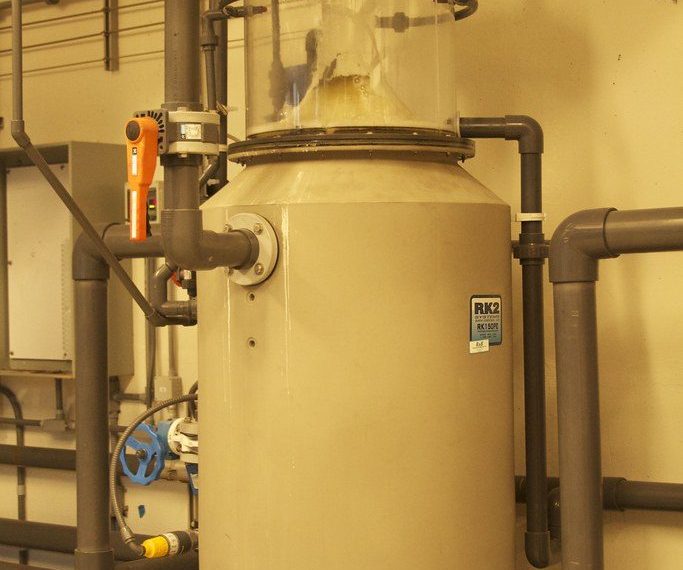
Reef Tank Filtration Options
Learn the best reef tank filtration options, how each method works, and how to build a stable system…
 By
By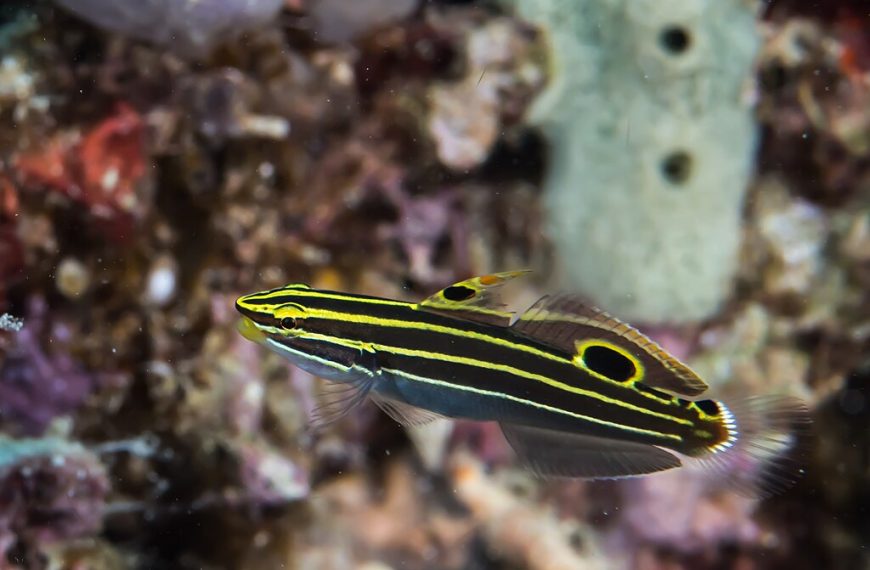
Hectors Goby (Koumansetta Hectori)
Hector’s goby is a peaceful, reef-safe sand sifter that thrives in mature tanks with fine sand, stable water,…