

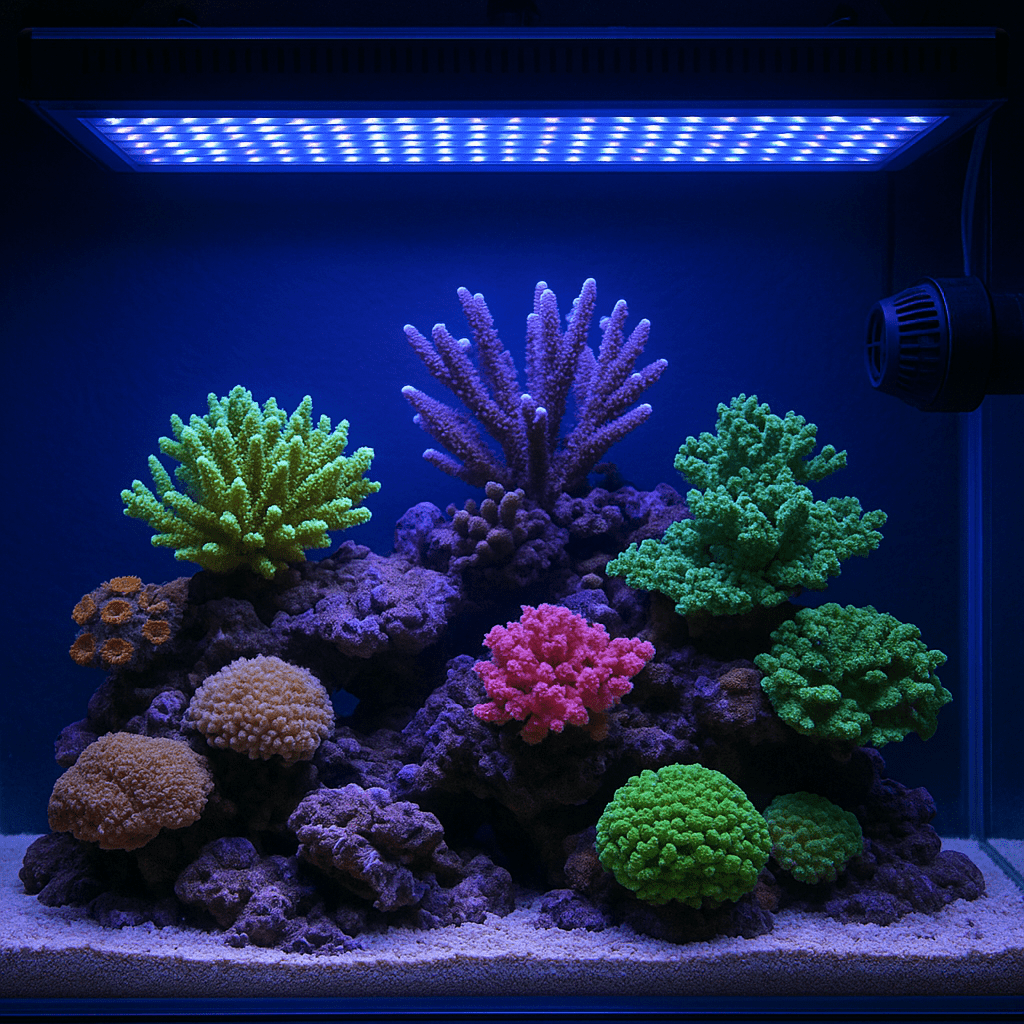
Healthy corals need stable water, proper light, steady flow, and consistent feeding. The best coral care tips focus on stability first, then matching each coral to the right placement, nutrients, and maintenance routine.
Many reef keepers lose corals from small mistakes, not major disasters. Light changes happen too fast. Flow is too direct. Alkalinity swings after missed dosing. Fish nip without notice. This guide explains the core coral care tips that matter most in real tanks. You will learn how to choose placement, maintain water chemistry, feed corals, prevent common problems, and build habits that keep soft corals, LPS, and SPS growing well over time.
Quick Reference Table
| Category | Best Practice |
|---|---|
| Temperature | Keep 76–79°F and avoid daily swings |
| Salinity | Maintain 1.025–1.026 specific gravity |
| Alkalinity | Target stable levels, usually 8–9 dKH |
| Calcium | Keep around 400–450 ppm |
| Magnesium | Keep around 1250–1400 ppm |
| Nitrate | Low but measurable is ideal for many corals |
| Phosphate | Keep low but not zero |
| Lighting | Match PAR and spectrum to coral type |
| Flow | Provide random, indirect water movement |
| Feeding | Target feed when needed and maintain nutrients |
Use this table as a starting point. Exact targets can vary by system. Stability matters more than chasing perfect numbers.
Why Coral Stability Matters More Than Perfection
Beginners often chase exact numbers. That usually causes more harm than good. Corals adapt well to stable conditions. They react badly to constant correction. A tank with 8.3 dKH every day is safer than a tank swinging between 7.5 and 9.5. The same rule applies to salinity, temperature, nitrate, and phosphate.
Test regularly and make small changes. Avoid large water chemistry corrections in one day. Top off evaporated water with fresh RODI water. Calibrate refractometers often. Clean dosing lines before they clog. Watch your tank at the same time each day. Corals often show stress early. Polyps stay closed. Tissue looks dull. Color shifts fast. These signs matter before test kits confirm a problem.
If you want a stronger foundation, review reef tank parameters and compare your current routine to proven ranges.
Natural Habitat and What It Teaches Reef Keepers
Most reef corals come from shallow tropical seas. These reefs have stable salinity, oxygen-rich water, and constant movement from waves and tides. Light is intense in shallow areas. Nutrients are present, but not excessive. Corals also live with fish, invertebrates, plankton, and bacteria in a balanced ecosystem.
This matters in the home aquarium. Corals do not thrive in stale water. They do not like sudden light jumps. They do not benefit from dirty substrate and neglected filtration. Reef tanks work best when they mimic natural consistency. Random flow, strong gas exchange, stable alkalinity, and moderate nutrients all reflect reef conditions in nature.
Natural habitat also explains why different corals need different placement. Mushrooms often prefer lower light. Many acropora demand stronger light and flow. Euphyllia like movement, but not direct blasting. Learning where a coral lives in nature helps you place it correctly in the aquarium.
Aquarium Setup for Long-Term Coral Success
Coral care starts with the whole system. Tank size matters because bigger tanks resist fast swings. Small tanks can grow coral well, but they need tighter maintenance. Use quality live rock or well-seeded dry rock. Build an aquascape with shelves, ledges, and open flow paths. Leave room for future growth. Corals always get larger than expected.
Use strong biological filtration and efficient export. A protein skimmer helps oxygenation and waste removal. Filter socks or roller mats catch debris. Activated carbon improves water clarity. Phosphate media can help, but use it carefully. Stripping nutrients too fast can shock corals.
Choose reliable equipment. Heaters need controllers or at least regular checks. Return pumps should be easy to clean. Powerheads should create broad movement, not narrow jets. Auto top-off systems help keep salinity stable. If you are still refining your system, read reef tank setup guide for a full equipment framework.
Lighting Requirements for Soft Corals, LPS, and SPS
Light drives coral energy through zooxanthellae. That does not mean more light is always better. Too much light can bleach tissue. Too little light can slow growth and reduce color. Match the coral to the PAR zone in your tank. Soft corals and many mushrooms usually prefer lower to moderate PAR. Many LPS corals prefer moderate PAR. Most SPS corals need moderate to high PAR.
Acclimate corals to new lights slowly. Reduce intensity or use a light acclimation mode. Raise the fixture if needed. Corals shipped in dim conditions can bleach under strong LEDs in one day. Watch tissue color and polyp extension over two weeks, not two hours.
Blue-heavy reef spectrum is common because it supports photosynthesis and makes coral fluorescence pop. Still, spectrum cannot fix poor placement or unstable chemistry. For a deeper breakdown, see reef tank lighting guide before making major changes.
Water Flow: The Missing Piece in Many Coral Tanks
Flow brings oxygen, removes waste, and delivers food. Corals need movement around their tissue at all times. Dead spots collect detritus and fuel algae. Direct blasting can tear flesh, especially on LPS corals. The goal is random, varied flow that reaches every area without creating sandstorms.
Soft corals often like moderate, swaying flow. LPS usually prefer moderate, indirect movement. SPS often need stronger, chaotic flow. Use multiple pumps if possible. Alternate direction through pulse or random modes. Watch how coral tissue moves. Gentle, repeated motion is good. Tissue folding hard against skeleton is not.
Flow changes as colonies grow. A tank that worked six months ago may now have blocked channels and debris pockets. Reassess pump placement often. Clean pumps monthly. Dirty pumps lose output and create hidden problems that look like chemistry issues.
Feeding Corals Without Polluting the Tank
Many corals get much of their energy from light. Many also benefit from feeding. LPS corals often respond well to meaty foods like mysis, reef roids, or small pellet foods. Soft corals may absorb dissolved nutrients and suspended particles. SPS corals benefit from stable nutrients and fine particulate foods, though overfeeding can easily backfire.
Feed small amounts. Turn off return flow briefly if target feeding. Avoid dumping heavy coral foods into a low-export system. Test nitrate and phosphate weekly after changing feeding routines. Corals need nutrients, but excess food feeds algae and cyanobacteria too.
Fish feeding also supports coral health. Fish waste contributes usable nutrients in balanced systems. Tanks with very low fish load sometimes struggle with pale corals and slow growth. If nutrients stay unreadable, increase feeding slowly rather than making sudden chemical corrections.
Compatibility With Fish, Corals, and Invertebrates
Not every reef-safe animal is truly coral-safe. Some angelfish nip polyps. Certain butterflyfish are obvious risks. Even clownfish can irritate fleshy corals by hosting in them. Emerald crabs, peppermint shrimp, and some hermits may bother damaged tissue when hungry.
Coral-to-coral aggression is also common. Euphyllia, galaxea, favia, and many chalices can send out sweeper tentacles at night. Chemical warfare happens too. Soft corals, especially leathers, can release compounds that irritate stony corals. Use carbon and give colonies space. Do not pack frags too closely just because the tank looks empty today.
Research every new addition. Observe after lights out with a flashlight. That is when many problems appear. If you are planning a mixed reef, review reef safe fish guide before adding fish that may become coral pests.
Step-by-Step Coral Care Routine
Follow a simple routine to prevent most coral losses.
- Check temperature, equipment, and coral polyp extension daily.
- Top off evaporation with RODI water.
- Feed fish consistently and corals when appropriate.
- Test alkalinity two to four times weekly in growing reefs.
- Test calcium, magnesium, nitrate, and phosphate weekly.
- Clean glass and inspect for pests during maintenance.
- Change or rinse mechanical filtration often.
- Perform regular water changes based on system demand.
- Adjust dosing slowly, never in large jumps.
- Photograph corals monthly to track color and growth.
This routine builds consistency. Consistency is the real secret behind coral growth.
Propagation and Fragging
When to Frag a Coral
Frag healthy, established colonies only. Do not frag stressed corals. Wait until the coral shows strong extension, color, and growth. Fragging a weak coral often turns a small issue into a total loss.
How to Frag Safely
Use clean tools. Bone cutters work for many branching corals. Scalpel blades help with soft corals. Wear gloves and eye protection. Some corals release irritants, and palythoas can be dangerous. Dip frags if appropriate, mount them securely, and place them in lower-stress conditions while they heal.
Aftercare for New Frags
New frags need stable parameters and moderate placement. Avoid blasting them with high light immediately. Watch for tissue recession around the cut site. Good flow helps healing, but direct force can slow it.
Common Problems
Why Is My Coral Not Opening?
Closed corals often mean stress. Check salinity first. Then check alkalinity, temperature, and recent changes. New flow patterns, fish nipping, coral warfare, and dipping stress can all cause retraction. Give the coral time if conditions are stable.
Why Is My Coral Turning Brown?
Brown corals often indicate excess nutrients or insufficient light. Test nitrate and phosphate. Clean pumps and lenses. Review PAR if the coral was moved lower. Some corals brown temporarily after shipping and recover with time.
Why Is My Coral Bleaching?
Bleaching usually follows light shock, heat stress, or chemistry swings. Reduce light intensity if a recent change occurred. Confirm temperature stability over a full day. Check alkalinity history, not just today’s reading. Corals often bleach after rapid dosing corrections.
Why Is Tissue Receding From the Skeleton?
Tissue recession can come from low flow, excessive flow, pests, unstable alkalinity, or bacterial stress. Inspect for brown jelly on LPS. Remove dying tissue if needed. Improve flow around the colony and stabilize chemistry fast, but gently.
Why Is Algae Growing on My Coral?
Algae on coral usually means the coral is already weakened. Detritus, low flow, and excess nutrients often contribute. Gently clean the area, improve circulation, and address the root cause. Healthy tissue usually resists algae better than damaged tissue.
Frequently Asked Questions
What is the most important coral care tip for beginners?
Keep parameters stable. Most beginner coral losses come from swings, not slightly imperfect numbers.
How often should I test reef water for corals?
Test alkalinity several times weekly in growing tanks. Test calcium, magnesium, nitrate, and phosphate weekly.
Do all corals need feeding?
No. Many rely heavily on light. Still, many corals benefit from occasional feeding and balanced nutrients.
Can I keep soft corals, LPS, and SPS together?
Yes, but placement matters. Manage flow, light, spacing, and chemical warfare carefully in mixed reefs.
How long does it take corals to adjust to a new tank?
Many corals need one to three weeks to settle. Avoid constant moving during that period.
Great coral care comes from observation and patience. Start with stable water. Match light and flow to the species. Feed carefully. Leave room for growth. Fix problems slowly and logically. Corals reward consistency more than quick fixes, and that mindset is what turns a reef tank into a thriving reef.
Was this helpful?
Related Posts
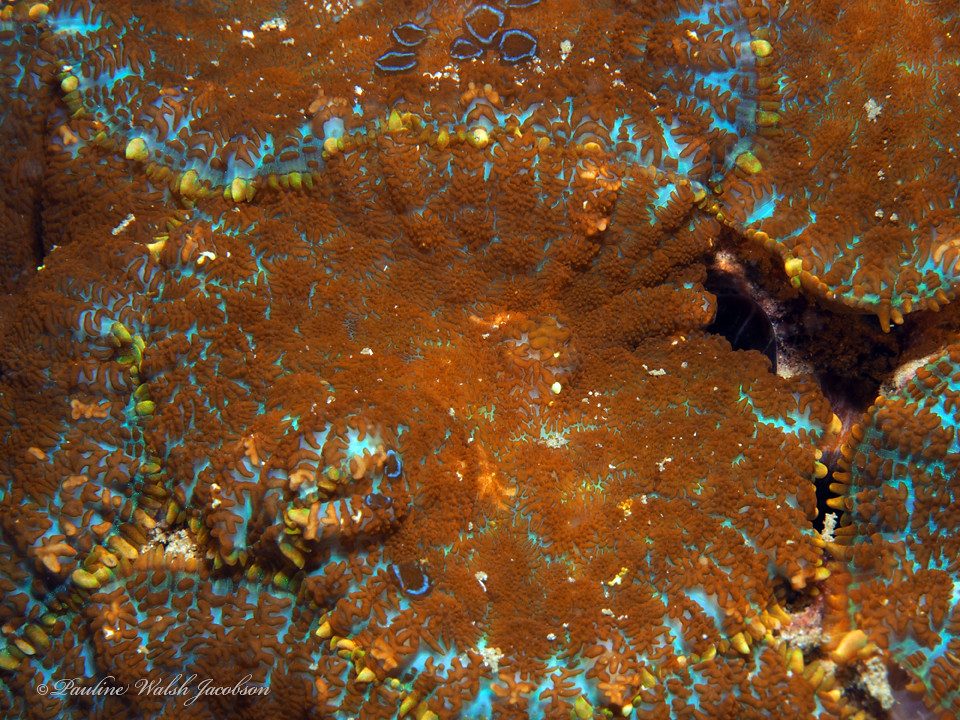
Rhodactis Mushrooms Care
Rhodactis mushrooms are hardy reef corals that prefer low to moderate light, gentle flow, and stable water. Learn…
 By
By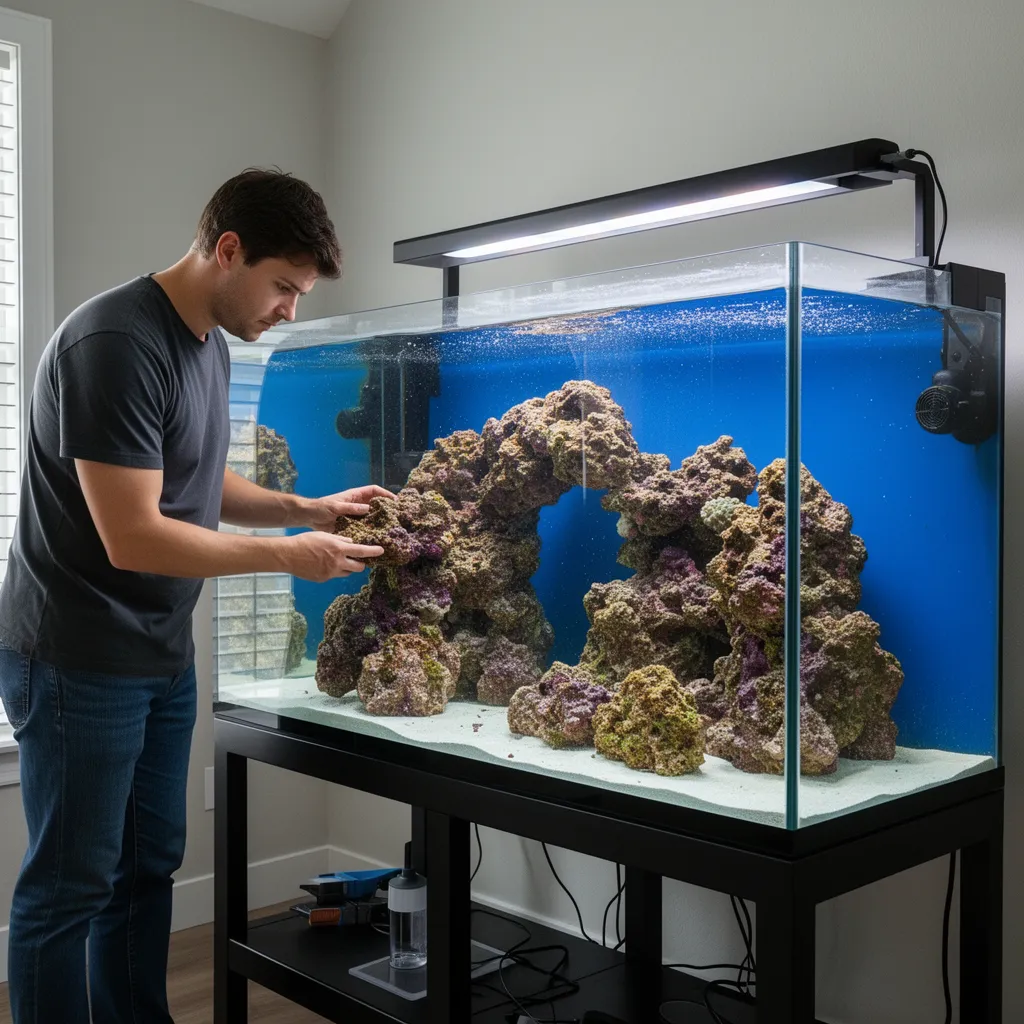
Setting Up A Reef Tank
Setting up a reef tank is easier when you focus on stability, smart equipment, and slow stocking. This…
[favorite_button]
My Bookmarks:
To see full list click here
[user_favorites user_id="" include_links="true" site_id="" post_types="" include_thumbnails="true" thumbnail_size="thumbnail" include_excerpt="false"]