


Cycling a saltwater tank builds the bacteria that process toxic waste. A proper cycle protects fish and corals from ammonia and nitrite spikes. Most tanks need several weeks to mature. Testing often, adding an ammonia source, and waiting for stable results are the keys to success.
Many new reef keepers rush this stage. That mistake causes early losses and long-term frustration. The nitrogen cycle is not complicated, but it does require patience. In this guide, you will learn what cycling means, how to start a marine tank safely, which methods work best, what test results to expect, and how to know when your aquarium is truly ready for livestock.
Quick Reference Table
| Topic | Best Practice |
|---|---|
| Cycle length | Usually 2 to 6 weeks |
| Ammonia source | Pure ammonium chloride or fish food |
| Bacteria starter | Optional, but often speeds the process |
| Target ammonia dose | About 1 to 2 ppm |
| When nitrite appears | After ammonia begins dropping |
| When tank is cycled | Ammonia and nitrite both reach zero within 24 hours of dosing |
| Nitrate after cycle | Usually present and removed with a water change |
| Lights during cycle | Usually off or reduced to limit nuisance algae |
| Safe first livestock | Clean-up crew first, then hardy fish after confirmation |
What Cycling a Saltwater Tank Means
Cycling a saltwater tank means establishing beneficial bacteria in your aquarium. These bacteria live on rock, sand, glass, and filter media. They convert toxic waste into less harmful compounds. Fish waste, decaying food, and dying organic matter all produce ammonia. Ammonia is highly toxic. Even small amounts can stress or kill marine animals.
The first bacterial group converts ammonia into nitrite. Nitrite is also dangerous. A second group then converts nitrite into nitrate. Nitrate is less toxic, but it still must be managed. Water changes, macroalgae, and nutrient export help control it later.
In reef tanks, stability matters more than speed. A rushed cycle often creates weak biological filtration. A proper cycle gives your tank a strong foundation. That foundation supports fish, corals, and invertebrates over the long term. Think of cycling as building your reef’s immune system. If you do it right, many future problems become easier to avoid.
What You Need Before You Start
Set up the full aquarium before cycling begins. Install the tank, stand, heater, return pump, powerheads, and filtration. Mix saltwater with RO/DI water if possible. Aim for a salinity of 1.025 to 1.026. Keep temperature stable between 76 and 78 degrees Fahrenheit.
Add your rock and sand before the cycle starts. Dry rock is common today. It is clean, pest-free, and easy to shape. Live rock can speed the process. It may also bring hitchhikers. Both options can work well. If you use dry rock, expect a more sterile start. That often means a slower maturing phase after the initial cycle.
You also need reliable test kits. At minimum, test ammonia, nitrite, nitrate, pH, and salinity. A bottle of nitrifying bacteria can help. An ammonia source is essential. Pure ammonium chloride is the easiest option. Fish food works too, but it is less precise. Avoid cycling with live fish. It is outdated and unnecessarily stressful.
Step-by-Step: How to Cycle a Saltwater Tank
Step 1 is filling and running the system. Add mixed saltwater and start all equipment. Make sure temperature and salinity stay stable for at least a day. Check for leaks. Confirm good water movement.
Step 2 is adding rock, sand, and bacteria. Place your aquascape securely. Add sand if you plan to use it. Then dose a bottled bacteria product if desired. Follow the label directions. More is not always better.
Step 3 is feeding the cycle. Add an ammonia source. If using ammonium chloride, dose to about 1 to 2 ppm. This gives bacteria enough food without overwhelming the system. If using fish food, add a small pinch every day or two. Remove excess if it rots heavily.
Step 4 is testing every few days. Ammonia will rise first. Then it should begin to fall. Nitrite will usually rise next. Later, nitrite drops and nitrate appears. Record your results. Trends matter more than one single test.
Step 5 is confirming completion. Redose ammonia to around 1 ppm. If your tank processes it to zero ammonia and zero nitrite within 24 hours, the cycle is established. Then perform a large water change to reduce nitrate. At that point, the tank is ready for a slow and careful stocking plan.
How Long Does a Saltwater Tank Cycle Take?
Most saltwater tanks cycle in 2 to 6 weeks. Some finish faster with live rock and bottled bacteria. Others take longer with dry rock, cooler temperatures, or weak ammonia input. There is no prize for finishing first. The goal is a stable tank, not a fast one.
Many hobbyists become confused by nitrite. In marine systems, nitrite can behave differently than in freshwater. Some test kits also read strangely at high levels. Do not chase every number with random additives. Focus on the overall pattern. Ammonia should be processed consistently. Nitrite should trend down. Nitrate should appear.
Even after the cycle ends, a reef tank is still immature. That matters. New tanks often go through ugly stages. Diatoms, film algae, and even cyanobacteria can appear. This is normal. The biological filter may be ready for light stocking, but the tank still needs time to mature. Add livestock slowly. Let the ecosystem catch up between additions.
Best Cycling Methods for Beginners
The easiest method is fishless cycling with bottled bacteria and pure ammonia. It is clean, predictable, and humane. You know exactly how much ammonia enters the system. You can test progress with confidence. This method is ideal for most new reef keepers.
A second method uses live rock or seeded media from a healthy established tank. This can work very well. It often shortens the cycle. It also introduces a wider range of microbes. The downside is possible pests. Aiptasia, nuisance algae, flatworms, and unwanted hitchhikers can come along.
The fish food method is cheap and simple. It works by letting food decay into ammonia. The problem is inconsistency. Different foods break down at different rates. This can create messy spikes and cloudy water. If you use this method, go lightly. Too much food can foul the tank.
For most hobbyists, the best balance is dry rock, a trusted bacteria product, and measured ammonia dosing. It gives control without exposing animals to toxins. It also helps you learn the testing process early.
Aquarium Setup Tips That Help the Cycle
Strong water movement helps bacteria colonize surfaces evenly. Use powerheads and return flow to eliminate dead spots. Keep the heater stable. Temperature swings can slow bacterial activity. Maintain normal reef salinity during the cycle. Do not cycle at low salinity unless you plan a fish-only quarantine setup.
Protein skimmers can run during the cycle, but they are not required. Some hobbyists leave them on for oxygenation. Others turn them off briefly after dosing bacteria. Either approach can work. Mechanical filtration is fine, but clean filter socks often. Rotting debris can create confusing test results.
Leave lights off or run a short schedule. Bright lights encourage nuisance algae before the tank is ready. If you are curing dry rock at the same time, low light is usually best. If you are using live rock with photosynthetic hitchhikers, a reduced schedule may be safer.
A secure aquascape matters from day one. Do not stack rock loosely and plan to fix it later. Build the structure first. Then cycle the tank around that final layout. This avoids collapses and prevents disruption once livestock is added.
Common Problems
Ammonia Will Not Drop
If ammonia stays high for many days, the tank may lack enough bacteria. Check temperature and salinity first. Very low temperatures slow the cycle. Incorrect salinity can also stress bacteria. Add a reputable bacteria product and wait. Make sure you did not overdose ammonia. Extremely high ammonia can stall progress.
Nitrite Stays High for Too Long
This is common in new marine tanks. Keep testing, but do not panic. Some nitrite kits read high for longer than expected. If ammonia is being processed reliably, the tank is often moving in the right direction. Give it more time. Avoid adding more ammonia every day while nitrite remains elevated.
The Tank Looks Cloudy
Cloudy water usually comes from a bacterial bloom or disturbed sand. Reduce feeding or ammonia input. Check mechanical filtration. Improve flow if needed. Most blooms clear on their own. If the smell is foul, remove decaying organics and test again.
Diatoms and Brown Algae Appear
This often happens near the end of the cycle. It is normal in young tanks. Silicates, new sand, and fresh rock can fuel it. Keep nutrients reasonable and avoid overreacting. A clean-up crew can help once the cycle is complete.
pH Seems Low During the Cycle
Bacterial activity can lower pH slightly. Focus on gas exchange and alkalinity. Open windows if indoor air is stale. Increase surface agitation. Do not dump in random buffers without testing alkalinity first. Stability matters more than chasing a perfect number.
What to Do After the Cycle Finishes
Once your tank processes ammonia and nitrite within 24 hours, do a large water change. This reduces nitrate and removes dissolved waste. Recheck salinity and temperature after the change. Then begin stocking slowly. Start with a small clean-up crew if parameters are stable. Add hardy fish one at a time.
Do not add a full fish list at once. The bacterial colony grows with the bioload. If you add too many animals too soon, ammonia can return. Feed lightly at first. Test often during the first few weeks after stocking. This stage is still part of the tank’s biological development.
Corals should also wait until the tank shows basic stability. Many soft corals can tolerate newer systems better than sensitive SPS corals. If you plan a reef tank, keep nutrients measurable but controlled. Avoid making many changes at once. Slow progress is usually the safest path in saltwater aquariums.
Frequently Asked Questions
Can you cycle a saltwater tank with fish?
You can, but you should not. Fish are exposed to toxic ammonia and nitrite. Fishless cycling is safer and more humane. It also gives better control over the process.
Do I need live rock to cycle a reef tank?
No. Dry rock works well. It may take longer to mature, but it can still cycle successfully. Bottled bacteria often help speed up the initial process.
Should I do water changes during the cycle?
Usually not, unless ammonia becomes excessively high or something decays badly. Most hobbyists wait until the cycle is complete. Then they do a large water change before adding livestock.
When can I add my first fish?
Add the first fish only after ammonia and nitrite both test zero consistently. The tank should also process a test ammonia dose within 24 hours. Start with one hardy fish, not several.
Why does my tank still look ugly after cycling?
Because cycling and maturing are not the same thing. New tanks often go through algae phases. With stable care, these stages usually improve over time.
Final Tips for a Smooth Reef Tank Start
The best way to cycle a saltwater tank is to keep things simple. Use quality saltwater, stable temperature, measured ammonia, and reliable test kits. Be patient with the timeline. Resist the urge to add fish early. A slow start saves money and prevents losses.
If you want to keep learning, read our guides on how to mix saltwater for a reef tank, reef tank water parameters, best clean up crew for a reef tank, and how to quarantine saltwater fish. These topics build on the cycling process and help you avoid common beginner mistakes.
Was this helpful?
Related Posts
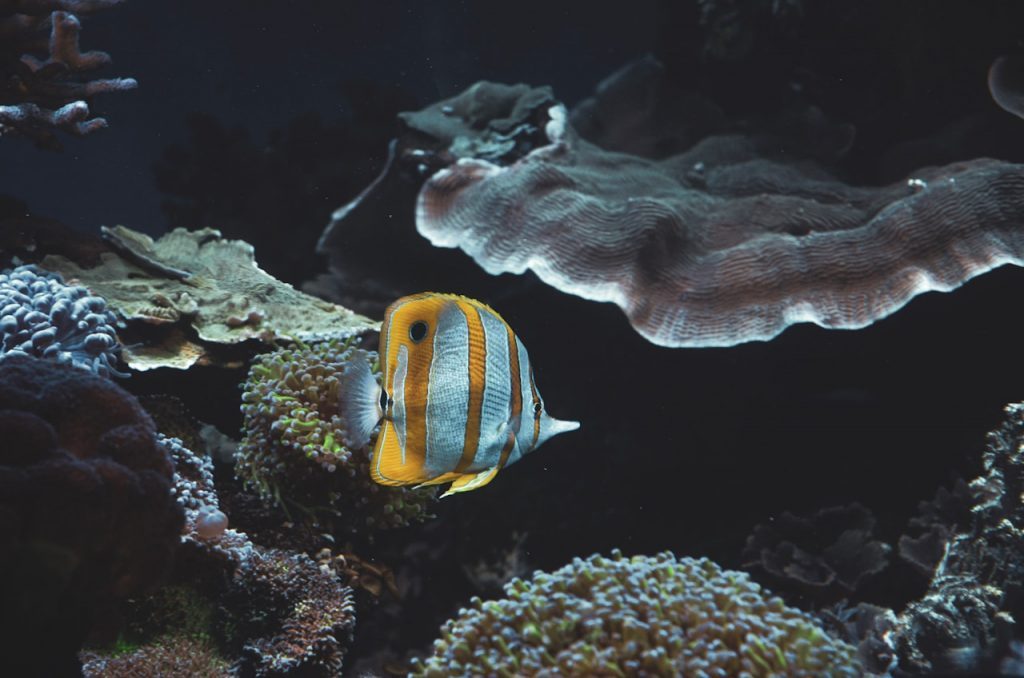
Butterflyfish Care in Marine Aquariums
Practical butterflyfish care for marine aquariums, including tank size, feeding steps, and quarantine tips for healthy long-term success.
 By
By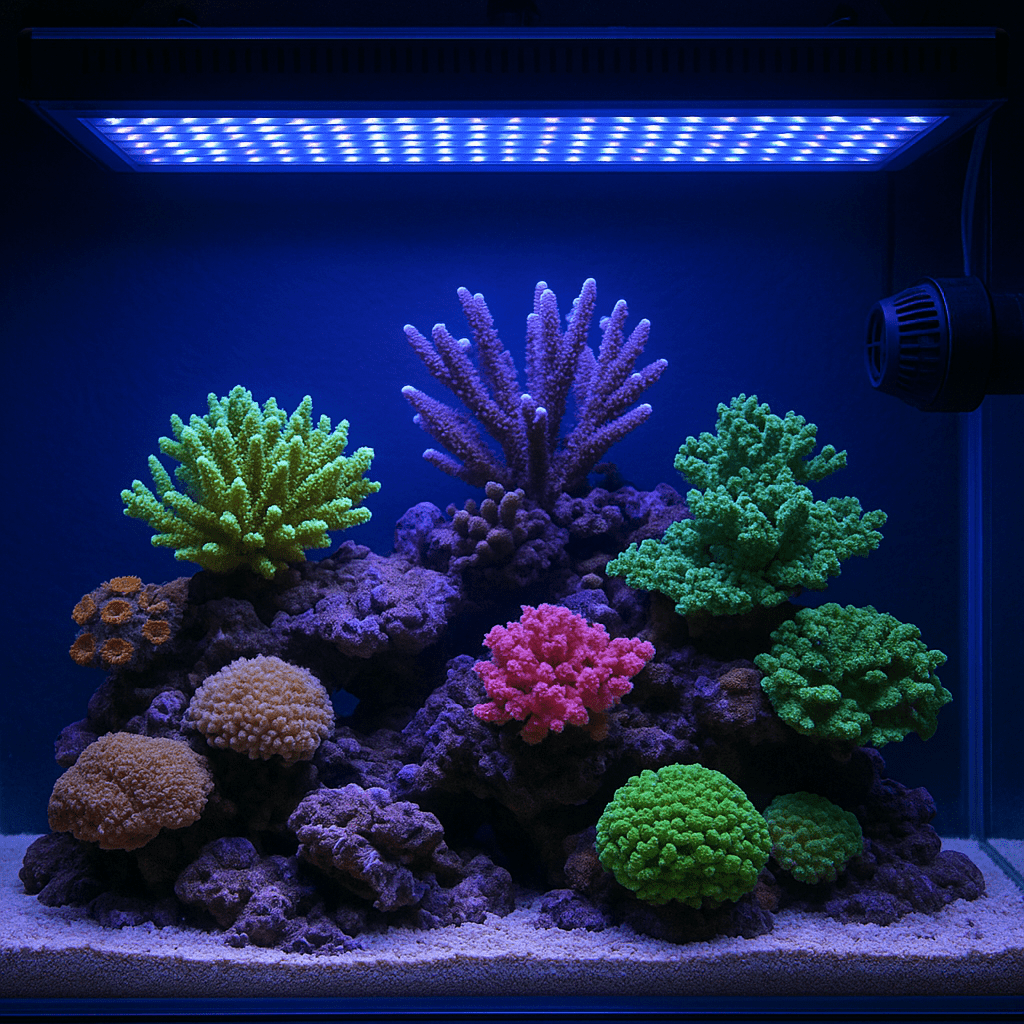
Reef Tank Plumbing Basics
Learn reef tank plumbing basics, including drains, return pumps, sump flow, noise control, and flood prevention for a…
[favorite_button]
My Bookmarks:
To see full list click here
[user_favorites user_id="" include_links="true" site_id="" post_types="" include_thumbnails="true" thumbnail_size="thumbnail" include_excerpt="false"]