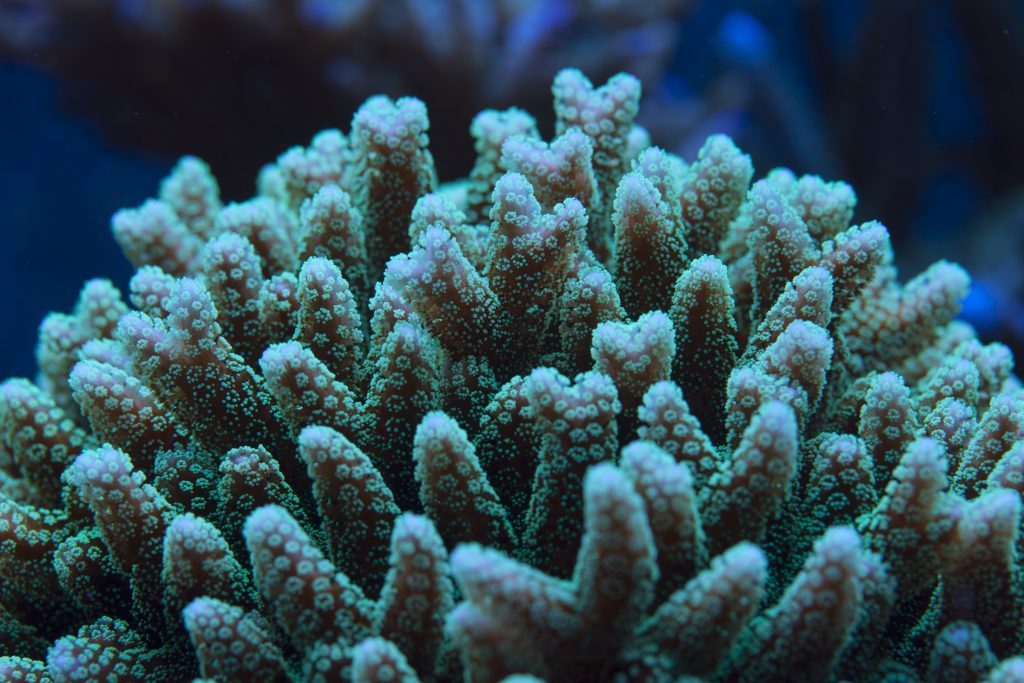
Many reefers call them birdsnest corals. Seriatopora corals are fast-growing SPS with thin, brittle branches. They reward stable water, strong light, and steady flow.
Understanding Seriatopora needs
Seriatopora prefers stable reef parameters over “perfect” numbers. Aim for 25–26°C (77–79°F) and salinity at 1.025–1.026. Keep pH between 8.1 and 8.4. Avoid daily swings, since thin tissue reacts fast.
Keep alkalinity steady at 8–9 dKH for most mixed reefs. Hold calcium at 420–460 ppm and magnesium at 1280–1400 ppm. Nitrate should stay 2–10 ppm. Phosphate should stay 0.03–0.10 ppm. Ultra-low nutrients can pale the coral.
Lighting should be moderate to high. Target 200–350 PAR at the coral. Start lower if it is freshly shipped. Increase PAR over 10–14 days. Place it mid to upper rockwork in most tanks.
Flow should be strong and chaotic. Aim for 20–40x total turnover each hour. Avoid a direct jet at the branches. Direct flow can strip tissue at the base. Random flow keeps detritus from settling between branches.
- Test alkalinity at least 3 times weekly in new SPS tanks.
- Use a refractometer and calibrate with 35 ppt solution.
- Run carbon if water looks yellow, but change it monthly.
Placement, acclimation, and feeding
Acclimate Seriatopora to light first. Use a lower rack or reduce LED intensity by 20–30%. Raise it or ramp intensity every few days. Watch for bleaching on branch tips. That often means too much light, too soon.
Dip new frags to reduce pests and bacterial load. Use a coral dip for 5–10 minutes, per label. Rinse in clean saltwater before placing. Inspect for flatworms, nudis, and eggs. Quarantine helps, even for “easy” SPS.
Seriatopora gets most energy from light, but feeding helps growth. Feed 2–3 times weekly at night. Use fine foods like reef roids, powdered plankton, or rotifers. Turn off return pumps for 10 minutes. Keep powerheads on low for gentle suspension.
Give it room from stinging neighbors. Keep 5–8 cm (2–3 inches) from LPS and aggressive soft corals. Birdsnest can be shaded by fast encrusters. Trim nearby montipora if it starts to overtake. For more SPS planning, see SPS coral basics.
- Start frags on a plug, then epoxy to rock after two weeks.
- Keep the base clean to prevent detritus and algae buildup.
- Use a PAR meter if you change lights or mounting height.
Troubleshooting common Seriatopora problems
Tip burn is a common issue in new SPS systems. It often points to alkalinity spikes. A jump of 1–2 dKH in one day can trigger it. Reduce dosing and test daily for a week. Match dosing to real consumption.
Tissue recession at the base often follows poor flow or detritus buildup. Increase random flow around the colony. Siphon detritus during water changes. Check for shading from above. Move the coral up if the base stays dark.
Brown color usually means high nutrients or low light. Check nitrate and phosphate first. If nitrate is over 20 ppm, improve export. Increase skimming and reduce heavy feeding. If nutrients are fine, raise PAR by 10–15% slowly.
Rapid tissue loss can happen after shipping stress or pest damage. Frag healthy tips right away. Mount them in high flow and stable light. Run fresh carbon for 48 hours. Review stability with reef tank parameter checklist. Consider a dedicated coral quarantine setup for future additions.
- Keep alkalinity changes under 0.3 dKH per day.
- Do 10% weekly water changes in young SPS tanks.
- Clean pumps monthly to maintain strong, even flow.
Seriatopora corals thrive when your tank stays consistent. Give them strong, random flow and stable alkalinity. With careful acclimation and steady nutrients, they grow fast and look sharp.
Start with one hardy frag and track changes in a log. Adjust slowly and test often. Your birdsnest will tell you when the reef is stable.
Sources: Borneman, E. (2001) Aquarium Corals; Delbeek, J.C. & Sprung, J. (1994–2005) The Reef Aquarium series; Paletta, M. (2011) The New Marine Aquarium.
Was this helpful?
Related Posts
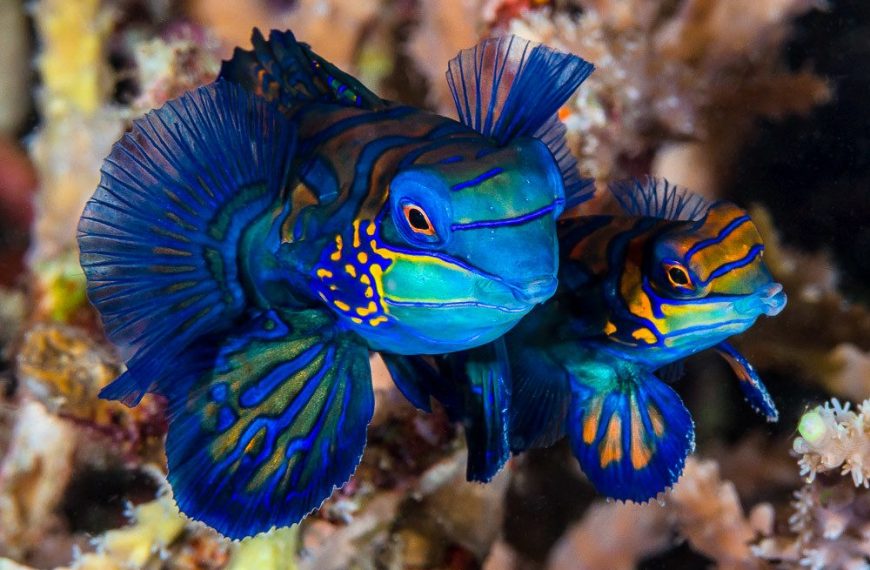
Dragonets Fish Care
Dragonets are beautiful reef fish, but they need mature tanks and steady food sources. Learn how to keep…
 By
By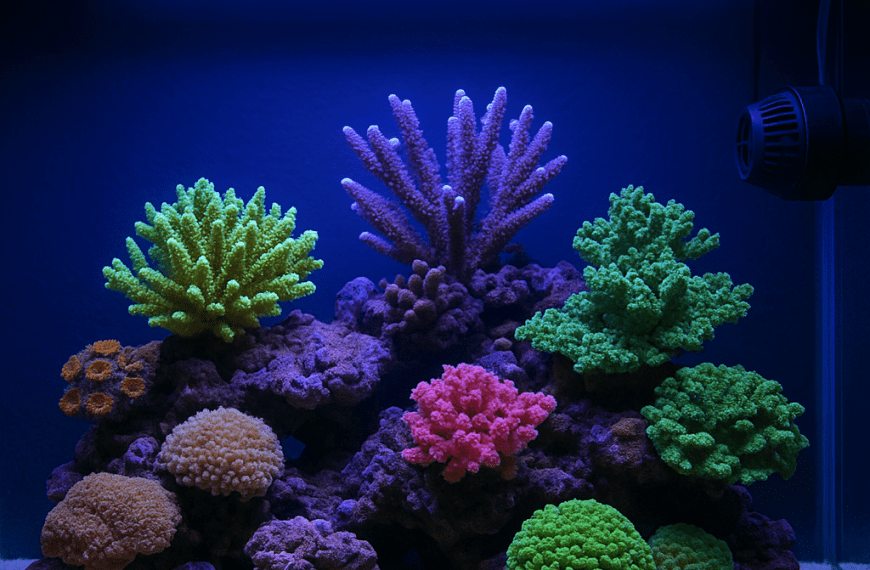
Lighting For Aquarium
Lighting for Aquarium: Getting Saltwater Illumination Right Lighting for a saltwater aquarium is about much more than simply…