

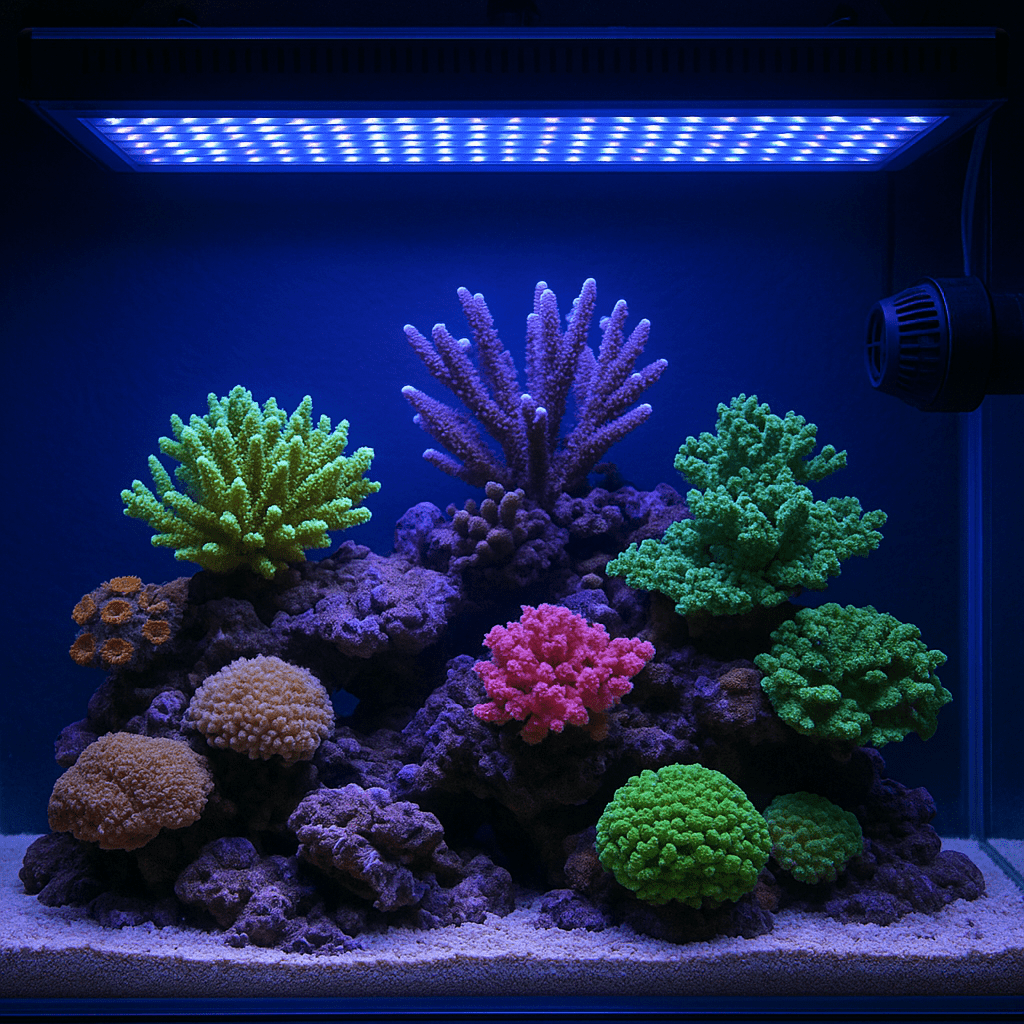
Live rock is the biological backbone of many reef aquariums. It adds filtration, habitat, and natural beauty. The main types of live rock differ in weight, shape, biodiversity, and how they affect your tank. Choosing the right kind helps you build a stable reef faster and with fewer surprises.
Many hobbyists hear the term live rock early in the reef journey. Yet the options can feel confusing. Some rock is ocean-cultured. Some is old reef rock that was dried and later seeded. Some is very porous and light. Other pieces are dense and heavy. In this guide, you will learn the main types of live rock, how each one works, and which option fits your reef goals. We will also cover curing, pest risks, aquascaping, and common mistakes beginners make.
Quick Reference Table
| Type of Live Rock | Main Benefits | Main Drawbacks | Best For |
|---|---|---|---|
| Wild live rock | High biodiversity, instant maturity | Higher pest risk, limited availability | Experienced reef keepers |
| Ocean-cultured live rock | Rich life, sustainable compared to wild harvest | Can include hitchhikers | Natural reef systems |
| Aquacultured dry rock seeded live | Cleaner start, easy to source | Slower biodiversity growth | Beginners and pest-conscious hobbyists |
| Marco-style porous rock | Lightweight, easy to aquascape | Starts biologically sterile | Custom aquascapes |
| Branch rock | Open structure, coral mounting options | Can be fragile | Minimalist reef designs |
| Boulder or shelf rock | Stable base, natural ledges | Heavy, can reduce flow if overused | LPS and mixed reefs |
What Live Rock Really Is
Live rock is not just a decorative stone. It is reef rock covered with beneficial bacteria and small organisms. These include copepods, worms, coralline algae, sponges, and other micro life. This living layer supports biological filtration. It helps process fish waste and leftover food.
Years ago, most live rock came directly from the ocean. That rock arrived packed with life. It also sometimes arrived with unwanted pests. Today, many hobbyists use dry rock and seed it over time. This gives more control. It also reduces the chance of nuisance hitchhikers. Both approaches can work well. The best choice depends on your budget, patience, and tolerance for surprises.
If you are still planning your system, read our guides on reef tank setup basics, live sand vs dry sand, and how to cycle a saltwater tank. Those topics connect closely with rock choice.
Main Types Of Live Rock
The term live rock covers several different products. Understanding the categories makes shopping much easier. It also helps you avoid paying premium prices for rock that does not fit your goals.
Wild Live Rock
Wild live rock comes from natural marine environments. It was once common in the hobby. It often carries exceptional biodiversity. You may see coralline algae, feather dusters, tiny brittle stars, and other life forms right away. This can make a new tank feel mature very quickly.
The downside is unpredictability. Wild rock may bring aiptasia, mantis shrimp, gorilla crabs, nuisance algae, or predatory worms. Availability is also more limited now due to regulations and sustainability concerns. If you buy this type, inspect every piece carefully. Cure it separately if possible. This option suits hobbyists who value biodiversity and can manage hitchhikers.
Ocean-Cultured Live Rock
Ocean-cultured live rock starts as dry base rock. It is then placed in the ocean and allowed to mature naturally. This method is popular in areas like Florida. It offers much of the same life found on wild rock. It is often considered a more sustainable choice.
This rock can be excellent for fast biological stability. It often cycles quickly. It also looks natural from day one. Still, it can carry pests. You should quarantine or cure it when possible. Many reef keepers use a mix of ocean-cultured rock and dry rock. That gives a balance of biodiversity and cost control.
Dry Rock Seeded Into Live Rock
This is now the most common option. The rock starts dry and biologically inactive. Over time, bacteria and microfauna colonize it. You can speed this process with bottled bacteria, established media, or a small piece of true live rock.
The big benefit is control. You start with fewer pests. Aquascaping is easier because the rock is clean and dry. You can drill, glue, and stack it without worrying about die-off. The tradeoff is patience. Dry rock systems often take longer to develop the rich biodiversity of mature live rock. Early ugly stages can also be more noticeable.
Porous Reef Rock
Highly porous rock is prized for its low weight and excellent surface area. More pores mean more space for bacteria. This helps biological filtration. Porous rock also tends to look more natural once coralline algae covers it.
Many modern aquascapes use porous rock because it is easy to shape into arches, islands, and open structures. Open designs improve water movement. They also leave room for coral growth. Not all porous rock is sold live, though. Many products are dry and need time to mature.
Branch Rock
Branch rock has long, finger-like shapes. It creates dramatic aquascapes with lots of vertical interest. Fish can swim through it easily. Corals can be mounted at different heights. This makes branch rock popular in SPS and minimalist reef tanks.
The downside is stability. Branch structures need secure placement. They can topple if stacked poorly. Use reef-safe mortar, epoxy, or acrylic rods when building with branch pieces. This rock works best when combined with a strong base structure.
Shelf Rock and Boulder Rock
Shelf rock creates flat ledges. These are ideal for placing LPS corals, zoanthids, and plating montipora. Boulder rock gives a solid, natural look. It works well as the foundation of an aquascape. Most reef tanks use some mix of both.
These shapes are practical, but they can block flow if overused. Avoid building a solid wall. Leave open channels behind and between rocks. This reduces detritus buildup. It also improves oxygen exchange and coral health.
Natural Habitat And Why It Matters
In nature, reef rock forms the physical base of coral reefs. It provides shelter for fish, anchoring points for corals, and surfaces for algae and invertebrates. Wave action, grazing animals, and microbial life all shape how reef rock functions. That natural complexity is why true live rock can be so effective in aquariums.
Understanding this helps you build better aquascapes. Reefs are not solid walls. They have caves, overhangs, channels, and open sand. Good rockwork should mimic that structure. When rock is too dense or packed too tightly, waste collects and flow drops. A more natural layout supports healthier fish behavior and stronger coral growth.
Aquarium Setup And Aquascaping Tips
Your choice of live rock should match your tank size and coral plans. Smaller tanks benefit from lighter, porous rock. It gives more filtration without taking up too much room. Larger tanks can support mixed rock shapes. Use boulders for bases, shelves for coral placement, and branch pieces for height.
Aim for an open layout. Leave space between the glass and the rock. This makes cleaning easier. It also improves circulation. Secure major structures before adding sand. Resting rock directly on glass or tank supports is often safer than placing it on shifting substrate. If you use dry rock, rinse dust thoroughly before setup. If you use fresh live rock, cure it if there is any smell or visible die-off.
Do not chase old rules about pounds per gallon. Rock density varies too much. Instead, focus on function, swim space, and flow.
How To Choose The Best Type Of Live Rock
Start with your priorities. If you want a cleaner start, choose dry rock and seed it slowly. If you want fast biodiversity, choose ocean-cultured rock or a small amount of premium live rock. If you want a modern aquascape, use porous shelf and branch pieces.
Also think about pests, budget, and patience. Dry rock is usually cheaper and easier to work with. True live rock often costs more but can shorten the biological startup period. Many successful tanks combine both. One common method uses mostly dry rock with a few pounds of high-quality live rock in the sump or display. This introduces beneficial life without filling the tank with unknown hitchhikers.
Step-By-Step: Adding Live Rock To A Reef Tank
First, inspect every piece. Look for dead matter, obvious pests, and loose debris. Second, rinse dry rock with saltwater or RO water if needed. Third, cure questionable live rock in a separate container with heat, flow, and a protein skimmer. Test ammonia during this stage.
Fourth, build the aquascape before filling the tank fully. Use epoxy or mortar for unstable structures. Fifth, seed the system with bacteria or established biomedia if using dry rock. Sixth, monitor ammonia, nitrite, and nitrate during the cycle. Finally, add livestock slowly. New rock systems need time to stabilize. This is especially true with dry rock tanks.
Compatibility With Fish, Corals, And Invertebrates
Live rock itself is reef safe when sourced properly. The real compatibility issue is what comes on it. Beneficial hitchhikers include pods, mini brittle stars, and filter feeders. Problem hitchhikers include aiptasia, nuisance crabs, vermetid snails, and predatory worms.
Rock shape also affects livestock choices. Open branch structures suit active swimmers and SPS corals. Shelf areas support LPS and soft coral placement. Caves help shy fish feel secure. If you keep sand-sifting species, avoid unstable overhangs. If you keep corals that need high flow, build elevated shelves and leave room around colonies for growth.
Common Problems
Why Is My Live Rock Turning Brown?
Brown film usually means diatoms. This is common in new tanks. Silicates and new surfaces fuel the bloom. It often fades on its own. Use RO/DI water, avoid overfeeding, and keep up with basic maintenance.
Why Does My Live Rock Smell Bad?
A strong rotten smell suggests die-off. This happens when live rock is shipped or stored poorly. Cure the rock in a separate container. Use heat, circulation, and water changes. Test ammonia until it drops.
Why Am I Getting Algae On New Dry Rock?
Dry rock tanks often go through ugly stages. Early bacterial imbalance is normal. Keep nutrients in range. Avoid overreacting with too many additives. Add a cleanup crew slowly. Time and stability matter most.
How Do I Remove Pests From Live Rock?
Manual removal works for some pests. Targeted treatments help with aiptasia and nuisance algae. Traps can catch crabs or mantis shrimp. Quarantine is the best prevention. Never rush new rock into a display tank if you see suspicious life.
Propagation And Fragging Considerations
Using Rock For Coral Placement
Different rock types affect how easy coral fragging becomes later. Shelf rock gives flat mounting zones. Branch rock offers elevated spots for SPS frags. Porous rock accepts glue well once biofilm develops.
Planning For Future Growth
Leave room between islands and shelves. Corals grow wider than many beginners expect. A tight rock pile becomes hard to frag and maintain. Smart spacing now saves major work later.
Frequently Asked Questions
What is the best type of live rock for beginners?
Seeded dry rock is usually best for beginners. It offers control and fewer pests. Add a small amount of trusted live rock if you want extra biodiversity.
How much live rock do I need?
There is no perfect pounds-per-gallon rule. Use enough rock for filtration, coral placement, and fish shelter. Keep the layout open and easy to clean.
Can dry rock become live rock?
Yes. Dry rock becomes live over time as bacteria and microfauna colonize it. Seeding with established media speeds the process.
Is live rock still necessary in a modern reef tank?
Some form of biologically active rock is still very useful. It provides filtration and habitat. Even dry rock systems depend on rock becoming live over time.
What type of live rock has the most biodiversity?
Ocean-cultured and true wild live rock usually have the most biodiversity. They also carry the highest hitchhiker risk.
Final Thoughts
The best live rock is the one that matches your reef plan. Beginners often do best with seeded dry rock. Natural reef lovers may prefer ocean-cultured pieces. Most successful tanks use a mix of shapes and sources. Focus on open aquascaping, stable biology, and patience. If you choose carefully, your rock will support your reef for years.
Was this helpful?
Related Posts
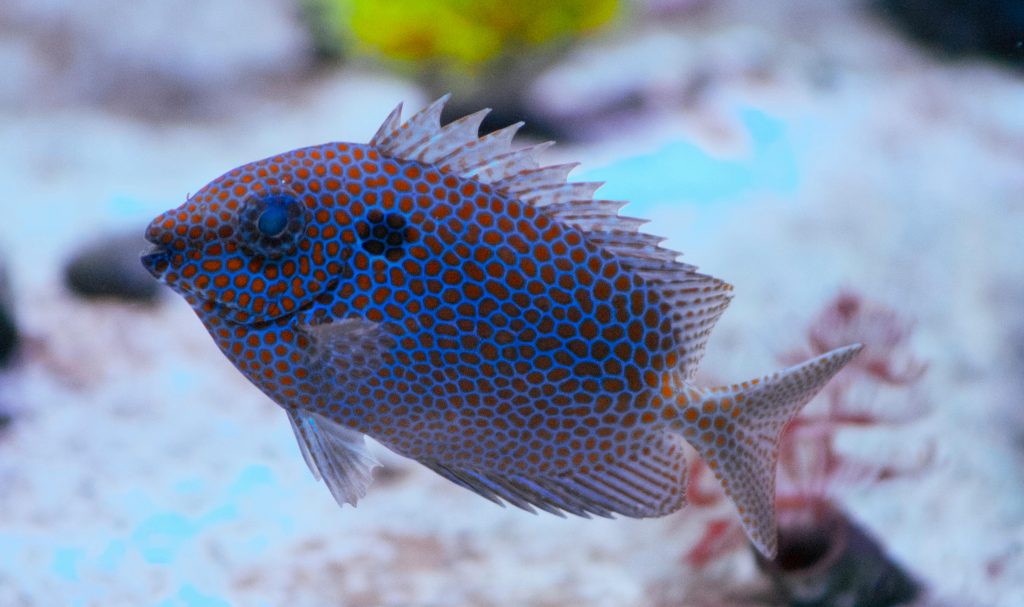
Gold Spotted Rabbitfish (Siganus Punctatus)
Gold Spotted Rabbitfish care includes large tanks, heavy algae feeding, and caution with corals. Learn tank size, diet,…
 By
By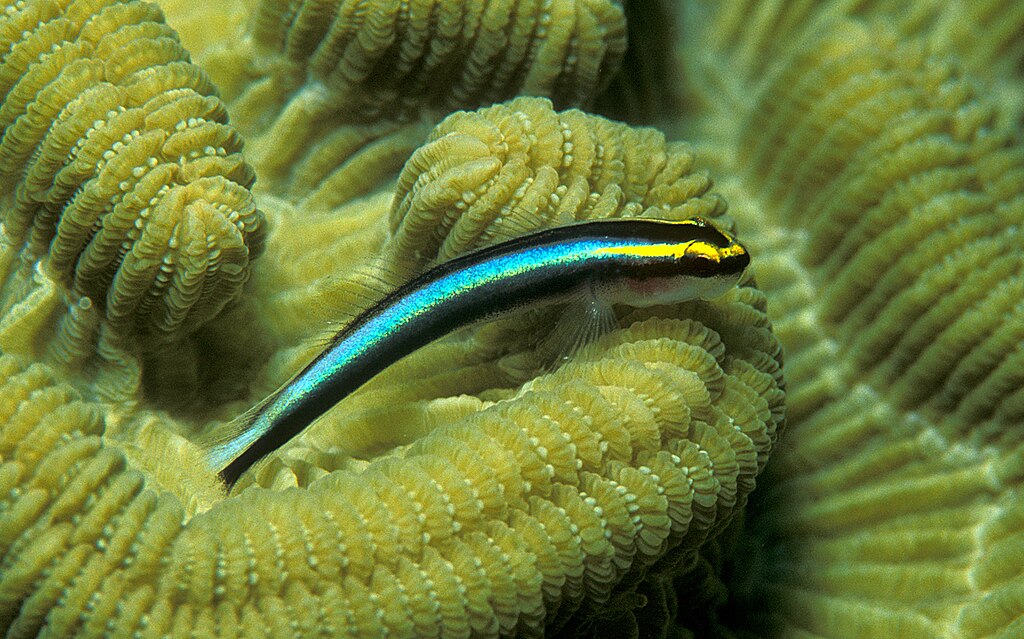
Sharknose Goby (Elacatinus evelynae)
Sharknose Goby care is simple in stable reef tanks. Learn feeding, tank setup, compatibility, and common problems for…
[favorite_button]
My Bookmarks:
To see full list click here
[user_favorites user_id="" include_links="true" site_id="" post_types="" include_thumbnails="true" thumbnail_size="thumbnail" include_excerpt="false"]