

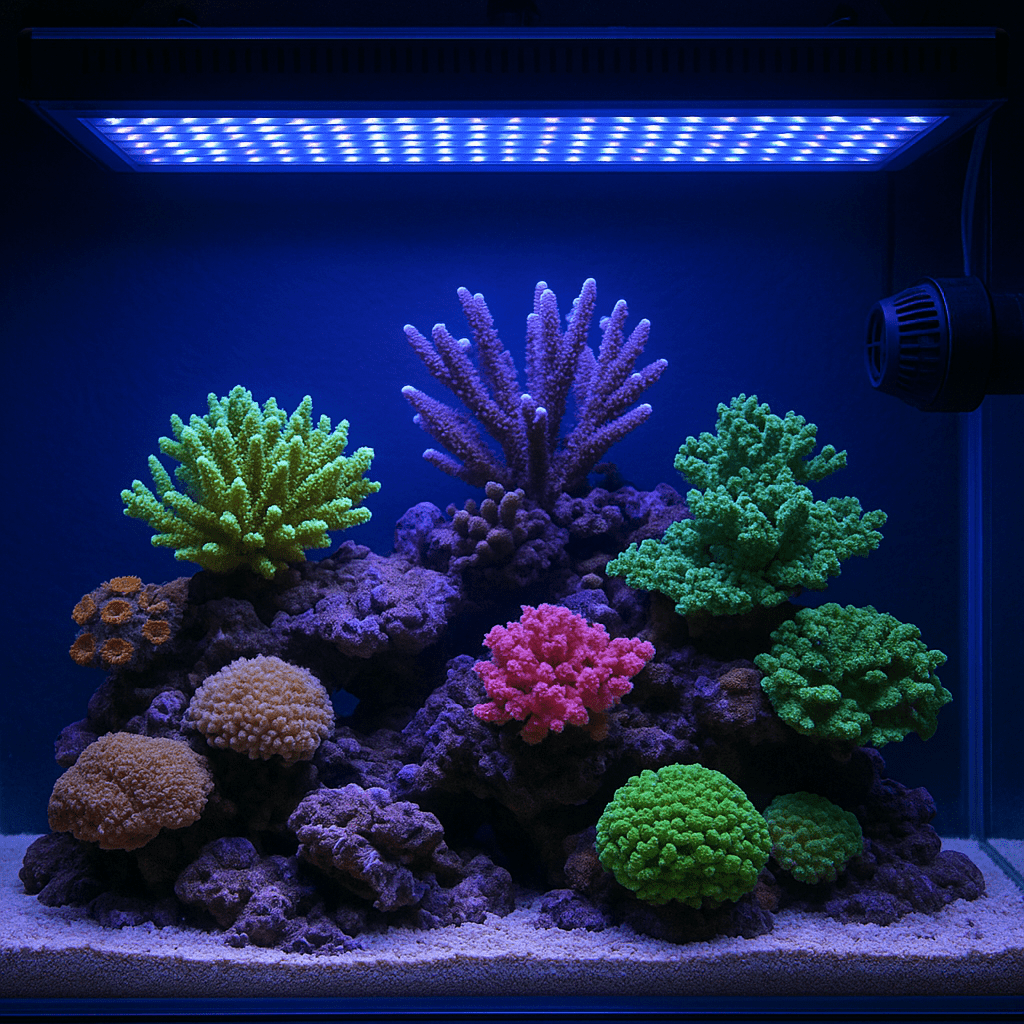
A bad smell from a reef tank is never normal. It usually points to waste buildup, dying organisms, low oxygen, or hidden decay. The good news is that the smell itself is a useful clue. If you trace the source quickly, you can often fix the problem before fish or corals suffer lasting damage.
Many beginner reef keepers expect some ocean smell. That is reasonable. A healthy saltwater aquarium can have a light marine scent. It should not smell rotten, sour, swampy, or like sewage. Strong odors mean something in the system is breaking down faster than your filtration can handle. That can happen in the display, sump, skimmer, rockwork, sand bed, filter socks, or even around the tank stand. In this guide, you will learn what different tank smells usually mean, how to find the source, how to fix it safely, and how to prevent the smell from returning.
Quick Reference: Common Reef Tank Smells and Likely Causes
| Smell | Likely Cause | Risk Level | First Action |
|---|---|---|---|
| Rotten eggs | Hydrogen sulfide from trapped waste or dead zones | High | Check sand bed, sump, and hidden detritus pockets |
| Sewage or swamp | Heavy organics, dirty filter media, decaying food | Moderate to high | Clean mechanical filtration and test nutrients |
| Dead fish odor | Dead snail, fish, crab, or coral tissue loss | High | Search rockwork, overflow, and sump immediately |
| Sour or musty | Bacterial buildup, wet stand, dirty skimmer cup | Moderate | Inspect equipment and wipe salt creep and spills |
| Strong skimmate smell | Normal concentrated waste in skimmer cup | Low | Empty and clean the skimmer cup |
Use this table as a starting point. Smells often overlap. More than one issue may be present at the same time.
What a Healthy Reef Tank Should Smell Like
A healthy reef tank should smell mild and clean. Think of fresh saltwater, not a tide pool full of decay. You may notice a faint ocean scent when you open the lid or empty the skimmer. That is normal. The smell should fade quickly and should not fill the room.
Corals, fish, live rock, and beneficial bacteria all produce waste. In a stable reef, that waste is processed fast. Protein skimmers remove dissolved organics. Bacteria convert ammonia into nitrite and then nitrate. Flow keeps debris suspended until filtration catches it. When one part of that chain fails, organic material starts to rot. That is when smells become strong and unpleasant.
If your tank smells bad every day, do not ignore it. Reef systems rarely fix odor problems on their own. The smell is often an early warning sign. It can appear before ammonia spikes, algae blooms, or coral stress become obvious.
Why Your Tank Smells Bad
Bad smells come from decomposition. Something organic is breaking down and releasing compounds into the water and air. In reef tanks, the usual culprits are trapped detritus, uneaten food, dead livestock, dirty filtration, and low-oxygen zones. Each source creates slightly different odors.
Detritus is a major cause. Fish waste, leftover food, bacterial film, and tiny particles settle in low-flow areas. Over time, these pockets become nutrient traps. If oxygen drops there, anaerobic bacteria can produce sulfur compounds. That creates the classic rotten egg smell.
Another common issue is hidden death. A snail can die inside the rockwork. A fish can jump into an overflow. A large coral colony can start melting from the base. Even one dead animal can make a strong smell in a small system. In larger systems, the smell may be milder but still significant.
Mechanical filtration also causes odor when neglected. Filter socks, sponges, roller mats, and skimmer cups collect concentrated waste. If they sit too long, they become smell factories. This is especially common in tanks with heavy feeding or messy fish like tangs and wrasses.
Step-by-Step: How to Find the Source of the Smell
Start with a calm inspection. Do not tear apart the tank immediately. Sudden deep cleaning can release more waste and stress livestock.
- Smell the display, sump, and skimmer area separately.
- Check the skimmer cup first. It often smells worst, but that can be normal.
- Inspect filter socks, sponges, and media baskets.
- Look inside the overflow and return chamber.
- Search for missing fish, snails, crabs, or shrimp.
- Check behind rocks for tissue recession on corals.
- Use a turkey baster to blow detritus from rock crevices.
- Look for black areas in the sand bed or sump debris zones.
- Test ammonia, nitrite, nitrate, phosphate, and pH.
- Review recent changes in feeding, livestock, or equipment.
If the smell gets stronger when you stir a certain area, you likely found the source. Work slowly. Remove waste in stages. Large, sudden disturbance can make water quality worse for a few hours.
Rotten Egg Smell: What It Means
A rotten egg smell is the most concerning odor in a reef aquarium. It usually means hydrogen sulfide is present. This gas forms in oxygen-poor areas where organic matter has accumulated. Deep, neglected sand beds can produce it. So can clogged sump chambers, rock piles with no flow, and old detritus pockets.
Hydrogen sulfide is dangerous because it can harm fish and invertebrates if released in quantity. The risk rises when hobbyists stir a dirty sand bed all at once. If you suspect this issue, do not aggressively vacuum the entire substrate in one session. Instead, clean one small section at a time during water changes.
Increase aeration right away. Make sure the skimmer is running well. Point a powerhead toward the surface. Replace dirty mechanical media. If the tank is very old and the sand bed is packed with waste, consider gradual substrate replacement over several weeks.
Dead Fish or Decaying Livestock Smell
This smell is sharp and unmistakable. It often appears suddenly. If a fish is missing, assume it may be trapped somewhere. Check the overflow box, sump baffles, behind the aquascape, and around pumps. Snails and crabs can also die in hidden places and create a strong odor.
Corals can cause odor too. Large LPS corals, anemones, and soft corals release a foul smell when tissue decays. Brown jelly disease on Euphyllia is a common example. The affected coral may look slimy, receded, and discolored. Remove dying tissue quickly if possible. Run fresh carbon afterward.
After removing the source, test ammonia immediately. In smaller tanks, one dead fish can trigger a measurable spike. A water change is often wise. Observe all remaining livestock for rapid breathing, closed polyps, or unusual hiding behavior.
Dirty Filtration and Equipment Odors
Sometimes the tank water is fine, but the filtration is filthy. This is common in sumps. Filter socks can smell terrible after two or three days. Sponges trap food and become bacterial hotspots. Skimmer necks build sludge. Even a lid covered in salt spray can hold organic film.
Clean mechanical filtration on a schedule. Replace or wash filter socks every two to four days. Rinse sponges in removed tank water. Empty the skimmer cup before it overflows with dark sludge. Wipe the skimmer neck to improve performance. Clean the sump floor during routine maintenance if detritus collects there.
Also inspect the area around the tank. Damp stands, spilled saltwater, and soaked cabinet wood can smell musty or sour. That odor may seem like a tank issue when it is really a housekeeping issue. Good ventilation helps a lot.
Water Chemistry Clues Behind Bad Smells
Odor problems often connect to poor nutrient control. High nitrate and phosphate do not directly smell, but the waste causing them often does. If feeding is heavy and export is weak, organics accumulate. That fuels bacterial growth and decomposition.
Low oxygen is another hidden factor. Tanks with weak surface agitation, clogged pumps, or overloaded bioloads can develop stagnant areas. These zones support the wrong kind of bacterial activity. That leads to foul odors and stressed animals. Fish may gasp near the surface in severe cases.
Test ammonia first if the smell is sudden and strong. Then check nitrate, phosphate, pH, salinity, and temperature. Review your maintenance log. Missed water changes, overfeeding, and failed equipment often line up with odor issues. If you need a refresher, see reef tank water parameters and protein skimmer setup guide.
How to Fix a Smelly Reef Tank Safely
Fix the cause first. Do not just mask the smell. Air fresheners do nothing for water quality.
- Remove any dead livestock right away.
- Empty and clean the skimmer cup.
- Replace dirty filter socks or rinse sponges.
- Perform a moderate water change, usually 10 to 20 percent.
- Siphon visible detritus from easy-access areas.
- Increase flow in dead spots.
- Add fresh activated carbon for dissolved organics.
- Test ammonia and monitor livestock for 24 hours.
Avoid deep cleaning the whole tank in one day. That can strip beneficial bacteria and release trapped waste. Spread major cleaning over several sessions. If the smell came from a dirty sand bed, vacuum only part of it each week. If the smell came from rockwork, baste one section at a time before water changes.
Carbon is especially helpful after coral tissue loss, chemical warfare, or a dead animal event. It will not solve the root problem alone, but it can polish the water and reduce odor quickly.
Common Problems
My tank smells bad, but parameters look fine
This happens often. Standard test kits do not measure every dissolved organic compound. A tank can smell bad before ammonia rises. Check hidden areas, dirty filtration, and the skimmer. Smell is an early warning sign, not just a chemistry result.
My sand smells awful when I stir it
Your sand bed likely holds trapped detritus. Clean it gradually. Improve flow across the bottom. Reduce overfeeding. Consider a sand-sifting cleanup crew if appropriate. Avoid disturbing the entire bed at once.
The smell comes back after every feeding
You may be feeding too much or using oversized foods. Frozen food juices can also add organics. Rinse frozen foods, feed smaller portions, and remove leftovers. Review your export methods. How often to feed reef fish can help you fine-tune the schedule.
My skimmer smells horrible
That part is often normal. Skimmers concentrate waste. If the room smells strongly all day, clean the cup more often and improve ventilation. You can also run the skimmer air line to a cleaner air source if needed.
How to Prevent Bad Smells Long Term
Prevention is mostly about consistency. Keep waste from building up. Feed carefully. Maintain strong flow. Clean filtration before it becomes saturated. Watch for missing livestock. Small habits prevent large odor problems.
Create a simple routine. Change or wash filter socks every few days. Empty the skimmer cup weekly or as needed. Siphon detritus from the sump during water changes. Baste rockwork before maintenance. Inspect behind the aquascape with a flashlight. Replace carbon regularly if you keep soft corals or feed heavily.
Good aquascaping also helps. Leave space behind the rock structure. Avoid packed rock walls with no circulation. Direct flow into low spots where debris settles. If you are planning upgrades, read reef tank flow guide and cleanup crew for reef tank.
Frequently Asked Questions
Is any smell normal in a saltwater aquarium?
Yes. A mild ocean scent is normal. Strong rotten, sour, or sewage odors are not.
Can a bad tank smell hurt fish and corals?
The smell itself is not the main issue. The underlying cause can definitely harm livestock. Decay, ammonia, and low oxygen are the real dangers.
Should I do a huge water change if my tank smells bad?
Usually no. Start with a moderate water change and remove the source. Very large changes can stress sensitive reef animals if parameters shift too fast.
Does activated carbon remove bad smells?
Yes, it helps remove dissolved organics and improves water clarity. It works best after you fix the root cause.
Why does my sump smell worse than the display?
The sump collects concentrated waste. Flow may be lower there. Filter media, sludge, and skimmate also make odors stronger in that area.
If your reef tank smells bad, treat it like useful feedback. Healthy systems rarely stink. Find the source, correct it slowly, and improve export and flow. In most cases, the smell will disappear fast once the decaying material is removed and maintenance gets back on track.
Was this helpful?
Related Posts
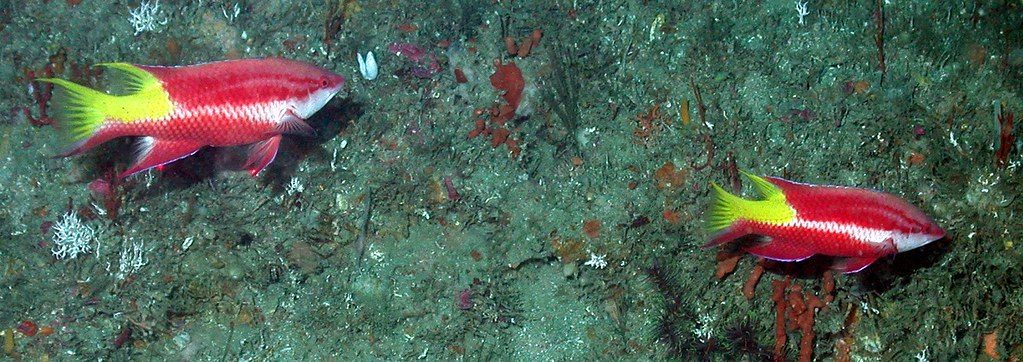
Cuban Hogfish (bodianus Pulchellus)
Cuban Hogfish care is straightforward in larger reef tanks. Learn tank size, diet, compatibility, and reef safety before…
 By
ByWhat to Do During a Power Outage
A reef tank power outage demands fast action. Protect oxygen, temperature, and circulation first to keep fish and…
 By
By[favorite_button]
My Bookmarks:
To see full list click here
[user_favorites user_id="" include_links="true" site_id="" post_types="" include_thumbnails="true" thumbnail_size="thumbnail" include_excerpt="false"]