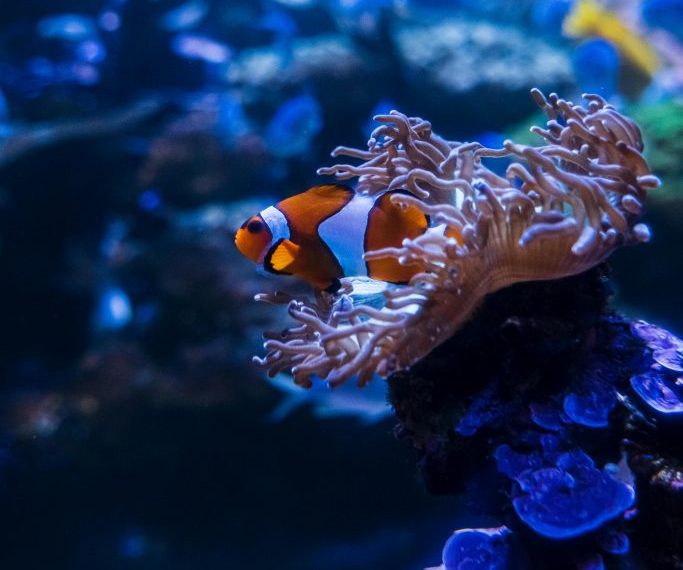
Starting your first saltwater aquarium is exciting, but it can feel overwhelming with all the gear, chemistry, and choices. This beginner saltwater tank setup guide walks you through the process step-by-step so you can build a stable, beautiful marine tank with confidence.
Planning Your First Saltwater Tank
Before buying equipment, decide what kind of tank you want. A bit of planning will save you money and stress later.
Choose the Right Tank Size
For beginners, a tank in the 20–40 gallon range is a sweet spot:
- More stable water parameters than tiny nano tanks
- Affordable equipment compared to very large systems
- Plenty of stocking options for beginner fish and soft corals
Glass tanks are durable and budget-friendly, while acrylic is lighter and less likely to shatter but scratches more easily.
Basic Equipment Checklist
At minimum, you’ll need:
- Display tank and sturdy stand
- Quality heater and thermometer
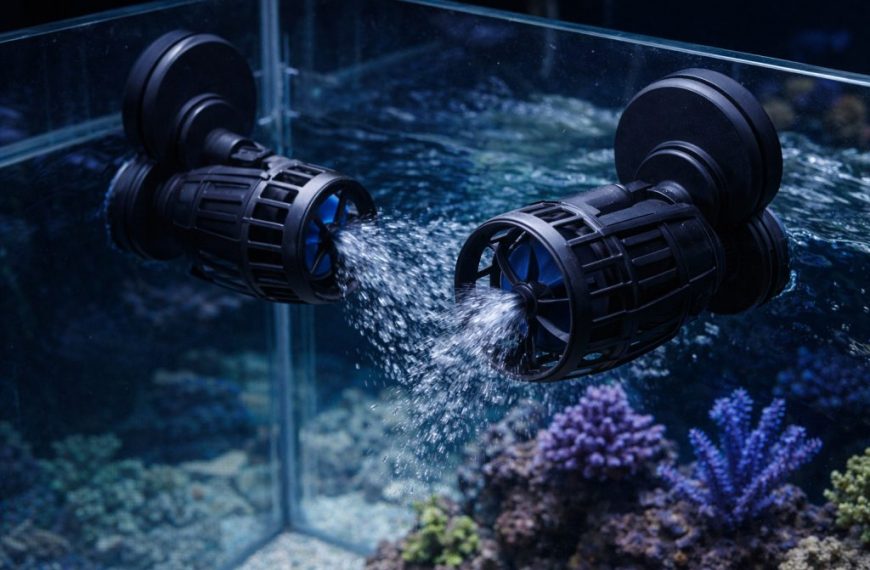
- Powerheads or wavemakers for water movement
- Hang-on-back filter or simple sump
- Reef-capable LED light (if you want corals)
- Refractometer or hydrometer for salinity
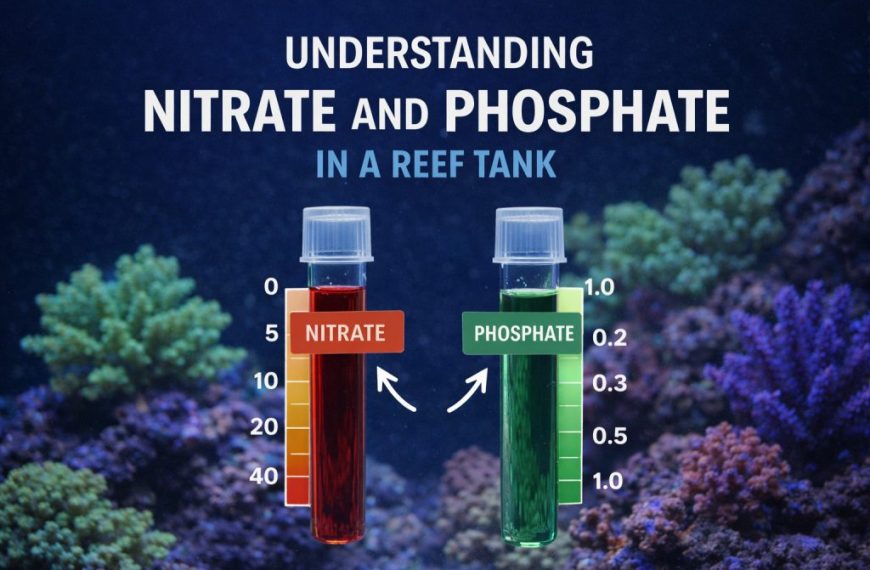
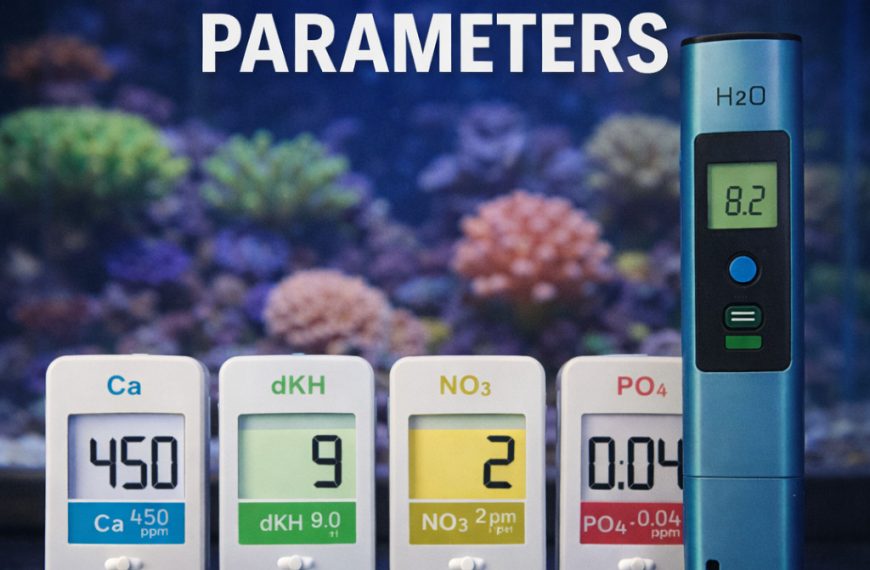
- Salt mix, test kits (ammonia, nitrite, nitrate, pH)
For a deeper breakdown of gear choices, see our Saltwater Aquarium Equipment Checklist.
Setting Up and Cycling Your Saltwater Tank
Step 1: Add Rock, Sand, and Saltwater
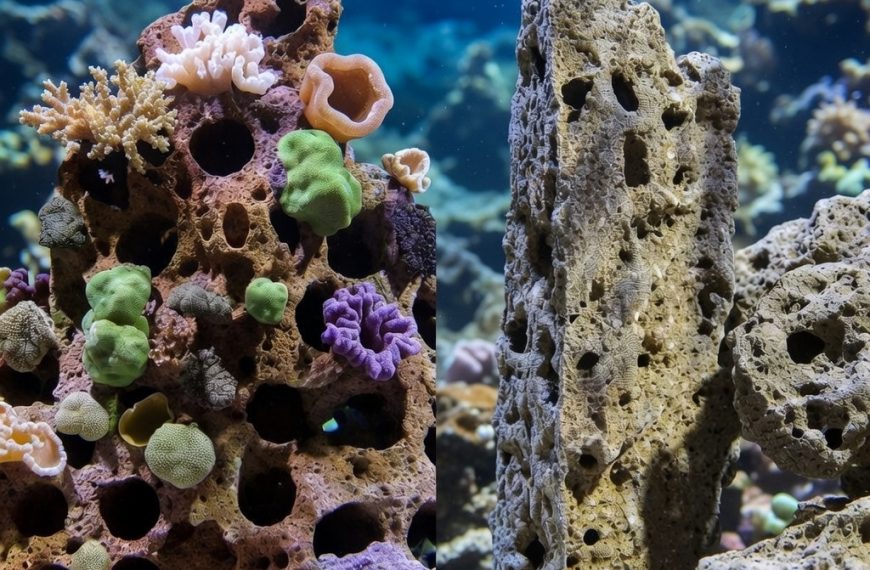
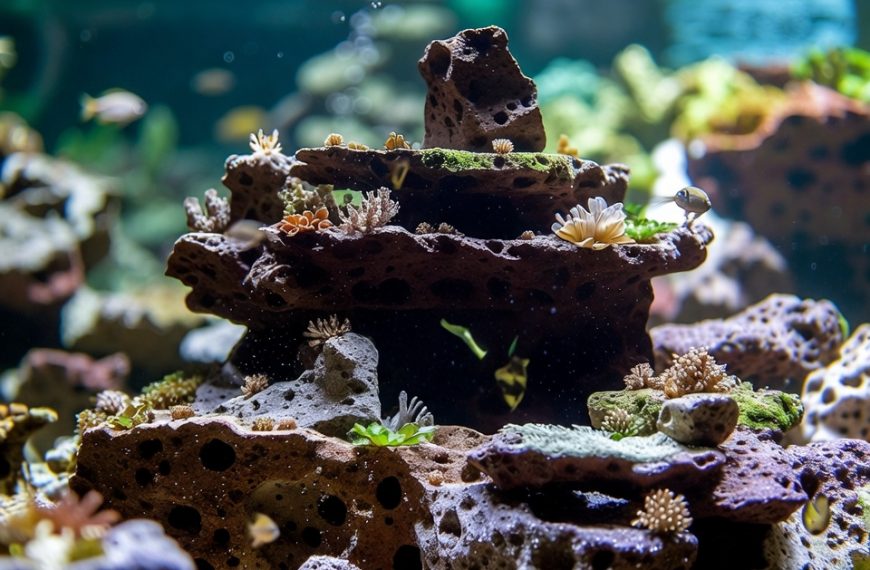
Start with dry rock or a mix of dry and live rock to create your aquascape. Aim for open structures with caves and swim-throughs for your fish.
- Substrate: A thin 1–2 inch layer of aragonite sand is easy to maintain.
- Mixing saltwater: Use RO/DI or dechlorinated water and marine salt mix; target a salinity of 1.024–1.026 specific gravity.
- Temperature: Keep the tank between 76–78°F (24–26°C).
Step 2: The Nitrogen Cycle
The cycle establishes beneficial bacteria that convert toxic ammonia into less harmful nitrate. This is the foundation of a healthy tank.
Patience is your most important piece of equipment. Rushing the cycle is the fastest way to lose livestock.
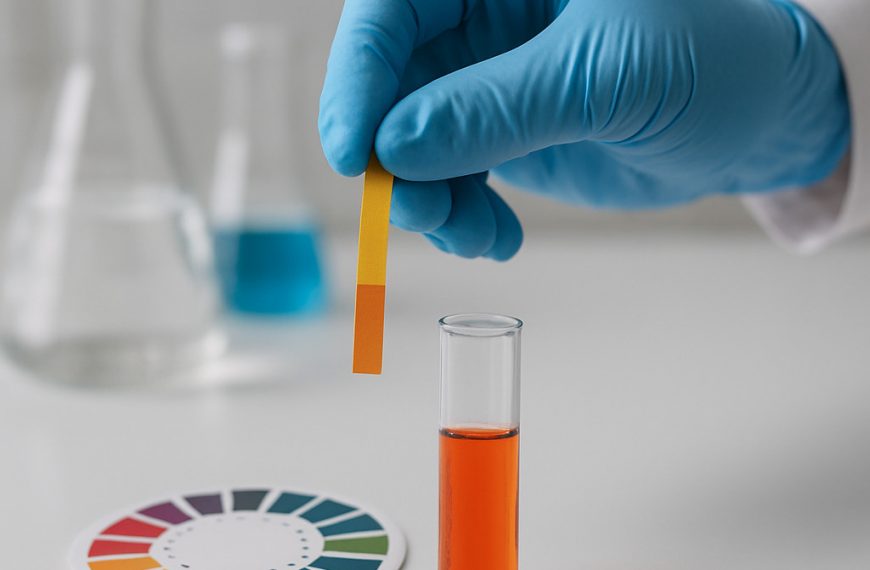
To start the cycle, add a source of ammonia (bottled bacteria plus a small pinch of fish food, or pure ammonia). Test every few days:
- First, ammonia rises, then nitrite appears.
- When both ammonia and nitrite read zero and nitrate is present, the cycle is complete.
This process usually takes 3–5 weeks. During this time, run your filter, heater, and powerheads as if the tank were fully stocked.
Stocking and Long-Term Care
Adding Fish and Clean-Up Crew
Once cycled, start slowly. Add only 1–2 hardy fish at a time, such as:
- Ocellaris or Percula clownfish
- Firefish gobies
- Royal gramma basslets
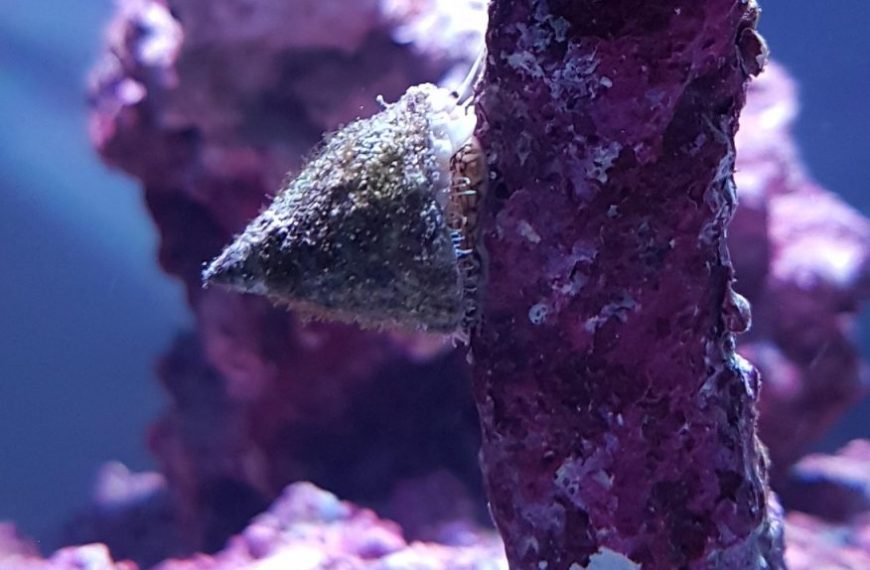
Introduce a clean-up crew of snails and hermit crabs to help manage algae and leftover food. Quarantine new arrivals whenever possible to prevent introducing disease.
Basic Maintenance Routine
Consistency keeps your tank thriving. Build these habits:
- Daily: Check temperature, equipment, and fish behavior.
- Weekly: Test salinity, nitrate, and pH; clean glass; empty filter media as needed.
- Every 1–2 weeks: Perform a 10–20% water change with pre-mixed, heated, and aerated saltwater.
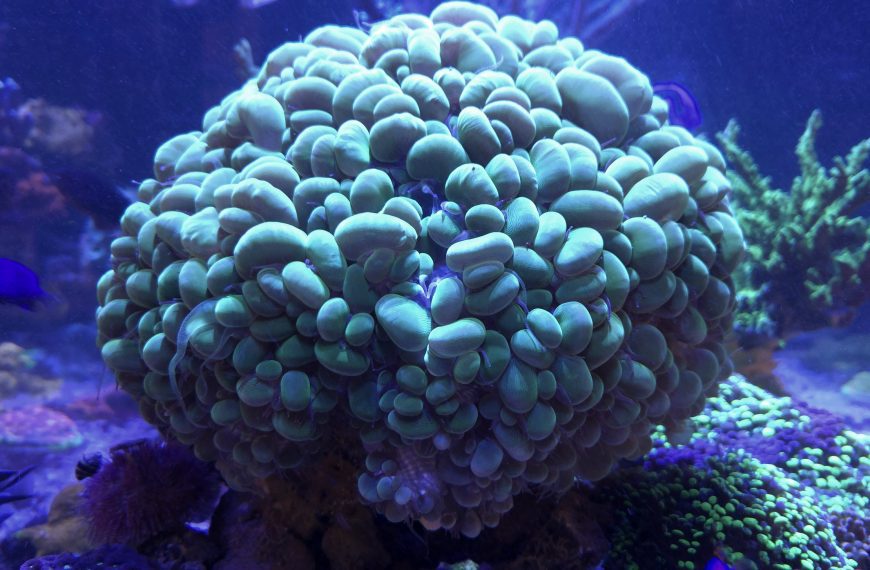
As you gain experience, you can explore coral care, dosing, and more advanced filtration. When you’re ready for that jump, read our Beginner Reef Tank Corals Guide and our Saltwater Tank Maintenance Schedule for next steps.
Starting a saltwater tank doesn’t have to be complicated. With solid planning, the right equipment, and a patient approach to cycling and stocking, you’ll be rewarded with a vibrant marine ecosystem you can enjoy for years.
Sources
- Sprung, J. & Delbeek, J. C. The Reef Aquarium, Vol. 1–3. Ricordea Publishing.
- Fenner, R. The Conscientious Marine Aquarist. TFH Publications.
- Holmes-Farley, R. “The ‘How To’ Guide to Reef Aquarium Chemistry for Beginners,” Reefkeeping Magazine.
 By
By