Good gear makes saltwater tanks easier. It also prevents many common crashes. Use this checklist to plan a stable, quiet system.
Core equipment for every saltwater tank
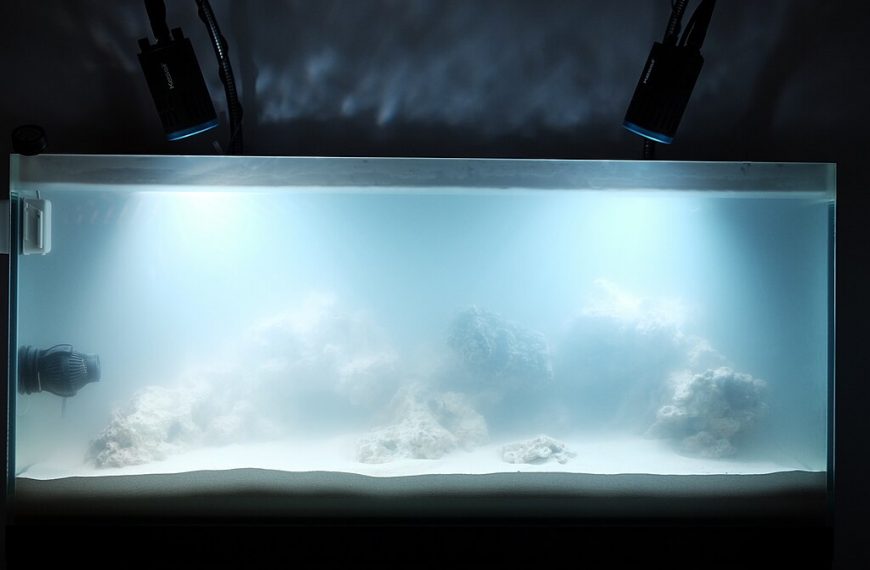
Start with the tank, stand, and a tight lid. Many reef fish jump at night. Pick a size you can maintain weekly. Most beginners do best with 40 to 75 gallons.
Choose a heater you can trust. Aim for 25.5°C (78°F) and keep swings under 0.5°C daily. Use two smaller heaters instead of one large unit. Pair them with a heater controller for safety.
Filtration should match your livestock plan. A reef tank benefits from a protein skimmer rated for 1.5 to 2 times volume. A fish-only tank can run a skimmer or larger mechanical filtration. Add a sump if you can. It boosts water volume and hides gear.
Water movement matters as much as filtration. Target 20 to 40 times turnover per hour for reefs. Fish-only tanks can run 10 to 20 times. Use two powerheads for crossflow. This reduces dead spots behind rock.
- Must-haves: heater(s), thermometer, return pump, powerheads, ATO reservoir
- Highly recommended: skimmer, sump, heater controller, battery backup for a powerhead
- Plan ahead: drip loops, GFCI outlet, and labeled power strips
For setup steps, see our reef tank setup guide. For flow layouts, check powerhead placement tips.
Water prep, testing, and maintenance tools
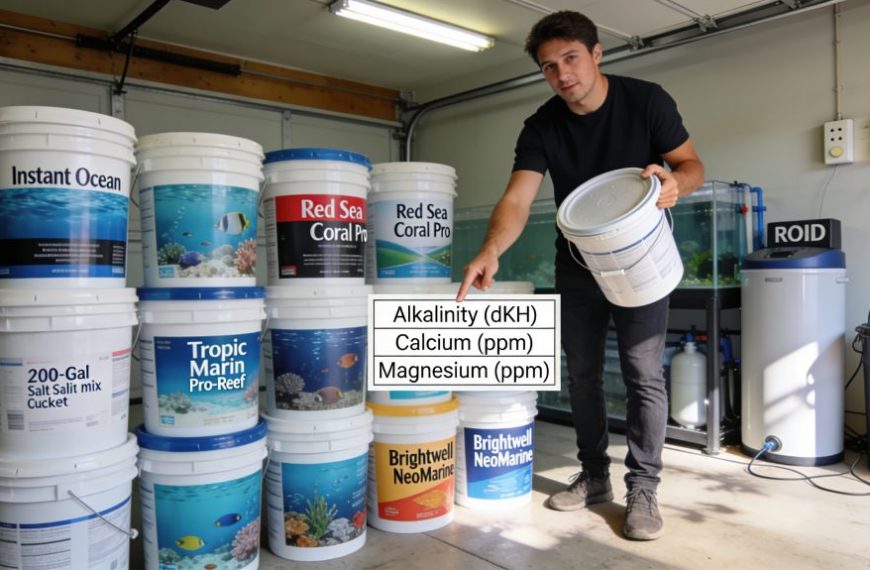
Use an RO/DI unit for consistent water. Aim for 0 TDS from the product line. Mix saltwater in a dedicated brute-style bin. Heat and circulate it for 12 to 24 hours. Match salinity and temperature before water changes.
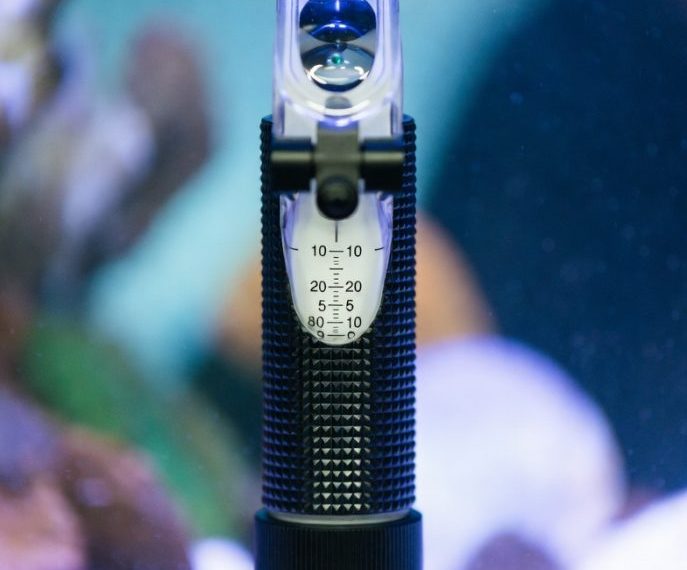
Measure salinity with a calibrated refractometer. Target 1.025 to 1.026 specific gravity for reefs. Calibrate with 35 ppt solution each month. Hydrometers drift and crack. They cause slow salinity creep.
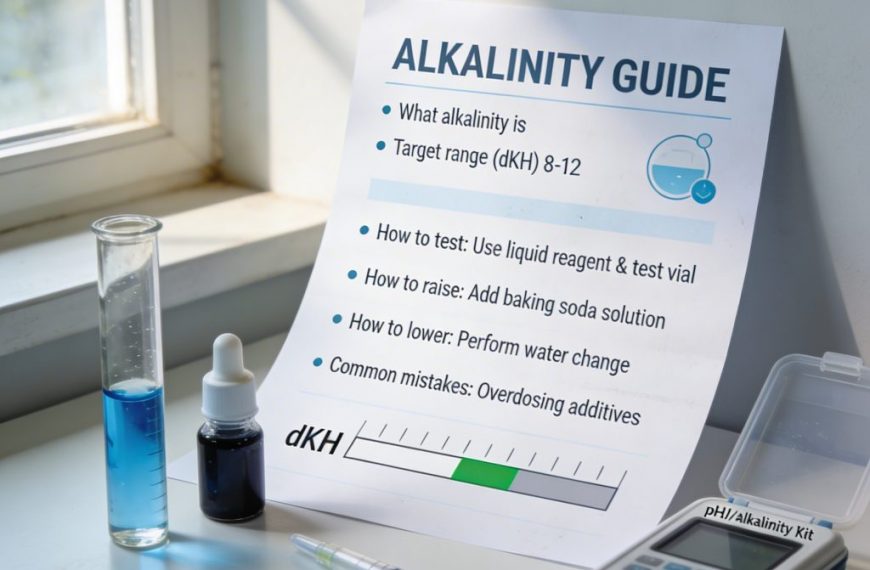
Testing keeps you ahead of problems. For new tanks, test ammonia and nitrite every two days. Once stable, test nitrate weekly. Reef tanks also need alkalinity, calcium, and magnesium. Common targets are 8 to 9 dKH, 400 to 450 ppm calcium, and 1250 to 1400 ppm magnesium.
Maintenance tools save time. Use a gravel vac for bare-bottom detritus. Keep algae scrapers for glass and acrylic. Have spare filter socks or floss. Replace mechanical media every 2 to 4 days. Dirty media becomes a nitrate factory.
- Mixing bin, heater, and pump for saltwater prep
- Refractometer plus 35 ppt calibration fluid
- Test kits: ammonia, nitrite, nitrate, alkalinity, calcium, magnesium, phosphate
- Tools: siphon hose, buckets, towels, scraper, turkey baster for rock blasting
If numbers drift, troubleshoot in order. Check salinity first. Then verify test kit dates and technique. Finally, inspect pumps for reduced flow. For parameter guidance, see our reef water parameters page.
Reef-specific gear and common pitfalls
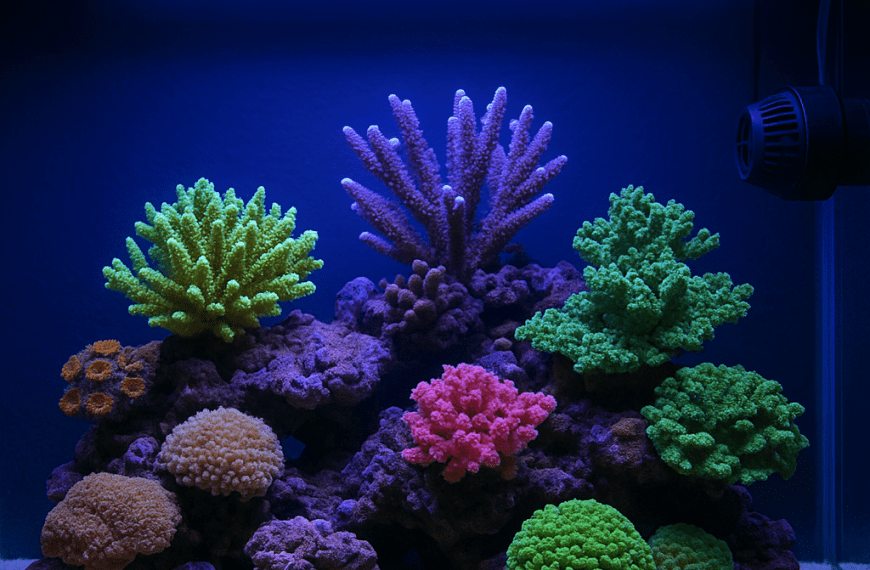
Lighting is the big reef upgrade. Soft corals can thrive under moderate LEDs. Many LPS do well with 80 to 150 PAR. Many SPS need 200 to 350 PAR. Use a ramp schedule of 8 to 10 hours total. Keep peak intensity for 4 to 6 hours.
Plan for evaporation and stability. An auto top-off reduces salinity swings. Use a 5 to 10 gallon reservoir for small tanks. Larger tanks may need 15 to 30 gallons. Keep the ATO sensor clean. Salt creep can cause overfilling.
Dosing may be needed as coral growth increases. Start with testing alkalinity every other day. If it drops more than 0.3 dKH daily, begin dosing. Many tanks use two-part dosing. Use a dosing pump for consistency. Start at half the calculated dose.
Quarantine gear prevents heartbreak. A 10 to 20 gallon bare tank works well. Add a sponge filter and heater. Keep PVC elbows for hiding. Observe new fish for 2 to 4 weeks. Treat only when needed. Many losses come from skipping quarantine.
- Common mistake: buying lights before choosing coral types
- Common mistake: chasing pH with additives instead of improving aeration
- Quick fix: point a powerhead at the surface for better gas exchange
- Quick fix: clean skimmer neck weekly to restore foam production
Sources: Reef aquarium husbandry guidance from Delbeek & Sprung, The Reef Aquarium; Fenner, The Conscientious Marine Aquarist; manufacturer manuals for refractometers, RO/DI units, and heater controllers.
With the right equipment, routine care becomes simple. Buy for stability first, then upgrades. Use this checklist to avoid last-minute purchases and prevent avoidable losses.
 By
By