Acclimating saltwater fish slowly reduces stress and lowers the risk of shock. Match temperature first. Then adjust salinity and pH with a controlled drip method. A calm, careful process gives new fish the best start in your reef tank.
Many marine fish arrive stressed from shipping. They may face low oxygen, high ammonia, and sudden swings in salinity. A fast transfer can push them over the edge. Proper acclimation helps them recover before entering your display or quarantine tank. In this guide, you will learn when to use drip acclimation, how long the process should take, what water parameters matter most, and which mistakes beginners should avoid. You will also learn why quarantine is still essential, even if a fish looks healthy on arrival.
Quick Reference Table
| Topic | Recommendation |
|---|---|
| Best acclimation method | Drip acclimation for most saltwater fish |
| Temperature matching | Float sealed bag for 15 to 20 minutes |
| Typical drip time | 30 to 60 minutes |
| Very sensitive species | 45 to 90 minutes, with close observation |
| Bag water in tank | Do not add shipping water to your aquarium |
| Best destination tank | Quarantine tank, not display tank |
| Lights during transfer | Dim or off for several hours |
| Key parameters to match | Temperature, salinity, and pH |
| Common beginner mistake | Acclimating too long in toxic shipping water |
This table gives you the short version. The details below matter just as much. Small changes in handling can decide whether a fish settles in or crashes within hours.
Why Acclimation Matters
Saltwater fish do not handle sudden change well. Their bodies constantly regulate salt and water balance. This process is called osmoregulation. When salinity changes too fast, the fish must work much harder. That stress weakens the immune system. It can also trigger rapid breathing, loss of balance, or death.
Shipping adds more problems. Fish often spend many hours in a small bag. Oxygen drops over time. Carbon dioxide rises. pH usually falls during transit. Ammonia can build up too. Once you open the bag, pH starts rising again. That shift can make ammonia more toxic. This is why acclimation should be controlled, but not endless.
A good acclimation routine protects the fish from sudden shock. It also gives you a chance to inspect the animal. Look for torn fins, heavy breathing, spots, cloudy eyes, or flashing. If anything looks wrong, a quarantine tank becomes even more important.
What You Need Before You Start
Set up everything before opening the fish bag. Preparation keeps the process calm and fast. You do not want to search for airline tubing while the fish sits in dirty shipping water.
- A clean bucket or specimen container
- Airline tubing
- A valve, knot, or clamp to control drip speed
- A fish net or specimen cup
- A refractometer or accurate salinity meter
- A thermometer
- A quarantine tank or prepared display tank
- A towel and dim room lighting
Use a dedicated fish bucket. Never use one exposed to soap or chemicals. If possible, keep the room quiet. New fish panic easily. Avoid loud sounds, bright lights, and sudden movement near the container.
If you are using a quarantine tank, make sure it is fully cycled. Match its salinity and temperature to your target conditions before the fish arrives. This makes acclimation easier and safer.
Step-by-Step: How to Acclimate Saltwater Fish
1. Dim the lights
Turn off bright tank lights first. Leave room lighting low. Fish feel exposed after shipping. Lower light reduces panic and darting. It also helps them settle faster after transfer.
2. Float the sealed bag
Float the unopened bag in the quarantine tank for 15 to 20 minutes. This matches temperature. Do not open the bag yet. Keep the bag sealed during this stage.
3. Check salinity if possible
After floating, open the bag and test the shipping water salinity. Compare it to your tank. Many stores keep fish at lower salinity. A large difference means the fish needs slower adjustment.
4. Transfer fish and bag water to a container
Pour the bag water and fish into a clean bucket or specimen container. Keep the water level shallow enough for safe drip acclimation. Place the container in a stable spot below the tank.
5. Start a siphon drip line
Use airline tubing to siphon water from the tank into the container. Tie a loose knot or use a valve. Aim for two to four drops per second for most fish. Sensitive fish may need a slower pace.
6. Acclimate for 30 to 60 minutes
Allow the container volume to double. Then remove some water and repeat once if needed. For most fish, 30 to 60 minutes is enough. If salinity is very different, go a bit longer. Do not stretch the process for hours.
7. Transfer the fish without bag water
Catch the fish gently with a net or specimen cup. Move it into the quarantine tank. Do not pour shipping water into your system. That water may contain ammonia, medications, or pathogens.
8. Observe and leave the fish alone
Keep lights dim for several hours. Do not feed right away unless the fish is alert and stable. Watch breathing rate, posture, and swimming. Some hiding is normal. Heavy gasping is not.
Quarantine vs Display Tank
The best place for a new saltwater fish is a quarantine tank. This is true even if the fish came from a trusted store. Marine ich, velvet, flukes, and bacterial infections are common. Many fish look fine at first. Symptoms often appear days later.
A quarantine tank lets you observe the fish closely. It also protects your display reef from disease. Treatment is much easier in a bare quarantine setup. Catching a sick fish from a rock-filled reef tank is much harder.
If you must place a fish in the display tank, make sure the system is stable. Avoid adding a new fish to a tank with aggressive tankmates. The stress from shipping plus bullying can be too much. Review your reef tank setup checklist before any new addition. If you are still cycling, read this guide on the saltwater tank cycle first.
Water Parameters That Matter Most
Temperature and salinity matter most during acclimation. pH matters too, but it usually follows once salinity and fresh tank water are introduced. Aim for stable values, not perfection.
- Temperature: 76 to 79 degrees Fahrenheit
- Salinity: 1.024 to 1.026 specific gravity for most reef systems
- pH: 8.0 to 8.3
- Ammonia: 0 ppm
- Nitrite: 0 ppm
If the store keeps fish at 1.020 and your reef runs at 1.026, do not rush the change. This difference is significant. A slow drip helps the fish adapt. In some cases, matching your quarantine tank closer to the store salinity is smarter. Then you can raise salinity gradually over several days.
Stable parameters beat chasing numbers. Sudden correction causes more harm than a slightly imperfect value. This is especially true for wrasses, tangs, angelfish, and delicate butterflyfish.
Special Cases: Fish, Invertebrates, and Corals
Most saltwater fish do well with the method above. Some animals need different handling. Invertebrates often react more strongly to salinity shifts. Shrimp, starfish, and snails usually need slower acclimation. Corals also need light acclimation after transfer.
For fish, avoid overcomplicating the process. For invertebrates, extend drip acclimation to 60 to 120 minutes when needed. For corals, focus on temperature, dip procedures, and reduced light at first. If you are adding corals too, see our guide to coral dipping and review proper reef tank lighting basics.
Never assume one method fits every marine animal. A clownfish and a cleaner shrimp have different tolerances. Match your approach to the species and the shipping condition.
Common Problems
Fish breathing heavily after acclimation
This often points to shipping stress, ammonia exposure, or low oxygen. Check tank temperature and surface agitation. Make sure salinity is not far off. Keep lights low. Do not chase the fish with a net again. If breathing stays rapid, move the fish to a quiet quarantine tank with strong aeration.
Fish lying on its side
Some fish rest after shipping, but this can also signal severe stress. Test ammonia and salinity right away. Increase oxygenation. Avoid feeding. If the fish cannot maintain balance after several hours, disease or internal shipping damage may be involved.
Fish died during a long acclimation
This is a common beginner mistake. The fish may have sat too long in toxic shipping water. Once the bag opens, ammonia becomes more dangerous. Acclimation should be controlled, not endless. Faster transfer to clean, matched quarantine water is often safer than a two-hour drip.
Fish hides and will not eat
This is normal for many new arrivals. Give the fish 24 hours before worrying. Offer small foods the species already recognizes. Mysis, brine, pellets, or nori may help. Check for bullying from existing fish. Stress from aggression often stops feeding.
Salinity in the bag is much lower than the tank
Do not force a quick jump. Match the quarantine tank closer to the bag if possible. Then raise salinity slowly over several days. This is often the safest plan for delicate fish and recently shipped specimens.
Best Practices for a Smooth Transfer
- Buy fish from stores that share their salinity levels
- Do not acclimate in bright light
- Never add shipping water to your tank
- Use quarantine for every new fish
- Prioritize oxygen and stable salinity
- Do not feed immediately if the fish is stressed
- Observe closely for the first 24 hours
These habits prevent many losses. They also make each new addition less stressful for you. Good acclimation is simple, repeatable, and calm. Fancy equipment is not required. Consistency matters more.
Frequently Asked Questions
How long should I acclimate saltwater fish?
Most fish need 30 to 60 minutes. Large salinity differences may require a bit longer. Avoid very long acclimation in dirty shipping water.
Is drip acclimation always necessary?
For most marine fish, yes. It is the safest standard method. If bag salinity already matches your quarantine tank closely, the process can be shorter.
Can I put store water into my reef tank?
No. Store and shipping water may contain ammonia, copper, or pathogens. Transfer only the fish.
Should I acclimate fish to a quarantine tank or display tank?
A quarantine tank is best. It lowers disease risk and allows close observation before the fish enters your reef.
Do clownfish need drip acclimation?
Yes. Clownfish are hardy, but they still benefit from a careful temperature and salinity adjustment. Hardiness does not remove the need for proper acclimation.
Acclimating saltwater fish is not difficult, but it does require patience. Match temperature first. Adjust salinity slowly. Keep stress low. Use quarantine whenever possible. Those simple steps will save fish, money, and frustration over time.
Was this helpful?
Related Posts
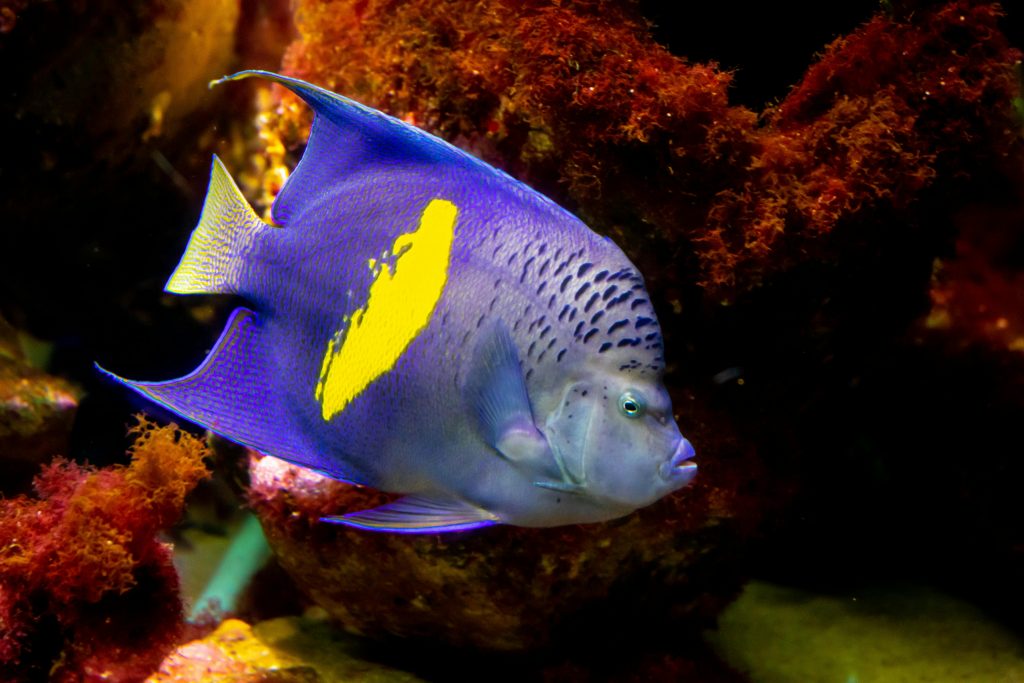
Asfur Angelfish (Pomacanthus Asfur)
Asfur Angelfish are stunning but demanding marine fish that need a large tank, varied diet, and careful tankmate…
 By
By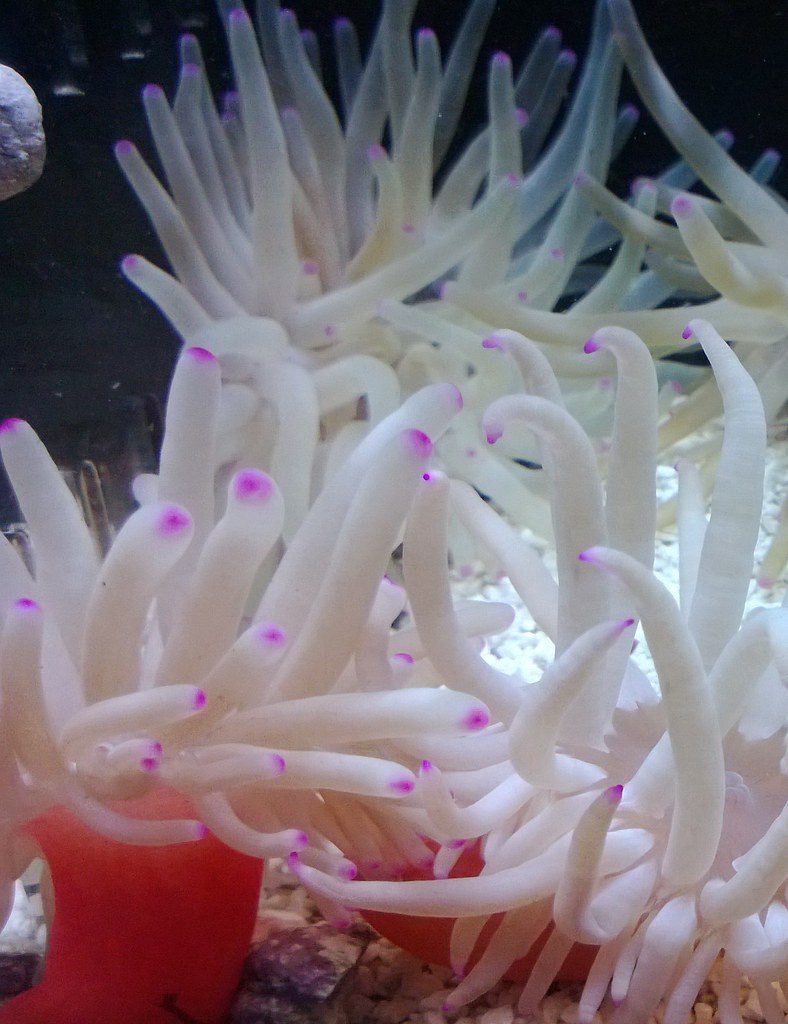
Condy Anemones
Condy anemones can thrive with stable water, safe flow, and moderate light. Learn placement, feeding, and troubleshooting for…