

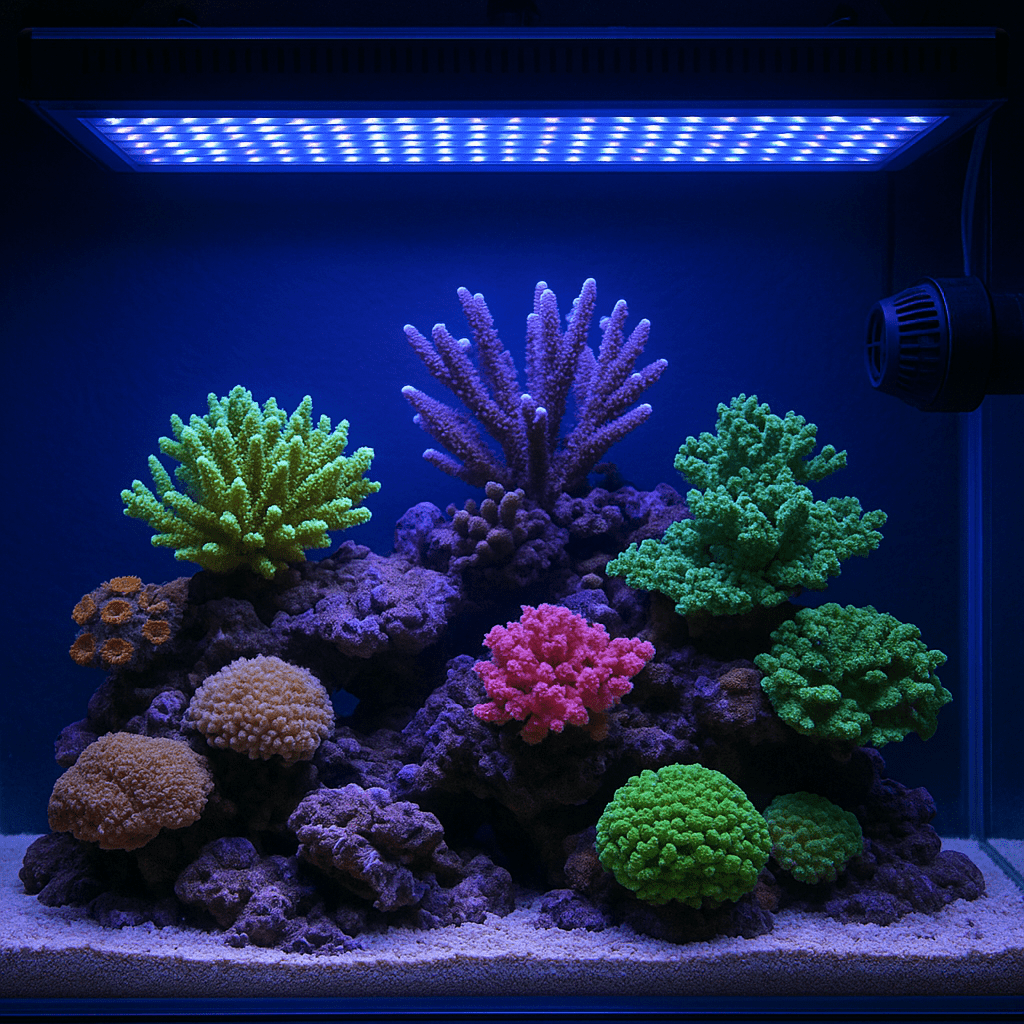
Maintaining reef tank health comes down to stability, observation, and routine care. Healthy reef aquariums keep fish active, corals extended, and algae under control. When water chemistry, flow, lighting, and nutrition stay balanced, most reef problems become easier to prevent and much easier to fix.
A reef tank is a living ecosystem. Corals, fish, bacteria, and invertebrates all depend on stable conditions. Small mistakes can snowball fast in saltwater systems. That is why good reef husbandry focuses on consistency more than chasing perfect numbers. In this guide, you will learn how to maintain reef tank health through water quality, filtration, feeding, lighting, flow, stocking choices, and troubleshooting. You will also see a practical maintenance routine that works for beginner and intermediate hobbyists. If you want a reef tank that looks vibrant and stays stable long term, these are the habits that matter most.
Quick Reference Table
| Category | Recommended Range | Why It Matters |
|---|---|---|
| Temperature | 76–79°F | Keeps fish and corals stable |
| Salinity | 1.025–1.026 SG | Supports coral and invertebrate health |
| pH | 7.8–8.4 | Helps calcification and biological balance |
| Alkalinity | 7–9 dKH | Critical for coral skeleton growth |
| Calcium | 400–450 ppm | Supports stony coral growth |
| Magnesium | 1250–1400 ppm | Helps stabilize calcium and alkalinity |
| Nitrate | 2–15 ppm | Prevents starvation and excess nutrients |
| Phosphate | 0.03–0.10 ppm | Supports coral health without fueling nuisance algae |
| Water Changes | 10% weekly or 15–20% biweekly | Exports waste and restores trace elements |
Use these numbers as a guide, not a reason to overreact. Reef tanks do best with stable parameters. A tank with slightly imperfect numbers can still thrive if those numbers stay consistent.
What Reef Tank Health Really Means
Many hobbyists think reef tank health means crystal clear water. Clear water helps, but it is only one part of the picture. A healthy reef tank shows strong coral polyp extension, steady coral growth, active fish behavior, and controlled nutrient levels. You should also see stable pH, salinity, and temperature every day.
Good reef health starts with biological balance. Beneficial bacteria process waste. Live rock provides habitat and filtration. Corals consume light and nutrients. Fish add waste, but they also support the food web. When one part slips, the whole system feels it. That is why successful reef keepers watch trends, not just single test results.
Healthy tanks also look predictable. Corals open on schedule. Fish eat eagerly. Glass algae builds slowly, not overnight. If your reef suddenly changes, something in the system likely changed first. Your job is to catch those shifts early.
Core Water Parameters to Monitor
Water chemistry drives nearly every reef outcome. Test the basics first. Temperature and salinity should remain steady every day. Use a reliable heater, a calibrated refractometer, and an auto top off system if possible. Evaporation raises salinity fast in smaller tanks.
For coral health, alkalinity is often the most important number to track closely. Sudden alkalinity swings can stress SPS, LPS, and even soft corals. Calcium and magnesium support skeletal growth and help maintain balance. Nitrate and phosphate should not be zero in most mixed reefs. Corals need some nutrients. Ultra-low nutrients can cause pale color and slow growth.
Test more often when your tank is new, heavily stocked, or growing stony corals quickly. Record results in a log. Patterns matter more than isolated readings. If alkalinity drops every week, your tank is telling you its demand is increasing.
Aquarium Setup and Filtration Basics
Healthy reef tanks start with practical equipment choices. You do not need the most expensive gear. You do need reliable gear. A quality protein skimmer, strong flow pumps, heater, thermometer, and good test kits form the core. A sump adds water volume and hides equipment, but many smaller reefs also succeed without one.
Live rock remains one of the best biological filters in reef keeping. It houses bacteria that convert ammonia to nitrite and then nitrate. Sand can help too, though deep beds need proper planning. Mechanical filtration like filter socks or floss removes particles, but it must be cleaned often. Dirty mechanical media can become a nutrient trap.
Chemical media has its place. Activated carbon improves water clarity and removes toxins. GFO can lower phosphate, but use it carefully. Fast nutrient drops can stress corals. Build your system around stability and ease of maintenance. Simple systems often get better long-term results.
Lighting Requirements for a Healthy Reef
Lighting affects coral growth, color, and stress levels. Different corals need different intensities. Soft corals usually tolerate lower to moderate light. Many LPS prefer moderate light. SPS often need stronger light and stable placement. The mistake many beginners make is changing light too often.
Use a timer or controller to keep a consistent schedule. Most reef tanks do well with eight to ten hours of full lighting. Ramping periods can help reduce stress. If you upgrade lights, acclimate corals slowly. Sudden intensity increases can bleach tissue in a single day.
Watch your corals for feedback. Stretching upward can suggest low light. Faded tissue can suggest too much light, low nutrients, or both. Try to solve lighting issues with measured adjustments. Large changes create new problems. For more on placement and intensity, see reef tank lighting guide.
Water Flow and Oxygenation
Water movement is easy to underestimate. Corals need flow to bring oxygen and food. Flow also removes waste and detritus from their tissue. Dead spots let debris settle and nutrients build. Poor flow often leads to cyanobacteria, nuisance algae, and irritated corals.
Aim for broad, random flow instead of one harsh stream. Wavemakers help create changing movement patterns. SPS corals usually prefer stronger, turbulent flow. Many LPS need moderate flow that keeps tissue moving gently. Too much direct flow can tear fleshy corals or prevent polyp extension.
Surface agitation matters too. It improves gas exchange and supports stable pH. If fish breathe heavily at the surface, oxygen may be low. Check temperature, surface movement, and any buildup in pumps. Clean powerheads regularly. Reduced output can change tank health slowly over time.
Feeding Without Polluting the Tank
Feeding is where many reef tanks drift out of balance. Fish need regular nutrition, but excess food quickly becomes nitrate and phosphate. Feed small portions that fish finish within a minute or two. It is usually better to feed smaller meals more often than one large meal.
Use a varied diet. Offer pellets, frozen mysis, brine, and algae-based foods when needed. Herbivores need plant matter daily. Carnivores need protein-rich foods. Corals can benefit from broadcast feeding or target feeding, but not every coral needs direct food every day. Overfeeding corals is common and often unnecessary.
Rinse frozen foods if nutrient control is difficult. Turn off return pumps briefly during target feeding if needed. Then restore flow after a few minutes. If nutrients rise steadily, review feeding before buying more filtration gear. For species-specific nutrition help, read reef fish feeding schedule.
Compatibility and Stocking Choices
Reef tank health depends heavily on what you place together. Overstocking raises waste, increases aggression, and limits oxygen at night. Add fish slowly. Quarantine when possible. Every new fish changes the tank’s biological demand.
Coral compatibility matters too. Some corals sting neighbors. Others release chemical compounds into the water. Leave room for growth. Use carbon if you keep soft corals with LPS or SPS in a mixed reef. Invertebrates also need consideration. Some crabs are opportunistic. Some shrimp may bother corals during feeding.
Choose animals for your tank size and temperament. A peaceful stocking plan is easier to maintain than a crowded, aggressive one. Research each species before purchase. Helpful planning resources include best reef safe fish and beginner coral guide.
Step-by-Step Reef Tank Maintenance Routine
A repeatable routine keeps reef tanks stable. Daily, check temperature, livestock behavior, and equipment operation. Top off evaporated water with fresh RO/DI water. Feed carefully and remove obvious detritus if needed.
Weekly, clean the glass, empty the skimmer cup, test salinity, alkalinity, nitrate, and phosphate, and perform a water change if that fits your schedule. Replace or rinse filter floss and socks. Inspect pumps for reduced flow. Look closely at corals for tissue recession, pests, or color changes.
Monthly, test calcium and magnesium, calibrate probes if used, inspect tubing, clean powerheads, and vacuum small sections of detritus-prone areas. Avoid deep cleaning everything at once. That can destabilize the tank. Slow, regular maintenance works better than occasional major resets.
If you dose alkalinity or calcium, test before adjusting. Dose based on actual consumption, not bottle instructions alone. Stability beats speed in reef keeping.
Common Problems
Why are my corals losing color?
Faded corals usually point to excess light, unstable alkalinity, very low nutrients, or recent stress. Check nitrate and phosphate first. Corals often pale when nutrients bottom out. Review any recent lighting changes. Test alkalinity several days in a row to spot swings.
Why is nuisance algae taking over?
Algae outbreaks usually come from excess nutrients, weak export, poor source water, or low herbivore pressure. Test nitrate and phosphate. Confirm your RO/DI water is clean. Reduce overfeeding. Increase manual removal. Add cleanup crew members only after fixing the root cause.
Why are my fish breathing fast?
Rapid breathing can mean low oxygen, high temperature, ammonia, or disease. Check temperature first. Increase surface agitation. Test ammonia if the tank is new or recently disturbed. Inspect fish for spots, flashing, or heavy mucus that may suggest parasites.
Why does my alkalinity keep dropping?
Growing corals, coralline algae, and clams consume alkalinity daily. A steady drop usually means your tank now needs dosing support. Test at the same time each day for several days. Then calculate average consumption and dose slowly to match it.
Why does my reef tank look good, then crash suddenly?
Most crashes are not truly sudden. The warning signs were just missed. Common causes include heater failure, salinity drift, overdosing, dying livestock, clogged pumps, or skipped maintenance. Redundancy and regular checks prevent many disasters.
Frequently Asked Questions
How often should I test my reef tank water?
Test weekly for most established tanks. Test more often after major changes, new livestock, or dosing adjustments.
What is the best water change schedule for reef tank health?
Ten percent weekly works well for many reefs. Heavier systems may need more. Stable dosing can reduce the need for larger changes.
Should nitrate and phosphate be zero?
No. Most reef tanks do better with low, measurable nutrients. Zero nutrients can stress corals and reduce color.
Do I need a protein skimmer?
Not always, but it helps greatly in many reef tanks. Skimmers improve oxygenation and remove waste before it breaks down.
What is the most important habit for a healthy reef tank?
Consistency. Stable salinity, temperature, feeding, testing, and maintenance prevent more problems than expensive equipment alone.
Final Thoughts
Maintaining reef tank health is less about perfection and more about steady habits. Keep your parameters stable. Feed with purpose. Avoid sudden changes. Watch your animals closely. A reef tank usually tells you what it needs before a serious problem appears. When you respond early and make measured adjustments, your tank becomes easier to manage and far more rewarding to keep.
Was this helpful?
Related Posts
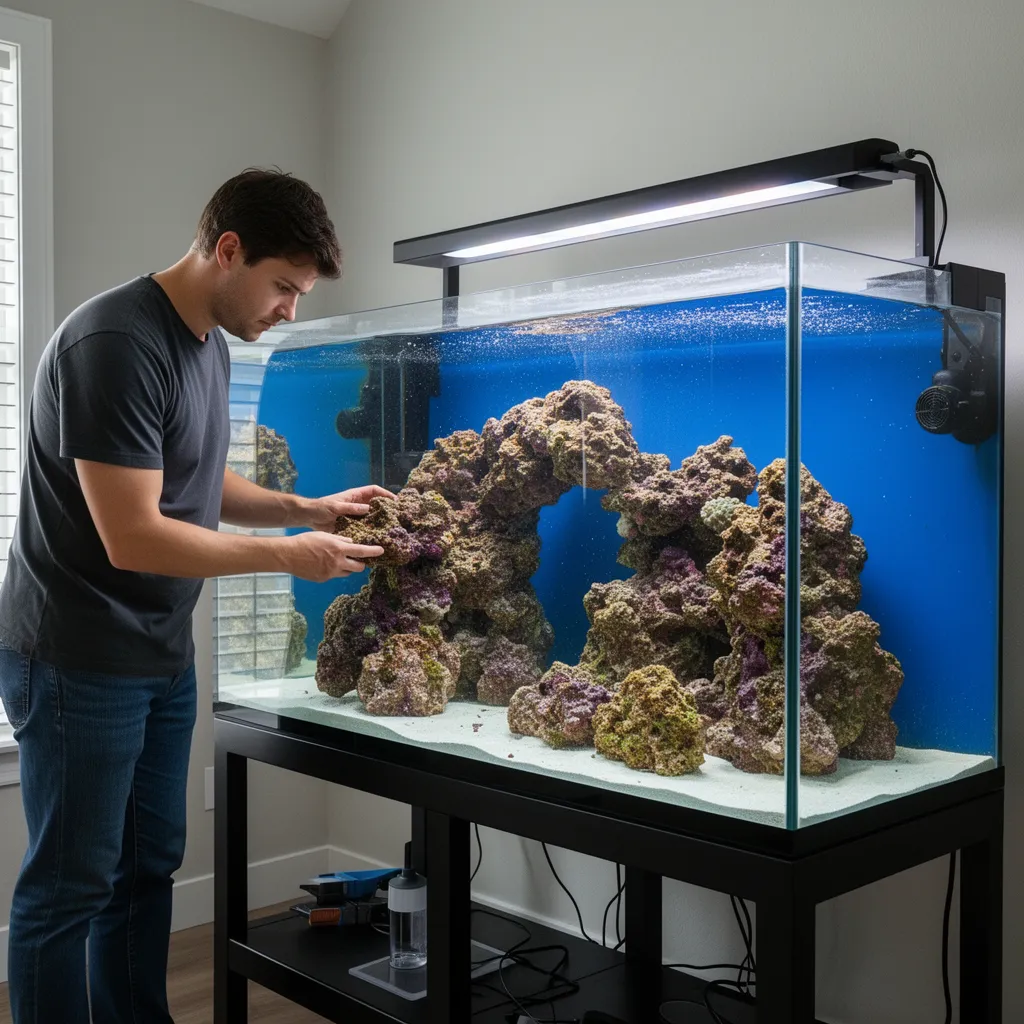
Setting Up A Reef Tank
Setting up a reef tank is easier when you focus on stability, smart equipment, and slow stocking. This…
 By
ByPowerhead Placement for Reef Tanks
Dial in reef tank flow with smart powerhead placement. Learn proven layouts, targets, and troubleshooting for cleaner sand…
[favorite_button]
My Bookmarks:
To see full list click here
[user_favorites user_id="" include_links="true" site_id="" post_types="" include_thumbnails="true" thumbnail_size="thumbnail" include_excerpt="false"]