

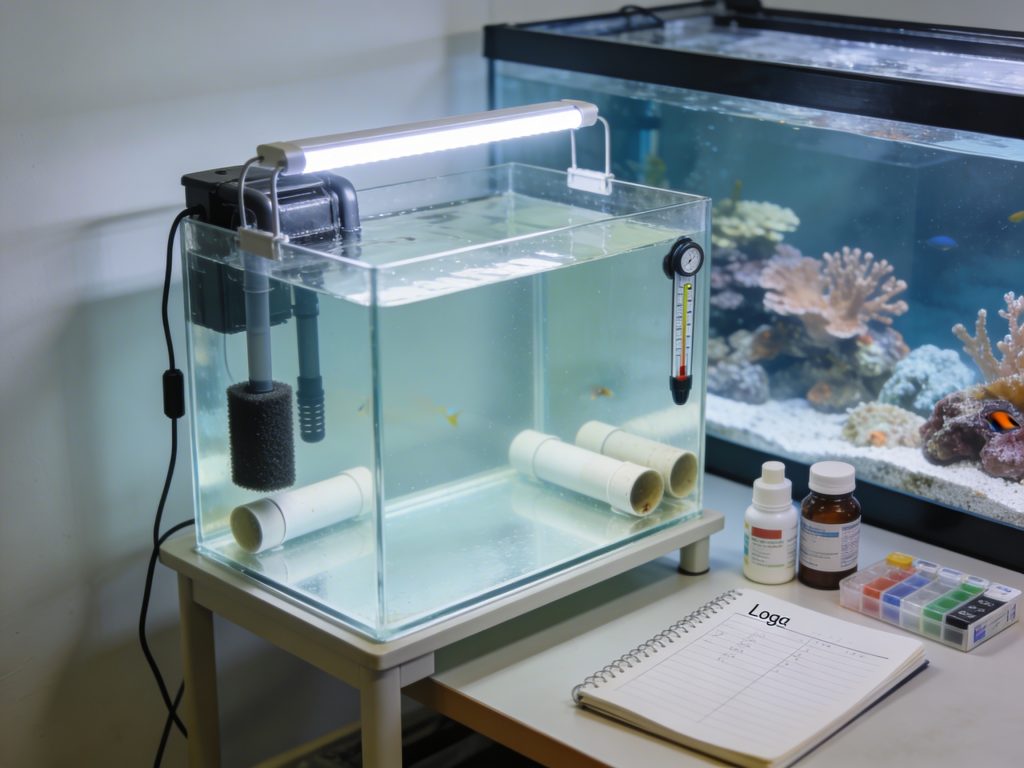
A reef tank quarantine setup protects your display from disease, pests, and avoidable losses. It gives new fish, corals, and invertebrates a safe place to adjust, eat, and recover before entering your main reef.
Many hobbyists skip quarantine at first. Most regret it later. One sick fish can infect every tankmate. One coral frag can bring flatworms, nudibranchs, or algae into a mature reef. A simple quarantine system lowers that risk fast. It also helps you observe new arrivals under controlled conditions. In this guide, you will learn how to build a practical reef tank quarantine setup, what equipment matters most, how to quarantine fish and corals, and how to solve common problems before they reach your display aquarium.
Quick Reference Table
| Item | Fish Quarantine | Coral Quarantine |
|---|---|---|
| Recommended tank size | 10 to 40 gallons | 10 to 20 gallons |
| Bottom | Bare bottom | Bare bottom or clean rack |
| Filtration | Sponge filter or HOB filter | Small filter and light flow |
| Heater | Yes | Yes |
| Lighting | Basic ambient light | Reef-capable light |
| Hiding places | PVC elbows and couplings | Frag rack and plugs |
| Typical duration | 2 to 4 weeks minimum | 2 to 6 weeks |
| Main goal | Observe, feed, and treat disease | Inspect and prevent pests |
This table gives you the fast version. The details matter too. Fish quarantine and coral quarantine look similar from a distance. In practice, they work differently. Fish systems focus on observation, stable water, and possible medications. Coral systems focus on pest control, stable alkalinity, and appropriate light. If you combine them, you create problems. Medications can harm corals and invertebrates. Strong reef lighting can stress weak fish. Separate systems are best whenever possible.
Why a Reef Tank Quarantine Setup Matters
Quarantine is insurance for your reef. It costs less than replacing livestock. It also saves time and frustration. Marine fish often arrive stressed from shipping. Stress lowers immune response. That makes common diseases more likely. Ich, velvet, brooklynella, and bacterial infections can spread fast in a display tank. Catching them early is much easier in a small quarantine system.
Corals carry their own risks. Many pests are tiny. You may not see eggs, flatworms, vermetid snails, or nudibranchs at first. A quarantine system gives you time to inspect, dip, and observe. It also helps new corals recover from shipping damage. This is especially useful for expensive SPS frags and wild colonies. A proper quarantine setup is not fancy. It is simple, stable, and easy to clean. That simplicity is exactly why it works so well.
What You Need for a Fish Quarantine Tank
A basic fish quarantine tank is easy to build. Start with a 10 to 20 gallon aquarium for small fish. Use a 20 to 40 gallon tank for larger species. Keep the bottom bare. Bare tanks are easier to siphon and monitor. Add a heater, thermometer, lid, and simple filtration. A sponge filter works very well. A hang-on-back filter also works if flow stays gentle.
Add several PVC elbows or couplings for shelter. Fish need a place to hide. This reduces stress and aggression. Use an air stone if oxygen seems low. Keep lighting dim. Bright light often increases stress in new fish. You do not need sand or live rock. In fact, avoid them if you may use medications. Porous media can absorb treatments and make dosing unreliable. Keep a few dedicated buckets, nets, and hoses for quarantine only. Never share wet equipment with your display tank.
What You Need for a Coral Quarantine Tank
A coral quarantine setup needs different tools. Use a small tank, frag tank, or all-in-one aquarium. Add a heater, thermometer, and simple filtration. A small powerhead provides steady flow. Use a reef light that matches the coral types you buy. You do not need extreme PAR. You do need consistent light. A frag rack helps keep pieces organized and off the bottom.
Stability matters more than size here. Keep salinity, alkalinity, calcium, and magnesium close to your display. That makes transfer easier later. Many hobbyists use water from water changes to fill coral quarantine systems. That can work well if the display is healthy. Still, test the water before use. Coral quarantine is also the best place for dips and close inspection. A flashlight and magnifying glass help a lot. Check the underside of plugs. Many pests hide there. If possible, remove corals from store plugs and remount them on clean plugs or disks.
Step-by-Step Reef Tank Quarantine Setup
Start by choosing the tank size. Match it to the livestock you usually buy. Place the tank in a quiet area. Avoid windows and temperature swings. Install the heater, filter, and thermometer. Fill the tank with mixed saltwater. Match salinity to your source water or vendor water if acclimation will be short. Turn on all equipment and confirm stable temperature.
Next, seed biological filtration if possible. A pre-seeded sponge filter is ideal. Keep one in your sump at all times for future use. If that is not possible, use bottled bacteria and monitor ammonia closely. Add PVC for fish or a frag rack for corals. Keep the setup simple. Complexity creates more surfaces for pests and detritus. Once the system runs properly, acclimate new livestock carefully. Observe fish for breathing rate, appetite, and spots. Observe corals for tissue recession, pests, and polyp extension. Log what you see each day. Good notes help you make better treatment decisions.
Natural Habitat and Why It Affects Quarantine
Marine fish and corals come from stable environments. Tropical reefs have consistent salinity, oxygen, and temperature. Shipping breaks that stability. Fish often arrive dehydrated and stressed. Corals may arrive with damaged tissue or bacterial irritation. Understanding their natural habitat helps you build a better quarantine routine. Reef fish need oxygen-rich water, secure shelter, and low stress during recovery. Corals need stable chemistry, moderate flow, and enough light to support their zooxanthellae.
Many common reef species come from shallow Indo-Pacific reefs. These areas have strong gas exchange and constant water movement. That is why stagnant quarantine tanks fail so often. The tank may look clean, but oxygen can still run low. Waste can still build up quickly. Quarantine works best when it mimics the stable parts of nature, not the decorative parts. Focus on temperature, oxygen, salinity, and cleanliness first. Fancy aquascaping can wait for the display tank.
Aquarium Setup and Placement Tips
Place your quarantine tank somewhere easy to access. You will inspect livestock often. A hard-to-reach tank gets neglected. Keep it away from loud speakers, slamming doors, and direct sunlight. Sudden stress can suppress feeding. Use a tight lid for fish quarantine. Many reef fish jump, especially wrasses, gobies, and firefish. Label the tank clearly so no one adds soaps, sprays, or untreated tap water by mistake.
For fish, keep decor minimal. Bare bottom tanks are easier to siphon. For corals, use removable racks and simple rock-free layouts. This makes pest checks easier. Keep separate tools for each system. Cross contamination is a common mistake. A single wet frag plug can move pests. A single net can move disease. If you maintain multiple tanks, color-code your gear. It sounds simple because it is. Simple systems prevent expensive errors.
Lighting Requirements
Fish quarantine tanks need only enough light for observation. A basic LED strip is plenty. Strong lighting can stress new fish. Keep the photoperiod short during the first days. Corals are different. They need appropriate light to maintain health during quarantine. Soft corals and many LPS can do well under moderate light. SPS usually need stronger, more stable lighting. Still, avoid sudden high PAR after shipping.
Start lower than your display if needed. Then increase slowly over several days. Watch for bleaching, shrinking tissue, or poor polyp extension. These signs often point to light shock, not just pests. If you own a PAR meter, use it. If not, rely on coral response and consistency. Keep the schedule stable. Corals handle moderate light better than erratic light. If you plan to move corals into a brighter display, acclimate them gradually in quarantine first.
Water Flow
Good water movement is essential in quarantine. Fish tanks need enough flow for oxygen and waste suspension. Do not blast weak fish with direct current. Aim for gentle circulation and strong surface agitation. An air stone can help during treatment or warm weather. Corals need more targeted flow. Soft corals prefer varied moderate flow. Many LPS prefer indirect movement. SPS often need stronger, turbulent flow to keep tissue clean.
Dead spots cause trouble fast. Detritus settles, oxygen drops, and nuisance algae appears. Adjust pumps so waste stays suspended until filtration removes it. Watch coral tissue closely. If flesh whips hard in one direction, flow may be too strong. If mucus and debris collect on tissue, flow may be too weak. Quarantine tanks are small, so tiny pump changes make a big difference. Recheck after every adjustment.
Feeding During Quarantine
Feeding is one of the main goals of quarantine. New fish must begin eating well before they enter the display. Offer small meals two or three times daily. Start with familiar foods. Mysis, brine, pellets, and nori cover many species. Soak foods in vitamins if fish look weak. Remove leftovers quickly. Small quarantine tanks foul fast. Test ammonia often during the first week.
Corals also benefit from stable feeding routines. Many photosynthetic corals can go without direct feeding for short periods. Still, occasional coral foods can help recovery. Feed lightly. Heavy feeding in a small coral quarantine tank can spike nutrients and fuel pests. Focus on stability first. If a coral arrives damaged, prioritize clean water, moderate flow, and proper light before adding extra foods. Recovery starts with environment, not supplements.
Compatibility Considerations
Do not crowd quarantine tanks. Overstocking raises stress and ammonia. It also makes observation harder. Aggressive fish should be quarantined alone when possible. Tangs, dottybacks, and some wrasses may bully weaker arrivals in small tanks. Use dividers if needed. Group peaceful fish by size and temperament. Keep invertebrates out of medicated fish systems. Many treatments are not invert safe.
Coral quarantine also needs spacing. Keep aggressive corals apart. Sweepers can sting neighbors at night. Isolate suspect frags if you notice pests or tissue loss. Never quarantine fish and corals together in one medicated system. Their needs conflict too often. Separate systems are safer and easier to manage. If space is limited, prioritize fish quarantine first and use dip-and-observe methods for corals with strict tool separation.
Propagation or Fragging in Quarantine
When fragging makes sense
Quarantine can be a good place to frag damaged corals. This is common with euphyllia, zoanthids, and branching SPS. If one section shows recession, removing healthy tissue may save the colony. Work with clean tools and gloves. Dip after cutting when appropriate. Then place the frag in moderate flow to prevent debris buildup.
How to frag safely
Use coral cutters, a scalpel, or a bone cutter based on the coral type. Cut only healthy tissue when possible. Mount frags on clean plugs or disks. Label them with the date. Observe daily for infection, slime, or pest activity. Quarantine is useful here because you can isolate fresh cuts from your main reef and watch healing closely.
Common Problems
Ammonia spikes
This is the most common quarantine problem. New tanks have weak biofiltration. Fish produce waste immediately. Test often. Use seeded media if possible. Feed lightly. Perform water changes fast if ammonia appears. An ammonia alert badge helps with daily monitoring.
Fish will not eat
Stress is the usual cause. Dim the lights. Add more PVC shelter. Offer different foods and smaller portions. Check temperature and salinity. Watch for fast breathing or flashing, which may suggest disease. Some fish need a day or two before feeding normally.
Corals stay closed after dipping
Some corals remain irritated for a day or more. Check dip strength and duration. Both may have been too harsh. Confirm temperature and salinity match. Reduce light slightly. Ensure moderate flow reaches the coral without blasting tissue.
Pests keep appearing
Eggs are often the reason. Many dips do not kill eggs. Repeat inspections and dips on a schedule. Remove old plugs if possible. Scrape eggs manually. Extend quarantine rather than rushing livestock into the display.
Frequently Asked Questions
How long should I quarantine reef fish?
Two to four weeks is a practical minimum for observation. Longer may be better if disease signs appear or feeding is poor.
Do I need live rock in a quarantine tank?
No. Live rock is not necessary. It can absorb medications and hide pests. Use simple filtration and PVC instead.
Can I quarantine corals and fish together?
It is not recommended. Fish treatments can harm corals and invertebrates. Their lighting and husbandry needs also differ.
Is dipping corals enough?
No. Dips help, but they do not catch everything. Eggs often survive. Observation time is still important.
What is the best filter for quarantine?
A seeded sponge filter is often the best choice. It is cheap, effective, and easy to sterilize or replace.
If you want to improve your full reef system, read our guides on reef tank cycling, reef tank water parameters, coral dipping guide, and reef tank maintenance schedule. These topics work together. Strong quarantine starts with strong reef habits.
Was this helpful?
Related Posts
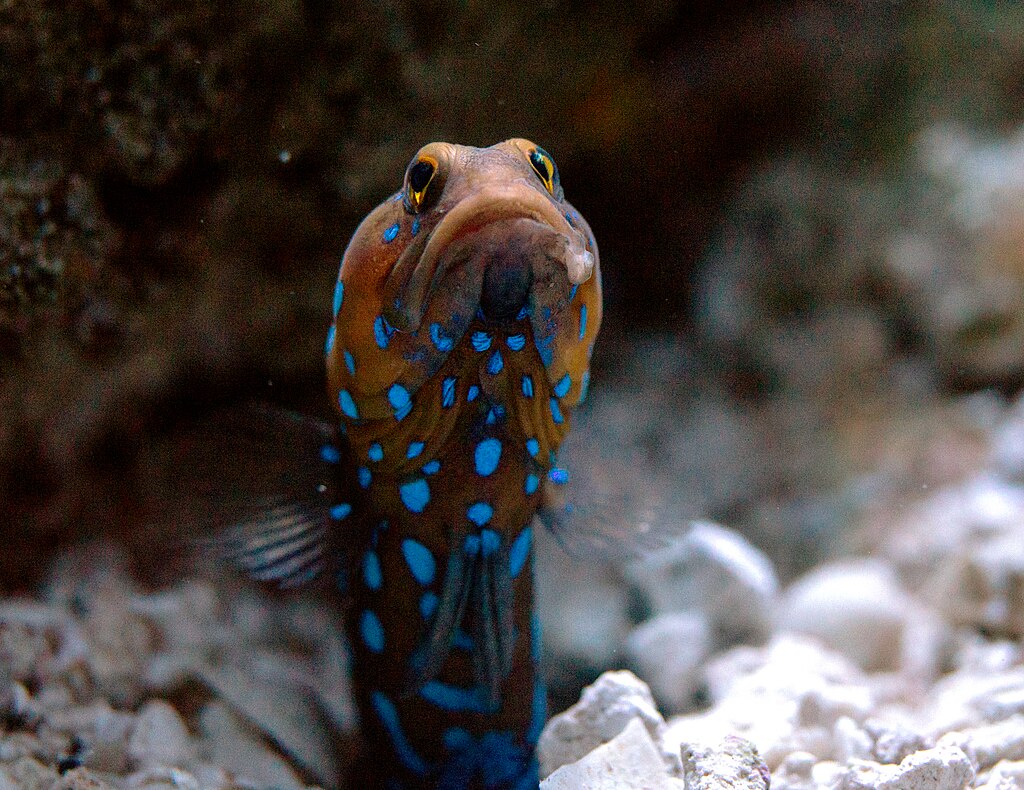
Blue Dot Jawfish (Opistognathus Rosenblatti)
Blue Dot Jawfish need cool water, deep sand, and a tight lid. Learn how to keep Opistognathus rosenblatti…
 By
By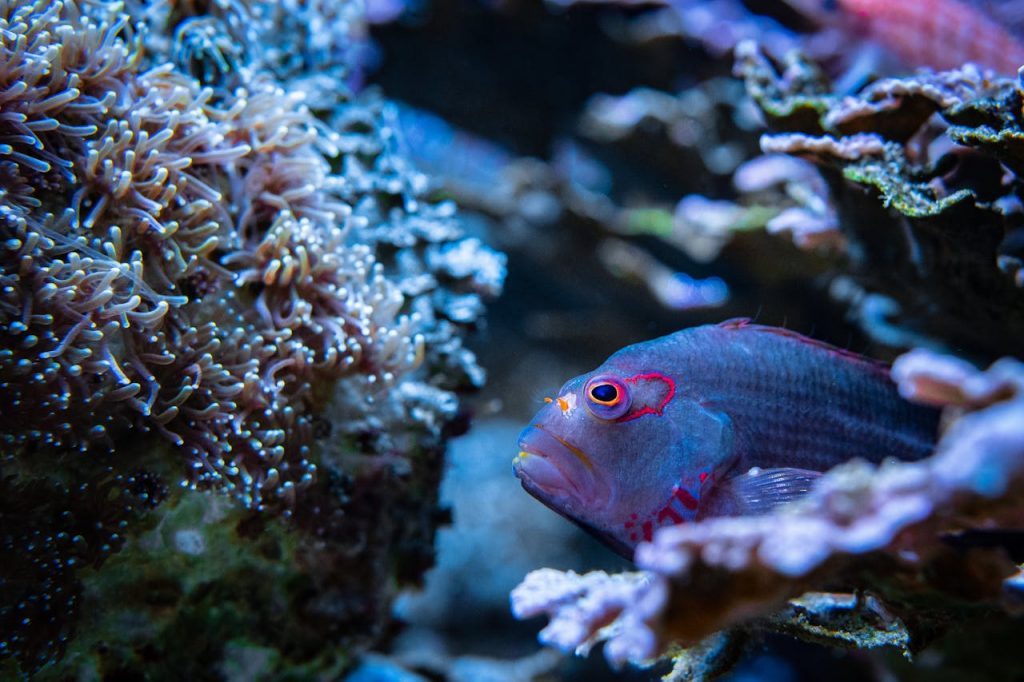
Arc Eye Hawkfish (Paracirrhites arcatus)
Arc Eye Hawkfish care is simple in a stable tank. Learn tank size, feeding, reef safety, and shrimp…
[favorite_button]
My Bookmarks:
To see full list click here
[user_favorites user_id="" include_links="true" site_id="" post_types="" include_thumbnails="true" thumbnail_size="thumbnail" include_excerpt="false"]