
A biotope reef tank recreates a specific natural habitat. A mixed reef combines corals and animals from many regions. The main difference is focus. Biotope tanks aim for ecological accuracy. Mixed reefs prioritize variety, color, and flexibility.
Many reef keepers start with a mixed reef. It is the most common style in the hobby. You can mix LPS, SPS, soft corals, and fish from different oceans. A biotope reef tank takes a different path. It tries to copy one real reef zone as closely as possible. That includes livestock choices, rock layout, sand depth, flow, and even the overall look. Both approaches can be beautiful and successful. The best choice depends on your goals, budget, and interest in natural reef ecology. In this guide, you will learn what defines a biotope reef tank, how it compares to a mixed reef, and which setup may fit your reefing style best.
Quick Comparison Table
| Feature | Biotope Reef Tank | Mixed Reef Tank |
|---|---|---|
| Main goal | Replicate one natural reef habitat | Keep a wide variety of reef life |
| Livestock selection | Species from one region or reef zone | Species from many regions |
| Aquascape style | Natural and habitat-specific | Flexible and design-driven |
| Coral choices | Limited by habitat theme | Broad and diverse |
| Fish compatibility | Often more intentional | Based on temperament and space |
| Difficulty | Moderate to advanced planning | Beginner to advanced |
| Visual style | Subtle and realistic | Colorful and varied |
| Best for | Hobbyists who enjoy authenticity | Hobbyists who want flexibility |
What Is a Biotope Reef Tank?
A biotope reef tank is built around one natural environment. The idea is simple. You choose a real reef habitat and copy it in your aquarium. That habitat could be a shallow lagoon, a reef crest, a rubble zone, or a deeper fore reef. Some hobbyists go even further. They choose species from one sea, one island group, or one collection area.
In practice, this affects every decision. You choose fish that naturally live together. You select corals from the same region. You design the rockwork to match the habitat. You also tune lighting and flow to fit that environment. A lagoon biotope may use gentler flow and more open sand. A reef crest biotope may use stronger flow and tighter rock structure.
A true biotope tank is not just a themed display. It is an ecological concept. It tries to reflect how reef life exists in nature. That makes it appealing to hobbyists who love marine biology, natural history, and thoughtful aquascaping.
What Is a Mixed Reef Tank?
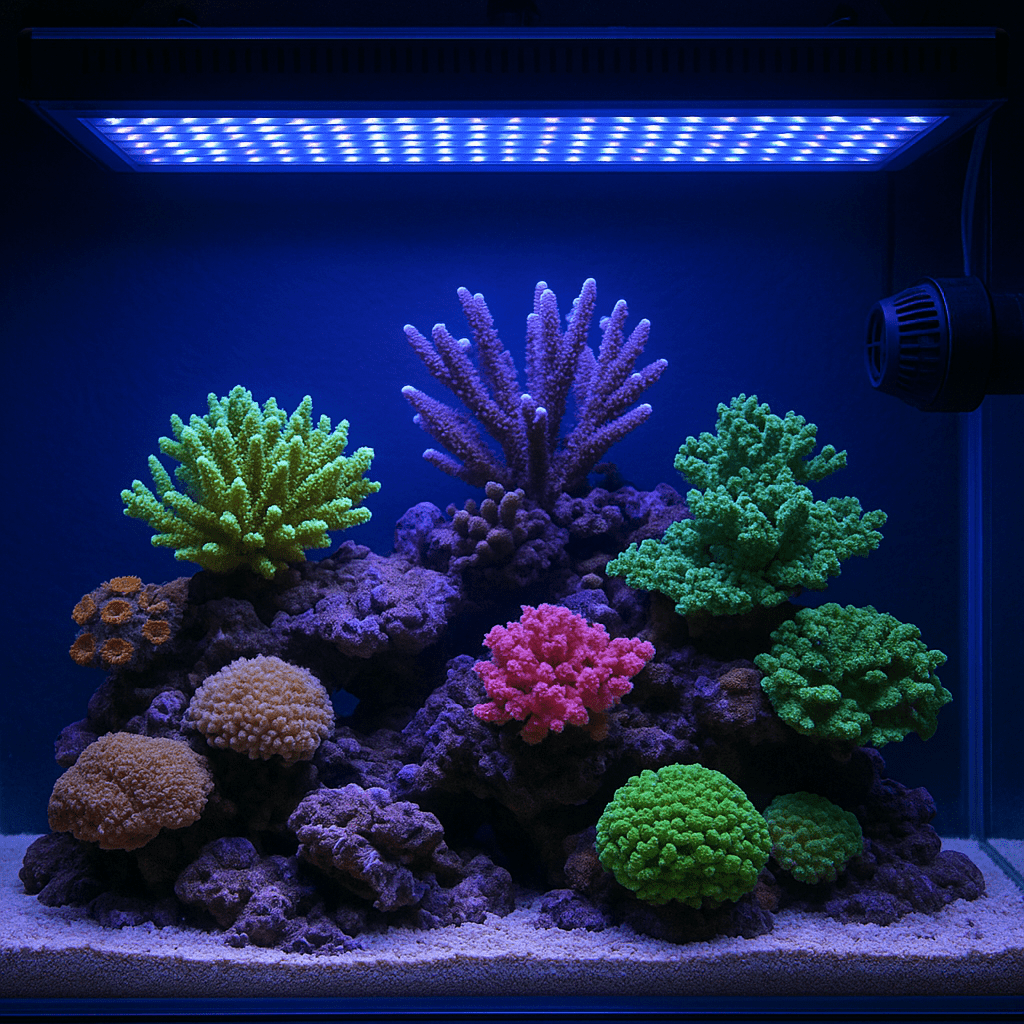
A mixed reef tank is the most popular reef style. It combines different coral groups in one aquarium. You may see acropora on the top rockwork, LPS in the middle, and soft corals lower down. Fish often come from many regions. The layout is driven by compatibility, color, and growth pattern rather than strict geography.
This approach gives you far more freedom. You can keep your favorite torch coral, zoanthids, montipora, and mushroom corals in one display. You can also choose fish based on behavior and appearance. Many hobbyists enjoy the creative side of this. A mixed reef can look dramatic and full of contrast.
Mixed reefs still need planning. Corals have different lighting and flow needs. Some are aggressive. Others grow fast and shade neighbors. Success comes from placement and stability. Still, the mixed reef format is more forgiving than a strict biotope. That is why it suits many beginners and intermediate reef keepers.
Natural Habitat Matters More in a Biotope
The biggest difference between these tank styles is how much natural habitat guides the build. In a mixed reef, nature inspires the tank. In a biotope reef, nature sets the rules. That changes your mindset from collecting favorites to building a coherent ecosystem.
For example, a Red Sea lagoon biotope may feature sandy bottom areas, isolated bommies, and fish that prefer calmer water. Coral choices might lean toward species found in sheltered zones. A high-energy reef slope biotope would look very different. It may have stronger flow, tighter branching corals, and fish adapted to open water movement.
This habitat-first approach often creates a more believable display. The tank feels calm and unified. Every animal looks like it belongs. That said, it also limits impulse purchases. If a coral does not fit the habitat, you skip it. That discipline is one reason biotope tanks can be so rewarding.
Aquarium Setup and Aquascaping Differences
Biotope tanks usually begin with research. You study a specific reef zone first. Then you design the tank around that environment. Rock placement matters a lot. Open sand flats, rubble patches, ledges, and bommies all create different looks. The goal is to mimic a real underwater scene rather than build a coral shelf.
Mixed reefs are more flexible. Many use a two-island or negative space layout. That creates room for coral growth and fish movement. Placement is based on future coral size, aggression, and access to light. It is practical and effective.
Tank size also plays a role. A biotope does not always need a huge tank. A small lagoon or patch reef concept can work well in a modest system. The challenge is restraint. A mixed reef often benefits from more space because it houses corals with different needs. In either setup, stable rockwork and room for maintenance are essential.
Lighting and Water Flow Strategy
Lighting in a mixed reef is usually zoned by coral type. High PAR areas go near the top. Lower light areas stay near the bottom or edges. This lets you keep SPS, LPS, and soft corals together. It works well, but it can be a balancing act.
In a biotope reef, lighting is shaped by the natural habitat you chose. A shallow reef crest may need intense light and strong random flow. A deeper reef-inspired setup may use softer light and less turbulence. This often creates a more consistent environment across the tank.
Flow follows the same pattern. Mixed reefs often use varied flow to satisfy different coral needs. That can mean multiple pumps and careful dead spot control. A biotope aims for a more natural movement pattern. The flow should match what those animals experience in the wild. This can make coral placement easier once the habitat plan is clear.
Livestock Selection and Compatibility
Livestock choice is where the two styles separate most clearly. In a mixed reef, you can combine fish and corals from many locations if they are compatible in captivity. A clownfish from the Indo-Pacific may live alongside a Caribbean royal gramma and a torch coral from Australia. This is normal in the hobby.
In a biotope reef, those combinations usually do not fit the concept. You choose animals that share the same region or habitat. This can reduce visual clutter and improve behavioral realism. Fish may use the aquascape more naturally. Coral placement may also look more believable.
Compatibility still matters in both systems. Some fish nip corals. Some invertebrates bother polyps. Corals can sting nearby neighbors. A biotope is not automatically peaceful. You still need to research each species. The difference is that your livestock list is filtered through habitat logic before you even reach the compatibility stage.
Feeding, Nutrients, and Daily Care
Daily husbandry is similar in both tank types. You still need stable salinity, temperature, alkalinity, calcium, and magnesium. You still test nutrients and avoid sudden swings. Corals do not care about your theme if the basics are unstable.
The difference appears in feeding style and nutrient planning. Mixed reefs often contain corals with very different nutritional habits. Some rely heavily on light. Others benefit from regular target feeding. Fish stocking may also be more diverse. That can create uneven nutrient input.
A biotope tank can be easier to tune if the livestock shares similar needs. For example, a habitat built around calmer water and fleshy corals may tolerate a different feeding routine than a high-energy SPS system. This does not make biotopes easier overall. It just means the tank may behave more consistently once established.
Pros and Cons of a Biotope Reef Tank
A biotope reef tank offers a unique kind of satisfaction. It feels intentional. The display often looks more natural and less crowded. It can also teach you a lot about reef ecology. Many hobbyists find that this deeper focus makes the tank more meaningful over time.
There are tradeoffs. Livestock options are narrower. You may pass on corals you love because they do not fit the theme. Research takes more time. Sourcing region-appropriate species can also be harder. In some cases, hobbyists create a loose biotope rather than a strict one. That is a practical middle ground.
If you enjoy planning, restraint, and natural design, a biotope can be very rewarding. If you want maximum coral variety and freedom, a mixed reef will likely suit you better. Neither style is superior. They simply reflect different goals in reef keeping.
Step-by-Step: How to Choose Between a Biotope and a Mixed Reef
- Decide what excites you most. Choose ecology or variety.
- Set your budget early. Biotope planning can require patience and selective stocking.
- Think about your favorite corals. If you want many types, choose mixed reef.
- Research your tank size. Some habitat ideas fit small tanks better than others.
- Plan your aquascape before buying livestock. This prevents poor placement later.
- Match lighting and flow to your intended coral group or habitat zone.
- Stock slowly. Watch how nutrients and aggression change over time.
- Stay flexible. A loose biotope can still look natural and work well.
Common Problems and Beginner Mistakes
Trying to force a biotope with random livestock
This is very common. A hobbyist starts with a habitat idea, then adds whatever looks good. The result is a themed mixed reef, not a true biotope. That is fine if you enjoy it. Just be clear about your goal. If you want a real biotope, make a livestock list first and stick to it.
Mixing corals with very different needs
Mixed reefs often struggle here. High-light SPS and low-flow LPS can clash in one layout. Solve this with clear zones. Place corals by PAR, flow, and aggression distance. Do not buy first and plan later.
Ignoring growth and coral warfare
Many tanks look great at first. Problems appear six months later. Euphyllia can sting neighbors. Fast-growing montipora can shade slower corals. Leave space from day one. Think about the colony, not the frag.
Confusing aesthetics with function
A natural-looking tank still needs strong husbandry. Good design cannot replace stable alkalinity, export methods, and proper flow. Always build around coral health first.
Frequently Asked Questions
Is a biotope reef tank harder than a mixed reef?
Not always. Planning is harder. Daily care is often similar. The main challenge is restraint and research.
Can beginners build a biotope reef tank?
Yes. A simple habitat concept can work well for beginners. Start with hardy species and a loose biotope approach.
Do biotope tanks need fish and corals from the exact same location?
Strict biotopes aim for that. Many hobbyists use a broader regional match instead. That is more practical in home aquariums.
Why are mixed reefs so popular?
They offer flexibility, bright contrast, and easier livestock selection. You can keep many favorite species in one tank.
Can a mixed reef still look natural?
Yes. Good aquascaping, thoughtful coral placement, and a restrained stocking plan can create a very natural display.
Final Thoughts
A biotope reef tank and a mixed reef serve different goals. One recreates a place. The other celebrates variety. If you love natural history and coherent design, a biotope may be the perfect project. If you want freedom and coral diversity, a mixed reef is still an excellent choice. The best reef tank is the one you can maintain well and enjoy for years.
For more reef planning help, see reef tank aquascaping tips, reef tank lighting guide, water flow in a reef tank, and best beginner corals.
Was this helpful?
Related Posts
Best Filtration Systems
Best Filtration Systems for a Healthy Saltwater Aquarium Choosing the best filtration system for your saltwater aquarium is…
 By
By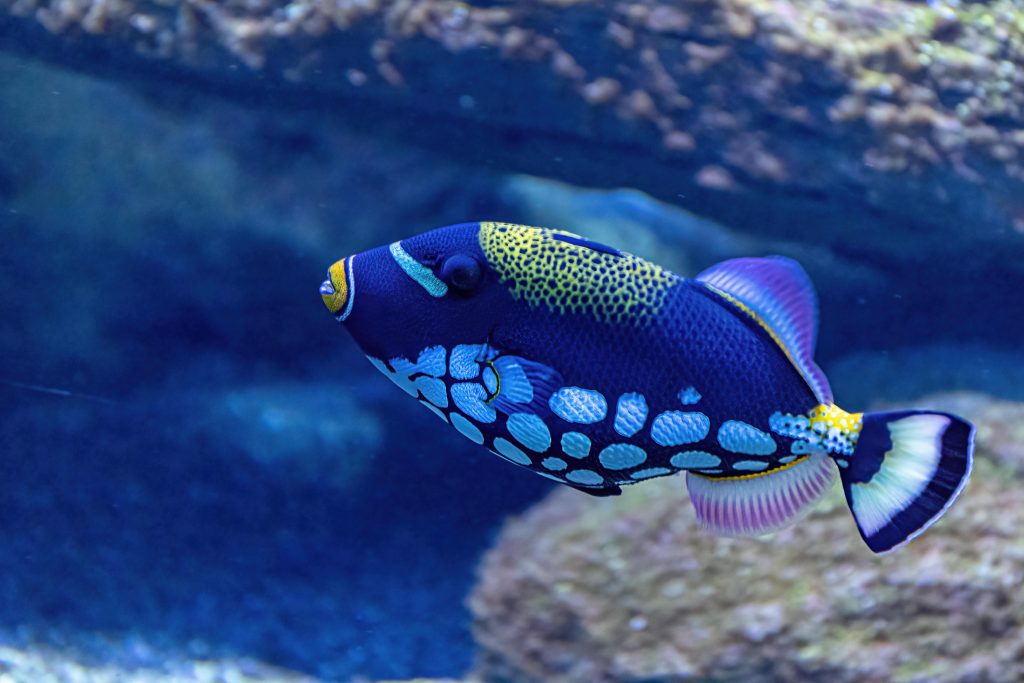
Clown Triggerfish (Balistoides Conspicillum)
Clown triggerfish are stunning but aggressive marine fish that need very large tanks, strong filtration, and careful tankmate…
[favorite_button]
My Bookmarks:
To see full list click here
[user_favorites user_id="" include_links="true" site_id="" post_types="" include_thumbnails="true" thumbnail_size="thumbnail" include_excerpt="false"]